半导体和集成电路

Search documents
广东东莞致力打造“智创优品、和美宜居”城市
Ke Ji Ri Bao· 2026-02-24 08:23
Group 1 - Dongguan is focusing on the development strategy of "Intelligent Creation of Quality Products and Beautiful Livable Environment" to guide its economic and social high-quality development over the next five years [1] - The "Intelligent Creation of Quality Products" aims to establish an innovation-driven industry development direction centered on artificial intelligence, enhancing quality and brand building as key measures for industrial transformation and upgrading [1] - The "Beautiful Livable Environment" is essential for exploring effective paths for modern governance in mega-cities, improving social civilization, and creating a comprehensive environment for residents and talent [1] Group 2 - Dongguan will accelerate the "smart transformation and digital upgrade" of its manufacturing sector, leveraging new technologies to promote traditional industry upgrades [2] - The city aims to develop industrial clusters in artificial intelligence, robotics, low-altitude economy, semiconductors, and integrated circuits to seize new industrial heights [2] - The China Spallation Neutron Source, as a core platform of the Guangdong-Hong Kong-Macao Greater Bay Area, is collaborating with local institutions to inject strong momentum into the development of new productive forces [2]
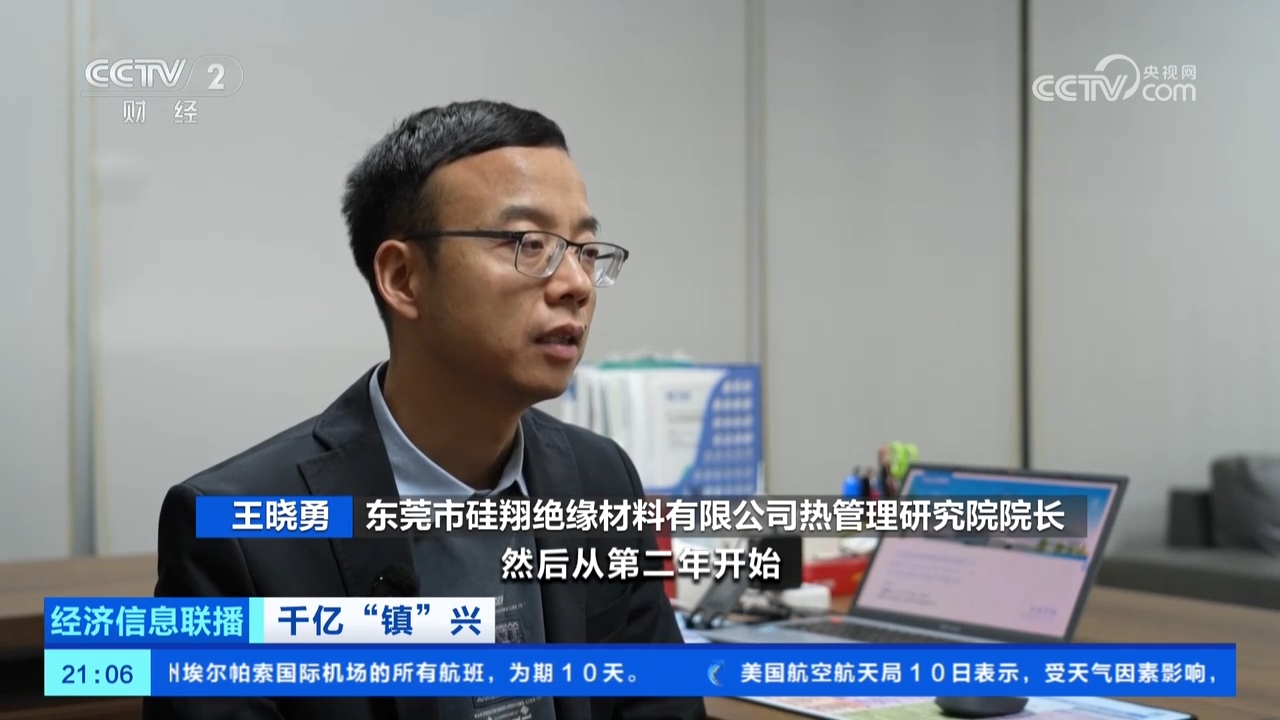
千亿镇崛起,四面来“才”!如何发挥人才驱动作用?记者走访→
Yang Shi Wang· 2026-02-11 17:18
Core Insights - The rise of the "billion-dollar town" is attributed to the aggregation of industries and the leadership of innovation, heavily relying on the influx of diverse talents [1] - The talent-driven approach has led to significant growth in research and development teams, exemplified by the rapid expansion of the heat management research institute in Chang'an Town [1][3] Talent Development and Recruitment - The heat management research institute, established by Wang Xiaoyong, has grown from a small team to approximately 150 members in three years, showcasing a tenfold increase [1] - Wang Xiaoyong, recognized as a "Talent Ambassador," emphasizes the effectiveness of the "talent-driven" strategy in attracting high-level professionals who, in turn, bring in more talent [3] Industry Growth and Performance - The average age of the research team is under 30, yet they are responsible for critical technological breakthroughs, contributing to an annual performance growth rate exceeding 50% for the company [3] - The collaborative training model effectively addresses the challenges of talent recruitment for companies and the adaptability of students, ensuring that both parties benefit from practical experience and income security [5] Educational and Practical Integration - The integration of academic research with industry needs has led to successful outcomes, as demonstrated by engineers like Shen Junjie, who transitioned from academic projects to real-world applications [5][7] - Companies are fostering a nurturing environment for talent development, maintaining traditional mentorship practices that enhance the growth of young technicians [9] Overall Impact on the Industry - The combination of supportive policies and a conducive internal environment is crucial for building a robust talent foundation, ultimately empowering the industry [9] - The ongoing efforts to cultivate talent are seen as essential for the upward growth of the billion-dollar industrial cluster, with young professionals becoming key drivers of innovation and development [9]

国资基金加速布局战新产业 “耐心资本”赋能新质生产力
Zhong Guo Zheng Quan Bao· 2026-02-03 23:26
Group 1 - The core viewpoint of the articles emphasizes the acceleration of state-owned capital investment in strategic emerging industries and technological innovation, with a projected investment of 2.5 trillion yuan by state-owned enterprises (SOEs) by 2025, accounting for 41.8% of total investments [1] - The total scale of venture capital funds from SOEs is nearing 100 billion yuan, with the establishment of a new emerging industry merger fund by the State-owned Assets Supervision and Administration Commission (SASAC) [1] - The collaboration of national and local state-owned capital funds is forming a "patient capital" national team focused on strategic emerging industries and key core technologies, aiming to solidify the foundation for high-quality economic development in China [1] Group 2 - State-owned capital has become a significant force in cultivating new productive forces through market-oriented operations of investment funds, with a total fund scale of 710 billion yuan by China Chengtong, and over 170 billion yuan invested in strategic emerging industries by 2025 [2] - The investment focus includes SOEs, strategic emerging industries, and key industries, with respective proportions of 89.99%, 97.99%, and 79.53% [2] - The National New Fund has achieved nearly 80% coverage of the nine strategic emerging industries, with cumulative investments exceeding 120 billion yuan across various projects [2] Group 3 - The State Investment Group has invested over 200 billion yuan in strategic emerging industries, managing 61 funds with a total subscription scale of 345.1 billion yuan [3] - The group has directly invested in 1,249 projects and supported 293 companies to go public, with a significant portion of funding directed towards private enterprises [3] - The focus on high-end chips and artificial intelligence aligns with national strategies, aiming to leverage capital to mobilize social resources and enhance the innovation ecosystem [3] Group 4 - Local state-owned capital funds are actively participating in regional economic development, with initiatives like the Shenzhen state-owned fund matrix plan focusing on hard technology fields such as semiconductors and artificial intelligence [4] - The Hangzhou state-owned capital fund cluster has approved 392 funds with a total scale exceeding 310 billion yuan, supporting numerous strategic projects [4] - Various cities are optimizing investment environments and establishing mechanisms to support early-stage investments in hard technology [5] Group 5 - Experts emphasize the need for a robust mechanism to support "patient capital," including scientific assessment and error tolerance mechanisms [6] - The introduction of compliance exemption clauses aims to enhance the exploration of strategic emerging industries and technological innovation [6] - Recommendations include improving regional coordination to avoid fragmented competition and ensuring that performance evaluations respect the long investment cycles of hard technology [6]
“处实不居华”:读懂宝安发展的信号和信心
Nan Fang Du Shi Bao· 2026-02-03 03:59
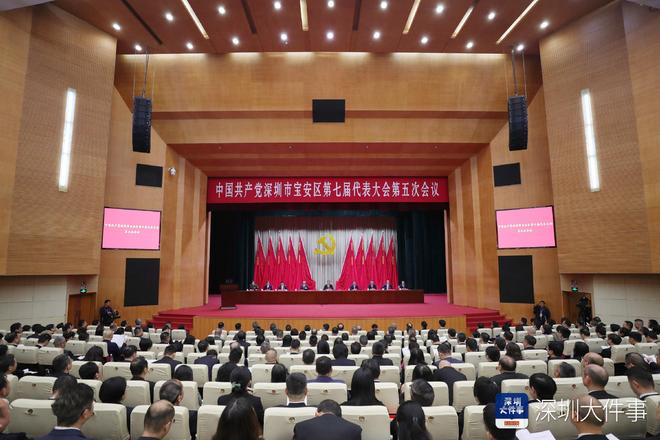
Core Insights - Bao'an District is set to enter a new phase as it aims to become a "trillion-dollar industrial zone" by 2025, marking the end of the 14th Five-Year Plan and the beginning of a new era [3][6] - The district has achieved significant milestones in the past year, including surpassing a trillion yuan in industrial output, setting records in airport cargo and passenger traffic, and exceeding 600 billion yuan in import and export volume [3][4] - Bao'an is focusing on enhancing its business environment, with over a million commercial entities and a leading number of specialized "little giant" enterprises in the country [4] Economic Performance - The industrial output value of Bao'an has crossed the trillion yuan mark, securing its position as the second among the top industrial districts in China [3] - The total retail sales of consumer goods exceeded 160 billion yuan, with new commercial space leading the city at 580,000 square meters [3] - The district's new strategic industries have reached a total output value of 1.2 trillion yuan, showcasing a shift towards intelligent manufacturing and innovation [3][4] Talent and Industry Alignment - Bao'an is actively working to connect high-end talent with industry needs, particularly in artificial intelligence, high-end manufacturing, and semiconductor sectors [7] - The district is implementing a "precise talent navigation" strategy to ensure that intellectual resources are effectively aligned with key segments of the industrial chain [7][9] Governance and Community Engagement - The district is focusing on grassroots governance by enhancing the penetration of quality resources to local communities, exemplified by successful community management initiatives [13][15] - Bao'an is also prioritizing healthcare accessibility through the establishment of a tiered medical system, improving service delivery in local health facilities [15] Future Development Goals - Bao'an aims to achieve a balance between quantitative growth and qualitative improvement, with a focus on modernizing its industrial base and enhancing living standards [17][18] - The district's development strategy includes eight major projects aimed at stimulating domestic demand, enhancing value, and fostering collaborative growth across urban and rural areas [18]
广东五位市长一起谈“新”谈“未来”
Xin Lang Cai Jing· 2026-01-29 01:49
Core Insights - The five cities in the Guangdong-Hong Kong-Macao Greater Bay Area aim to enhance new productivity and cultivate future industries, focusing on artificial intelligence and robotics as key growth areas [1][7]. Economic Overview - The combined GDP of Guangzhou, Shenzhen, Zhuhai, Dongguan, and Huizhou is projected to exceed 9 trillion yuan in 2024, accounting for over 60% of Guangdong Province's GDP [2][8]. Industry Development Focus - Guangzhou has identified artificial intelligence and low-altitude economy as strategic emerging industries, integrating them into its modern industrial system to drive traditional industry transformation [3][9]. - Shenzhen has made significant advancements in semiconductor production equipment and related technologies, breaking foreign monopolies and beginning mass production [4][10]. - Zhuhai plans to develop new industries and models, targeting over 20% growth in artificial intelligence and robotics by 2025, while also focusing on RISC-V ecosystems and other future industries [5][12]. - Dongguan emphasizes a technology-driven approach to innovation, particularly in artificial intelligence and robotics, to enhance high-quality development [6][12]. - Huizhou aims to establish an Artificial Intelligence and Robotics Bureau to consolidate resources and focus on future industry development, with significant growth already seen in smart terminals and new energy storage [6][13]. Investment and Innovation - Shenzhen's R&D investment is projected to reach 245.31 billion yuan in 2024, with a growth rate of 9.7%, making it the second highest in the country [4][10]. - By 2025, Shenzhen expects double-digit growth in its strategic emerging industries, including semiconductors and artificial intelligence, while also increasing the number of specialized small and medium enterprises [4][10]. - The establishment of the APEC summit in Shenzhen in 2026 is seen as an opportunity to enhance international cooperation and attract global investment [4][11].
押注AI与半导体等重点产业,珠三角多地市强化发展新动能
Di Yi Cai Jing· 2026-01-28 13:03
Group 1 - Guangzhou aims to accelerate the construction of the Guangdong-Hong Kong-Macao Greater Bay Area aerospace and intelligent manufacturing base, focusing on technology innovation and industrial upgrades in key sectors such as artificial intelligence, robotics, and semiconductors [1][2] - The city plans to introduce local regulations to promote artificial intelligence and low-altitude economy, optimize the business environment, and enhance overall industrial competitiveness [2][3] - Guangzhou will establish a national artificial intelligence application pilot base and improve public data authorization operations, while also launching initiatives to enhance computing power and service systems [2][3] Group 2 - Dongguan is focusing on developing technology-driven industries, particularly in artificial intelligence, robotics, low-altitude economy, and semiconductors, while emphasizing quality and brand enhancement [3][4] - Huizhou plans to establish a municipal-level artificial intelligence and robotics bureau, leveraging its strengths in hardware manufacturing within the AI sector [3][4] - Shenzhen, Dongguan, and Huizhou are collaborating on artificial intelligence initiatives, including the establishment of a national AI application pilot base and a scientific alliance for innovation [4][5] Group 3 - The "14th Five-Year Plan" has seen significant technological innovation achievements, with Shenzhen's industrial output maintaining top rankings nationally and strategic emerging industries experiencing double-digit growth [6][7] - Huizhou's "2+1" industrial layout has shown strong performance, with its petrochemical industry leading the province and electronic information sectors also achieving substantial growth [6][7] - Zhuhai is focusing on emerging industries and future sectors, aiming for over 20% growth in AI and robotics-related industries by 2025, while developing new pillar industries [7]
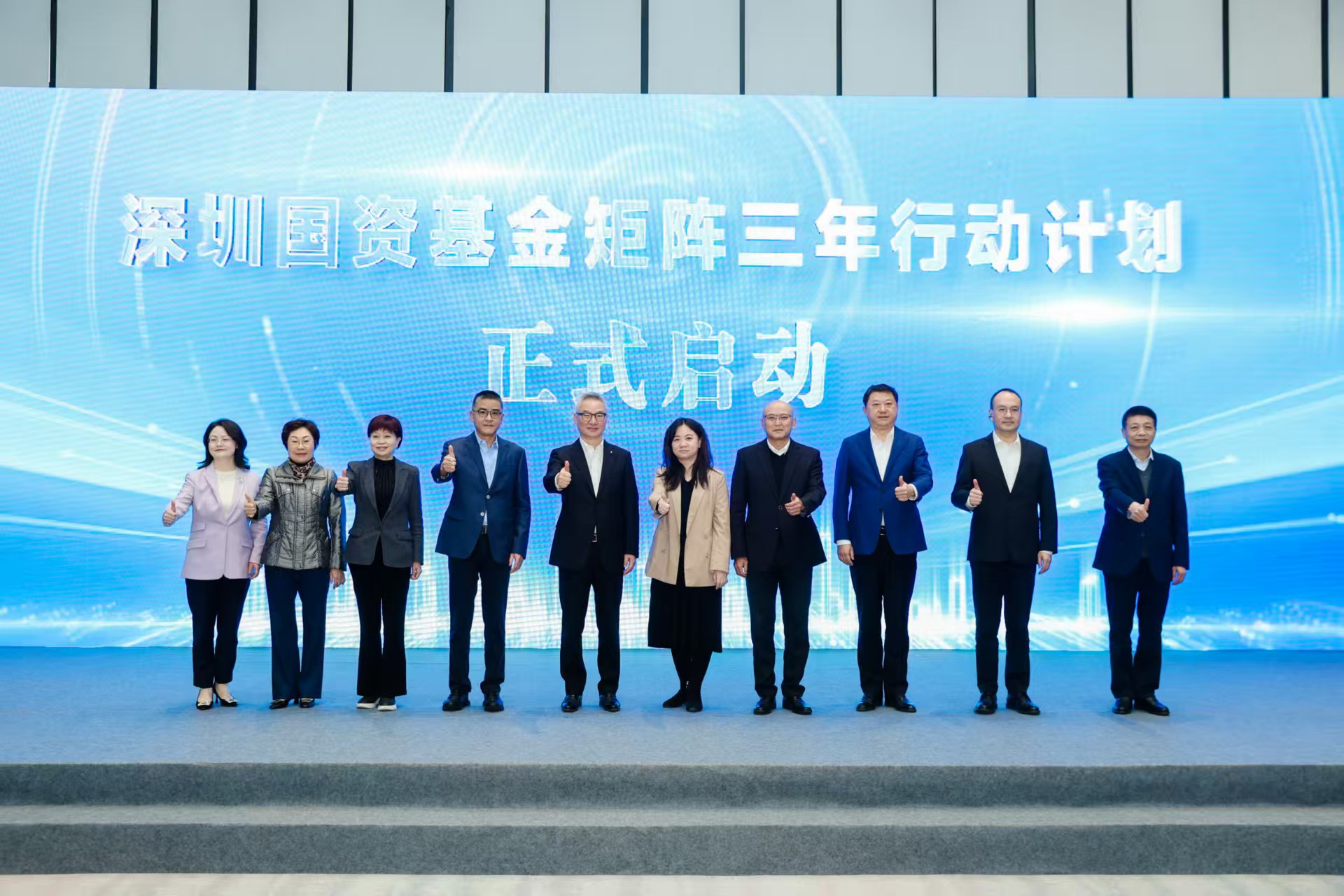
深圳国资基金圈定三大重点支持硬科技领域
Di Yi Cai Jing· 2026-01-22 10:20
Core Viewpoint - Shenzhen has launched a "State-owned Capital Fund Matrix Three-Year Action Plan" to focus on supporting hard technology sectors such as semiconductors, integrated circuits, artificial intelligence, and biomedicine [1] Group 1: Fund Matrix and Strategic Focus - The fund matrix is based on the "Shenzhen Municipal State-owned Enterprises Fund Business Management Measures (Trial)" issued on January 1, 2023, and aims to cover the entire lifecycle of enterprises from seed to maturity [1] - This initiative is expected to concentrate state-owned capital on forward-looking strategic emerging industries, enhancing the long-term guiding and amplifying role of state-owned capital in technological innovation investments [1] - The Shenzhen State-owned Assets Supervision and Administration Commission aims to link innovation elements such as technology, talent, and scenarios to empower sci-tech enterprises throughout their lifecycle [1] Group 2: Collaboration and Ecosystem Development - Shenzhen's state-owned enterprises are transitioning from "resource holders" to "ecosystem builders," collaborating with private enterprises to create a virtuous cycle of innovation [3] - The Shenzhen Capital Group has invested 86% of its funds in early-stage and growth-stage companies, nurturing 288 listed companies to date [3] - The Kunpeng Capital sub-fund group has a cumulative investment scale exceeding 100 billion, covering nearly 2,000 projects, establishing a mature operational foundation for collaborative development in the industrial chain [3] Group 3: Investment Strategies and Fund Scale - Shenzhen is promoting "bold capital" and "patient capital" from state-owned enterprises, with over 500 funds created by the end of 2024, totaling over 700 billion, with more than 90% directed towards the "20+8" industries [4] - The Shenzhen Semiconductor and Integrated Circuit Industry Investment Fund was established with an initial scale of 5 billion, focusing on investments in semiconductor equipment, components, chip design, and advanced packaging [4] - The Shenzhen State-owned Assets Supervision and Administration Commission emphasizes the importance of maintaining the function of patient capital and continuously improving fund collaboration, project cultivation, and ecological service mechanisms [4]
A股掀起并购热潮,市场显现两大新趋势
21世纪经济报道· 2025-11-26 01:32
Core Insights - The merger and acquisition (M&A) market has been significantly active following the introduction of the "Six Merger Policies," with a notable increase in both the number and value of transactions since its announcement on September 24, 2024 [1] - A total of 5,868 M&A events have been disclosed in the A-share market, with 2,745 involving equity transactions by listed companies or their subsidiaries, leading to a total transaction value of 7.49 trillion yuan [1] - Two emerging trends are observed: while industrial mergers remain dominant, there is a growing preference for new productive capacity targets, and the proportion of market-driven transactions is on the rise [1] Market Trends - The proportion of non-related transactions has increased significantly since the "Six Merger Policies" were released, with 1,992 out of 2,745 equity transactions being non-related, accounting for over 70% [3] - In major restructuring transactions, related transactions still dominate, but the share of non-related transactions has risen compared to the previous year [3] - The termination rate for non-related major restructuring transactions is notably high, with 24% of 59 disclosed transactions this year being terminated, compared to 19% for related transactions [5][6] Shift in Market Dynamics - There is a noticeable shift where star enterprises from the primary market are transitioning from being "sellers" to "buyers," actively seeking to acquire small-cap listed companies [10] - Notable cases include Zhiyuan Robotics acquiring a controlling stake in Shangwei New Materials, which marked a significant acquisition in the sci-tech board [10] - The valuation discrepancies between IPOs and M&A transactions create challenges, as many star projects in the primary market struggle to accept the lower valuations offered in M&A deals [11] Implications for Small-Cap Companies - Many small-cap companies face stagnation or loss of competitiveness, leading to a potential "zombie" status, but acquisitions by quality enterprises from the primary market can revitalize these companies [12] - This trend not only enhances the quality of existing listed companies but also aligns with regulatory guidance to facilitate market evolution and reduce friction costs associated with delisting [12]
甘肃省组团参加第八届中国国际进口博览会并举办甘肃省重点产业招商推介会暨进口贸易签约仪式
Xin Lang Cai Jing· 2025-11-07 19:29
Group 1 - The 8th China International Import Expo is being held in Shanghai from November 5 to 10, with participation from 628 enterprises and institutions from Gansu [1] - A memorandum of cooperation was signed between Jinchuan Group and BHP for copper concentrate, with a contract value of $1 billion [1] - Tianshui Huatian Electronics Group signed a cooperation agreement with Hong Kong Advanced Limited, amounting to $50 million [1] Group 2 - Gansu held a key industry investment promotion meeting and import trade signing ceremony, resulting in 35 new investment projects with a total contract value of 9.582 billion RMB [1] - A total of 32 import trade contracts were signed, with a combined value of $3.27 billion, covering food and agricultural products, as well as machinery and equipment [1]



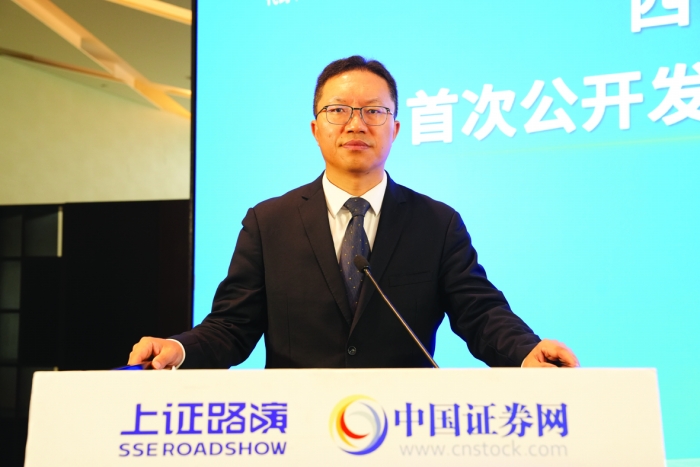
西安奕材:专注12英寸硅片研制 力争成为半导体硅材料领域“赶超者”
Shang Hai Zheng Quan Bao· 2025-10-15 18:35
Core Viewpoint - Xi'an Yiswei Material Technology Co., Ltd. focuses on the research, production, and sales of 12-inch silicon wafers, aiming to become a global leader in this field over the next 15 years, with significant growth in production capacity and technological capabilities [7][8][31]. Company Overview - The company has become the largest 12-inch silicon wafer manufacturer in China and the sixth globally, with a total of 161 verified domestic and international customers by June 2025 [7][8]. - The company has established a core technology system across five key processes: crystal pulling, shaping, polishing, cleaning, and epitaxy, achieving leading domestic and world-class standards in various performance metrics [7][8]. Financial Performance - The company’s revenue has shown a compound annual growth rate (CAGR) of 41.83%, increasing from 1.05 billion yuan in 2022 to 2.12 billion yuan in 2024 [19]. - The company’s R&D investment has been significant, with amounts of 145.99 million yuan, 171.42 million yuan, 258.82 million yuan, and 128.45 million yuan for the years 2022 to 2025, representing 13.84%, 11.63%, 12.20%, and 9.86% of revenue respectively [18]. Production Capacity and Expansion - The company plans to enhance its production capacity to 1.2 million wafers per month by 2026, with the second factory's construction funded entirely by the proceeds from the IPO [9][31]. - The first factory achieved a production capacity of 500,000 wafers per month by June 2023, which is expected to increase to 640,000 wafers per month by June 2025 [13]. Market Position and Strategy - The company has established strong relationships with major global foundries, including UMC, GlobalFoundries, and others, and is actively expanding its market presence in the AI high-end chip sector [14][15]. - The company aims to enhance its competitiveness by diversifying its supply chain and increasing local supplier collaboration, which is crucial for the semiconductor industry in China [17][29]. Future Development Plans - The company has a long-term strategic plan from 2020 to 2035, aiming to establish 2 to 3 core manufacturing bases and several modern intelligent manufacturing plants [21]. - The company is focused on becoming a respected enterprise in the semiconductor silicon materials field, with a commitment to quality, technology, and maximizing shareholder value [8][21]. Industry Context - The semiconductor industry, particularly the 12-inch silicon wafer sector, is expected to grow significantly due to increasing demand driven by AI and other emerging applications [22][28]. - The company is positioned to benefit from national policies supporting the development of the semiconductor industry, which aims to reduce reliance on imports and enhance local production capabilities [28][29].