
食神大模型

Search documents
当AI走进后厨:商用厨房正在发生的一次系统性升级
Di Yi Cai Jing· 2026-01-22 10:56
Core Insights - The restaurant industry is experiencing a dichotomy where consumer interest in cooking processes is rising, emphasizing "freshly cooked" and "wok flavor," while operators face increasing pressures related to costs, labor, and efficiency [3] - The kitchen, particularly the back-of-house operations, is under strain from conflicting demands for consumer experience and operational profitability, leading to a transformation in how kitchens are managed and operated [3] Industry Overview - The commercial kitchen market is substantial, with a projected revenue of 57,982 billion yuan by 2025, yet the penetration of smart technology remains below 10% [4] - The operational logic of commercial kitchens has traditionally relied on human experience, which becomes problematic as restaurants scale up, leading to challenges in consistency and rising labor costs [4][5] Technological Integration - Cooking robots are emerging as essential operational tools, addressing the most challenging aspects of kitchen standardization, such as timing and experience [5] - Companies like Boss Electric are integrating AI and systematic capabilities into their long-term strategies to address efficiency and stability issues in the restaurant industry [5][8] Strategic Moves - Boss Electric's investment in Youte Smart Kitchen signifies a shift towards a more data-driven approach in kitchen operations, allowing for the collection and calibration of cooking processes [8][11] - The focus is shifting from individual equipment to system capabilities, with the potential for significant competitive advantages for those who can create a closed loop of "equipment-data-system" [11][12] Future Directions - The commercial kitchen sector is moving towards a systematic competition phase, where understanding the entire cooking process becomes crucial for success [13][16] - The integration of AI into kitchens is not merely about automation but about creating a comprehensive management system that enhances overall kitchen efficiency and collaboration [15][18] Conclusion - The evolution of commercial kitchens is driven by the need for efficiency and consumer expectations for authentic cooking experiences, with AI technology playing a pivotal role in this transformation [18][19]

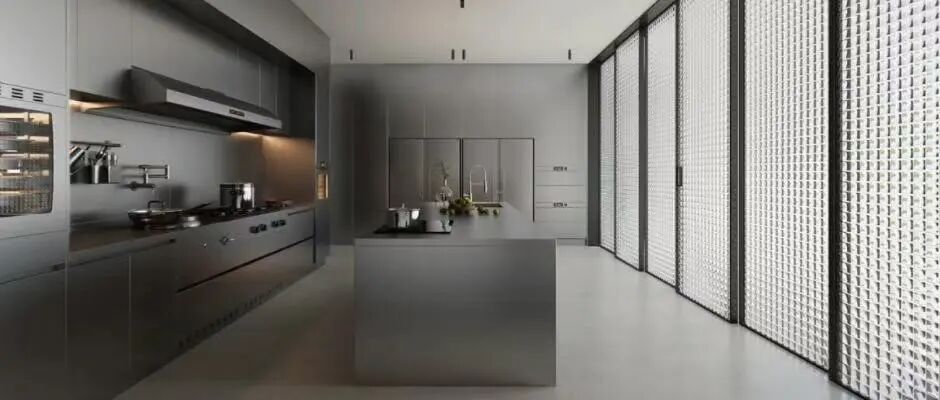
当AI走进后厨:商用厨房正在发生的一次系统性升级
第一财经· 2026-01-22 10:25
Core Viewpoint - The restaurant industry is experiencing a tension between consumer demand for authentic cooking and operational pressures on restaurant operators, leading to a transformation in kitchen operations where AI and automation are becoming integral to managing efficiency and experience [3][22]. Group 1: Market Potential - The commercial kitchen market is substantial, with a projected revenue of 57,982 billion yuan by 2025, yet the penetration of smart technology is below 10% [5]. - The operational logic of commercial kitchens has traditionally relied on human experience, which becomes problematic as restaurants scale up, leading to challenges in consistency and rising labor costs [5][6]. Group 2: Technological Integration - Cooking robots are emerging as essential operational tools, addressing the most challenging aspects of kitchen standardization, such as timing and experience [6]. - Companies like Boss Electric are integrating AI into their long-term strategies for commercial kitchens, utilizing extensive cooking data to enhance kitchen management and operational efficiency [6][9]. Group 3: Strategic Positioning - Boss Electric's investment in Youte Smart Kitchen signifies a shift towards a comprehensive kitchen system rather than merely supplying equipment, aiming to create a cohesive operational framework [12][18]. - The focus of competition in the commercial kitchen sector is shifting from individual devices to system capabilities, emphasizing the need for a holistic approach to kitchen management [12][18]. Group 4: Future Implications - The evolution of commercial kitchens is driven by the need for efficiency and consumer expectations, with AI technology playing a crucial role in this transformation [22]. - As kitchens become more systematized and managed, those relying solely on traditional methods may find themselves increasingly outpaced by more innovative competitors [22][23].


从硬件竞赛到体验再造,老板电器寻找下一个AI入口
财联社· 2026-01-08 05:18
Core Insights - 2025 is a pivotal year for AI as it transitions from technical breakthroughs to practical applications, with a focus on real-world value rather than just technological advancements [1] - The kitchen, traditionally a functional space, is undergoing a transformation driven by AI, which is reshaping the relationship between people and products [1][2] - The smart kitchen appliance market in China is projected to reach 180 billion yuan in 2024, growing at over 20% annually, yet about 30% of current smart appliances remain basic in functionality [1] Industry Trends - The integration of AI in traditional industries, exemplified by companies like Boss Electric, is addressing the challenge of embedding cutting-edge technology into conventional sectors [2] - Despite the ongoing generative AI trend, there is a gap in practical applications within the kitchen, highlighting the need for AI that understands specific culinary contexts rather than general knowledge [3][6] - The kitchen environment relies heavily on tacit knowledge and sensory feedback, which poses challenges for general AI models that lack the depth of understanding required for cooking [6] Company Strategies - Boss Electric is adopting a unique approach by developing an AI model, "Shishen," rooted in 47 years of industry experience, focusing on personalized cooking solutions [7] - The company reported a 55% year-on-year increase in digital kitchen appliance sales in Q3 2025, with user numbers surpassing 6 million, indicating strong market acceptance [7] - Boss Electric has established three research institutes focused on digital kitchen appliances and AI cooking algorithms, creating a comprehensive R&D ecosystem [7] Data and User Engagement - The establishment of data property rights is crucial for AI commercialization, with Boss Electric obtaining seven data property registration certificates to facilitate compliance and value transformation [8] - A feedback loop is created where increased user engagement enhances AI understanding, leading to a more personalized experience, which in turn encourages further usage [8] - The company is shifting from traditional metrics of success to new indicators such as user activity and service renewal rates, reflecting a changing landscape in value assessment [14] User-Centric Approach - Boss Electric's branding as "your AI cooking partner" signifies a shift from technology-driven to relationship-driven strategies, emphasizing emotional connections with users [9] - The "Shishen" model offers personalized cooking solutions that adapt to individual dietary needs and preferences, addressing the non-standardized nature of food requirements [11][12] - The company's initiatives, such as immersive experiences and collaborations with Michelin, aim to enhance user engagement and create a deeper connection with culinary culture [13] Future Outlook - The ongoing AI wave presents both challenges and opportunities, with successful companies needing to deeply understand their industries and user needs rather than merely chasing trends [17] - Boss Electric's comprehensive strategy serves as a model for the kitchen appliance industry, illustrating how to innovate and create value in the AI era [17]
当AI开始理解烟火气,厨房或许会成为下一个超级入口
3 6 Ke· 2025-12-30 09:56
Core Insights - The rapid development of AI has led to a saturation point where the next growth phase must focus on embedding AI into real-life applications rather than just improving model capabilities [2][3] - Vertical scenarios, particularly in complex environments like kitchens, are emerging as new opportunities for AI integration, moving beyond simple functionalities to create sustainable value [3][4] Industry Trends - The kitchen is identified as a highly underappreciated space for AI application due to its complexity and the subjective nature of cooking [4][5] - The transition from AI as a tool to an intelligent partner in cooking is seen as a critical test for AI's integration into daily life [6][7] Company Developments - Boss Electric, with 46 years in the kitchen appliance industry, is pioneering the integration of AI into everyday cooking scenarios through its "Shishen" model, which aims to understand and enhance the cooking experience [7][10] - The "Shishen" model is designed to address decision-making in cooking, adapting to user preferences and real-time conditions, thus providing a more personalized cooking experience [9][11] Technological Advancements - The "Shishen" model incorporates advanced sensory capabilities, allowing it to perceive changes in ingredients and cooking processes, and adjust accordingly [11][12] - By the end of 2025, the model will enhance user interaction through features like AI photo analysis of ingredients and real-time voice dialogue, making it more user-friendly [14][16] Market Potential - The global AI kitchen appliance market is projected to grow from $3.763 billion in 2024 to $5.831 billion by 2031, indicating a strong consumer demand for AI-integrated cooking solutions [18] - A significant portion of consumers (76%) are willing to pay a premium for AI-enabled kitchen products, reflecting a shift towards higher quality living standards [27] Challenges in the Industry - There exists a disconnect between consumer expectations for intelligent kitchen appliances and the current market offerings, with many products still in the early stages of AI integration [28] - The industry faces challenges due to two prevalent approaches: "hardware-first" and "AI-first," both of which often fail to meet user needs effectively [29][30] Strategic Insights - Boss Electric's approach combines hardware, algorithms, and content to create a cohesive cooking experience, positioning itself uniquely in the market [30][31] - The company emphasizes the importance of understanding vertical scenarios, hardware engineering, and cultural content to successfully integrate AI into cooking [31][32] Cultural Impact - The integration of AI in cooking is not just about efficiency but also about reshaping relationships within families and communities, highlighting the emotional and cultural significance of cooking [18][22] - Initiatives like "National Cooking Day" and collaborations with platforms like Xiaohongshu aim to foster community engagement and emotional connections through cooking [21][19]
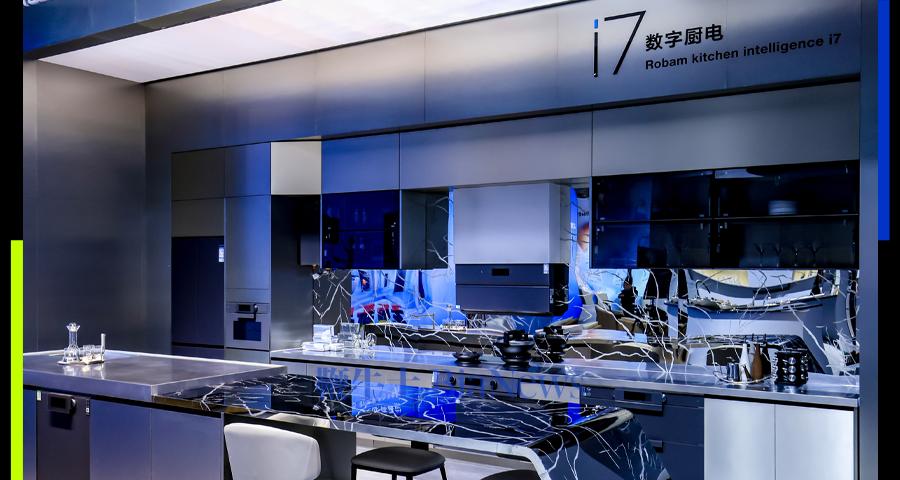
当AI开始理解烟火气,厨房或许会成为下一个超级入口
36氪· 2025-12-30 09:26
Core Insights - The article discusses the evolution of AI from a tool to a partner in the kitchen, emphasizing the need for AI to create real value in everyday life rather than just demonstrating capabilities [2][6] - The focus is shifting towards vertical applications of AI, particularly in complex environments like kitchens, which have been historically challenging for AI integration [3][5] Group 1: AI in the Kitchen - The kitchen is identified as a high-frequency, non-structured space that presents unique challenges for AI due to its complexity and the subjective nature of cooking [4][5] - The "Shishen" model by Boss Electric is highlighted as an AI cooking partner that learns user preferences and adapts cooking processes accordingly, moving beyond simple tool functionalities [12][13] - By 2025, the "Shishen" model will enhance user experience with features like AI photo analysis of ingredients and real-time voice interaction, making it more user-friendly [14] Group 2: Market Dynamics - The global AI kitchen appliance market is projected to grow from $3.763 billion in 2024 to $5.831 billion by 2031, indicating a strong demand for AI-integrated cooking solutions [18] - Despite the market's growth, there is a disconnect between consumer expectations for smart appliances and the current offerings, with 30% of AI appliances still in basic functionality stages [28][29] Group 3: Boss Electric's Strategy - Boss Electric's approach integrates hardware, algorithms, and content to create a comprehensive cooking experience, distinguishing it from competitors who focus on isolated functionalities [31] - The company has invested significantly in AI cooking technology, holding 9,448 patents, the highest in China related to AI cooking, establishing a strong technical barrier [16] Group 4: Cultural and Emotional Aspects - Cooking is framed as a cultural practice that fosters emotional connections, with AI's role extending beyond efficiency to enhancing relationships within families [18][22] - Initiatives like "National Cooking Day" and collaborations with Michelin chefs aim to democratize high-quality cooking experiences, making them accessible to everyday users [24][23] Group 5: Future Implications - The article posits that as AI becomes more integrated into daily cooking, it could transform kitchens into significant lifestyle hubs, reflecting broader societal changes [36]
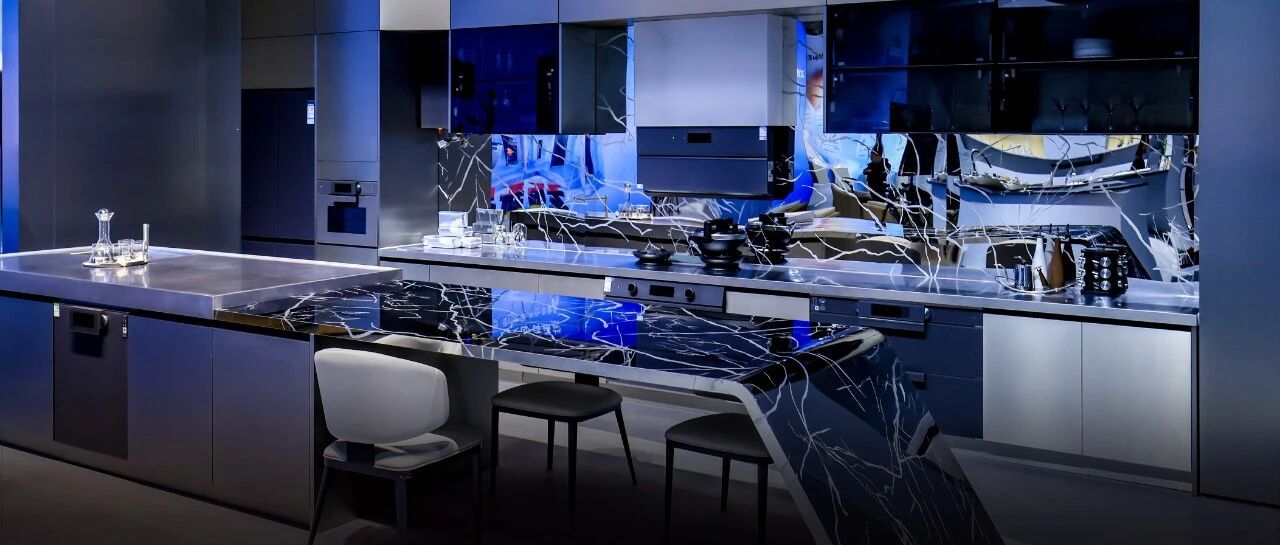
老板电器2025:寻找扣动厨电行业“iPhone时刻”的扳机
华尔街见闻· 2025-12-29 10:24
Core Insights - The article draws a parallel between the evolution of the kitchen appliance industry and the transformative impact of the iPhone on mobile technology, suggesting that the kitchen appliance sector is on the brink of a significant change driven by AI [2][3][37] - Despite the potential of AI, the kitchen appliance industry has not yet experienced its "iPhone moment," as many products still focus on superficial features rather than addressing core consumer needs [4][6] - The complexity of cooking, especially in the context of Chinese cuisine, presents challenges for AI integration, as cooking is highly personalized and cannot be easily standardized [5][6] Market Trends - In 2025, the Chinese kitchen appliance market saw a rollercoaster of performance, with a 6.1% year-on-year increase in retail sales in the first half, driven by government subsidies, but a decline in performance during major sales events like "Double Eleven" in the second half [12][13][14] - The upcoming "national subsidy" policies are expected to revitalize the market in 2026, focusing on boosting domestic demand and consumption [16][17] AI Integration - AI is becoming a key driver in reshaping the competitive landscape of the kitchen appliance industry, shifting the focus from hardware specifications to enhancing user experience [18][20] - The introduction of AI cooking models, such as the "Shishen" by Boss Appliances, aims to redefine kitchen appliances as interactive partners rather than mere tools [7][23][24] - The "Shishen" model utilizes a vast knowledge base to provide personalized recipe recommendations and health planning, marking a significant advancement in user engagement [27][28] Company Positioning - Boss Appliances has established a competitive edge by integrating AI into its product offerings, having launched a digital kitchen appliance line as early as 2022 and achieving full regulatory compliance for its AI model [21][23][34] - The company's sales of AI digital kitchen appliances grew by 55% year-on-year in Q3 2025, indicating strong market acceptance and a shift towards a service-oriented business model [34] Cultural Shift - The article emphasizes a cultural shift in the kitchen appliance industry, where companies are beginning to explore deeper emotional connections with consumers, moving beyond traditional manufacturing to define lifestyle experiences [31][42] - Boss Appliances has initiated projects that blend technology with cultural insights, aiming to enhance the emotional value of cooking and foster connections through culinary experiences [31][42]

中国高端家电产业发展将聚焦技术驱动、健康升级等六大方向
Zhong Guo Zhi Liang Xin Wen Wang· 2025-11-25 04:30
Core Insights - The high-end home appliance industry in China is focusing on six major directions driven by technology and health upgrades, as discussed at the "2025 China High-End Home Appliance Value Growth Summit" [1][2] - The market is expected to stabilize around 900 billion yuan, with high-end appliances being the only segment to achieve simultaneous growth in sales and prices, emphasizing "high value" over "high price" [2][3] - Key trends identified for the future of the home appliance industry include convenience, performance efficiency, health-oriented innovation, AI empowerment, experience optimization, and aesthetic integration of home appliances and furniture [2][3] Industry Trends - The high-end home appliance market is characterized by an increase in the proportion of high-end products, restructuring of channel ecosystems, competition among three major brand factions, and multi-category upgrades [1] - Companies are encouraged to focus on user needs, technological innovation, and value creation to overcome challenges and transition from "Made in China" to "Chinese brands" [4] - The demand for personalized customization is strong, particularly in the home renovation sector, with a significant portion of demand coming from large housing units [3] Company Strategies - Boss Electric is concentrating on the core cooking segment, avoiding blind expansion and low-price competition, while leveraging AI to enhance products and retail strategies [2] - Stone Technology has achieved significant technological breakthroughs, including the launch of the world's first robot vacuum with mechanical arm collaboration capabilities, addressing real user needs [3] - Companies are advised to adopt compliance-based strategies and differentiate their products for overseas markets, while also embracing instant retail as a new engine for home appliance channels [4]
2025中国高端家电价值增长峰会圆满召开
Zheng Quan Ri Bao Zhi Sheng· 2025-11-22 04:05
Core Insights - The high-end home appliance market is the only segment experiencing simultaneous growth in both sales and prices, driven by a focus on "high value" rather than just "high price" [1][4] - The home appliance industry is facing challenges from the decline of three major benefits: real estate, population, and consumer confidence, with the market size stabilizing around 900 billion [1] - Future trends in the home appliance industry include convenience, performance efficiency, health-oriented innovation, AI empowerment, experience optimization, and aesthetic integration of home appliances and furniture [1] Company Strategies - Boss Electric emphasizes maintaining strategic focus on the cooking core sector, avoiding blind category expansion and price wars, while leveraging AI to enhance product and retail experiences [2] - Angel Group aims to address price wars in the water purification industry through technological advancements, focusing on health-oriented water solutions and expanding into industrial dishwashers and agricultural collaborations [2] - Stone Technology highlights its commitment to solving real user needs through continuous innovation, exemplified by breakthroughs in robotic cleaning technology [2] Industry Trends - The integration of AI in the workplace is transforming how companies manage both employees and AI tools, significantly reducing labor costs and enhancing marketing efficiency [3] - The health appliance sector is expected to evolve towards customized solutions based on region, demographics, and scenarios, with a focus on visual health monitoring and smart hydration [3] - The home renovation industry is entering a phase of deep cultivation, with a significant demand for personalized solutions in larger homes, indicating a shift from traditional marketing strategies to more tailored approaches [3][4]
老板电器食神大模型成功斩获“备案大满贯”,再添国家级认证 !
Jing Ji Guan Cha Wang· 2025-11-15 05:37
Core Insights - Boss Electric's Shishen large model has officially passed national large model registration, achieving a "full registration" status, which signifies comprehensive recognition at the national level for compliance, safety, and technological advancement [1] Group 1: Regulatory Achievements - The company has successfully obtained three key qualifications: safety registration, algorithm registration, and large model registration, demonstrating its capability in technology development and compliance construction [1] - The completion of these registrations reflects the company's breakthrough in meeting stringent regulatory requirements, showcasing its hard power in technological research and development [1] Group 2: Industry Impact - The Shishen large model is the only one in the kitchen appliance industry to achieve "full registration," setting a high standard for development within the sector [1] - With this comprehensive qualification system and leading technological capabilities, the Shishen large model is expected to continuously deliver value in smart kitchen appliances and personalized nutrition, contributing to improved quality of life and industry upgrades [1]
超600万用户用大模型炒菜,老板电器如何改写厨电企业估值逻辑
2 1 Shi Ji Jing Ji Bao Dao· 2025-10-31 15:24
Core Viewpoint - The financial report of Boss Electric (002508) for Q3 2025 shows unexpected revenue growth despite a challenging market, indicating the company's resilience and operational effectiveness in a complex environment [1][2]. Financial Performance - In Q3 2025, Boss Electric reported a revenue of 2.7 billion yuan, a year-on-year increase of 1.4%, and a net profit attributable to shareholders of 446 million yuan, up 0.6% year-on-year [1]. Market Context - The kitchen appliance market faced a downturn, with a 18.7% year-on-year decline in retail sales for major kitchen and bathroom appliances in September 2025, except for embedded micro-steaming ovens [1]. Digital Transformation - The company's growth is attributed to long-term investments in digitalization, with digital kitchen appliance sales increasing by 55% year-on-year in Q3 2025, highlighting a new growth curve for Boss Electric [2]. Industry Trends - The kitchen appliance industry is shifting from a "selling products" model to a "selling products + services" model, emphasizing the importance of data asset accumulation, digital product development, and smart ecosystem operation as key standards for future growth [4]. Competitive Advantage - Boss Electric holds a leading market share in retail sales of range hoods and gas stoves, with respective shares of 31.15% and 31.38% from January to September 2025, positioning the company favorably in data accumulation and utilization [5]. Data Utilization - The company has obtained seven data property registration certificates, becoming the first in the kitchen appliance industry to achieve a unified ownership, usage, and operational rights over data, enhancing its competitive edge [5]. User Engagement - As of October 2025, the "Shishen" AI model has over 6 million users, with a 30% increase in monthly active users in Q3 compared to the first half of the year, indicating strong user engagement and data accumulation [8]. Product Innovation - The "Shishen" AI model integrates advanced technologies to enhance user experience, offering features like ingredient recognition and dietary planning, transforming kitchen appliances into comprehensive cooking solutions [8][10]. Brand Strategy - Boss Electric aims to build a long-term brand advantage through user co-creation and cultural exchange, focusing on personalized kitchen experiences and emotional connections with consumers [9][10]. Future Vision - The company envisions a future where cooking is an artistic journey facilitated by technology, emphasizing the importance of user experience and community engagement in establishing a sustainable competitive advantage [11][12].