文化引领

Search documents
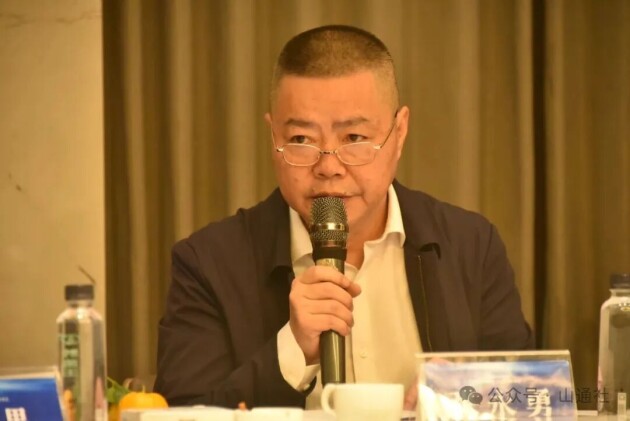
茅忠群:在中国经济转型浪潮中书写“文化引领、创新驱动”的企业答卷
Jing Ji Wang· 2026-02-02 08:13
Core Insights - The Chinese kitchen appliance industry is experiencing a mild recovery in 2025, supported by the "trade-in" national subsidy policy, but competition among existing players is intensifying, with retail sales reaching 78.9 billion yuan in the first half of the year, highlighting further industry differentiation [1] - Fotile Group has achieved annual revenue exceeding 17 billion yuan, showing a slight year-on-year increase, thereby solidifying its leading position in the high-end kitchen appliance market [1] Group 1: Company Growth and Management Philosophy - Founded in 1996, Fotile has evolved into a leading enterprise in China's kitchen appliance sector, with its growth trajectory closely aligned with China's economic cycles, manufacturing transformation, and cultural revival [1] - Chairman and CEO Mao Zhongqun emphasizes "cultural leadership and innovation-driven" as the essence of Fotile's growth over the past decade, which serves as a mature case for modern enterprise management in China [1][7] - In its early years, Fotile adopted a "professional, high-end, and boutique" strategy, investing 30 million yuan in R&D to establish a high-end brand for Chinese consumers [2] Group 2: Management System Development - Faced with management bottlenecks that led to two years of stagnation, Mao pursued an EMBA to learn Western management practices, which were then integrated into Fotile's operations [2] - Fotile became one of the first Chinese companies to adopt Western management systems, implementing tools such as 5S management, TQM, and IPD processes to transition into a modern enterprise [2] Group 3: Cultural Integration and Innovation - Recognizing the challenges of applying Western management in China, Mao sought to blend traditional Chinese culture with modern management practices, inspired by successful Japanese models [3] - Starting in 2004, Mao engaged in studies of traditional Chinese culture, laying the groundwork for the establishment of the "Fotile Culture" management system [4] - The introduction of Confucian values into the management framework helped address issues of employee behavior and compliance, fostering a culture of self-discipline [5] Group 4: Achievements and Future Goals - By 2017, Fotile became the first kitchen appliance company in China to surpass 10 billion yuan in revenue, prompting Mao to consider promoting Fotile's management model to other enterprises [6] - The company's cultural management practices have been recognized by institutions like Harvard Business School, with over 30 instances of being cited as a classic case [6] - Looking ahead, Fotile aims to establish itself as a national treasure brand, create a global development framework, and lead innovations in kitchen and family health solutions, targeting a revenue milestone of 100 billion yuan [9]

“老家河南·欢乐中国年”系列活动启动
Zheng Zhou Ri Bao· 2026-02-02 00:46
Core Viewpoint - The "Happy Chinese New Year in Hometown Henan" cultural tourism series event aims to invigorate the Spring Festival tourism market in Henan by integrating cultural resources and enhancing service experiences, thereby driving high-quality development in the province's cultural tourism industry [1]. Group 1: Event Overview - The event is themed "Returning to Henan, Tasting the Chinese New Year" and will feature a variety of activities including tourism leisure, intangible cultural heritage showcases, public performances, exhibitions, and local cuisine [1]. - The event is part of a broader initiative to promote Henan as a strong cultural tourism province, with the Henan Cultural Tourism Investment Group playing a key role in creating a unique Spring Festival tourism brand [1]. Group 2: Participating Attractions - Thirteen attractions including Silver Base International Tourism Resort, Only Henan Drama Fantasy City, and Qingming Riverside Landscape Garden will showcase their unique Spring Festival activities, ranging from immersive performances to heritage experiences [2]. Group 3: Highlights and Innovations - The event emphasizes cultural leadership by revitalizing traditional customs through modern activities such as immersive performances and heritage markets [3]. - Technological enhancements will be featured, including the "One Machine Tour Henan" smart tourism platform, AR guides, drone shows, and robot services to enrich visitor experiences [3]. - The initiative includes a "Hometown Gifts" program offering ticket discounts and a "Hometown Theater" activity encouraging visitor participation [3]. - Collaboration among local tourism departments and attractions aims to expand market reach and enhance resource sharing [3]. - Over 2,000 performances and various cultural tourism activities will be held daily across the participating attractions, along with the introduction of consumer vouchers and discounted tickets [3].
“老家河南·欢乐中国年”系列活动启动 挖掘文旅特色 激活春节市场
He Nan Ri Bao· 2026-01-31 23:37
Core Insights - The "Happy Chinese New Year in Hometown Henan" cultural tourism series will feature over 2,000 performances and activities across 13 scenic spots during the Spring Festival, along with various discount policies such as consumer vouchers and preferential annual tickets [1] Group 1: Cultural Leadership - The event aims to deeply explore traditional cultural elements through immersive performances, intangible cultural heritage markets, folk lantern festivals, and Han painting exhibitions, showcasing the vitality of ancient customs in a modern context [3] Group 2: Technological Empowerment - The "One Machine Tour Henan" smart tourism platform will enhance visitor experiences through upgraded features, including AR-guided tours, drone performances, and robot services, providing a more convenient and engaging travel experience [4] Group 3: Shared Benefits - The "Hometown Gifts" initiative will implement ticket discounts and package deals, along with the "Hometown Drama" co-creation activity, allowing visitors to engage and experience the warmth of their hometown [5] Group 4: Integrated Development - The initiative will promote collaboration among local tourism departments, key scenic spots, and various business entities to enhance resource sharing and customer flow, aiming to strengthen the Spring Festival tourism market [6]
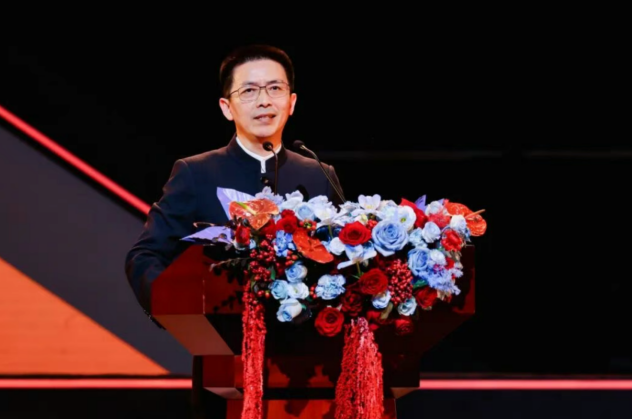
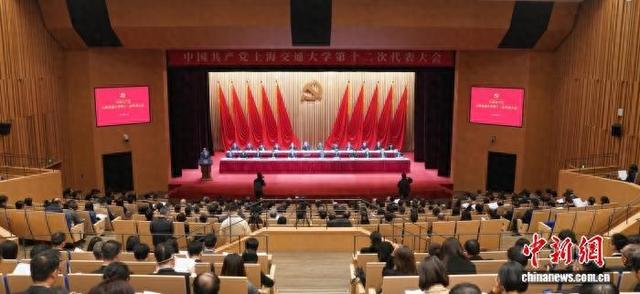
加快迈向世界一流大学前列 上海交大以新战略开启发展新周期
Xin Lang Cai Jing· 2026-01-18 06:06
Core Viewpoint - The Shanghai Jiao Tong University (SJTU) aims to become a world-class university by 2035, with a focus on academic excellence, talent cultivation, and significant contributions to national education modernization [1][3]. Strategic Goals - SJTU plans to gather influential academic masters and top talents, with several disciplines reaching world-class standards by 2035 [3]. - The university emphasizes the importance of the next five years as a critical period for breakthroughs and development [3]. Six Strategic Initiatives - **Talent-Centric Strategy**: Implement a dual-cycle approach for talent acquisition and cultivation, fostering a high-quality innovative talent pool [4]. - **Cross-Disciplinary Innovation**: Break down disciplinary barriers to enhance interdisciplinary collaboration and align with national strategic needs [4]. - **Open Exchange Strategy**: Promote international academic exchanges and collaborations, participating in global scientific initiatives [4]. - **Digital Integration Strategy**: Leverage emerging technologies like AI to enhance education, research, and management services [4]. - **Cultural Leadership Strategy**: Strengthen cultural heritage and values, enhancing the sense of responsibility and progress among the university community [5].
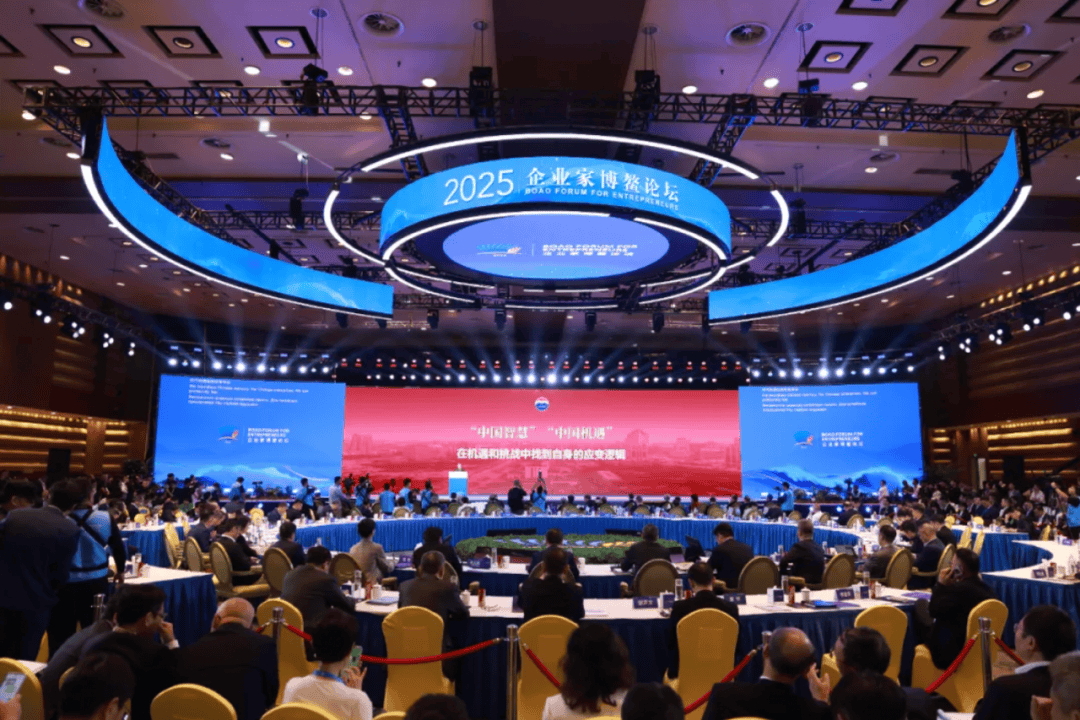
机遇与挑战:陈华博鳌纵论历史经典产业发展的产业逻辑、商业逻辑、内在逻辑与发展逻辑
Sou Hu Cai Jing· 2025-12-04 16:42
Core Viewpoint - The speech by Chen Hua at the 2025 China Entrepreneur Boao Forum emphasizes the need for historical classic industries, such as Maotai, to adapt to opportunities and challenges through a logical framework that includes industry logic, business logic, internal logic, and development logic [1][6]. Industry Logic - The industry must adhere to the principle of "guarding tradition while innovating" to modernize. This involves maintaining traditional charm while enhancing modern vitality, particularly for historical classic industries like liquor production, which embody unique craftsmanship and culture [6][7]. Business Logic - The industry should follow the "supply-demand adaptation" principle to promote marketization. This includes better meeting new consumer demands and leading the creation of new supply, especially as the domestic market potential continues to grow [7][8]. Internal Logic - The "cultural leadership" principle is crucial for accelerating internationalization. Historical classic industries play an irreplaceable role in cultural exchange and cooperation, necessitating efforts to promote cultural exports and integrate into international markets [8][9]. Development Logic - The "coexistence and sharing" principle ensures sustainable development. Historical classic industries must take on greater responsibilities, creating social value while harmonizing with nature and sharing development with society and stakeholders [9][10]. Event Highlights - The 2025 China Entrepreneur Boao Forum, held from December 2 to 5, gathered representatives from various sectors to discuss transforming consensus into cross-border cooperation and industrial upgrades, contributing to the establishment of a modern industrial system [2][4]. - The forum featured a Maotai cultural and product display area, showcasing the unique charm of Maotai culture and product quality [12]. - The "China Maotai·National Pillar" public welfare brand was recognized for its contributions to education and social responsibility, having donated over 1.4 billion yuan to the China Youth Development Foundation since 2012 [16].

构建医疗卫生强基工程全链条人才培养机制 推进健康中国建设
Jing Ji Guan Cha Wang· 2025-11-27 22:54
Core Viewpoint - The rural revitalization strategy emphasizes the importance of healthcare services as a core pillar for improving the quality of life in rural areas, addressing the challenges faced by rural healthcare systems, and enhancing the overall development process of rural revitalization [1][11]. Group 1: Talent Development Mechanisms - Targeted training is essential for building a healthcare workforce in rural areas, addressing issues of recruitment and retention by aligning training with actual job demands [2]. - A comprehensive training model should focus on practical skills relevant to rural healthcare needs, including common disease management, public health, and communication skills with local residents [2][3]. - Establishing a multi-faceted collaborative education ecosystem involving educational institutions, healthcare organizations, and government bodies is crucial for effective talent cultivation [3][4]. Group 2: Continuous Learning and Capacity Building - A full-cycle empowerment system is necessary to ensure the quality of rural healthcare services, encompassing pre-employment training, on-the-job training, and career advancement opportunities [5][6]. - On-the-job training should be tailored to local healthcare needs, combining general training with personalized modules to enhance professional skills [6]. Group 3: Retention Strategies - A multi-dimensional retention mechanism is vital for ensuring healthcare professionals remain in rural areas, focusing on salary, career development, work environment, and social recognition [7][8][9]. - Improving working conditions and providing adequate resources and support can enhance job satisfaction and retention rates among rural healthcare workers [8]. Group 4: Cultural and Community Engagement - Creating a supportive cultural environment is essential for fostering a sense of belonging and commitment among healthcare professionals in rural areas [10]. - Promoting a culture of service and excellence in rural healthcare can motivate professionals to engage in community health initiatives and volunteer services, enhancing their sense of purpose and recognition [10]. Group 5: Systematic Approach to Talent Management - The construction of a systematic talent cultivation mechanism is a comprehensive effort that requires precise supply through targeted training, collaborative empowerment, continuous capacity building, retention support, and cultural guidance [11].
张永勇:于道文化中寻根 开放包容中淬炼
Zhong Guo Shi Pin Wang· 2025-11-13 07:07
Core Viewpoint - The meeting aimed to gather insights from experts and scholars to guide the development strategy and cultural construction of Yongmai Group, focusing on ecological services and consumer cultural services in the sauce-flavor liquor market [2][15]. Group Development History - Yongmai Group evolved from Yongjiang Liquor Industry Company established in 1998, comprising various subsidiaries focused on sauce-flavor liquor and the 1915 Panama-Pacific International Exposition cultural industry [4][5]. - The chairman has a diverse background in education, culture, and liquor production, emphasizing the importance of cultural and ecological leadership in the liquor industry [5][7]. Cultural and Ecological Initiatives - The establishment of the Sauce-Flavored Liquor Craft Inheritance Training School has trained over 10,000 workers, with certifications for various roles in the industry [7][9]. - A professional liquor product appraisal company was founded to provide quality assessments and legal documentation for liquor assets, aiding in financial transactions and risk management [9][10]. - The company is developing a supply chain service to enhance efficiency in the sauce-flavor liquor industry, although it currently lacks the necessary financial strength to fully implement this service [10][12]. 1915 PPIE Sauce-Flavored Liquor Project - The 1915 PPIE Sauce-Flavored Liquor project aims to establish a cultural foundation and market strategy, integrating ecological functions to enhance market presence [15][16]. - The project includes various business formats that focus on deep cultural experiences, educating consumers about liquor quality and value [16][25]. Cultural Confidence and Heritage - The company emphasizes the importance of Chinese cultural roots and aims to avoid negative competition by adhering to traditional values and quality standards [12][21]. - A cultural research institute will be established to explore and promote traditional Chinese culture, ensuring it remains dynamic and relevant [23][26]. Strategic Vision - Yongmai Group's strategy aligns with national goals for high-quality development in historical industries, viewing sauce-flavor liquor as a cultural carrier of Chinese wisdom and craftsmanship [25][26]. - The company plans to leverage international platforms like the 1915 PPIE to promote Chinese culture and lifestyle globally, contributing to cultural confidence [26][28].