
白银行业

Search documents
突发!黄金直线拉升,突破5200美元;白银站上90美元,国投白银LOF大涨超9%|金银价格
Mei Ri Jing Ji Xin Wen· 2026-02-25 06:12
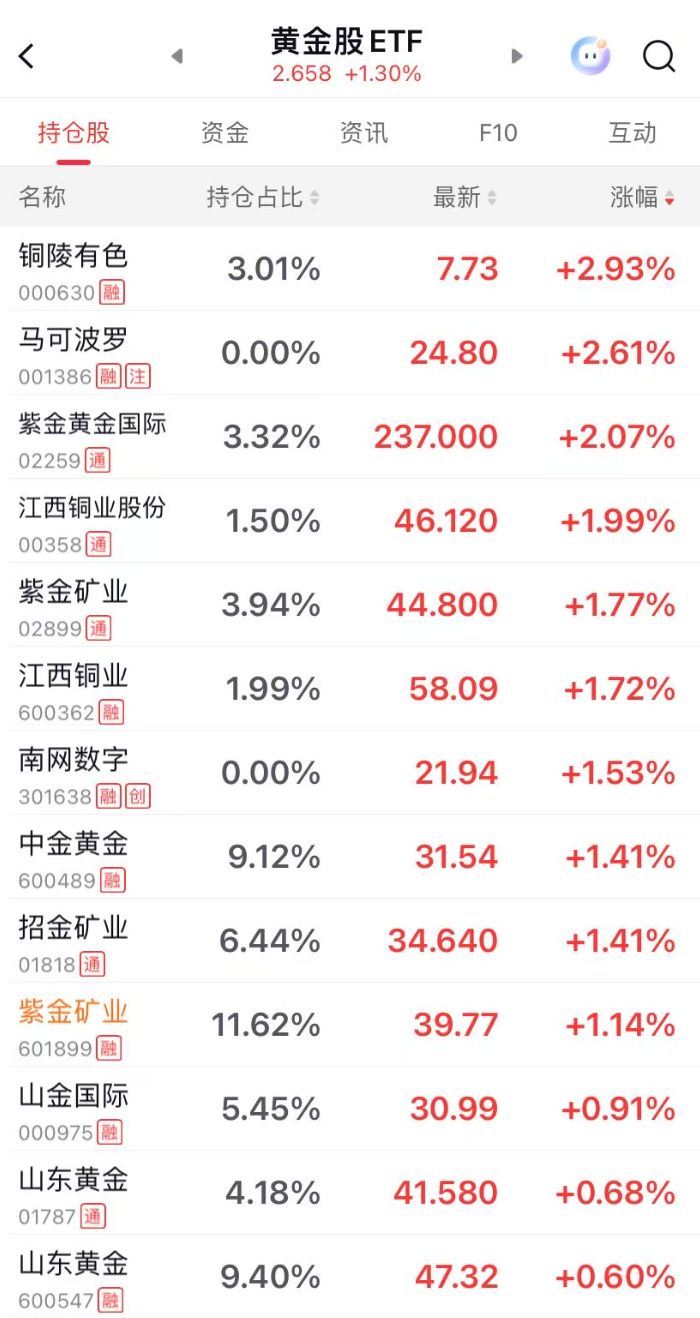
Core Viewpoint - On February 25, both gold and silver prices experienced significant increases, with gold surpassing $5200 per ounce and silver exceeding $90 per ounce, indicating a strong bullish trend in precious metals [1][3]. Group 1: Gold Market - As of the report, the spot gold price rose by 1.38%, breaking the $5200 per ounce mark [1]. - A notable increase in A-share gold stocks was observed, reflecting positive market sentiment towards gold investments [1]. - Key gold stocks such as Zijin Mining and Zhongjin Gold showed respective increases of 1.77% and 1.41% [2]. Group 2: Silver Market - The spot silver price surged over 4%, reaching above $90 per ounce, with the Shanghai Futures Exchange's main silver contract rising by 5% to 23138 yuan per kilogram [3]. - The National Investment Silver LOF saw a significant increase of over 9%, indicating strong investor interest in silver [4].


香港第一金:2026年国际现货白银展望 利多利空的年度总结
Sou Hu Cai Jing· 2026-02-23 16:37
Core Viewpoint - The performance of silver and gold in 2026 is uncertain, with silver potentially experiencing significant volatility and price fluctuations, influenced by various market factors [1][3]. Group 1: Factors Influencing Silver Prices - Positive factors include a global silver supply shortage, with the market experiencing five consecutive years of supply deficits, leading to increased demand and potential price surges [3]. - The industrial demand for silver is expanding beyond traditional uses, as it is now essential in sectors like electric vehicles and photovoltaic technology, positioning silver as a strategic material [3]. - Silver's price volatility is expected to be higher than gold's, with predictions suggesting that silver could reach $150 per ounce in 2026, outperforming gold [3]. Group 2: Risks and Concerns - The rapid price increase of silver, which has risen nearly ninefold since 2020, raises concerns about a potential market correction, especially after a significant drop from $120 per ounce [4][5]. - The sustainability of industrial demand is questioned, as high prices may lead manufacturers to seek alternative materials, potentially dampening future demand [5]. - Changes in U.S. Federal Reserve leadership and monetary policy could impact precious metals, with a hawkish stance potentially slowing central bank purchases of gold and affecting silver's market performance [5][6]. Group 3: Market Dynamics and Strategy - The silver futures market has adjusted trading limits and margin requirements, indicating heightened volatility and the need for cautious trading strategies [5]. - Investors are advised to maintain strict stop-loss measures and be prepared for significant price swings, emphasizing the importance of risk management in trading silver [6]. - Key turning points to monitor include the Federal Reserve's policy direction post-leadership change and the gold-silver ratio, which is currently at a historically low level, indicating silver's relative pricing dynamics [6].
国泰海通|有色:白银:不可或缺的AI金属——白银行业深度专题
国泰海通证券研究· 2026-02-23 14:31
Core Viewpoint - Silver possesses both financial and commodity attributes, with its price direction primarily determined by financial factors while commodity attributes provide price elasticity [2] Group 1: Silver's Attributes and Market Dynamics - Silver's industrial demand has risen to nearly 60%, with emerging sectors like photovoltaics, electric vehicles, and artificial intelligence driving growth [1] - The global liquidity environment is loose, allowing silver to act as a safe-haven asset alongside gold, creating a strong correlation between the two [1] - Historical data shows that during periods of economic recovery or liquidity abundance, silver's industrial properties become more pronounced, often leading to greater price increases compared to gold [2] Group 2: Supply and Demand Factors - The global silver supply is constrained, with independent silver mining capacity accounting for less than 30%, and production growth hampered by declining ore grades and stringent environmental policies [2] - The global silver supply is projected to grow slowly, with major production coming from by-products of copper, lead, and zinc mining, which constitutes over 70% of total silver output [2] - Since 2021, a persistent supply-demand gap has been noted, particularly driven by industrial demand in new technologies [3] Group 3: Investment Outlook - Expectations of continued Federal Reserve interest rate cuts and a weaker dollar are likely to enhance silver's financial attributes, supporting a long-term supply gap that could drive prices higher [3] - Rising silver prices are expected to directly benefit mining companies, particularly those with high-grade silver resources [3]

黄金、白银,集体大跌!
Sou Hu Cai Jing· 2026-02-17 09:58
Group 1 - The current spot gold price is reported at $4920.092 per ounce, reflecting a daily decline of 1.42% [1][4] - The spot silver price is reported at $74.62 per ounce, with a daily drop of 2.56% [1][4] - Major markets are closed due to traditional holidays, leading to light trading in the precious metals market [4] Group 2 - Domestic gold jewelry prices remain around 1500 RMB per gram, with specific brands like Chow Tai Fook priced at 1529 RMB per gram and Chow Sang Sang at 1520 RMB per gram [6][9] - The gold price for various categories includes 1529 RMB per gram for gold jewelry and 1342 RMB per gram for gold bars [7][8] - The year-to-date performance shows gold maintaining a gain of approximately 15%, while silver's gain has reduced to around 6% from over 50% earlier in the year [15]

贵金属进入"高波动阶段",资金策略转向波段操作
Di Yi Cai Jing· 2026-02-08 11:11
Core Viewpoint - The precious metals market is experiencing significant volatility, with a shift in investment strategies from long-term allocation to short-term trading, leading institutions to warn of an impending consolidation phase in the coming weeks [1][5]. Group 1: Market Volatility - The past week saw extreme fluctuations in the precious metals market, with London gold spot prices showing a maximum intraday price difference of around $300 per ounce, and silver experiencing 11 instances of over 5% volatility within seven trading days, resulting in a monthly volatility rate exceeding 100% [2]. - Gold ETFs faced substantial redemptions, with seven ETFs linked to the SGE gold 9999 index shrinking by over 22 billion yuan in total during the week [2][3]. - Speculative positions in COMEX gold futures decreased significantly, with net long positions dropping by 27,983 contracts to 93,438 contracts, indicating a shift in market sentiment [3]. Group 2: Regulatory Changes and Market Sentiment - The Chicago Mercantile Exchange has raised margin requirements for silver futures seven times since December 2025, with the latest increase on February 5, reflecting heightened volatility and signaling potential market turning points [4]. - Analysts from various institutions have lowered short-term expectations for precious metals, warning investors of potential further sell-offs, particularly in gold and silver [6]. Group 3: Long-term Outlook - Despite short-term volatility, the long-term fundamentals for gold remain strong, supported by limited supply and ongoing increases in central bank gold reserves, with China's official gold reserves rising to 74.19 million ounces as of January 2026 [7]. - Factors such as de-globalization, a weakening dollar, and continuous accumulation of gold by global central banks provide structural support for gold prices in the long run [7].
金银周报-20260208
Guo Tai Jun An Qi Huo· 2026-02-08 10:04
1. Report Industry Investment Rating There is no information about the report industry investment rating in the given content. 2. Core Viewpoints of the Report - Gold is expected to stabilize in a volatile manner, while silver requires attention to spot market changes. The strength analysis indicates a neutral stance for both gold and silver. The price ranges are 1050 - 1150 yuan/gram for gold and 18000 - 25000 yuan/kilogram for silver [3][5]. - The long - term logic for gold remains solid, but there is a lack of short - term drivers around the Chinese New Year, resulting in a wedge - shaped oscillatory convergence pattern in prices. The adjustment of gold is considered relatively sufficient, and the possibility of further decline is low [4]. - For silver, the feedback from the fundamentals after the price drop this week is the core for subsequent price judgment. The contradiction of the tight spot structure is expected to continue until the second quarter. There is still potential for an increase in silver prices, but it depends on factors such as continued retail speculation, pre - April export rush, and no further inventory reduction in the US. There is a trend - based decline opportunity for silver if a second peak appears in the second quarter [5]. 3. Summary According to Relevant Catalogs 3.1 Transaction Aspect (Price, Spread, Inventory, Capital, and Position) 3.1.1 Overseas Spot - Futures Price Spread - Gold: This week, the spread between London spot gold and COMEX gold主力 rebounded to - 21.99 US dollars/ounce, and the spread between COMEX gold continuous and COMEX gold主力 was - 30.1 US dollars/ounce [11]. - Silver: This week, the spread between London spot silver and COMEX silver主力 rebounded to 0.225 US dollars/ounce, and the spread between COMEX silver continuous and COMEX silver主力 was - 0.76 US dollars/ounce [17]. 3.1.2 Domestic Spot - Futures Price Spread - Gold: This week, the domestic gold spot - futures price spread was 1.37 yuan/gram, at the lower end of the historical range [20]. - Silver: This week, the domestic silver spot - futures price spread was - 602 yuan/gram, at the upper end of the historical range [22]. 3.1.3 Inter - month Spread - Gold: This week, the gold inter - month spread was 6.92 yuan/gram, at the upper end of the historical range [26]. - Silver: This week, the silver inter - month spread was 476 yuan/gram, at the lower end of the historical range [29]. 3.1.4 Cross - month Positive Arbitrage Delivery Cost - Gold: The total cost of cross - month positive arbitrage delivery for buying TD and selling Shanghai gold was 26.74 yuan/gram; for buying Shanghai gold December contract and selling June contract, it was 7.38 yuan/gram [31][32]. - Silver: The total cost of cross - month positive arbitrage delivery for buying TD and selling Shanghai silver was 343.18 yuan/kilogram; for buying Shanghai silver December contract and selling June contract, it was 418.60 yuan/kilogram [33][34]. 3.1.5 Delivery Direction of Deferred Fees for Gold and Silver Spot at Shanghai Gold Exchange This week, for gold at the Shanghai Gold Exchange, the deferred fee was mainly paid from long to short, indicating stronger delivery power; for silver, it was mainly paid from short to long, indicating stronger receiving power [35]. 3.1.6 Inventory and Position - to - Inventory Ratio - Gold: This week, the COMEX gold inventory decreased by 11 tons, and the proportion of registered warrants rebounded to 51.9%. The domestic gold futures inventory increased by 1.02 tons [37][42]. - Silver: This week, the COMEX silver inventory decreased by 353 tons to 12270 tons, and the proportion of registered warrants declined to 26%. The domestic silver futures inventory decreased by 105 tons to 350 tons [39][42]. 3.1.7 CFTC Non - commercial Positions This week, the non - commercial net long position of COMEX CFTC gold decreased slightly, and the non - commercial net long position of silver also decreased slightly [44]. 3.1.8 ETF Positions - Gold: This week, the inventory of the gold SPDR ETF decreased by 10.87 tons, and the domestic gold ETF decreased by 2.4 tons [47]. - Silver: This week, the position of the silver SLV ETF increased by 667 tons [51]. 3.1.9 Gold - Silver Ratio This week, the gold - silver ratio rebounded from 47 in the previous week to 66.27 [53]. 3.1.10 COMEX Gold Delivery Volume and Gold - Silver Lease Rates This week, the 3 - month gold lease rate was - 0.05%, and the 3 - month silver lease rate was 5.74% [55]. 3.2 Core Drivers of Gold 3.2.1 Gold and Real Interest Rates This week, the correlation between gold and real interest rates recovered, and the 10Y TIPS continued to decline [60].
2026年白银是否还会涨价?机构分歧下的走势拆解与投资参考
Sou Hu Cai Jing· 2026-02-05 11:14
Core Viewpoint - The silver market in 2026 is characterized by extreme volatility, with significant price fluctuations driven by supply-demand imbalances, macroeconomic factors, and geopolitical risks. Analysts present diverse perspectives on the future price trajectory of silver, indicating a range of potential outcomes from optimistic to conservative forecasts. Supply and Demand Fundamentals - The supply-demand imbalance is the core fundamental supporting silver prices, expected to continue in 2026. Global silver production is projected to decline by 0.6% year-on-year, marking the fifth consecutive year of decrease. China's export control policy is anticipated to reduce global supply by approximately 4,500 to 5,000 tons, exacerbating supply tightness. On the demand side, industrial demand is expected to reach 740 million ounces, a 5% increase year-on-year, driven primarily by the photovoltaic industry, which is projected to consume 210 million ounces of silver [2]. Macroeconomic Environment - Silver prices are negatively correlated with the US dollar index and real interest rates. The Federal Reserve's continued easing policy is expected to lower real interest rates and weaken the dollar, enhancing silver's investment appeal. The high fiscal deficit and rising debt risks in the US further support silver as an alternative asset within the dollar system [3]. Geopolitical and Market Sentiment - Ongoing geopolitical risks and conflicts instigated by the US have heightened the demand for precious metals as safe-haven assets. The low inventory levels in the London Bullion Market Association (LBMA) make the market sensitive to capital flows, potentially leading to rapid price increases. Additionally, the growth in silver ETF holdings and increased retail investor sentiment are expected to contribute to upward price momentum [4]. Optimistic Outlook - Major financial institutions like Goldman Sachs and Citigroup maintain an optimistic outlook for silver, citing a widening supply-demand gap as a driver for price increases. Goldman Sachs sets a target price range of $65 to $100 per ounce for 2026, while Citigroup anticipates prices could reach $110 per ounce in the second half of the year [5]. Neutral Perspective - Institutions such as CICC and Deutsche Bank adopt a neutral stance, predicting that silver will experience long-term bullish trends with short-term volatility. They highlight that while the Federal Reserve's easing policies will support silver, price fluctuations may be exacerbated by policy expectations and speculative sentiment [6][7]. Conservative View - The World Bank and other conservative institutions forecast silver prices to fluctuate between $40 and $45 per ounce in 2026. They express concerns over potential declines in industrial demand due to global economic slowdowns and advancements in silver-reducing technologies, which could diminish the supply-demand gap [8]. Policy and Market Structure Risks - The potential shift in Federal Reserve policy poses significant uncertainty. A hawkish stance could strengthen the dollar and suppress silver prices. Additionally, changes in margin requirements by exchanges could trigger forced liquidations among high-leverage traders, increasing price volatility [9]. Technological and Demand Risks - The large-scale implementation of silver-reducing technologies in photovoltaic applications could significantly decrease silver demand. Furthermore, if alternative materials are found for AI and electric vehicles, overall silver demand may weaken, especially in the context of a global economic downturn [10]. Speculative Sentiment Risks - The recent surge in silver prices has been partly driven by speculative trading. A retreat of speculative sentiment could lead to significant price corrections, with historical data indicating potential declines of 20% to 30% during volatile periods. Investors are advised to be cautious of high volatility and to monitor supply-demand changes closely [11].
最新!智研咨询发布《2026年中国白银行业市场供需现状及发展趋势研判报告》
Chan Ye Xin Xi Wang· 2026-02-03 06:14
Group 1 - Silver is a naturally occurring white metal with strong conductivity, ductility, and thermal conductivity, and it has significant corrosion resistance [1] - The upstream of the silver industry chain involves mineral mining and recycling, with silver primarily extracted as a byproduct from copper, lead, and zinc mining, as well as from recycling electronic waste [1] - The midstream includes the smelting, refining, and primary processing of silver, while the downstream encompasses end-use applications and investment sectors [1] Group 2 - Silver's industrial properties have surpassed its financial attributes, with industrial consumption projected to account for 59% of global silver demand by 2025, while physical investment and jewelry consumption will only represent 17.8% and 17.1% respectively, totaling less than 35% [1] - Since 2021, the global silver market has been in a structural deficit, with a supply-demand gap of 7,762 tons in 2022, which is expected to narrow to 3,660 tons by 2025 [1] - The cumulative effect of supply-demand imbalance is leading to rapid depletion of physical inventories [1] Group 3 - Silver prices have been on a strong upward trend, reaching historical highs; as of January 22, 2026, the London silver spot price peaked at $95.41 per ounce, a 33% increase from the end of December 2025 [1] - The New York Mercantile Exchange's latest closing price for silver reached $95.96 per ounce, while the price for silver 2 in the Changjiang Nonferrous Metals market was 22,940 yuan per kilogram, a 24% increase from the end of 2025 [1] - The recent surge in silver prices is attributed to three main factors: supply-demand structural imbalance, increased industrial demand, and the strengthening of its financial attributes [1]

黄金白银黑天鹅!行情还有多久才会止跌?
Sou Hu Cai Jing· 2026-02-03 02:07
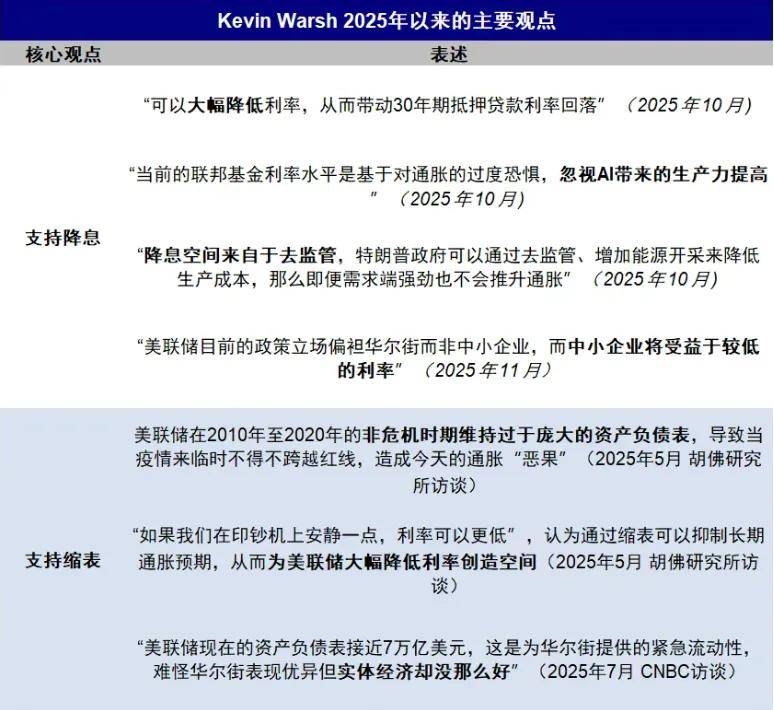
Group 1 - Gold prices have dropped to a low of $4,400, and silver to $71.3, effectively erasing their gains for the year and returning to the upper range of the fluctuation period from October to December 2025 [1] - The market panic is primarily due to the nomination of Kevin Warsh as the new Federal Reserve Chairman, who advocates for "balance sheet reduction" as a means to combat inflation [1] - Warsh believes that the Federal Reserve's excessive money printing is the root cause of inflation, and he supports reducing regulations and increasing energy production to lower production costs [2][2] Group 2 - If the Federal Reserve aggressively reduces its balance sheet, it could lead to a decline in the stock market, as evidenced by a 1.5% drop in the Nasdaq futures [3] - The dollar index has shown some rebound, but it has not returned to its high from January 19, indicating that the dollar is not strengthening significantly [5] - The recent correction in gold and silver prices is attributed to a technical adjustment after previous overextensions, rather than a fundamental shift in market dynamics [7] Group 3 - The decline in risk appetite across the market has led to significant drops in various sectors, with only weaker-performing sectors like liquor and banking showing resilience [8] - There are signs of a potential stabilization in housing prices in major cities like Beijing, Shanghai, Guangzhou, and Shenzhen, driven by pent-up demand from families needing to buy homes for school admissions [10][15] - The rapid decrease in second-hand housing listings indicates a reduction in selling pressure, as some individuals prefer to hold onto properties for rental income rather than selling them [13][15]
中国白银集团股东将股票由大华继显(香港)转入富途证券国际香港 转仓市值7870.52万港元
Zhi Tong Cai Jing· 2026-02-03 00:45
Core Viewpoint - China Silver Group (00815) has successfully completed the subscription of 55 million shares under Subscription Agreement E, raising approximately HKD 24.69 million after expenses [1] Group 1: Shareholder Movements - On February 2, China Silver Group's shares were transferred from Dahua Jiexian (Hong Kong) to Futu Securities International Hong Kong, with a market value of HKD 78.7052 million, representing 3.7% of the company [1] Group 2: Subscription Agreement Details - The remaining consideration of HKD 24.75 million under Subscription Agreement E has been obtained, corresponding to the subscription of 55 million shares [1] - The subscription of the 55 million shares represents approximately 1.84% of the company's issued share capital before the completion of the remaining subscription matters and about 1.81% after the completion [1] - The shares were issued at a subscription price of HKD 0.45 per share [1]