零售电商

Search documents
冬海集团:GMV 与利润率的权衡将持续
citic securities· 2026-03-04 07:47
Investment Rating - The report maintains a positive outlook on Sea Group, indicating a strong GMV growth forecast of 25% for 2026, despite a lower profit margin guidance of 0.6% [3]. Core Insights - Sea Group's Q4 2025 performance showed mixed results, with Shopee's GMV slightly exceeding expectations at $36.7 billion, but the adjusted EBITDA margin of 0.55% fell short [3]. - The management's guidance for 2026 suggests a focus on growth over profitability, with a projected adjusted EBITDA not lower than 2025 levels [3]. - Garena's performance remained resilient, with a 24% year-on-year increase in bookings, although a 20% quarter-on-quarter decline was noted due to previous promotional activities [3]. Summary by Relevant Sections Financial Performance - Sea Group reported a net profit of $411 million, aligning with expectations, driven by Shopee's GMV growth and Garena's business performance [3]. - Shopee's revenue reached $5 billion, with a slight increase in monetization rate to 13.5%, although the adjusted EBITDA margin weakened to 0.6% [3]. - Monee's loan portfolio expanded significantly to $9.2 billion, with a stable non-performing loan rate of 1.1% [10]. Business Segments - E-commerce accounted for 68.9% of total revenue, while digital entertainment and financial services contributed 16.6% and 13.5%, respectively [7]. - The geographical revenue breakdown shows 81.7% from Asia, 17.5% from the Americas, and minimal contributions from other regions [7]. Market Position and Competitive Landscape - The report highlights that Garena's game development will be a key catalyst for valuation improvement, while market consolidation in e-commerce may benefit Shopee [4]. - The competitive landscape includes threats from new entrants like TikTok in the e-commerce space, and the online gaming sector faces uncertainties due to changing consumer preferences and technological advancements [5].

跨界AI搜索,美团Tabbit公测,或是“一石二鸟”之计?
3 6 Ke· 2026-03-03 11:18
Core Insights - The article discusses the launch of Tabbit, an AI search product by Meituan, which aims to transform web browsing into an active intelligent assistant for users, targeting office workers, students, and creators [1][2]. Group 1: Product Overview - Tabbit integrates web browsing, search, AI dialogue, and complex task execution, distinguishing itself by focusing on post-search actions rather than just search capabilities [1]. - Developed by Meituan's "Beyond Light Year" team, Tabbit is supported by Meituan's acquisition of the team for approximately 2.065 billion yuan in June 2023 [2]. - The product connects with Meituan's LongCat-Flash-Chat language model and other major domestic models, enabling it to perform complex web operations like data extraction and form filling [2]. Group 2: Market Positioning - The AI search sector has become a competitive focus for tech giants, with Tabbit entering a market already populated by players like Perplexity, OpenAI, and Microsoft [1]. - Experts suggest that if AI search becomes a new super entry point for local life services, its commercial value could extend beyond advertising and commissions, potentially reshaping the entire retail e-commerce infrastructure [1][3]. Group 3: User Experience and Applications - Tabbit is designed to assist users in various tasks, such as online shopping, by automating processes like product searches and price comparisons [3]. - The interface features a vertical tab bar for better organization and intelligent categorization of tabs, enhancing user experience [2]. Group 4: Strategic Implications - The launch of Tabbit may serve dual purposes: expanding Meituan's presence in the tech sector and integrating with its local life services [4]. - Meituan's strategy includes three layers of AI development: AI infrastructure, AI in work, and AI in products, with Tabbit potentially enhancing the local life business segment [4]. Group 5: Future Market Potential - The instant retail market in China is projected to reach 971.4 billion yuan by 2025 and exceed 1 trillion yuan in 2026, indicating a vast opportunity for Tabbit if integrated with instant retail services [6][7]. - Experts believe that while technical integration of Tabbit with local life services is feasible, cultivating user habits will require time [7].

天音控股(000829.SZ):预计2025年净亏损1900万元-2700万元
Ge Long Hui A P P· 2026-01-29 13:35
Core Viewpoint - Tianyin Holdings (000829.SZ) forecasts a revenue of 86 billion to 92 billion yuan for the fiscal year 2025, representing a year-on-year growth of 2.33% to 9.47%. However, the company expects a net loss attributable to shareholders of 27 million to 19 million yuan, compared to a profit of 31.18 million yuan in the same period last year. The adjusted net loss, excluding non-recurring items, is projected to be between 71 million and 50 million yuan, an improvement from a loss of 101.18 million yuan in the previous year [1]. Revenue Summary - The anticipated revenue growth is primarily driven by the retail e-commerce segment, which has expanded through the introduction of new brands and categories, multi-channel platform development, and continuous market expansion efforts [1]. Profit Summary - The reduction in adjusted net loss is attributed to a slight profit increase in the retail e-commerce business during 2025, indicating some operational improvements despite the overall loss [1].

天音控股:预计2025年度净利润亏损1900万元~2700万元
Mei Ri Jing Ji Xin Wen· 2026-01-29 12:17
Group 1 - The company Tianyin Holdings announced an earnings forecast on January 29, expecting a net loss attributable to shareholders of 19 million to 27 million yuan for 2025, a shift from profit to loss year-on-year [1] - The basic earnings per share are projected to be a loss of 0.0263 yuan to 0.0185 yuan, compared to a profit of 0.0304 yuan in the same period last year [1] - The increase in operating revenue compared to the previous year is primarily due to the growth of the company's retail e-commerce business, which has expanded through the introduction of new brands and categories, as well as diversifying platform channels [1] Group 2 - The net profit after deducting non-recurring gains and losses is expected to show a reduced loss compared to the previous year, mainly due to a slight increase in profits from the retail e-commerce business in 2025 [1]
天音控股:预计2025年全年净亏损1900万元—2700万元
2 1 Shi Ji Jing Ji Bao Dao· 2026-01-29 12:07
Core Viewpoint - Tianyin Holdings has announced an annual performance forecast indicating a projected net loss attributable to shareholders of the listed company ranging from 19 million to 27 million yuan for the year 2025, with a net loss excluding non-recurring gains and losses expected to be between 71 million and 50 million yuan [1] Group 1: Revenue and Profit Analysis - The increase in operating revenue compared to the same period last year is primarily attributed to the company's retail e-commerce business, which has seen revenue growth through the introduction of new brands and categories, multi-dimensional expansion of platform channels, and continuous market growth [1] - The reduction in net loss excluding non-recurring gains and losses compared to the previous year is mainly due to a slight profit increase in the retail e-commerce business in 2025 [1]
微盟推出“AI试衣”赋能零售电商,搭载千问大模型构筑AI应用层护城河
Xin Lang Cai Jing· 2026-01-27 05:20
Core Viewpoint - The introduction of the "AI fitting" solution by Weimob Group aims to address the high return rates and low conversion rates faced by the retail e-commerce sector, particularly in the apparel industry, by providing an immersive shopping experience through AI technology [1][2][5]. Group 1: AI Fitting Solution - Weimob's AI fitting solution integrates Alibaba's Qianwen large model and Weimob's self-developed clothing recognition model, offering capabilities such as "realistic fitting effects" and "intelligent outfit recommendations" [1][2][3]. - The solution targets the pain points of consumers' purchasing decisions and aims to enhance conversion efficiency while reducing return rates for retailers [1][2][5]. - The AI fitting feature allows consumers to upload personal photos for real-time clothing matching, with plans to connect this capability to retail clients' sales agents for improved customer insights and recommendations [2][10]. Group 2: Industry Challenges - The apparel e-commerce sector faces significant challenges, with return rates for women's clothing reaching 50% to 60%, and even up to 80% for live-streamed sales, which severely impacts brand revenues [2][10]. - Traditional online shopping lacks fitting experiences, leading to issues such as inconsistent sizing and product mismatches, which contribute to high return rates [2][10]. Group 3: Competitive Advantage - Weimob leverages its deep industry know-how and extensive merchant ecosystem to differentiate itself in the AI fitting space, focusing on understanding retail scenarios and customer needs [3][11]. - The company has improved its clothing recognition accuracy from 50% to over 95% through its self-developed model, significantly enhancing user experience and reducing operational costs for merchants [3][11][12]. Group 4: AI Application Value - The current AI application landscape is experiencing explosive growth, shifting focus from computational power to application value, with SaaS companies like Weimob emerging as key players in realizing AI's commercial potential [5][13]. - Weimob's continuous application and iteration of AI large models have led to the development of a comprehensive AI product matrix centered around AI agents, enhancing customer engagement and lifecycle value [5][14]. Group 5: Future Prospects - Weimob's AI fitting function represents a significant step in integrating AI technology into the retail sector, showcasing its potential to solve core industry pain points and enhance productivity [7][15]. - As competition in the AI application layer intensifies, Weimob is well-positioned to achieve a new round of value reassessment due to its multi-scenario layout and proven merchant effectiveness [7][15].
微盟集团:基于千问大模型推出“AI试衣”解决方案,拓展AI应用场景
Jin Rong Jie· 2026-01-27 02:41
Core Insights - The article highlights the launch of "AI fitting" solutions by Weimob Group, aimed at enhancing the online shopping experience for apparel brands and retailers through AI technology [1][2] - The AI fitting solution addresses key pain points in the retail apparel sector, such as high return rates and low conversion rates, by providing a realistic virtual fitting experience [2][5] - Weimob's collaboration with Alibaba Cloud and its proprietary clothing recognition model positions it as a leader in the AI application space within the retail sector [3][4] Group 1: AI Fitting Solution - Weimob's AI fitting solution integrates Alibaba's Qianwen model and its own clothing recognition model, offering features like realistic fitting and intelligent outfit recommendations [1][3] - The solution aims to reduce the high return rates in the apparel sector, which can reach 50%-60% for women's clothing and up to 80% for live-streamed sales [2] - The AI fitting capability is expected to enhance conversion rates and improve overall business performance for retailers [1][2] Group 2: Industry Positioning and Strategy - Weimob has developed a differentiated competitive path in the AI fitting space by leveraging its industry know-how and proprietary technology [3][4] - The company aims to create a complete data loop that enhances model optimization and builds a competitive moat in the fitting experience [4] - As AI applications gain traction, Weimob is positioned to benefit from the shift in investment focus from foundational models to application value [5][7] Group 3: Future Developments and Market Potential - Weimob is expanding its AI application ecosystem, with plans to introduce various AI products and solutions tailored for different market segments [6] - The company is transitioning from a digital service provider to a smart commercial technology service provider, enhancing customer engagement and lifetime value [6][7] - The successful implementation of AI fitting solutions is expected to lead to a new round of value reassessment for Weimob in the market [7]
小米副董事长拟套现不超20亿美元;追觅科技年终全体员工奖黄金;爱奇艺回应男子充25年会员退费难丨邦早报
创业邦· 2025-12-29 00:08
Group 1 - Xiaomi's Vice Chairman Lin Bin plans to sell up to $2 billion of his shares starting December 2026, aiming to establish an investment fund focused on emerging technologies and sports [3] - IBM's former CEO Lou Gerstner passed away at 83, credited with transforming the company from hardware to services, increasing its stock price from $13 to $80 and market cap from $29 billion to approximately $168 billion during his tenure [4] - ZhiMi Technology has achieved a compound annual growth rate exceeding 100% for six consecutive years, rewarding employees with gold as a bonus due to its explosive growth [6] Group 2 - A U.S. judge ruled that Apple can continue selling its smartwatches in the U.S. despite a patent dispute with Masimo, allowing Apple to import and sell its updated smartwatch designs [7] - Coupang's founder apologized for a data breach affecting customer information and promised to announce a compensation plan [9] - Tesla CEO Elon Musk expressed concerns over the recent surge in silver prices, which have risen over 17% in the past week due to severe global supply shortages [11] Group 3 - Indian instant delivery platform Zepto has submitted an IPO application, aiming to capitalize on the growing demand for rapid delivery services in urban areas [12] - Suzhou Yixin Semiconductor completed a strategic financing round, focusing on advanced Micro-LED packaging technology [12] - Beijing Hengyu Technology announced a $7.1 million A-round financing to enhance core R&D and business expansion [12] Group 4 - The first domestically developed 6-ton tilt-rotor aircraft, the Lan Ying R6000, successfully completed its maiden flight in Sichuan, marking a significant breakthrough in tilt-rotor technology [12] - Leap Motor launched its first MPV model D99, with a dual power version and aims to achieve sales of 1 million vehicles next year [14] - The 2025 Chinese film box office for the New Year’s release has surpassed 5 billion yuan, setting a new record for the same period in the past eight years [16]



「橙了」的饿了么:以淘宝闪购之名,继续打下一场硬仗
36氪· 2025-12-05 10:28
Core Viewpoint - The rebranding of "Ele.me" to "Taobao Flash Purchase" marks a strategic integration aimed at enhancing Alibaba's position in the instant retail market, leveraging the strengths of both platforms to create a more cohesive consumer experience and operational efficiency [4][20][22]. Market and User Impact - The merger of the two brands is seen as a natural evolution, enhancing service capabilities and user trust, while aligning with Alibaba's broader "big consumption platform" strategy [5][15]. - The instant retail sector has experienced significant growth, with Taobao Flash Purchase achieving a peak of 120 million daily orders and an average of 80 million daily orders by August, contributing to a 20% year-on-year increase in daily active users on the Taobao app [7][8]. Business Performance - Instant retail revenue for Alibaba saw a remarkable 60% year-on-year growth in the latest quarterly report, driven by improved logistics efficiency and higher customer retention rates [7][8]. - The average order value for Taobao Flash Purchase has increased by over 10% since August, with non-tea drink orders rising to over 75% [7]. Strategic Collaboration - The integration of resources from Taobao and Ele.me has created a competitive edge in the instant retail market, avoiding internal competition and enhancing overall efficiency through ecosystem collaboration [10][20]. - Approximately 3,500 brands from Tmall have joined Taobao Flash Purchase, indicating a strong push for brand participation in the instant retail space [10][19]. Future Directions - The next phase for Taobao Flash Purchase will focus on enhancing user experience and optimizing economic benefits, with a commitment to long-term investment in instant retail [14][18]. - The upcoming strategies will include a focus on high-value users and quality service upgrades, as seen during the recent Double 11 shopping festival, which featured new service offerings and promotional activities [18][19]. Competitive Landscape - The shift from "Ele.me" to "Taobao Flash Purchase" signifies a more concentrated resource investment and clearer strategic goals for Alibaba in the instant retail market [20][22]. - The industry is moving towards a competition model centered on quality and service rather than price wars, with Taobao Flash Purchase positioned to leverage its advantages in traffic, user engagement, supply, and fulfillment [22].

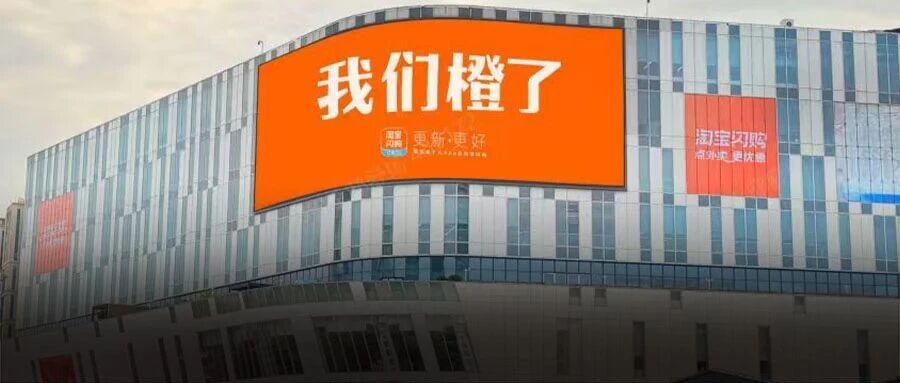
「橙了」的饿了么:以淘宝闪购之名,继续打下一场硬仗
3 6 Ke· 2025-12-05 08:38
Core Viewpoint - The rebranding of "Ele.me" to "Taobao Flash Purchase" marks a significant strategic shift for Alibaba, integrating its resources to enhance its position in the instant retail market and align with its "big consumption platform" strategy [2][7]. Group 1: Market and User Impact - The merger of Ele.me and Taobao Flash Purchase is a natural evolution, aimed at enhancing service capabilities and user trust, ultimately driving greater value within Alibaba's ecosystem [2][3]. - Taobao Flash Purchase has seen remarkable growth, with peak daily orders reaching 120 million and an average of 80 million daily orders by August, contributing to a 20% year-on-year increase in daily active users for the Taobao app [2][3]. - Instant retail business revenue grew by 60% year-on-year in the latest quarterly report, with significant improvements in unit economics due to enhanced logistics efficiency and higher customer retention [3][6]. Group 2: Strategic Collaboration - The collaboration between Ele.me and Taobao Flash Purchase has effectively utilized existing infrastructure to achieve rapid delivery times of 30 minutes nationwide, enhancing marketing efficiency through joint subsidies [3][4]. - The integration has led to a significant increase in user engagement, with both platforms experiencing growth in daily active users and improved activity levels among delivery personnel and merchants [4][6]. - The strategic focus on high-value user retention and service quality is set to continue, with plans for further enhancements in user experience and retail category development [8][9]. Group 3: Competitive Landscape - The rebranding signifies a concentrated resource investment in the instant retail market, with clearer strategic goals and more efficient business collaboration [11][13]. - The shift from price competition to a focus on quality and service is becoming the new industry standard, with Taobao Flash Purchase poised to leverage its competitive advantages in traffic, users, supply, and fulfillment [13]. - Recent marketing initiatives, such as the upgrade of promotional activities, indicate a proactive approach to maintaining market momentum and user engagement [13].