
AI试衣

Search documents
网经社电商中心主任曹磊2025年发表核心观点摘要&落地执行清单
Sou Hu Cai Jing· 2026-02-26 09:38
Core Insights - The e-commerce industry is at a crossroads, facing challenges such as peak traffic dividends, technological waves, and changing competitive landscapes. Industry players must decide whether to continue struggling in price wars or embrace change to find new growth engines [1] Part 1: Summary of Key Points Live E-commerce: From Wild Growth to Value Reconstruction - Live e-commerce has transitioned from a phase of wild growth to one of value reconstruction, moving away from low-price dumping and impulsive consumption towards building brands and integrating social responsibilities [4][5] - The demand for higher content quality is driven by more rational consumers and platform algorithms favoring socially valuable content [5] "Live + Instant Retail" as a New Growth Driver - The combination of live streaming and instant retail is creating a new consumption loop, requiring platforms to enhance local warehousing and delivery capabilities [6][7] Private Domain Live Streaming: Challenges and Opportunities - Private domain e-commerce is rapidly developing but faces regulatory challenges, particularly in the silver-haired consumer sector. A balance between innovation and consumer protection is necessary for healthy growth [8] AI Applications: Transitioning from Tool Assistance to Growth Driver - AI is reshaping the foundational logic of e-commerce, enabling intelligent product selection, dynamic pricing, and personalized recommendations [9][10] - New AI capabilities allow for complex task planning and autonomous GMV growth, with pilot programs showing promising results [11][12] - The concept of "AI for good" aims to empower marginalized groups, such as disabled streamers, to lower entry barriers and promote inclusive growth [13] Platform Governance: Establishing a "Gatekeeper" Responsibility System - E-commerce platforms must act as gatekeepers, implementing a comprehensive governance system that includes pre-approval, monitoring, and post-processing [14] - Collaboration among government, platforms, and society is essential to combat false reviews and optimize refund mechanisms [15][16] Merchant Pain Points: Intensified Competition and Survival Pressure - Merchants face significant challenges, including price wars, high return rates (65%-80% for women's clothing), and abuse of refund policies, with nearly 40% of merchants experiencing refund rates exceeding 30% [18] Part 2: Actionable Strategies - A systematic response strategy is proposed for small and medium-sized merchants, validated by successful case studies [24] - Key strategies include multi-platform operations, transitioning from public to private domains, expanding brand self-broadcasting, leveraging international markets, utilizing AI in e-commerce, and data-driven decision-making [24][25] Action Guidelines for E-commerce Practitioners - Platform operators should invest in technology infrastructure and build open ecosystems to support digital transformation [25] - Brand merchants should implement omnichannel digitalization, rationally participate in promotions, clarify positioning, and leverage professional data resources for strategic decisions [26] 30-Day Action Path - A detailed 30-day action plan is outlined, targeting a 15% reduction in traffic costs, a 10% decrease in return rates, and a 20% increase in private domain users [27]


服装电商高退货率居高不下 淘宝 微盟推出“AI试衣”能否有“疗效”?
Sou Hu Cai Jing· 2026-01-29 02:19
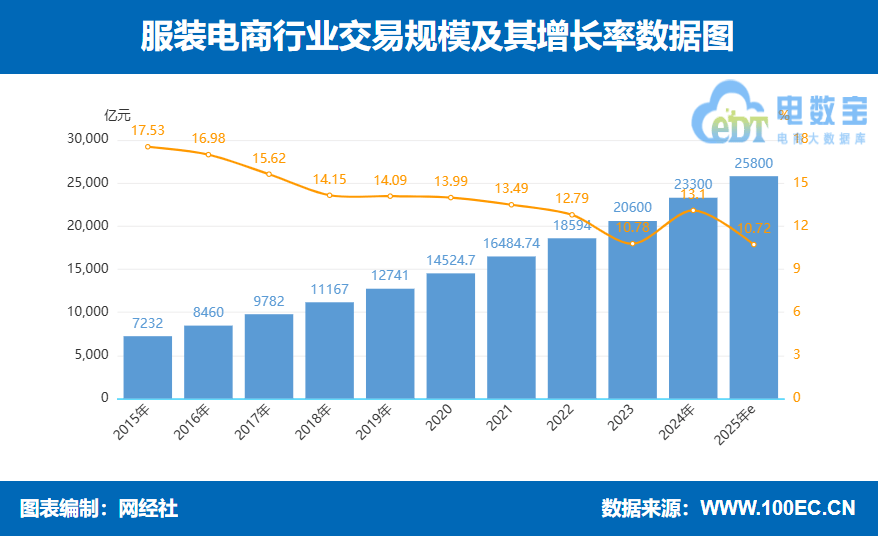
Group 1 - The core issue in the fashion e-commerce sector is the high return rate, which has evolved into a systemic problem, with some sellers reporting significant losses due to malicious returns [1][4][12] - The average return rate for women's clothing has surged from 30% in 2019 to between 65% and 80% [2] - During major sales events like Double 11, return rates can reach as high as 80-90% for live-streamed e-commerce, with some merchants experiencing daily return rates exceeding 300% [4][6] Group 2 - Weimob has launched an "AI fitting" solution aimed at e-commerce retailers, which utilizes AI technology to provide a more immersive and personalized online fitting experience, potentially reducing return rates and improving conversion efficiency [1][7][10] - Taobao has also introduced its own AI fitting feature, focusing on enhancing consumer experience and integrating it into its broader AI strategy, which includes various AI shopping assistant applications [8][10] - Both Weimob and Taobao are addressing the same issue but with different approaches: Weimob targets merchants with tools to enhance customer experience, while Taobao focuses on optimizing consumer-side interactions [10] Group 3 - The implementation of AI fitting technology faces several technical challenges, including accurately recognizing clothing styles, materials, and how they drape on the body, as well as generating realistic fitting images [11] - While AI fitting has the potential to reduce returns by providing a more accurate representation of how clothing fits, it cannot address issues related to malicious returns or misuse of return policies [12][13] - The overall effectiveness of AI fitting in reducing return rates will depend on a combination of technology, policy improvements, and consumer education [13] Group 4 - The fashion e-commerce market is projected to reach approximately 25.8 trillion yuan by 2025, indicating significant growth potential despite the challenges posed by high return rates [2][14] - The industry is witnessing a shift towards digital solutions, with AI tools becoming increasingly important for enhancing transaction efficiency and accuracy [12][29] - The integration of AI in e-commerce is seen as a critical factor for the future success of the industry, necessitating collaboration among technology, regulations, and consumer behavior [13][29]
微盟推出“AI试衣”赋能零售电商,搭载千问大模型构筑AI应用层护城河
Xin Lang Cai Jing· 2026-01-27 05:20
Core Viewpoint - The introduction of the "AI fitting" solution by Weimob Group aims to address the high return rates and low conversion rates faced by the retail e-commerce sector, particularly in the apparel industry, by providing an immersive shopping experience through AI technology [1][2][5]. Group 1: AI Fitting Solution - Weimob's AI fitting solution integrates Alibaba's Qianwen large model and Weimob's self-developed clothing recognition model, offering capabilities such as "realistic fitting effects" and "intelligent outfit recommendations" [1][2][3]. - The solution targets the pain points of consumers' purchasing decisions and aims to enhance conversion efficiency while reducing return rates for retailers [1][2][5]. - The AI fitting feature allows consumers to upload personal photos for real-time clothing matching, with plans to connect this capability to retail clients' sales agents for improved customer insights and recommendations [2][10]. Group 2: Industry Challenges - The apparel e-commerce sector faces significant challenges, with return rates for women's clothing reaching 50% to 60%, and even up to 80% for live-streamed sales, which severely impacts brand revenues [2][10]. - Traditional online shopping lacks fitting experiences, leading to issues such as inconsistent sizing and product mismatches, which contribute to high return rates [2][10]. Group 3: Competitive Advantage - Weimob leverages its deep industry know-how and extensive merchant ecosystem to differentiate itself in the AI fitting space, focusing on understanding retail scenarios and customer needs [3][11]. - The company has improved its clothing recognition accuracy from 50% to over 95% through its self-developed model, significantly enhancing user experience and reducing operational costs for merchants [3][11][12]. Group 4: AI Application Value - The current AI application landscape is experiencing explosive growth, shifting focus from computational power to application value, with SaaS companies like Weimob emerging as key players in realizing AI's commercial potential [5][13]. - Weimob's continuous application and iteration of AI large models have led to the development of a comprehensive AI product matrix centered around AI agents, enhancing customer engagement and lifecycle value [5][14]. Group 5: Future Prospects - Weimob's AI fitting function represents a significant step in integrating AI technology into the retail sector, showcasing its potential to solve core industry pain points and enhance productivity [7][15]. - As competition in the AI application layer intensifies, Weimob is well-positioned to achieve a new round of value reassessment due to its multi-scenario layout and proven merchant effectiveness [7][15].
华西证券可选消费投资策略
HUAXI Securities· 2026-01-06 12:26
Group 1: Macro View on Consumer Discretionary - China's service consumption has significant growth potential compared to developed countries, with the consumer spending to GDP ratio projected at 39.93% in 2024, significantly lower than the US (67.93%) and Japan (55.50%) [5][6] - Since 2000, China's savings as a percentage of GDP have remained higher than those of developed nations, indicating a conservative consumer spending habit [5] Group 2: Industry Insights - The US consumer structure has shifted from goods to services, with entertainment and dining services experiencing substantial growth. By 2024, the market sizes for entertainment services and dining services are expected to reach $777 billion and $14.29 billion, respectively, reflecting growth rates of 149.47% and 186.81% since 2004 [12] - The trend of emotional consumption is rising, with 56.3% of youth willing to spend for emotional value, indicating a shift towards experiences and personal satisfaction in consumer behavior [42] Group 3: Recent Policy Interpretations - The implementation plan by the Ministry of Industry and Information Technology aims to enhance the adaptability of consumer goods supply and demand, focusing on new technologies and flexible manufacturing to meet diverse consumer needs [60][62] - Policies are being introduced to promote tourism and the silver economy, with the silver economy projected to reach approximately 2 trillion yuan in 2024, highlighting the growth potential in high-quality and premium services for the elderly [47][49] Group 4: Industry Outlook - The emotional consumption trend is expected to continue, with sectors like trendy toys, fashion jewelry, and health foods benefiting from this shift [42] - The AI application in commercial settings is accelerating, with various companies integrating AI into their operations to enhance customer experience and operational efficiency [51] - Quality supermarkets are projected to perform well, with significant sales growth expected for major players like Walmart and local brands, indicating a strong demand for quality retail experiences [53][56]
从散装到大一统,阿里电商在做什么?
3 6 Ke· 2025-11-18 04:05
Core Insights - The 17th "Double 11" event has seen a shift in how e-commerce platforms report their performance, with Alibaba claiming its best growth in four years despite the event's uniqueness diminishing over time [2][3] - Alibaba's "Double 11" this year marked significant changes, including the integration of AI tools and the launch of a new consumer platform, resulting in substantial growth in retail orders and brand engagement [2][3] - The company's strategic shift back to a unified structure, termed "One Alibaba," aims to enhance operational efficiency and resource allocation amidst competitive pressures and technological advancements [3][4] E-commerce Performance - Alibaba reported that during the full cycle of "Double 11" (October 15 to November 14), retail orders from Taobao Flash Sale grew over 200% year-on-year, and daily orders for brand instant retail increased by 198% compared to September [2] - Nearly 600 brands achieved sales exceeding 100 million yuan, with over 34,000 brands doubling their sales compared to the previous year [2] Strategic Restructuring - The company has transitioned from a fragmented structure to a more centralized management approach, moving away from plans for independent listings of various business units [5][6] - The "1+6+N" framework established in 2023 is showing signs of loosening, with a reorganization of e-commerce operations to streamline domestic and international business [8][9] AI Integration - This year's "Double 11" was the first to fully implement AI across various functions, enhancing consumer experience and operational efficiency [17][18] - AI applications have significantly improved product recommendation accuracy and operational metrics, leading to a 25% increase in purchasing efficiency [17][18] Global Expansion - Alibaba invested 1 billion yuan in marketing for overseas markets, launching "Double 11" in 20 countries and regions, resulting in significant growth in international sales and user engagement [15][16] Consumer Platform Development - The integration of various services into a "big consumption platform" aims to provide comprehensive consumer experiences, linking online and offline shopping [11][12] - The platform's strategy focuses on creating a seamless shopping experience across different consumer needs, enhancing user engagement and brand partnerships [11][12]

人工智能参战“双十一”
Jing Ji Ri Bao· 2025-11-16 22:20
Core Insights - The integration of AI in e-commerce has transformed the shopping experience, with platforms like Tmall and JD.com utilizing AI tools to enhance customer engagement and streamline the purchasing process [1][2] - AI's ability to analyze user behavior and preferences allows for a more personalized shopping experience, moving from traditional recommendation algorithms to dynamic user demand mapping [1][2] - Despite advancements, AI still faces challenges in accurately understanding user intent due to the complexity of natural language and the need for processing vast amounts of unstructured data [2][3] Group 1: AI Integration in E-commerce - Tmall has introduced various AI-driven shopping tools, such as "AI万能搜" and "AI试衣," to cover the entire shopping process [1] - JD.com employs AI to proactively provide logistics updates and anticipate customer service needs, enhancing the overall shopping experience [1] - Douyin leverages AI models to create a new shopping interface, allowing users to receive product recommendations through simple inquiries [1] Group 2: Challenges and Limitations - The current AI technology struggles with semantic understanding, leading to potential mismatches in product recommendations and user expectations [2] - Issues such as voice recognition errors and logical inconsistencies in multi-turn dialogues hinder the effectiveness of AI in capturing consumer needs [2] - The proliferation of AI-generated content raises concerns about trust and authenticity in online shopping, with instances of "货不对版" (goods not matching the description) becoming more common [3] Group 3: Ethical and Regulatory Considerations - The embedding of undisclosed commercial promotions within AI recommendations poses ethical challenges and complicates existing advertising regulations [3] - The need for improved data security and algorithmic fairness is critical for the sustainable growth of AI in e-commerce [3] - Future advancements in AI technology, along with regulatory frameworks, are expected to enhance the shopping experience, making it more intuitive and trustworthy [3]
双十一AI用得爽吗?有人下凑单指令,有人用AI精简购物车
Sou Hu Cai Jing· 2025-11-13 12:39
Core Insights - AI has become an essential tool for consumers during the Double Eleven shopping festival, assisting in decision-making and optimizing shopping strategies [2][10][12] - Major e-commerce platforms have introduced various AI features to enhance the shopping experience, including personalized recommendations and price trend analysis [10][11] Group 1: AI in Consumer Decision-Making - Consumers are utilizing AI to analyze their shopping carts and make cost-effective decisions, such as determining the optimal number of orders and products to purchase [2][4] - Users have reported that AI helps reduce impulsive buying by providing a "time travel" decision-making method, allowing them to consider future needs [2][3] Group 2: E-commerce Platforms and AI Features - Multiple e-commerce platforms have launched AI tools, such as Taobao's "AI Universal Search" and JD's "Jingyan" assistant, which offer comprehensive shopping guides and price trend insights [10][11] - These AI tools are designed to understand user preferences and provide tailored recommendations based on past shopping behavior [11][12] Group 3: User Experience and Satisfaction - A significant portion of young consumers (approximately 70%) recognize the value of AI in shopping, with many expressing satisfaction with the enhanced shopping experience [12] - However, there are concerns regarding the current limitations of AI in understanding user intent, leading to mismatched recommendations and budget plans [12]

从凑单到决策,AI如何重塑“双十一”新逻辑?
Sou Hu Cai Jing· 2025-11-13 07:05
Core Insights - The application of AI tools, particularly generative AI represented by large models, is reshaping the operational logic of new e-commerce, becoming a highlight of this year's "Double Eleven" shopping festival [2][3] - AI has transitioned from being an auxiliary tool to becoming a core decision-making component for platforms, merchants, and consumers alike [3] Group 1: AI's Strategic Role in E-commerce - Major platforms have placed AI in the spotlight, marking a significant change in this year's "Double Eleven," with JD defining it as the "most technology-integrated edition" and Alibaba claiming it as the "first fully AI-implemented Double Eleven" [4] - Alibaba announced a 3-year investment of 380 billion yuan in cloud and AI infrastructure, focusing on e-commerce and cloud as core business areas [4] - JD has extended AI across its supply chain, utilizing its logistics super brain 2.0 and intelligent device clusters to enhance supply chain services [5] Group 2: AI's Impact on Business Growth - Both JD and Alibaba have made AI tools available for free to merchants, aiming to lower operational barriers and costs for small and medium-sized businesses [7] - AI has transformed the entire e-commerce process from "experience-driven" to "data-intelligent-driven," significantly reducing costs and opening new revenue channels for merchants [7] - Alibaba's AI tools have generated over 2 billion images and 5 million videos monthly, improving product click-through rates by 10% [7] Group 3: Consumer Engagement with AI - E-commerce platforms have launched AI features for consumers, with Alibaba introducing six AI shopping applications to enhance user experience [10] - JD has developed several consumer-facing AI applications, including a digital assistant capable of answering various queries and facilitating shopping [12] - Consumers are beginning to utilize AI tools for creating shopping lists and calculating discounts, although experiences vary widely [13] Group 4: Competitive Landscape and Challenges - The competition in e-commerce is shifting from broad traffic acquisition to deep user engagement and lifecycle value extraction driven by AI [14] - Platforms that effectively leverage AI will gain a competitive edge, while those lagging may struggle to adapt to the evolving landscape [15] - The accuracy of AI-generated information remains a concern, as inaccuracies in product recommendations could undermine consumer trust [16]

万亿销售的“双十一”大促背后,港股消费和科技板块正在“等风来”
Zhi Tong Cai Jing· 2025-11-13 01:58
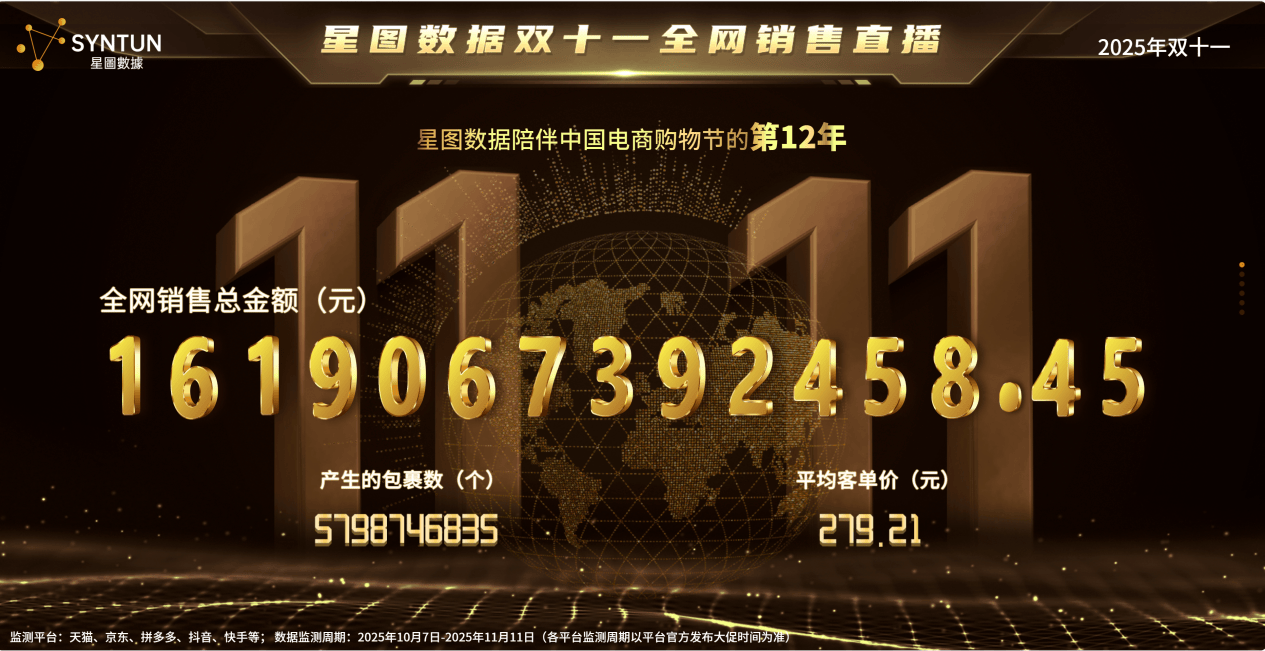
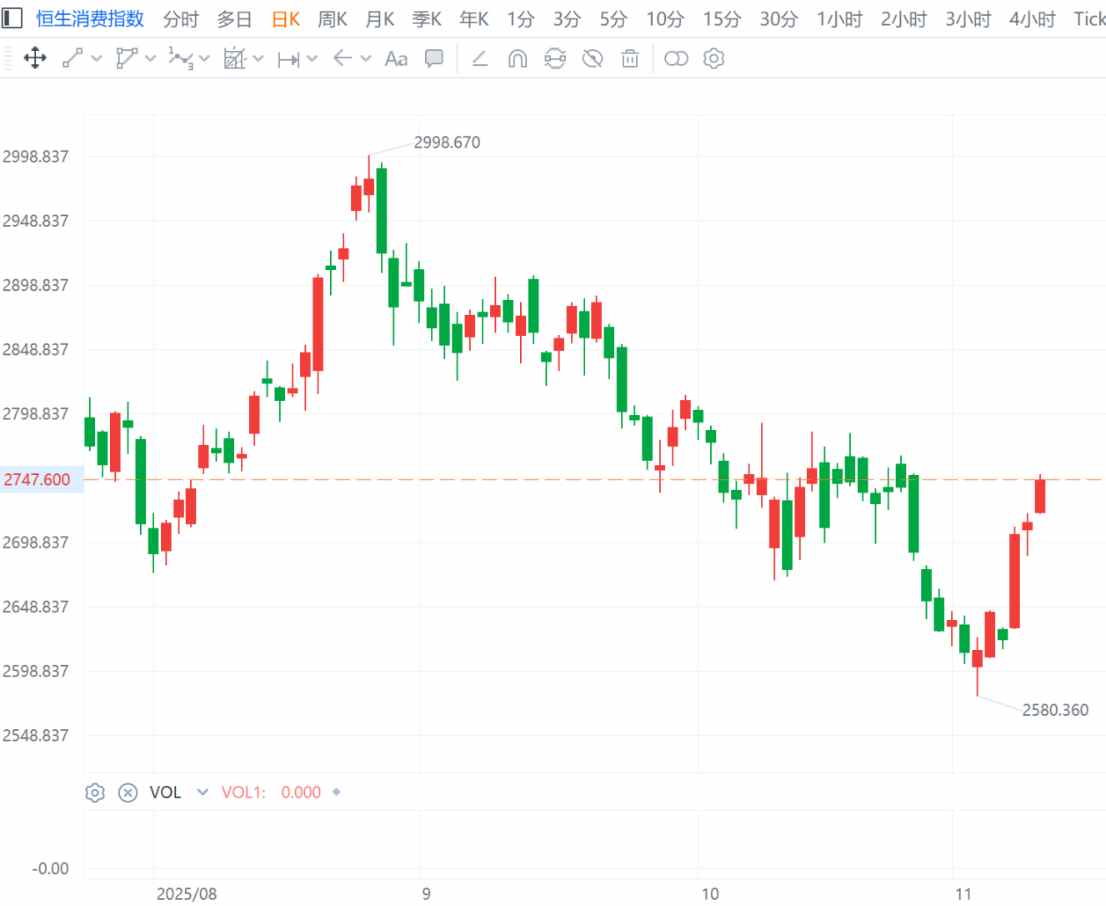
Group 1: E-commerce Performance - Tmall's Double 11 total transaction volume reached 540.3 billion yuan, showing steady growth compared to last year; JD's 11.11 cumulative order amount exceeded 349.1 billion yuan, setting a historical record, with both platforms surpassing 890 billion yuan combined [1] - The overall online retail sales during this year's Double 11 reached nearly 2.4 trillion yuan, a new high with a year-on-year growth of over 10% [1] - Douyin's live-streaming sales exceeded 41,000 merchants, with a year-on-year growth of 500%, indicating the vibrancy of the live e-commerce channel [1] Group 2: Consumer Sector Recovery - The Hang Seng Consumer Index has rebounded nearly 6 trading days since hitting a low of 2580.36 points [2] - The consumer sector in Hong Kong covers e-commerce, trendy toys, new tea drinks, and national tide beauty products, with service consumption accounting for over 60%, resonating with the current Double 11 promotions [4] - The Hang Seng Consumer Index's PE-TTM is only 17.79 times, at a historical low valuation, indicating a significant cost advantage for allocation [5] Group 3: AI and E-commerce Integration - The "AI + E-commerce" concept was frequently mentioned during this year's Double 11, with platforms like Taobao planning for full AI implementation by 2025 [6] - Taobao launched several free AI shopping and search features, including "AI Assistant" and "AI Universal Search," aimed at enhancing user shopping experiences [7] - Major internet technology companies in Hong Kong, such as Tencent and Alibaba, have significantly increased their capital expenditures in AI, with a combined growth of 131% to 116.6 billion yuan in the first half of the year [8] Group 4: Market Trends and Valuation - The Hang Seng Internet Technology Index's PE (TTM) is at 21.89 times, within the 17.18% valuation percentile over the past decade, indicating potential for valuation improvement [10] - Recent policies are expected to catalyze the digital economy and promote the integration of AI into practical applications, enhancing the growth prospects for the internet technology sector [10] - The recent influx of southbound capital into Hong Kong stocks, totaling 6.654 billion HKD, reflects investor confidence in the consumer sector driven by policy support and positive sales performance during Double 11 [5]
年轻人消费回归理性 “双11”如何接招
Zhong Guo Qing Nian Bao· 2025-11-07 01:05
Core Insights - The "Double 11" shopping festival is witnessing a shift from impulsive buying to rational purchasing among young consumers, reflecting a change in consumer behavior and expectations from e-commerce platforms [1][2][3] Consumer Behavior - A significant 77.7% of surveyed young consumers prioritize whether a product is genuinely needed over being swayed by low prices or trends, indicating a trend towards more thoughtful consumption [2] - The rise of social media content highlighting the pitfalls of impulsive buying has contributed to the spread of rational consumption attitudes among young consumers [2] Market Dynamics - E-commerce platforms are facing challenges due to complex discount rules and prolonged promotional periods, which diminish the urgency and excitement traditionally associated with "Double 11" [2][3] - The initial purpose of "Double 11" was to save consumers money and help merchants profit, but the current perception of excessive marketing tactics over genuine savings threatens its sustainable growth [3] Competitive Landscape - The competition among platforms is shifting from price wars to value wars, with some brands investing in technologies like AI fitting rooms to enhance the online shopping experience [3] - Brands are reallocating budgets from marketing to after-sales service to improve overall consumer experience and build emotional connections with customers [3] Industry Evolution - The evolution of "Double 11" reflects the maturation of young consumers, indicating a broader shift in the consumption market from scale expansion to quality enhancement, which is essential for industry upgrades [4]