上汽名爵MG4

Search documents
德国重启补贴,中国品牌笑了
Zhong Guo Qi Che Bao Wang· 2026-01-21 01:08
Group 1 - The German government plans to allocate €3 billion by 2029 to support low- and middle-income families in purchasing zero-emission vehicles, aiming to promote electric vehicle adoption and revitalize the automotive market [1][3] - The subsidy program will provide buyers with grants ranging from €1,500 to €6,000, depending on the vehicle model, household income, and family size, with an estimated total budget supporting around 800,000 electric vehicles [3][4] - The new subsidy policy will last until 2029, with an online application platform expected to launch in May 2026, allowing applications to be backdated to January 1, 2026 [4] Group 2 - The previous subsidy program from 2016 to 2023 revealed an imbalance in consumer demographics, with about 30% of subsidy recipients having a net monthly income exceeding €6,000, while only 20% were from low-income households [5] - The new subsidy policy aims to address these issues by focusing on mid-range models and including used electric vehicles for the first time, with the goal of making electric vehicle transition affordable for everyone [6][9] - Unlike other countries that have imposed restrictions on Chinese electric vehicles, Germany's new subsidy policy includes all brands, including Chinese manufacturers, reflecting a pragmatic approach to boost market demand [2][9] Group 3 - The decision to include Chinese brands is seen as beneficial for companies like BYD, which are expanding in the European market, with projections indicating a sevenfold increase in BYD's sales in Germany by 2025 [10] - The German automotive industry association supports the electric vehicle purchase incentive plan, emphasizing the need for equal opportunities for all manufacturers and rejecting protectionist measures [10]


何小鹏酒局背后,动力电池行业何去何从?
汽车商业评论· 2025-12-10 23:07
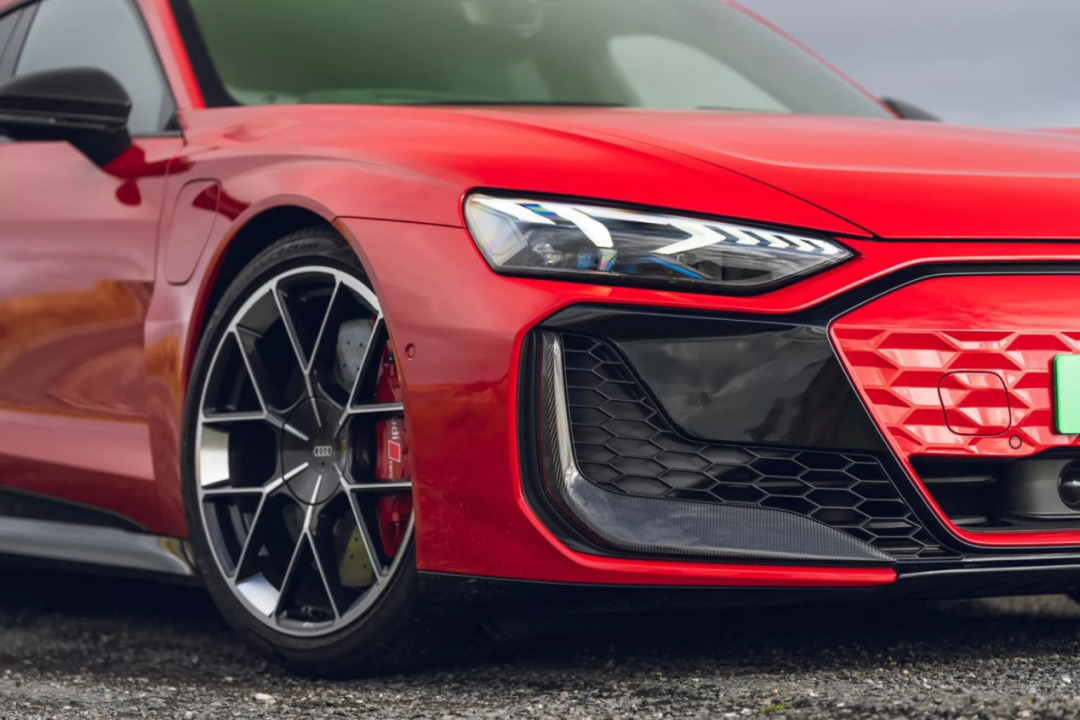
Core Viewpoint - The article discusses the current challenges and dynamics in China's new energy vehicle (NEV) industry, particularly focusing on the supply chain issues related to battery production and the ongoing competition between automakers and battery suppliers [4][5][7]. Group 1: Supply Chain Challenges - The recent interactions between automakers and battery manufacturers highlight the supply-demand imbalance in the battery industry, which is critical for vehicle manufacturing [5][7]. - Automakers are facing a "sweet trouble" as they set ambitious sales targets that exceed initial expectations, leading to concerns about whether suppliers can meet these demands [9][10]. - The surge in sales for models like the Chery Fengyun A9L and SAIC MG4 has exposed the limitations in battery supply, as both models experienced sales far exceeding their initial production plans [10][11][12]. Group 2: Battery Market Dynamics - The domestic power battery installation volume reached 578.0 GWh from January to October, marking a 42.4% year-on-year increase, indicating strong demand in the market [13]. - The price of lithium carbonate has seen significant fluctuations, with a recent increase causing additional challenges for battery manufacturers in managing costs and supply [16][19]. - The article notes that the lithium carbonate price has risen sharply from a low of 59,900 CNY/ton in May to 81,000 CNY/ton in August, reflecting the volatility in raw material costs [19]. Group 3: Automaker Strategies - Automakers are increasingly taking control of their battery supply chains by investing in battery production capabilities, as seen with companies like Geely and FAW [24][26]. - The trend of automakers establishing joint ventures and acquiring battery companies is aimed at ensuring a stable supply of batteries and reducing dependency on external suppliers [22][30]. - The overall profit margins for the automotive industry have been declining, with the profit rate dropping to 4.3% in 2024, prompting manufacturers to seek more control over battery costs [23]. Group 4: Future Outlook - The article raises concerns about the future of the battery supply chain as production capacity expands, questioning the sustainability of the current growth trajectory in the NEV market [30]. - The ongoing competition between automakers and battery suppliers is expected to intensify as both parties navigate the challenges of supply, pricing, and technological advancements [30].


十年间三度沉浮,小型电动车再次“复活”
Jing Ji Guan Cha Bao· 2025-09-13 09:00
Core Viewpoint - The A0 electric vehicle market in China is experiencing a significant revival, driven by a combination of declining battery costs, enhanced product capabilities, and supportive policies, marking a transformation from low-end alternatives to mainstream choices [1][2][5]. Group 1: Market Dynamics - The A0 electric vehicle segment is seeing an influx of brands such as Extreme Fox, Wuling, MG, and Chery, indicating a comprehensive market recovery by mid-2025 [1][5]. - The revival is characterized by a shift in perception, with A0 electric vehicles now offering features like over 500 km of range and advanced smart configurations, moving away from being seen as merely low-cost transportation [2][9]. Group 2: Historical Context - The A0 electric vehicle market has experienced two previous peaks, first from 2014 to 2017 due to high subsidies, and again from 2020 to 2021 driven by Wuling's electric push [3]. - However, from late 2022 to early 2023, the market faced a downturn, with A0 electric vehicle sales dropping by 58% year-on-year in January and February 2023, while higher segments saw growth [3][4]. Group 3: Cost and Policy Influences - Rising raw material costs, particularly lithium carbonate, which surged from 44,000 yuan/ton to over 460,000 yuan/ton between late 2020 and early 2022, significantly impacted the A0 segment due to its thin profit margins [3][4]. - The reduction of government subsidies by 30% in 2022 further exacerbated the challenges faced by A0 electric vehicle manufacturers [4]. Group 4: Future Trends - The A0 electric vehicle market is projected to improve post-2024, with leading brands like BYD and Geely launching new models [5]. - By mid-2025, A0 vehicles are expected to surpass B-class vehicles as the fastest-growing segment in the new energy market, with a year-on-year sales growth rate of 107.3% [7]. Group 5: Technological Advancements - New A0 electric vehicles are equipped with advanced technologies, such as AI integration and enhanced battery performance, which align with new regulatory requirements [9][10]. - The introduction of policies promoting vehicle upgrades and trade-ins is expected to further stimulate demand in the A0 segment [8]. Group 6: Market Segmentation and Opportunities - The A0 electric vehicle market is anticipated to diversify, with the emergence of various body styles like SUVs and sedans to cater to different consumer preferences [12]. - International markets, particularly in Europe, present significant growth opportunities for A0 electric vehicles, which could capture a larger share of the market as they transition to electric [12].
十年间三度沉浮,小型电动车再次“复活”
经济观察报· 2025-09-13 08:55
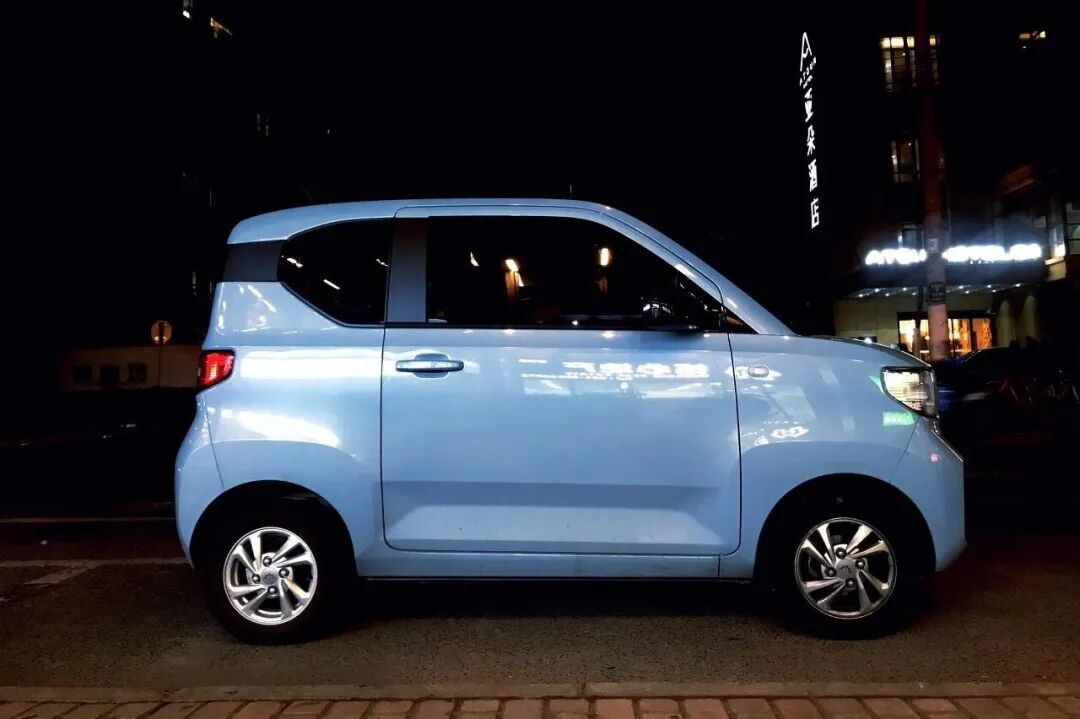
Core Viewpoint - The revival of the A0-level electric vehicle market in China is not just a short-term rebound but reflects a significant transformation in the country's new energy vehicle market, driven by factors such as cost reduction, policy support, and enhanced product capabilities [3][5][12]. Group 1: Market Recovery - By mid-2025, brands like Arcfox, Wuling, MG, and Chery are expected to flood the A0-level electric vehicle market, indicating a comprehensive recovery of this segment [3][9]. - The A0-level electric vehicle market is experiencing a resurgence due to declining battery costs, increased policy support, and improved product capabilities, with several brands launching new models in a short period [5][9]. - The market share of A0-level electric vehicles has been increasing, with A0-level cars becoming the fastest-growing segment in the new energy market by mid-2025 [9][15]. Group 2: Historical Context - The A0-level electric vehicle market has experienced two previous "high points," first from 2014 to 2017 and again from 2020 to 2021, but faced a downturn in 2022 due to rising battery material costs and subsidy reductions [7][8]. - The price of battery-grade lithium carbonate surged from 44,000 yuan/ton in Q4 2020 to over 460,000 yuan/ton by February 2022, significantly impacting the profitability of A0-level electric vehicles [7][8]. Group 3: Policy and Economic Factors - The decline in subsidies for new energy vehicles, which dropped by 30% in 2022, further exacerbated the challenges faced by the A0-level electric vehicle market [8][11]. - The introduction of policies promoting vehicle trade-ins and subsidies for purchasing new energy vehicles is expected to stimulate demand in the A0-level segment [11][12]. Group 4: Product Evolution - The new generation of A0-level electric vehicles has shed the "cheap and low-end" label, now offering features previously found only in mainstream and high-end vehicles, thus attracting more consumers [12][13]. - Recent models feature enhanced dimensions, with the new MG4 offering a length of 4395mm and a wheelbase of 2750mm, providing a spacious experience comparable to B-class vehicles [12]. - A0-level electric vehicles are now entering the 500km+ range for battery life, with models like the MG4 and Wuling Bingguo S offering various range options [12][13]. Group 5: Market Dynamics and Future Trends - The A0-level electric vehicle market is witnessing a significant penetration rate of 68.7% in the passenger vehicle market, indicating strong demand [15]. - The market is expected to further diversify, with the introduction of different body styles such as SUVs and sedans to meet varying consumer needs [16]. - The potential for growth in overseas markets, particularly in Europe, where A0-level vehicles hold a substantial market share, presents additional opportunities for expansion [16].
小型电动车“复活记”
Jing Ji Guan Cha Wang· 2025-09-13 08:38
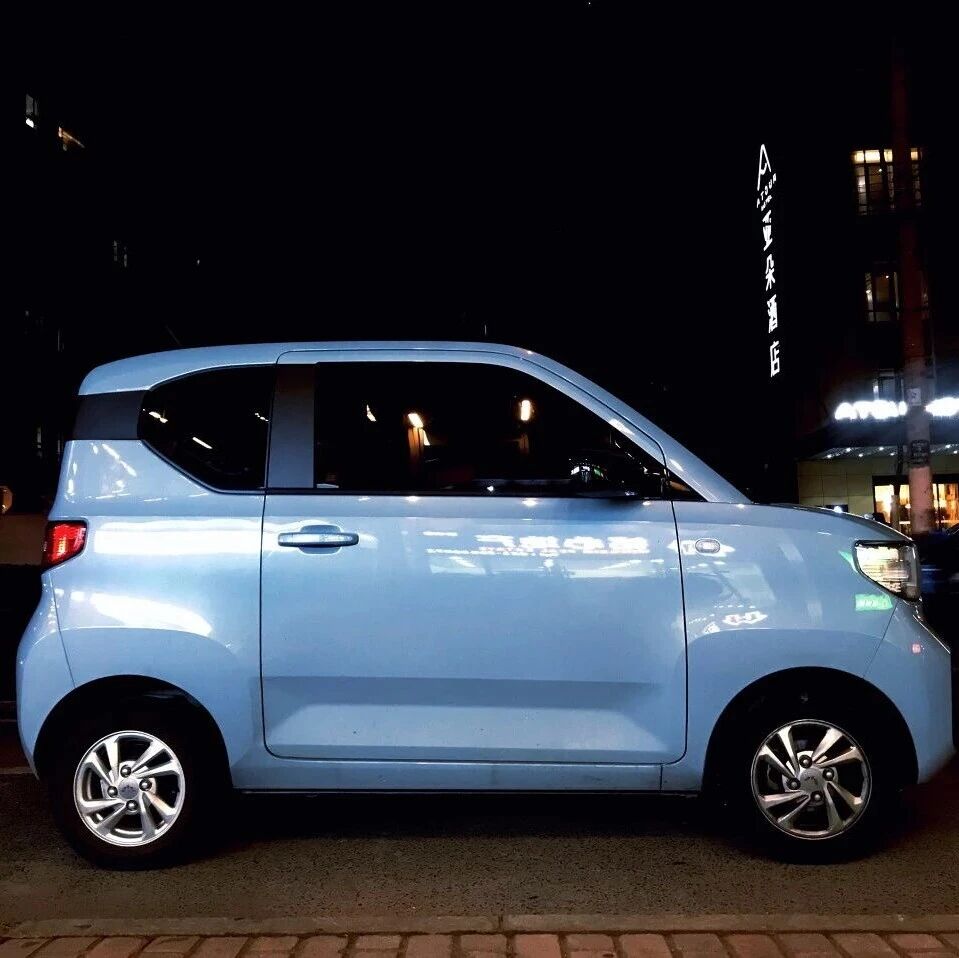
Core Viewpoint - The A0-level small electric vehicle market in China is experiencing a significant revival driven by declining battery costs, increased policy support, and enhanced product capabilities [2][3][8]. Group 1: Market Trends - The A0-level electric vehicle market has seen three notable peaks, with the most recent resurgence beginning in 2023 after a decline in 2022 due to rising costs and reduced subsidies [3][6]. - In the first two months of 2023, A0-level electric vehicle sales dropped by 58% year-on-year, while higher segments saw growth [3][4]. - By mid-2025, major brands like Extreme Fox, Wuling, MG, and Chery are expected to enter the A0-level market, indicating a full recovery of this segment [7]. Group 2: Cost and Policy Factors - The price of lithium carbonate, a key battery material, surged over tenfold from late 2020 to early 2022, significantly impacting the profitability of A0-level electric vehicles [3][5]. - The reduction of subsidies by 30% in 2022 further exacerbated the challenges faced by A0-level electric vehicles, with per-vehicle subsidies decreasing by thousands of yuan [5][9]. - In 2023, lithium carbonate prices began to decline, allowing manufacturers to adopt a "low-cost, no-loss" business model in the A0-level market [8]. Group 3: Product Development - New A0-level electric vehicles are now equipped with advanced features, breaking away from the "cheap transportation" image, with ranges exceeding 500 kilometers and enhanced smart configurations [2][10]. - The latest models, such as the MG4 and Wuling Bingguo S, offer competitive dimensions and battery performance, appealing to a broader consumer base [10][11]. - Recent policy changes have mandated higher technical standards for electric vehicles, pushing manufacturers to improve battery performance and technology [11]. Group 4: Market Dynamics - The A0-level electric vehicle segment is becoming increasingly competitive, with a penetration rate of 68.7% in the passenger vehicle market by 2024, second only to the fully electrified A00 segment [12]. - Leading brands are showing significant sales growth, with BYD's Dolphin and Seagull models leading the market [12][13]. - The market is expected to diversify further, with the introduction of various body styles such as SUVs and sedans to meet different consumer needs [13].