
新能源汽车市场转型

Search documents
韩系品牌的长期主义,正在悄然影响时代的下一场
Sou Hu Wang· 2026-01-26 09:18
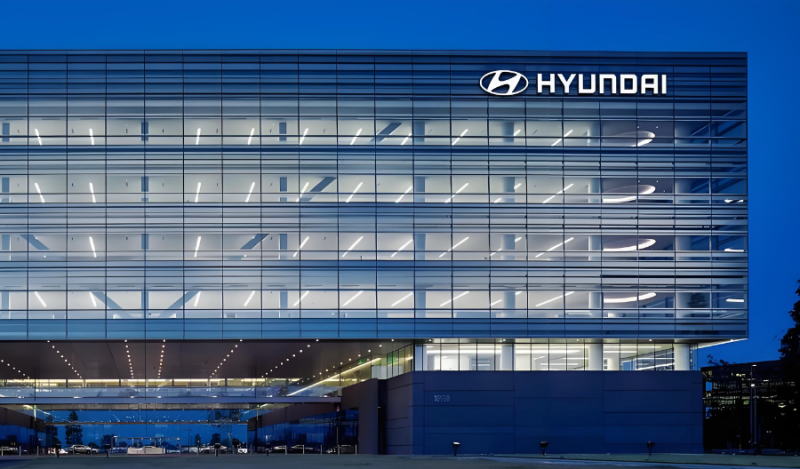
任何高速增长的市场,终将步入同质化发展阶段:当规模红利逐步消退,战略判断力的权重逐步超越规 模扩张速度,成为决定品牌竞争力的核心要素。中国新能源汽车市场,正站在这一关键转型节点。 过去数年间,新能源汽车完成了从市场培育到快速普及的跨越式发展。消费者对新能源产品的认知从陌 生走向熟悉,决策心态从观望转向接纳,这一阶段的市场核心诉求聚焦于"产品可得性"、"普及效 率"与"价格亲民度"。在此背景下,配置堆砌、价格优势与话题热度往往成为主导市场声量的关键变 量。但随着市场产品密度呈爆发式增长,该竞争逻辑的边际效益已呈现递减态势。 车型供给持续扩容,产品差异化却日渐模糊;核心参数不断刷新纪录,品牌与产品的记忆点反而愈发淡 薄。市场正加速迈入全新发展周期:消费者不再执着于"尝鲜式消费",而是转向对产品长期价值的深度 评估。这一转变并非源于政策导向或舆论引导,而是市场主体,消费者自身认知成熟化的必然结果。 正是在这一市场环境下,具备完整产业体系与长期战略规划的品牌开始凸显竞争优势。韩系品牌的独特 性在于,其并非在单一产业周期中"精准押注单一赛道",而是在多轮产业迭代中动态校准发展定位,构 建起可持续的竞争能力。 现代汽车I ...

销量狂欢的B面:车企忙着发战报,经销商忙着去库存
Tai Mei Ti A P P· 2025-12-03 06:33
Core Insights - The Chinese automotive market in November 2025 showcased a stark contrast between the booming sales of new energy vehicles (NEVs) and rising inventory warning indices, indicating a potential disconnect between reported sales and actual consumer demand [2][9][12]. Sales Performance - Several companies, including Li Auto and Xiaopeng Motors, have reported significant year-on-year growth, with Xiaopeng achieving a 156% increase in deliveries from January to November 2025, surpassing its annual target [3][5]. - Leap Motor emerged as a standout performer, announcing over 500,000 units sold in 2025, significantly exceeding industry expectations [2][3]. - NIO's multi-brand strategy is paying off, with total deliveries reaching 36,275 units in November, driven by the new ES8 and the recently launched Le Dao brand [4][5]. Inventory Concerns - The inventory warning index for automotive dealers rose to 55.6% in November, indicating increased pressure on the distribution channel and suggesting that some of the reported sales figures may be due to inventory transfers rather than actual consumer purchases [9][10][12]. - The rising inventory levels reflect a shift in market dynamics from supply-driven growth to demand-constrained conditions, highlighting the need for companies to focus on genuine consumer demand rather than just sales figures [12][13]. Market Dynamics - The market is experiencing a transition from broad growth to a phase of "stock competition," where the ability to innovate and create demand through product offerings becomes increasingly critical [6][7]. - Companies are employing various strategies to navigate this competitive landscape, with some relying on flagship models to drive sales while others are transitioning from hybrid to fully electric vehicles [7][10]. Conclusion - The juxtaposition of high delivery numbers against rising inventory levels suggests that the automotive market is undergoing a significant transformation, necessitating a focus on channel health and sustainable demand rather than merely chasing sales figures [14][15].


传祺向往2.0:既要向“新”,更要向“质”
Guang Zhou Ri Bao· 2025-11-25 02:30
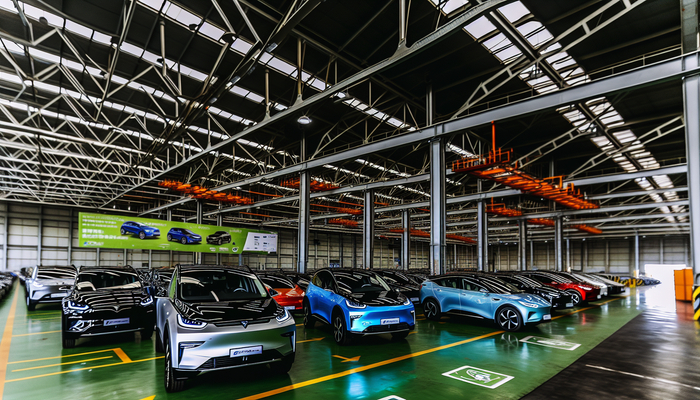
Core Viewpoint - GAC Group's brand, GAC Trumpchi, is undergoing a significant transformation with the launch of the "Wishing" series, focusing on user-oriented strategies and addressing consumer needs in the electric vehicle market [3][5][19] Group 1: Strategic Initiatives - GAC Trumpchi is implementing a user-centric approach, launching new models like the Wishing S7, M8, and S9 within six months to meet consumer expectations for quality mobility [3][5] - The "Panyu Action" initiative marks a three-year plan, with 2025 as the starting year and 2026 as the year for tackling new technologies, products, ecosystems, and services [3][5] - The Wishing 2.0 series aims to eliminate "range anxiety" by focusing on high quality, long range, and high resale value, establishing a competitive edge in the market [5][12][19] Group 2: Product Development - The Wishing series has evolved from a single product to a comprehensive vehicle lineup, reflecting GAC Trumpchi's response to market demands and its strategic shift towards electric vehicles [5][12] - The Wishing S7 is positioned as a family-oriented intelligent SUV, while the Wishing M8 continues to lead in the MPV market with advanced features [13][15] - The Wishing S9, developed in collaboration with Huawei and CATL, showcases cutting-edge technology and the longest pure electric range under 300,000 yuan [13] Group 3: Market Positioning - GAC Trumpchi targets "family guardians" who balance personal aspirations with family responsibilities, reflecting a deep understanding of contemporary Chinese consumer values [15] - The brand is transitioning from a traditional car manufacturer to a lifestyle service provider, enhancing user engagement through a comprehensive ecosystem [17] - The Wishing series will integrate all PHEV models, solidifying its identity as GAC Trumpchi's primary electric vehicle line [19] Group 4: Future Outlook - The company is poised to launch new mid-size and large MPV models in the coming year, aiming to capture opportunities in the rapidly growing electric MPV segment [19] - GAC Trumpchi's strategic adjustments and product innovations are expected to provide a unique path for growth in the competitive electric vehicle market [21]


多地购车补贴戛然而止
高工锂电· 2025-09-28 10:07
Core Viewpoint - The recent adjustments to local automotive consumption subsidy policies in China are expected to impact the automotive sales in the fourth quarter, raising concerns about the demand for upstream supply chains, particularly lithium batteries [3][6]. Group 1: Policy Adjustments - Multiple provinces, including Jiangsu, Guangdong, Hunan, Anhui, and Henan, have announced the suspension or adjustment of local "trade-in" subsidy policies due to rapid consumption of budget funds [4][5]. - Jiangsu province has specifically suspended the "automobile trade-in" subsidy and shifted the "scrap update" subsidy to a quota management model starting from September 28, 2025 [3][5]. Group 2: Market Impact - The adjustments to local subsidies are likely to create short-term fluctuations in automotive sales, similar to the significant drop in sales observed after a major subsidy reduction in 2019 [6]. - The concentration of subsidy adjustments may pressure automotive sales in the fourth quarter, as consumers might rush to purchase vehicles before the subsidy expiration, potentially inflating sales data temporarily [6][7]. Group 3: Supply Chain Effects - The uncertainty in sales expectations may lead automotive manufacturers to adjust their production plans, which will directly affect their procurement orders for power batteries [7]. - A reduction in demand for power batteries will subsequently decrease the procurement of key upstream materials, particularly lithium carbonate, which has already seen a price decline since August [8]. Group 4: Market Transition - The widespread adjustment of local subsidies signifies a shift in the Chinese electric vehicle market from being driven by policies and market incentives to a focus on market competition and product strength [8].
十年间三度沉浮,小型电动车再次“复活”
Jing Ji Guan Cha Bao· 2025-09-13 09:00
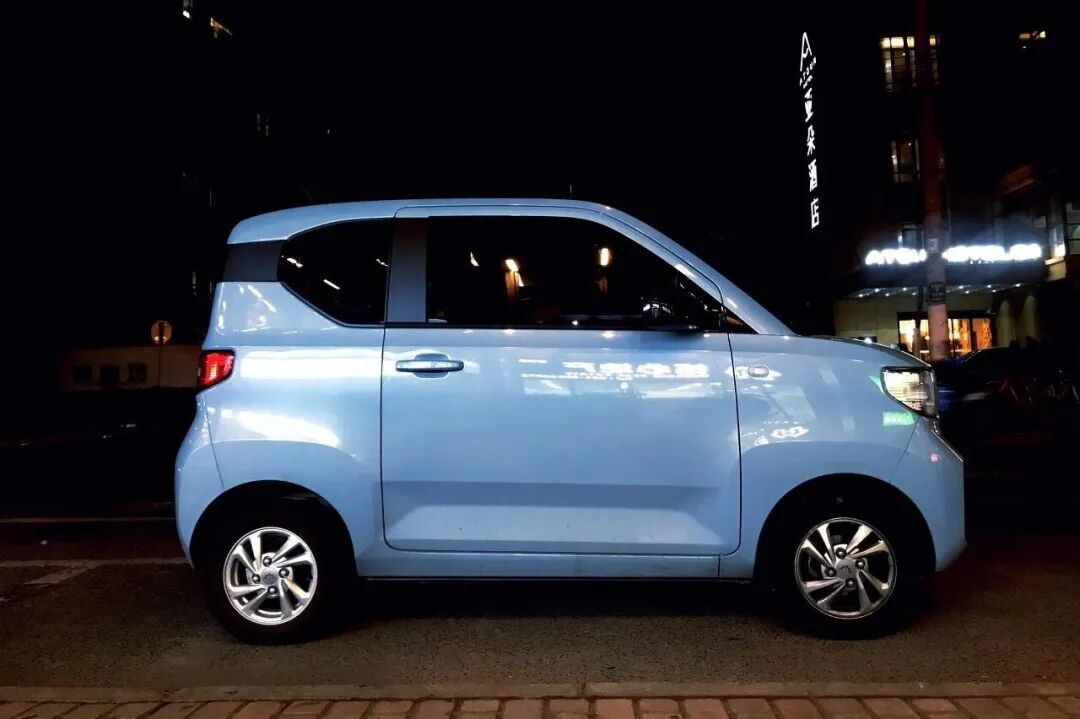
Core Viewpoint - The A0 electric vehicle market in China is experiencing a significant revival, driven by a combination of declining battery costs, enhanced product capabilities, and supportive policies, marking a transformation from low-end alternatives to mainstream choices [1][2][5]. Group 1: Market Dynamics - The A0 electric vehicle segment is seeing an influx of brands such as Extreme Fox, Wuling, MG, and Chery, indicating a comprehensive market recovery by mid-2025 [1][5]. - The revival is characterized by a shift in perception, with A0 electric vehicles now offering features like over 500 km of range and advanced smart configurations, moving away from being seen as merely low-cost transportation [2][9]. Group 2: Historical Context - The A0 electric vehicle market has experienced two previous peaks, first from 2014 to 2017 due to high subsidies, and again from 2020 to 2021 driven by Wuling's electric push [3]. - However, from late 2022 to early 2023, the market faced a downturn, with A0 electric vehicle sales dropping by 58% year-on-year in January and February 2023, while higher segments saw growth [3][4]. Group 3: Cost and Policy Influences - Rising raw material costs, particularly lithium carbonate, which surged from 44,000 yuan/ton to over 460,000 yuan/ton between late 2020 and early 2022, significantly impacted the A0 segment due to its thin profit margins [3][4]. - The reduction of government subsidies by 30% in 2022 further exacerbated the challenges faced by A0 electric vehicle manufacturers [4]. Group 4: Future Trends - The A0 electric vehicle market is projected to improve post-2024, with leading brands like BYD and Geely launching new models [5]. - By mid-2025, A0 vehicles are expected to surpass B-class vehicles as the fastest-growing segment in the new energy market, with a year-on-year sales growth rate of 107.3% [7]. Group 5: Technological Advancements - New A0 electric vehicles are equipped with advanced technologies, such as AI integration and enhanced battery performance, which align with new regulatory requirements [9][10]. - The introduction of policies promoting vehicle upgrades and trade-ins is expected to further stimulate demand in the A0 segment [8]. Group 6: Market Segmentation and Opportunities - The A0 electric vehicle market is anticipated to diversify, with the emergence of various body styles like SUVs and sedans to cater to different consumer preferences [12]. - International markets, particularly in Europe, present significant growth opportunities for A0 electric vehicles, which could capture a larger share of the market as they transition to electric [12].

合资新品的生意经
Zhong Guo Qi Che Bao Wang· 2025-06-09 01:38
Core Insights - Joint venture brands are shifting their focus to the mid-range market for electric vehicles, particularly in the price range of 100,000 to 200,000 yuan, indicating a pragmatic market positioning strategy [2][4][10] - The mid-range electric vehicle market is experiencing rapid growth, with significant potential for joint venture brands to increase their market share [3][9] Market Dynamics - According to the China Association of Automobile Manufacturers, the expected sales of new energy vehicles in China for this year is projected to reach 13 million units, representing a year-on-year growth of over 30% [3] - The sales growth rate of new energy vehicles in the 100,000 to 200,000 yuan price range is significantly higher than the overall market growth [3] - In the 100,000 to 150,000 yuan segment, domestic brands hold a 70% market share, while joint venture brands account for 30% [3] - In the 150,000 to 200,000 yuan segment, domestic brands' share drops to 51.5%, with joint venture brands rising to 48.5%, indicating room for growth for joint ventures [3] Strategic Shifts - Major joint venture brands, including Volkswagen, are adjusting their strategies by increasing production capacity and introducing lower-priced models to enhance market performance [6][10] - Nissan's N7, a new electric vehicle specifically designed for the Chinese market, is priced between 119,900 and 149,900 yuan, showcasing the focus on the mid-range segment [7] Market Structure Evolution - The current market structure is described as a "sandglass" shape, with significant shares in the segments below 100,000 yuan and above 300,000 yuan, while the 100,000 to 300,000 yuan segment remains relatively small [9] - As joint venture brands intensify their efforts in the 100,000 to 200,000 yuan market, a transition to a "spindle" market structure is anticipated, with increased sales in this segment [9] Competitive Landscape - Despite the strong presence of domestic brands in the mid-range market, joint venture brands still have opportunities due to their brand loyalty and potential for user conversion through competitive pricing strategies [10] - The success of joint venture brands in the mid-range electric vehicle market will depend on their ability to adapt in product offerings, pricing strategies, and channel efficiency [10]
