九牧AI BATH

Search documents
九牧的三十而惑
Xin Lang Cai Jing· 2026-01-10 11:13
Core Viewpoint - The article discusses the challenges faced by Jomoo, a leading bathroom brand in China, as it transitions from a high-growth phase to a more mature market stage, particularly in the context of changing consumer demands and market dynamics [1][2]. Group 1: Company Performance and Market Position - Jomoo has been recognized as the top seller of smart toilets in China, achieving a market share of 23.4% across all product categories and 44.2% in the smart toilet segment [3][4]. - The company's revenue reached 12.5 billion yuan last year, benefiting from a strong distribution network and a large service team [3]. - Despite its strong market position, Jomoo faces challenges as the real estate market slows down, impacting growth opportunities [4][5]. Group 2: Transitioning Market Strategies - Jomoo must shift its focus from new home procurement to attracting customers in the existing home renovation market, which is characterized by diverse and individualized consumer needs [5][6]. - The traditional sales approach, which relied heavily on partnerships with real estate developers, is becoming less effective as consumer preferences evolve [6][7]. - The company has initiated various promotional campaigns and partnerships to enhance customer acquisition in the existing home market [6][8]. Group 3: Technological Innovation and AI Integration - Jomoo is investing in smart toilet technology, launching products that incorporate AI features, but faces challenges in achieving significant differentiation in a competitive landscape [7][9]. - The current smart toilet market is projected to decline slightly, indicating potential difficulties in driving growth through AI innovations [9][10]. - Consumer reluctance to pay a premium for smart features and competition from tech companies pose additional challenges for Jomoo's smart product offerings [9][10]. Group 4: International Expansion - Jomoo's export volume reached 1.51 million units last year, with a 10.6% increase, highlighting the importance of international markets for growth [11][12]. - The company is pursuing a global strategy that includes acquisitions and establishing design and research centers abroad, but faces challenges related to cultural differences and local market adaptation [11][12]. - While Jomoo has the foundational capabilities for globalization, it must navigate unfamiliar market dynamics to succeed internationally [12].
吴声2025年度演讲:场景革命十年,哲学生活方式到来
36氪· 2025-08-04 11:04
Core Viewpoint - The article emphasizes the concept of "meaning reconstruction" in the context of the AI scene revolution, highlighting the importance of specific scenarios in shaping business and consumer experiences [3][18]. Group 1: Scene Creation and Evolution - The past decade has been marked by "scene creation," where well-designed scenarios drive the evolution of new business entities, as seen in collaborations with companies like Luckin Coffee and Tencent [10][13]. - The evolution of brands like Sanwing Bird illustrates the shift from product-centric to solution-oriented approaches, focusing on personalized home scene customization [13][17]. - Red Star Macalline's transformation into an "AI home life destination" showcases the integration of home appliances, furniture, and decoration into a cohesive shopping experience [15][17]. Group 2: Instant Emergence and Meaning Reconstruction - The concept of "instant emergence" suggests that technological advancements must be carefully designed within specific scenarios to avoid losing sight of their significance [19][21]. - The article discusses the potential of AI to transition from "intelligence" to "super intelligence," with implications for economic growth and the redefinition of resources [23][25]. - The need for a philosophical lifestyle cycle is highlighted, where the reconstruction of meaning is essential in navigating the complexities of the AI era [25][28]. Group 3: NOW - Connection in the Present - The "NOW" concept emphasizes the importance of real-time connections facilitated by AI, transforming how individuals interact with information and each other [29][30]. - Platforms like Xiaohongshu exemplify the redefinition of connection through user-generated content, creating a space for real-time engagement and shared experiences [33][35]. - The article notes that the ultimate goal of business is to turn individual problems into collective solutions, as demonstrated by Xiaohongshu's focus on immediate user needs [35][36]. Group 4: FLOW - Smooth Human-Machine Interaction - The "FLOW" concept refers to the evolution of human-machine interaction, where AI becomes a seamless part of daily life, enhancing user experiences [51][52]. - The emergence of "intelligent agents" signifies a shift in how technology interacts with users, moving from mere tools to integral parts of personal and professional environments [54][56]. - Companies like Lenovo are leading the way in creating cohesive ecosystems of AI devices that enhance user interaction and experience [56][58]. Group 5: HERE - Narrative Beyond the Scene - The "HERE" concept emphasizes the importance of local narratives and experiences in creating meaningful connections between brands and consumers [79][80]. - Brands like Anta are innovating their retail spaces to become community hubs, blending art and local culture to enhance customer engagement [83][84]. - The article highlights the need for physical spaces to evolve alongside digital experiences, ensuring that they remain relevant and engaging for consumers [87][88].

吴声2025年度演讲:场景革命十年,哲学生活方式到来
3 6 Ke· 2025-08-03 13:34
Group 1 - The core theme of the event is "Momentary Emergence," focusing on the AI scene revolution and its impact on business and philosophy [3][16] - Wu Sheng, the founder of Scene Laboratory, emphasizes the importance of reconstructing meaning coordinates in specific scenarios [3][22] - The event outlines four innovative methods for "meaning reconstruction": NOW (connection in the moment), FLOW (smooth human-machine interaction), HERE (narrative beyond presence), and EGO (the core question of self) [3][22] Group 2 - The evolution of scene creation over the past decade is highlighted, showcasing how meticulously designed scenarios drive the growth of new species in business [9][15] - The case of Sanwing Bird illustrates the shift from product-focused to solution-oriented approaches in smart home scenarios, emphasizing personalized family scene customization [11][15] - Red Star Macalline's transformation into an "AI home life destination" reflects the deep understanding of lifestyle changes brought by AI, integrating home appliances, furniture, and decoration [13][15] Group 3 - The concept of "Momentary Emergence" suggests that the future of AI applications will evolve through carefully designed scenarios, avoiding superficial trends [16][20] - The advancements in AI technology, such as Amazon's robotics and Google's Gemini Robotics, indicate a shift towards cognitive capabilities in machines [18][20] - The potential economic impact of AI is significant, with projections suggesting a possible GDP growth of 20-30% due to AI advancements [20] Group 4 - The "philosophical lifestyle cycle" is introduced, emphasizing the need to find and reconstruct meaning coordinates in everyday life through specific scenarios [22][24] - The importance of user-generated content (UGC) in platforms like Xiaohongshu is highlighted, showcasing its role in connecting people and information in real-time [27][29] - The concept of "effective time" is emerging as a new standard in family living, replacing the traditional focus on effective space [11][15] Group 5 - The evolution of physical retail spaces, such as Anta's innovative store designs, reflects a shift towards creating immersive and community-oriented shopping experiences [63][64] - The integration of AI in physical spaces is transforming how consumers interact with products, enhancing the overall shopping experience [60][65] - The rise of emotional commerce, particularly in the context of trendy toys, illustrates the changing landscape of consumer engagement and brand connection [70][71]
九牧进化论:一场AI时代下的卫浴重构
36氪· 2025-06-13 13:32
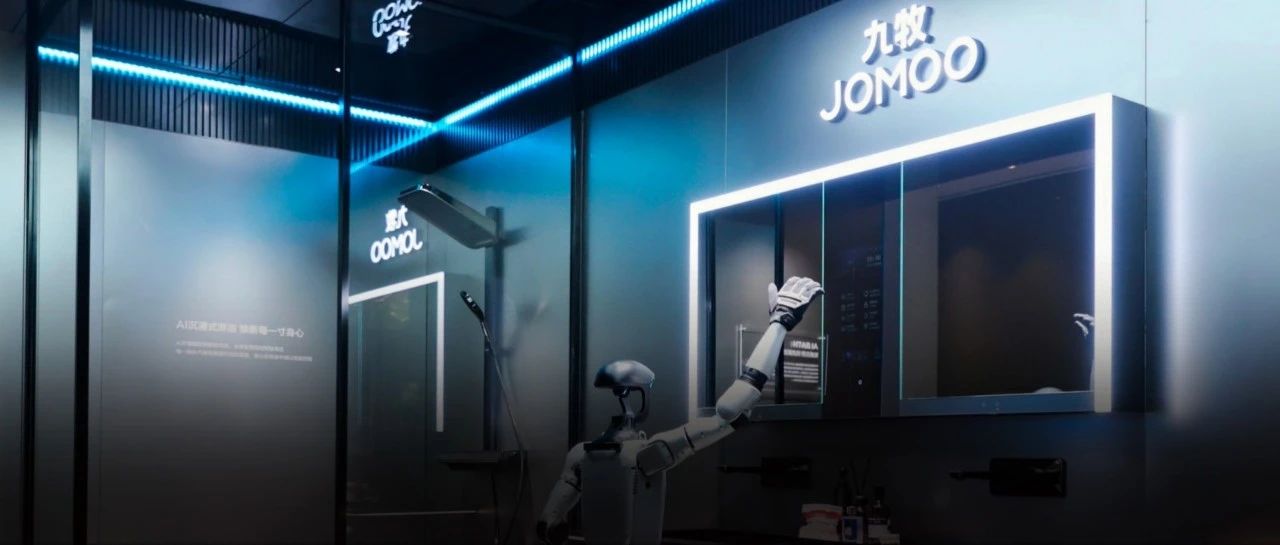
Core Viewpoint - The article discusses the transformative impact of AI on the bathroom industry, highlighting how leading companies like Jomoo are integrating AI to redefine user experiences and drive innovation in the sector [1][3][4]. Group 1: AI and Industry Transformation - The AI revolution is reshaping the manufacturing landscape, moving from traditional mass production to intelligent customization across various sectors, including automotive and home appliances [4][5]. - Jomoo is leveraging AI to enhance bathroom experiences, integrating technology to create a more interactive and health-conscious environment [7][12]. Group 2: Scene-based Innovation - The concept of "scene" is becoming central to the bathroom industry, shifting from mere functionality to creating immersive user experiences [9][12]. - Jomoo's AI BATH initiative introduces innovative scenarios like smart toilets and showers that adapt to user preferences, enhancing emotional well-being and health monitoring [12][14]. Group 3: Home Appliance Integration - The bathroom industry is transitioning towards "home appliance" standards, with AI-driven products becoming essential for modern living [15][18]. - Jomoo's smart toilet technology exemplifies this shift, offering features that enhance user comfort and hygiene while integrating seamlessly into the smart home ecosystem [20][21]. Group 4: Health and Wellness Focus - The bathroom space is positioned as a critical area for health monitoring, with AI enabling continuous data collection and health management [22][25]. - Jomoo's innovations in health monitoring through smart toilets illustrate the potential for preventative health care within everyday routines [26][27]. Group 5: Sustainability and Green Manufacturing - The manufacturing sector is increasingly prioritizing green practices, with AI and digital technologies driving efficiency and sustainability [30][33]. - Jomoo's green manufacturing initiatives demonstrate a commitment to reducing environmental impact while enhancing production efficiency [33][36]. Group 6: International Expansion - Chinese brands, including Jomoo, are expanding globally, focusing on technology, brand building, and cultural integration to compete in international markets [37][40]. - Jomoo's strategic acquisitions and participation in international design exhibitions highlight its ambition to redefine the global bathroom industry [40][42]. Group 7: Future Directions - The future of the bathroom industry is characterized by a convergence of AI, health, sustainability, and user-centric design, positioning companies like Jomoo at the forefront of this evolution [44][45]. - The integration of AI into everyday products is expected to create a more intelligent and responsive living environment, enhancing overall quality of life [45].
九牧进化论:一场AI时代下的卫浴重构
36氪· 2025-06-13 13:31
Core Viewpoint - The article discusses the transformative impact of AI on the bathroom industry, highlighting how leading companies are integrating AI to redefine user experiences and operational efficiencies in the next decade [1][3][4]. Group 1: AI and Industry Transformation - The integration of AI into manufacturing is reshaping the entire value chain, moving from "mass production" to "intelligent customization" [4]. - AI is recognized as a key tool for enhancing the resilience of China's manufacturing sector, which has evolved significantly over the past decade [3][4]. - Companies like Haier and BYD are leveraging AI to innovate and improve efficiency, while bathroom industry leaders like JOMOO are exploring deep integration of AI into their products [1][3]. Group 2: The Five Transformations in the Bathroom Industry - The bathroom space is undergoing a "five transformations" revolution: scenario-based, appliance-like, health-oriented, green, and international [7][44]. - Scenario-based transformation focuses on creating immersive user experiences rather than just functional products, with JOMOO leading the way in this shift [9][12]. - The appliance-like transformation indicates a shift towards smart bathroom products that integrate seamlessly into the home ecosystem, similar to traditional home appliances [15][21]. Group 3: Health and Sustainability - The health-oriented transformation emphasizes the bathroom's role in health monitoring, with JOMOO's AI-enabled products capable of conducting health assessments through daily activities [22][26]. - Sustainability is becoming a core competitive advantage, with companies adopting green manufacturing practices to meet global standards and consumer expectations [30][33]. - JOMOO's green factories demonstrate significant energy savings and reduced emissions, showcasing the potential for sustainable practices in the bathroom industry [33][36]. Group 4: International Expansion - Chinese bathroom brands are increasingly focusing on international markets, with JOMOO leading efforts to establish a global presence through acquisitions and strategic partnerships [37][40]. - The company's participation in international design exhibitions and its expansion into Southeast Asia reflect a commitment to enhancing brand recognition and market share abroad [42][43]. - The global competition is intensifying, with JOMOO positioning itself as a formidable player against established international brands [43].
九牧获评国家旧改标杆,一小时焕新引领“好房子”厨卫升级
Bei Jing Shang Bao· 2025-06-06 11:57
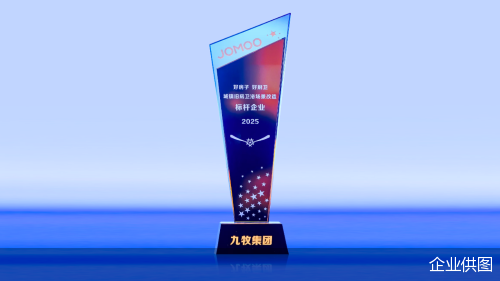
Core Insights - The event "2025 National 'Good House, Good Kitchen and Bathroom' Indoor Healthy Environment Integrated Application Summit" was held in Shanghai, highlighting the importance of quality housing and sanitary environments in urban development [1] - Jomoo was recognized as the only brand awarded the title of "Benchmark Enterprise for Urban Old House Bathroom Scene Renovation" due to its innovative approach in the bathroom renovation sector [1][5] - The summit also marked the initiation of the compilation of the "Good House, Good Kitchen and Bathroom Innovation Application Scene Technical Guidelines," which aims to inject new momentum into the home building materials industry [1][5] Group 1: Jomoo's Initiatives - Jomoo launched the "Official Worry-Free Installation" initiative on May 26, focusing on a "1-hour one-stop professional replacement" service to address common consumer pain points in bathroom renovations [2] - The service promises "1-hour rapid replacement" and "all-inclusive pricing," supported by a vast certified service network for design, products, and installation [2][3] - The initiative has reportedly completed over 100 million service orders, showcasing its strong market presence and consumer acceptance [3] Group 2: Industry Standards and Recognition - Jomoo's recognition as a national benchmark reflects its commitment to the "Urban Renewal" strategy and its ability to address user needs effectively [2][3] - The company is a core drafting unit for the "Good House, Good Kitchen and Bathroom Innovation Application Scene Technical Guidelines," marking its transition from a product manufacturer to a standard setter in the industry [5] - Jomoo's products were also selected as "Quality Trusted Preferred Products (Five-Star)" at the summit, emphasizing its commitment to quality across various product categories [6] Group 3: Technological Advancements - Jomoo introduced two new smart bathroom scene brands, "Jomoo AI BATH" and "Little MOU YOUNG BATH," which incorporate advanced AI technologies for enhanced user experience [7][9] - The "Jomoo AI BATH" features AI voice digital humans and health management functions, representing a significant step towards proactive health services in the bathroom space [7][8] - The company's efforts are seen as redefining the future of bathroom spaces, transitioning from single product competition to a comprehensive ecological approach [8][10]
九牧携手天猫发布场景共创合作计划
Jing Ji Wang· 2025-05-27 08:39
Group 1 - The core theme of the 2025 Jomoo Technology Innovation Conference is "AI Awakens, New Life in Scenarios," where Jomoo launched two new bathroom scene brands: "Jomoo AI BATH" and "Little Jomoo YOUNG BATH" [1] - The strong resilience of China's manufacturing industry is attributed to a well-established innovation ecosystem, consumer willingness to embrace change, and the comprehensive competitive advantages of Chinese companies in price, quality, technology, and service, which are also reflected in the bathroom industry [1] - Jomoo AI BATH is a full-link AI proactive bathroom solution that integrates technologies such as AI voice digital humans, AI perception recognition, and health detection, aiming to create seamless coordination in four scenarios: new toilet, new shower, new washing, and new safety [1] Group 2 - Traditional bathroom products face challenges such as isolated functions, homogeneous designs, and outdated experiences, failing to meet the high-quality demands of consumers, especially younger ones [2] - Jomoo has launched a nationwide old renovation initiative, offering a "Jomoo Official Worry-Free Installation" service to address common pain points in bathroom upgrades, including long timeframes, price transparency, complex processes, and unprofessional installation [2] - The service will cover eight product categories and 62 types of installation scenarios, promising all-inclusive pricing, rapid installation, and official guarantees [2] Group 3 - Jomoo has partnered with Tmall to enhance its technology bathroom products' accessibility to online consumers, focusing on co-creating marketing events like "Super Brand Day" to drive industry trends and consumer engagement [3] - The collaboration aims to innovate in four key areas: audience resonance, scenario co-creation, marketing synergy, and service co-construction, leading the industry towards digitalization and scenario-based experiences [3]
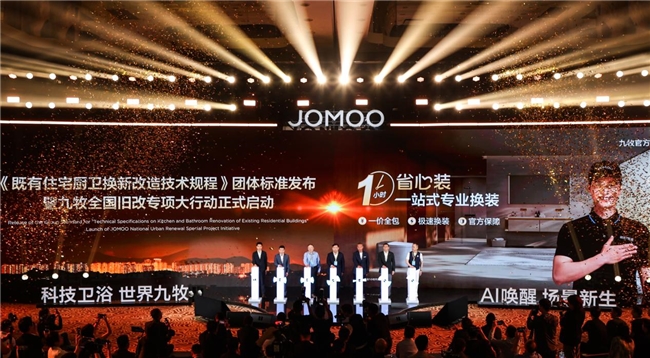
第一参编!九牧发布《既有住宅厨卫换新改造技术规程》团标
Sou Hu Wang· 2025-05-27 00:27
Core Viewpoint - The article highlights the launch of AI-driven innovations in the home improvement sector, particularly in the bathroom and kitchen renovation industry, led by JOMOO, which aims to enhance living quality in line with national standards for housing. Group 1: Industry Transformation - The global bathroom industry leader, JOMOO, held a technology innovation conference in Shanghai, unveiling two new AI-driven brands: JOMOO AI BATH and Xiao Mu YOUNG BATH [1] - JOMOO, as the first participating unit, collaborated with the China Building Materials Industry Economic Research Association to release the group standard for kitchen and bathroom renovation, marking a new phase of standardization and intelligence in home improvement services [1][3] Group 2: Standardization and Quality Improvement - The newly released group standard fills the gap in existing renovation standards, providing a scientific reference for the industry and promoting the advancement of renovation service systems [3] - The standard aims to address the renovation needs of aging residential areas, where issues like outdated facilities and poor insulation are prevalent, thus enhancing overall living quality [4] Group 3: Implementation and Services - To facilitate the implementation of the new standard, JOMOO announced a nationwide renovation initiative, introducing the "JOMOO Official Worry-Free Installation" service, which promises a one-hour, all-inclusive professional installation experience [6] - This service will address common consumer pain points such as long renovation times, lack of price transparency, and unprofessional service, covering eight product categories and 62 renovation scenarios [6] Group 4: Consumer Engagement and Promotions - JOMOO has launched various promotional activities, including "National Subsidy Season" and partnerships with major platforms like Red Star Macalline and JD.com, to provide consumers with tangible benefits and convenience [9] - The company has established over 4,000 service points nationwide, employing more than 10,000 service engineers, and has completed over 100 million service orders, demonstrating its commitment to quality and customer service [9]