乾崑智驾ADS

Search documents
B柱增加“乾崑智驾ADS”标识 新款阿维塔12亮相
Zhong Guo Zhi Liang Xin Wen Wang· 2026-01-30 07:50
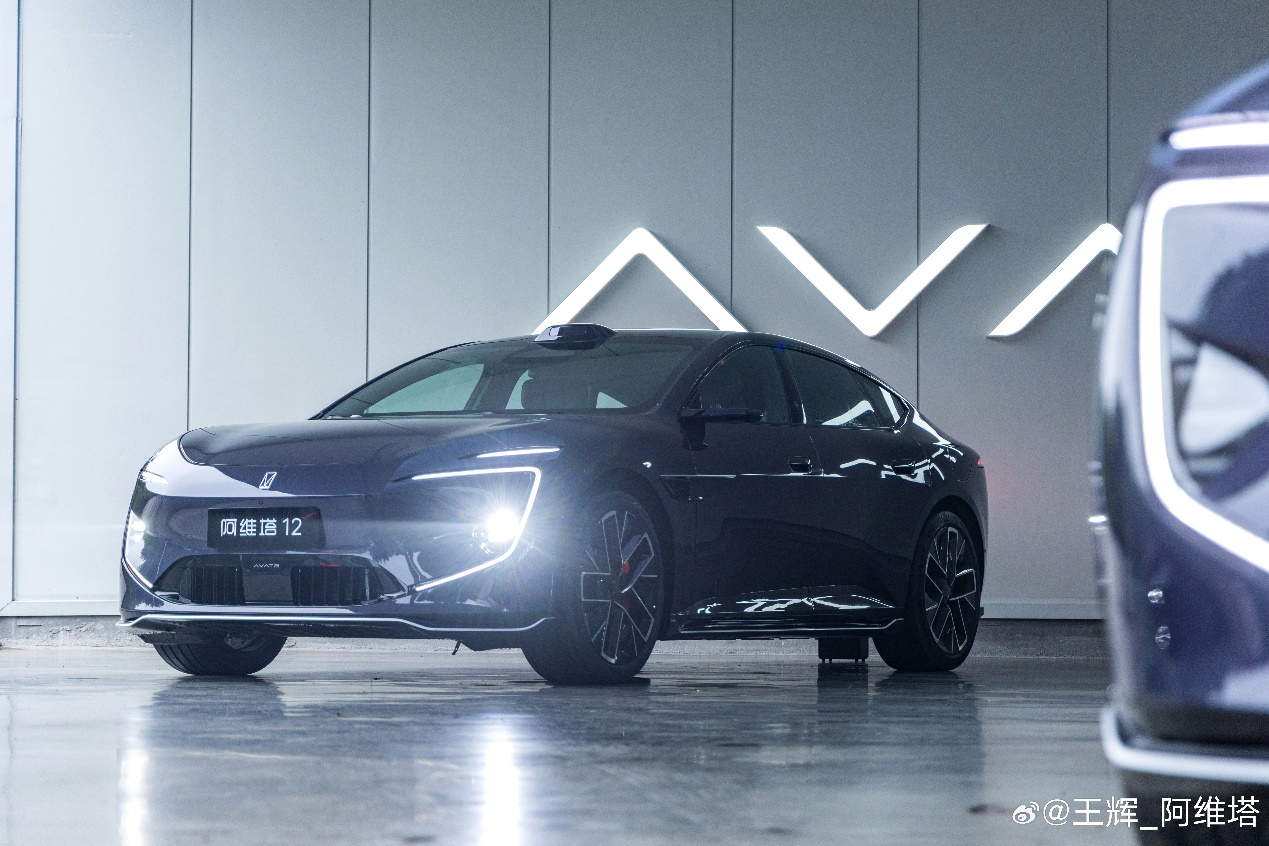
Group 1 - The chairman of Avita Technology, Wang Hui, unveiled new photos of the Avita 12, which features a top-mounted LiDAR and a new "Qian Kun Intelligent Driving ADS" label on the B-pillar [1][4] - The exterior design of the vehicle continues the family style of Avita, with minor adjustments, including a C-shaped light strip on the front and an upgraded resolution and detection range for the LiDAR, which has been moved from the front bumper to above the windshield [3] - The vehicle's dimensions are 5020×1999×1470(1460) mm, with a wheelbase of 3020 mm [4] Group 2 - Wang Hui and Huawei's Intelligent Automotive Solutions BU CEO, Jin Yuzhi, experienced the new model together, with Jin commenting that the new Avita 12 is the first model following the upgrade of their strategic cooperation to version 2.0, featuring Huawei's latest four-laser solution [6] - The new model is expected to significantly enhance chassis control, safety capabilities, and intelligent experience [6]

新款阿维塔12实车曝光 采用“乾崑智驾ADS”标识
Zheng Quan Shi Bao Wang· 2026-01-19 12:05
Core Viewpoint - Huawei and Avita Technology are collaborating on the development of new automotive models, with a focus on smart manufacturing and advanced driving systems [1] Group 1 - On January 19, Huawei's Intelligent Automotive Solutions BU CEO Jin Yuzhi and Avita Technology Chairman Wang Hui visited the Avita smart manufacturing base [1] - The new Avita 12 vehicle was unveiled, featuring the "Qian Kun Intelligent Driving ADS" label on the B-pillar [1] - Avita and Huawei plan to launch four new models together by 2026 [1]
华为乾崑:从生态共荣到价值普惠 重塑智能出行本质
Zhong Guo Zheng Quan Bao· 2025-11-27 23:45
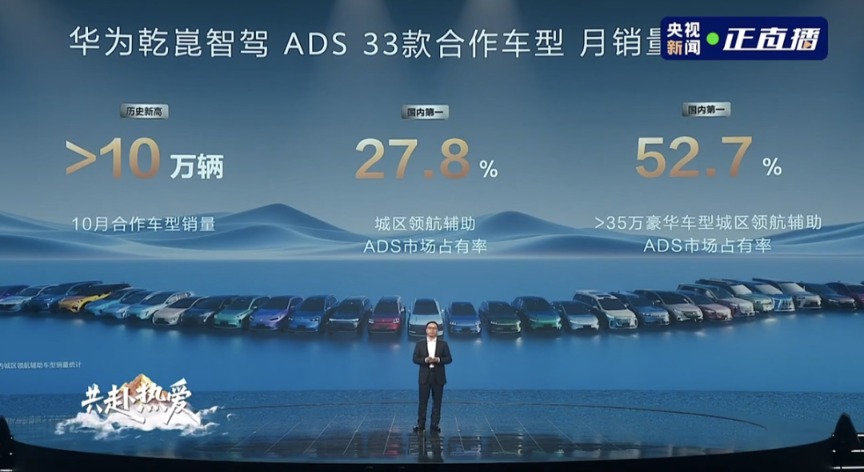
Core Insights - Huawei's strategy focuses on "not manufacturing cars, but helping car manufacturers build better cars," aiming to create a new paradigm for smart mobility through "technology inclusivity" and "ecosystem co-creation" [1] - The company has expanded its partnerships to include 14 automakers and 33 mass-produced models, emphasizing a collaborative approach rather than merely technology output or market scale [1] Technology Development - The upgraded ADS Pro features the first mass-produced cabin laser vision Limera, enhancing forward perception capabilities and supporting urban navigation assistance [2] - The all-dimensional collision avoidance system has been upgraded to CAS 4.0, providing comprehensive safety coverage across various conditions [2] - The urban NCA function will be available in over 20 models by Q1 2026 and will also be accessible in models priced at 150,000 yuan, promoting wider access to advanced driving assistance [2] Product Matrix Expansion - Huawei's ecosystem aims to meet diverse consumer needs across different price ranges, from entry-level to luxury vehicles, ensuring users do not have to compromise between budget and smart features [3] - The newly announced "Jing" series enhances the product matrix, with models like GAC's "Qijing" and Dongfeng's "Yijing" targeting specific market segments while integrating Huawei's smart mobility solutions [3] Sales Milestone - In October 2025, sales of vehicles equipped with Huawei's smart driving technology surpassed 100,000 units in a single month, marking a significant milestone for the company [4] Value Evolution - Huawei's OTA technology is redefining the lifecycle value of vehicles, allowing continuous software upgrades that enhance vehicle performance and user experience [5][6] - The OTA upgrades have led to increased vehicle retention and user engagement, with a 95.2% active user ratio for Huawei's smart driving technology [6] Industry Impact - The Chinese Passenger Car Industry Alliance Secretary General highlighted that Huawei's ecosystem is driving technological progress and enhancing user experience, positioning Chinese automakers for a competitive advantage in the global smart mobility landscape [7]
重塑智能出行本质!华为乾崑:从生态共荣到价值普惠
Zhong Guo Zheng Quan Bao· 2025-11-27 14:32
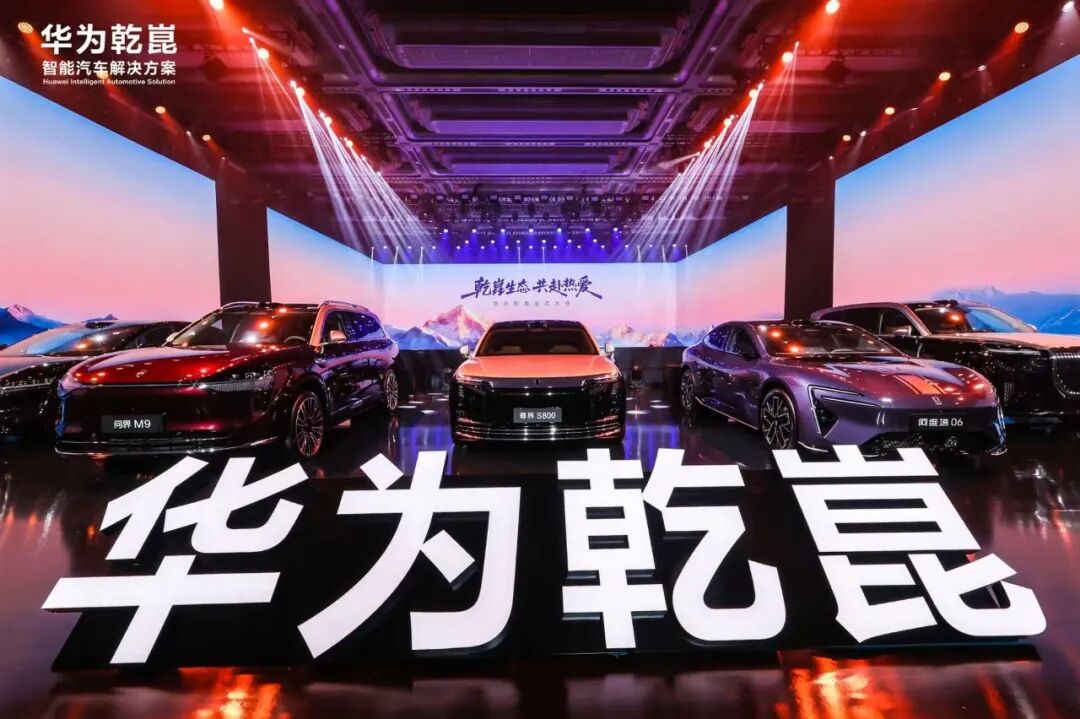
Core Insights - Huawei's strategy focuses on "not manufacturing cars, but helping car manufacturers build better cars," emphasizing a collaborative ecosystem for smart mobility [1][3] - The Huawei QianKun ecosystem has expanded to include 14 car manufacturers and 33 mass-produced models, aiming to redefine the value relationship between products, services, manufacturers, and users in the smart automotive sector [3][11] Technology Development - The upgrade of Huawei QianKun's ADS Pro features the first mass-produced cabin laser vision system, enhancing forward perception capabilities and supporting advanced urban navigation assistance [3][4] - The full-dimensional collision avoidance system has been upgraded to CAS 4.0, providing comprehensive safety coverage across various scenarios [3][4] - The urban NCA function will be available for models priced at 150,000 yuan and above, making advanced driving assistance more accessible to a broader user base [4][11] Market Positioning - Huawei QianKun's ecosystem aims to meet diverse consumer needs across different price segments, from entry-level to luxury vehicles, ensuring that users do not have to compromise between budget and smart features [6][8] - The newly announced "Jing" series further enriches the product matrix, targeting both high-end and family markets with tailored solutions [6][8] Value Evolution - The OTA (Over-The-Air) updates redefine the lifecycle value of vehicles, allowing continuous software upgrades that enhance user experience and vehicle performance [9][11] - The high user engagement rate of 95.2% for QianKun's smart driving system indicates strong user recognition of the value added through OTA updates [9][11] Industry Impact - Huawei QianKun is accelerating the transition of smart technology from being a premium option to a standard feature in vehicles, aiming to increase the adoption of advanced driving assistance systems in China [11] - The initiative supports the broader goal of positioning Chinese automotive manufacturers at the forefront of the global smart mobility revolution [11]
华为“最强境”奕境开启招商:东风与华为合力的境系列旗舰胜算几何?
经济观察报· 2025-11-23 07:33
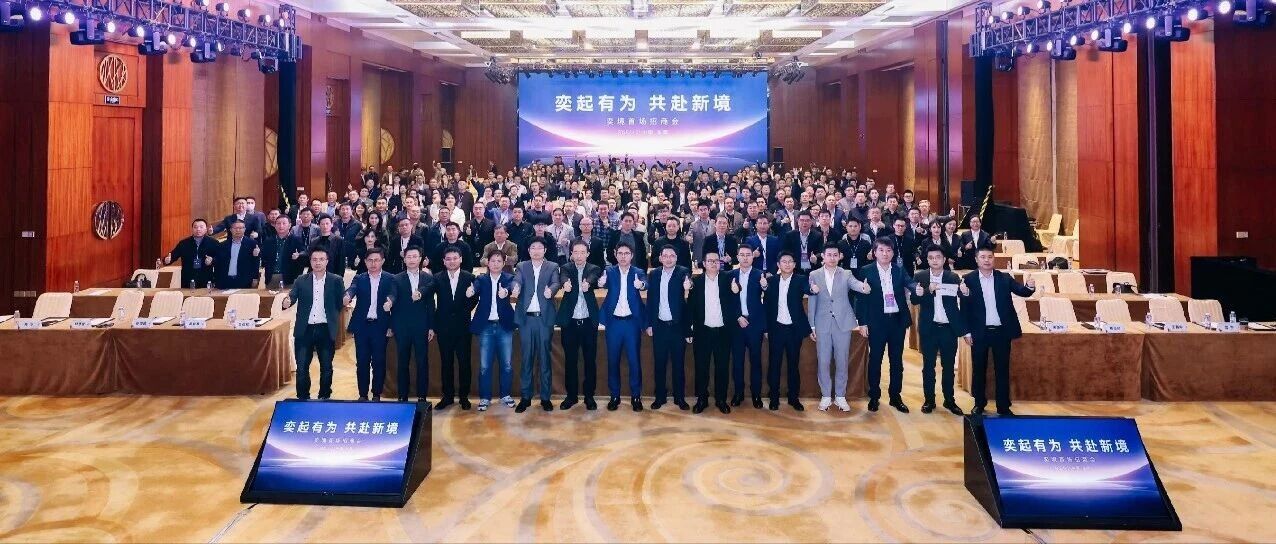
Core Viewpoint - The collaboration between Dongfeng and Huawei to create the "Yijing" brand represents a new paradigm in the automotive industry, focusing on high-end household electric vehicles with significant investment and a dedicated team for three years [1][4]. Group 1: Strategic Collaboration - Dongfeng and Huawei have established a new cooperative model, investing over 10 billion yuan and forming a specialized team to develop the "Yijing" brand [1][4]. - The "Yijing" brand aims to leverage Dongfeng's insights from over 60 million family users and Huawei's advanced technologies to create a flagship product in the high-end household electric vehicle market [4][6]. Group 2: Market Positioning - The high-end electric vehicle market is experiencing substantial growth, with household models making up a significant portion of this segment [6]. - "Yijing" is positioned to meet the needs of families seeking high-quality living, integrating smart technology and reliable performance [6][8]. Group 3: Channel Strategy - The "1+N" channel model will be implemented, focusing on a user center as the core hub, complemented by multiple lightweight retail points to enhance service quality for high-end family users [6][7]. - The strategy aims to reduce internal competition among dealers while ensuring precise service for family users, with a clear regional protection mechanism to secure profitability [7]. Group 4: Future Outlook - The first model of "Yijing" is expected to debut at the 2026 Beijing Auto Show, with plans to launch at least one new model annually to build a comprehensive high-end household product lineup [7]. - The collaboration between Dongfeng and Huawei is seen as a benchmark for partnerships between state-owned enterprises and tech companies, potentially setting a new standard for traditional automakers transitioning to high-quality development in the electric vehicle sector [8].

华为“最强境”奕境开启招商:东风与华为合力的境系列旗舰胜算几何?
Jing Ji Guan Cha Bao· 2025-11-23 06:53
Core Insights - The collaboration between Dongfeng and Huawei aims to establish the "Yijing" brand, targeting the high-end household electric vehicle market as the penetration rate of new energy vehicles in China is expected to rise by 2025 [2][4] - The partnership represents a new entrepreneurial venture for both companies, with a commitment to invest 10 billion yuan and develop a unique cooperative model [4][5] Industry Trends - The high-end electric vehicle market is experiencing significant growth, with household models making up a large portion of this segment [7] - The shift from "technology competition" to "experience competition" in the electric vehicle sector aligns with Yijing's positioning [7] Strategic Initiatives - Yijing has introduced a "1+N" channel model to create a service network tailored for high-end family users, emphasizing a user-centered approach [7][8] - The initial focus will be on the top 50 cities, with plans for gradual nationwide expansion [8] Market Validation - The dual endorsement from Dongfeng and Huawei has reduced market risks, while the clear regional protection mechanism ensures profitability for dealers [8] - The launch of the first Yijing model is planned for the 2026 Beijing Auto Show, with a commitment to release at least one new model annually [8]

华为 “五界”“两境”
Shang Hai Zheng Quan Bao· 2025-11-20 15:09
Core Insights - Huawei is building a robust smart connected vehicle ecosystem through its "QianKun" intelligent automotive solution, without manufacturing cars itself [1] - The "2025 Huawei QianKun Ecosystem Conference" showcased new brands like "Yijing" and "Qijing," alongside existing partnerships with brands such as Avita and Audi, enhancing Huawei's automotive ecosystem [1] - Huawei's QianKun intelligent driving solution has captured over 50% market share in the high-end segment priced above 350,000 yuan, with cumulative assisted driving mileage exceeding 5.8 billion kilometers [1][7] Market Performance - As of October, Huawei's QianKun intelligent driving system (ADS) has become the preferred choice for users, with key metrics leading the domestic market: 5.81 billion kilometers of assisted driving, 20 million instances of parking assistance, and a monthly active user rate of 95.2% [7] - The market share for urban navigation assistance (NCA) in the ADS segment reached 27.8%, surpassing the combined share of the second and third competitors, while the share in the luxury segment (over 350,000 yuan) stands at 52.7% [7] Product Development - Huawei's QianKun ADS Pro's urban navigation assistance feature will be available for models priced at 150,000 yuan and above starting in 2024, with over 20 new models expected to support this feature [8] - The new brand "Yijing," developed in collaboration with Dongfeng Motor, was officially announced at the conference, with the first model set to debut at the Beijing Auto Show in April 2024 [10][11] Strategic Partnerships - The partnership between Huawei and Dongfeng, which has lasted 15 years, aims to create a vehicle that exceeds user expectations and integrates seamlessly into daily life [10] - The "Qijing" brand, developed in collaboration with GAC Group, is positioned as a high-end smart electric vehicle brand, with two models expected to launch in 2026 [11]