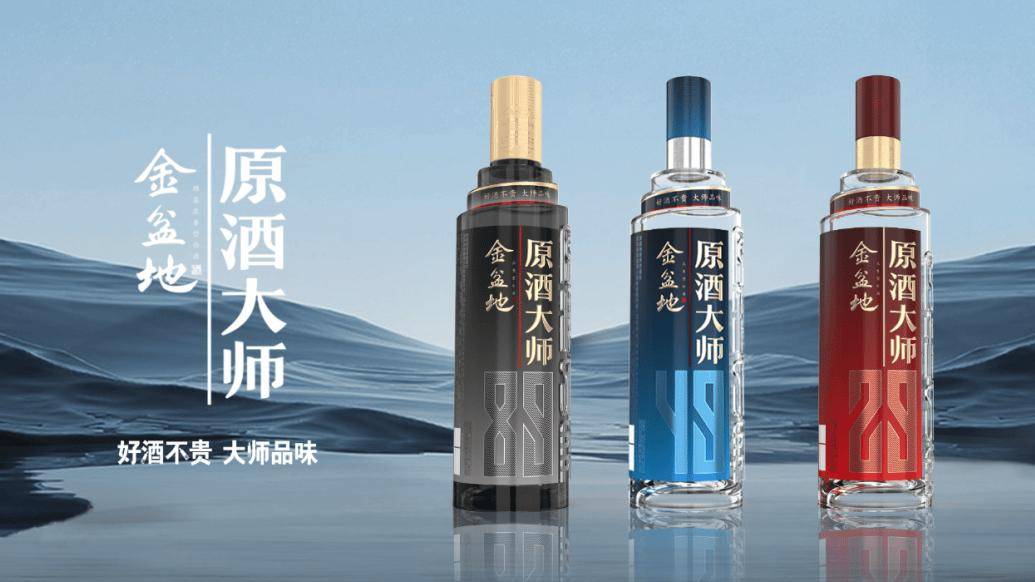
仰韶酒

Search documents
2025年度事件⑤ | 大众酒崛起
Sou Hu Cai Jing· 2026-01-09 02:46
Core Insights - The Chinese liquor industry is undergoing a restructuring phase in 2025, characterized by price fluctuations, changes in consumption scenarios, and channel model transformations, leading to a new period of value consolidation [2][4] - The rise of mass-market liquor is not merely a result of consumer downgrading but reflects a systemic value return in liquor consumption logic amid significant changes in the era [5][6] Industry Events - Event 1: "Prohibition Order" impacting consumption patterns [4] - Event 2: Liquor production recognized as a "historical classic industry" [4] - Event 3: Fluctuations in liquor prices affecting market dynamics [4] - Event 4: Collective reduction in alcohol content across products [4] Market Dynamics - The mass-market liquor segment is experiencing a significant rise, with companies launching products priced around 100-300 yuan, indicating a shift towards more affordable options [4][5] - By 2024, the overall revenue from mass-market liquor is expected to exceed 150 billion yuan, with over 70% of sales volume coming from this price range by mid-2025 [4][5] Consumer Behavior - Consumers, particularly the younger generation, are prioritizing quality over brand prestige, leading to a preference for affordable yet high-quality liquor [5][6] - The mass-market segment is becoming a necessity in daily consumption, focusing on high-frequency, essential, and cost-effective products [5][6] Industry Trends - The mass-market liquor sector is projected to maintain a growth rate exceeding 15%, driven by major liquor companies enhancing their offerings in this category [6] - The competition within the 100-300 yuan price range is intensifying, with established brands pushing for better quality and product diversity [6][7] Strategic Implications - The shift towards mass-market liquor signifies a transition from channel-driven to consumer-driven dynamics in the industry, reflecting a maturation process [7] - Companies are compelled to invest more in product innovation, quality enhancement, and consumer engagement, leading to a potential reshaping of the industry landscape [7]

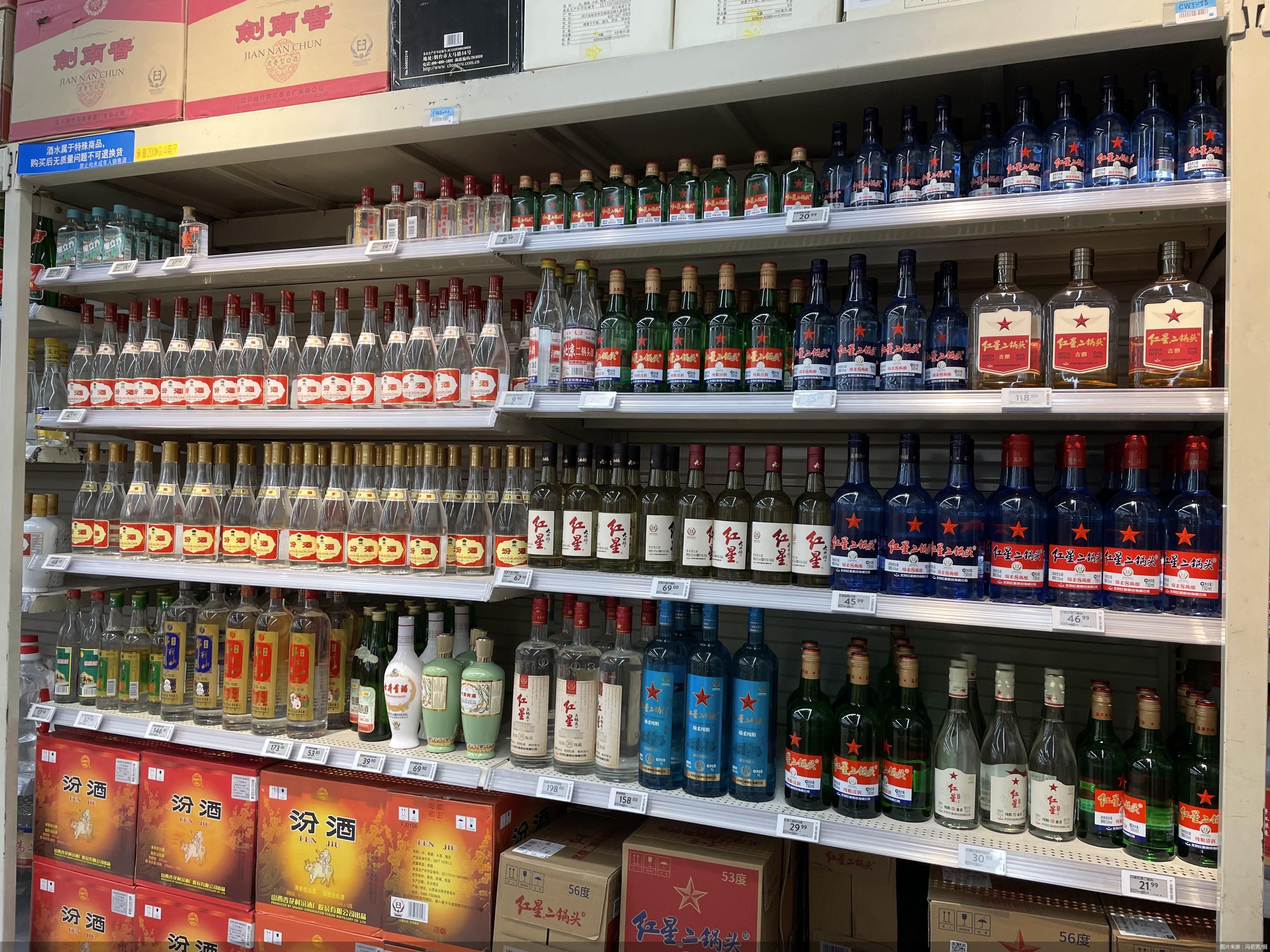
产品“拥挤”、利润空间低 光瓶酒新生态重构进行时
Bei Jing Shang Bao· 2025-11-18 13:50
Core Insights - The light bottle liquor market is becoming one of the hottest segments in the liquor industry, with a growing number of new products entering the market while profit margins remain challenging [1][5][8] - The competition in the light bottle liquor sector is intensifying, leading to a potential reshuffling of market dynamics as new consumption logic and ecosystems emerge [1][10] Market Dynamics - Major brands in the light bottle liquor market include Niulanshan, Hongxing, Fenjiu, and Tuopai, with a significant focus on the 50 yuan price range [2][5] - Approximately 30% of light bottle liquor products are priced below 40 yuan, 50% between 40-100 yuan, and only 20% above 100 yuan [2] Competitive Landscape - The entry of numerous participants into the light bottle liquor market is driven by the contraction of high-end liquor consumption and a shift towards mass-market consumption [6][7] - Retailers are also entering the light bottle liquor space, with Walmart and Hema launching their own products, indicating a crowded market [6][7] Growth Potential - The light bottle liquor market is projected to exceed 150 billion yuan in 2024, with a compound annual growth rate of 17%, significantly outpacing the overall industry [7][8] - Companies like Shanxi Fenjiu are seeing substantial revenue growth, with the "other liquor" category, including light bottles, expected to reach 93.42 billion yuan in 2024 [7] Profitability Challenges - Despite the market's growth, light bottle liquor products face low profit margins, with many products below 50 yuan having gross margins of 40% or less, compared to the industry average of 67.32% [9][10] - The intense competition and low pricing strategies may lead to the elimination of some smaller liquor companies [9] New Ecosystem Development - The light bottle liquor market is transitioning from a low-price volume strategy to a focus on quality, creating a new industry ecosystem and pricing structure [10][11] - High-end light bottle products are becoming increasingly important, with a significant shift in consumer preferences towards products priced between 50-100 yuan [10][11] Marketing Evolution - The marketing strategies for light bottle liquor are evolving from traditional promotional tactics to more sophisticated, systematized approaches that emphasize brand and digital marketing [12] - A comprehensive and refined marketing management system is essential for the future development of light bottle liquor brands [12]
从中原到大阪 河南借世博舞台拓展国际“朋友圈”
He Nan Ri Bao· 2025-08-26 23:13
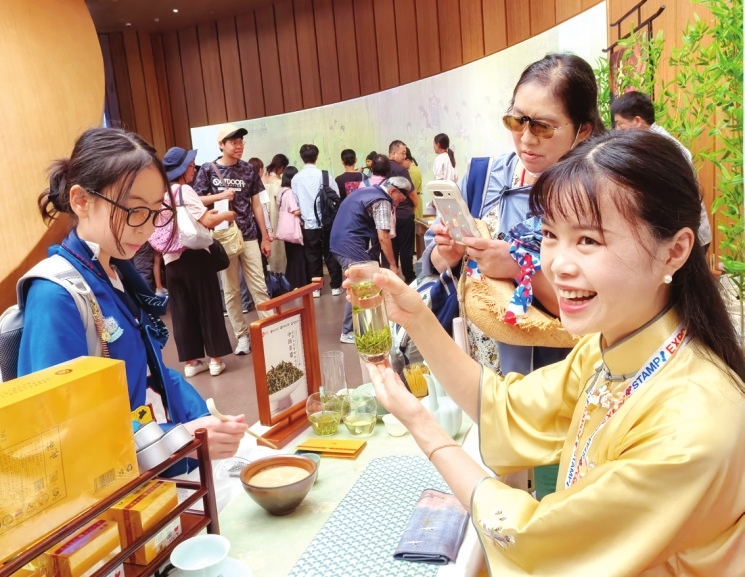
Core Points - The event in Osaka showcased Henan's rich cultural heritage and economic opportunities, attracting international attention and participation [6][10][16] - The activities included cultural performances, trade promotion, and immersive experiences, highlighting Henan's unique charm and innovation [7][11][12] Cultural Showcase - The event featured traditional performances such as ancient music and unique crafts like Kaifeng woodblock paintings, which captivated international visitors [5][7] - Artifacts like oracle bones from Anyang were displayed, emphasizing Henan's historical significance and cultural richness [8] Economic Cooperation - The "China (Henan) - Japan Economic Cooperation and Cultural Exchange Conference" was held to promote Henan's industries and investment opportunities to Japanese enterprises [10][13] - Nearly 40 Henan companies engaged in face-to-face discussions with 60 Japanese firms, fostering new collaboration opportunities [13] Innovation and Development - The theme "Innovative Henan, Cooperative Win-Win" was highlighted, showcasing the province's commitment to innovation and modern industry development [11] - Notable companies like Super Fusion and Mixue Ice City were presented as examples of Henan's thriving business landscape [11] Environmental Focus - The event emphasized Henan's commitment to ecological protection and sustainable development, showcasing its natural beauty and resources [12] - Promotional materials highlighted the province's efforts in building a modern industrial system and enhancing environmental conservation [12] International Engagement - The activities included various city-specific days, such as Xuchang and Anyang, aimed at strengthening cultural and economic ties with Japan [10][15] - Agreements were signed between Henan companies and Japanese firms, indicating a strong interest in cross-border collaboration [14][15]
光瓶酒市场爆发:名酒扎堆背后的消费逻辑重构
Xin Lang Cai Jing· 2025-08-12 10:34
Core Insights - The "light bottle" trend in the liquor industry is gaining momentum, with companies like Yanghe and Yilite launching new products and strategies to capitalize on this shift from "face economy" to "substance demand" [1][2] Market Overview - The light bottle liquor market is projected to exceed 150 billion yuan in 2024 and reach 200 billion yuan in 2025, with the 50-100 yuan price range experiencing over 40% growth [2] - The shift towards light bottle liquor is driven by rational consumer behavior and industry adjustments, moving from low-cost competition to a quality-driven phase due to new national standards [2] Competitive Landscape - The market is becoming increasingly competitive, with brands like Guojiao, Green Neck Xifeng, and Shunpinlang emerging in the 60 yuan price range, leading to high-density competition in regional markets [3] - Companies are adopting innovative strategies, such as Yanghe's collaboration with JD.com for online and offline market penetration, and creating lifestyle associations with products [3] Challenges and Opportunities - Despite the promising outlook, the industry faces challenges such as severe homogenization, limited consumption scenarios, and distorted price ranges [4] - The dominance of low-priced light bottle liquor continues to perpetuate the stereotype of "light bottle equals low-end," which needs to be addressed through quality upgrades and brand premiumization [4] - The entry of well-known brands is accelerating industry consolidation, presenting both challenges and opportunities for small and medium-sized enterprises to differentiate themselves [4]
行业激辩光瓶酒热潮,行业风口还是泡沫隐忧?
Sou Hu Cai Jing· 2025-08-07 11:10
Core Viewpoint - The Chinese liquor industry is undergoing a transformative "light bottle revolution," shifting focus from high-end products to a competitive landscape in the 30-80 yuan price range by 2025, as major liquor companies adjust their strategies to capture the mass market while regional brands fight for survival [1][2]. Group 1: Market Dynamics - Major liquor brands are engaging in fierce competition within the 30-80 yuan price range, marking a significant shift from previous high-end market strategies [1]. - New product launches include various light bottle offerings, such as Yili's "Grain Warehouse" series at 28 yuan and Yanghe's high-line light bottle at 59 yuan, indicating a trend towards more affordable options [3][4]. - The competition in the light bottle segment is intensifying, with numerous brands entering the market, including established names like Luzhou Laojiao and Gujing Gongjiu [6]. Group 2: Industry Perspectives - Experts express concerns about the oversaturation of the light bottle market, suggesting that the current trend may lead to a survival of the fittest scenario, where only the strongest brands will prevail [10][11]. - There is a split in industry perception regarding the shift to light bottles, with some viewing it as a rational response to consumer preferences for simplicity, while others warn of potential pitfalls in a crowded market [8][10]. - The consensus among industry leaders is that while the light bottle trend presents opportunities, it also carries significant risks, particularly for smaller brands lacking the necessary resources [10][11]. Group 3: Strategies for Success - To navigate the competitive landscape, liquor companies should focus on three key strategies: understanding consumer demand, enhancing product differentiation, and precise market positioning [13][15]. - Companies are advised to innovate their products and maintain high quality to stand out in the light bottle market, as quality is deemed essential for success [17]. - Emphasizing market focus and adapting to consumer trends, such as personalization and high cost-performance ratios, will be crucial for brands aiming to thrive in the evolving market [15][17].

牛栏山二锅头也没人喝了?顺鑫农业上半年净利跌近六成
Guan Cha Zhe Wang· 2025-07-19 09:17
Core Viewpoint - The performance of Beijing Shunxin Agriculture Co., Ltd. is declining significantly due to the deep adjustment in the liquor industry, with a projected net profit drop of 53.85% to 63.32% for the first half of 2025 compared to the previous year [1][2]. Financial Performance - The expected net profit for the first half of 2025 is between 155 million to 195 million yuan, down from 423.57 million yuan in the same period last year [1][2]. - Basic earnings per share are expected to decrease from 0.5697 yuan to below 0.2629 yuan, a decline of approximately 54% [1][2]. - In 2023, the company reported net losses of 673 million yuan and 296 million yuan in 2022, indicating a trend of financial struggles [3]. Business Segments - The liquor segment contributes nearly 80% of the company's revenue, primarily through its "Niulanshan" and "Ningcheng" brands [2][3]. - The liquor sales model relies heavily on distribution partnerships, with a focus on both local and regional markets [3]. Market Trends - The light bottle liquor market is experiencing rapid growth, with its market size projected to increase from 352 billion yuan in 2013 to 1500 billion yuan by 2024, reflecting a compound annual growth rate of 13.8% [5]. - The price range of 50-100 yuan is identified as a key growth driver, with expectations for the market to exceed 2000 billion yuan by 2025 [5]. Competitive Landscape - The entry of numerous brands into the light bottle liquor segment is intensifying competition, posing challenges for Shunxin Agriculture [7]. - Major liquor companies are increasingly focusing on high-quality light bottle products to capture market share, which may further pressure Shunxin's performance [6][7].


一瓶几十元,白酒巨头狂卷光瓶酒
Xin Lang Cai Jing· 2025-07-16 05:50
Group 1 - The core viewpoint of the article highlights the growing popularity of low-priced "light bottle" liquor in the Chinese market, as high-end liquor brands struggle with price declines and sales challenges [1][14][16] - Major liquor companies are launching new products in the light bottle segment, with notable examples including Yanghe's "Yanghe Daqu High Line Light Bottle Liquor" priced at 59 yuan, which sold over 10,000 bottles in 48 hours [1][4] - The light bottle liquor market has reached a scale of approximately 1.5 trillion yuan in 2024, with continued growth expected in 2025, making it one of the most dynamic segments in the liquor industry [3][10] Group 2 - Consumer behavior is shifting towards more rational choices, with a significant portion of consumers prioritizing cost-effectiveness and practicality in their liquor purchases [10][11] - The traditional light bottle liquor market, represented by brands like Niulanshan and Baijiu, has established a strong presence, while new entrants are emerging to capture market share amid changing consumer preferences [7][9] - The competitive landscape is intensifying as more companies enter the light bottle segment, leading to concerns about market saturation and the ability to maintain quality and differentiation [17][18] Group 3 - The high-end liquor market, particularly brands priced above 1,000 yuan, is experiencing significant price declines, with major brands like Moutai and Wuliangye seeing their market prices drop below their official guidance prices [16][17] - The shift towards light bottle liquor reflects a broader trend in the industry where companies are adapting to consumer demands and seeking new growth opportunities in a challenging market environment [15][17] - The light bottle segment is increasingly viewed as a mainstream choice, moving away from its previous perception as a low-end product, and is now seen as a potential growth engine for liquor companies [17][18]






扎堆光瓶酒,酒企应对调整期的良策?
Sou Hu Cai Jing· 2025-07-09 21:37
Core Insights - The bottled liquor market is experiencing significant growth, with major brands launching new products and strategies to capitalize on this trend [2][5][7] Market Dynamics - The bottled liquor market has expanded from 35.2 billion RMB in 2013 to 98.8 billion RMB in 2021, with a compound annual growth rate (CAGR) of 13.8%. It is projected to reach 150 billion RMB by 2024, maintaining a 16% annual growth rate from 2022 to 2024 [7] - The under 100 RMB price segment is currently the best-performing in the liquor market, with bottled liquor accounting for over 60% of this segment [7] Consumer Trends - Young consumers, particularly those born in the 1980s and 1990s, are driving the demand for bottled liquor, favoring quality and cost-effectiveness over packaging [9] - The "strictest alcohol ban" has negatively impacted high-end liquor sales, while bottled liquor remains resilient due to its popularity in casual dining settings [9] Competitive Landscape - The market is becoming increasingly crowded, leading to intensified competition among brands [10] - To stand out, brands must focus on building strong identities and value propositions, as well as developing product lines that cater to diverse consumer preferences [11] Strategic Recommendations - Emphasizing branding and systematic marketing strategies is essential for success in the bottled liquor market [12] - Companies should prioritize direct consumer engagement and create sample markets to enhance brand recognition and loyalty [11][12]