白酒行业调整期

Search documents
洋河以百亿大单品+健康渠道,叩响2026白酒复苏之门
Zhong Jin Zai Xian· 2026-01-27 07:17
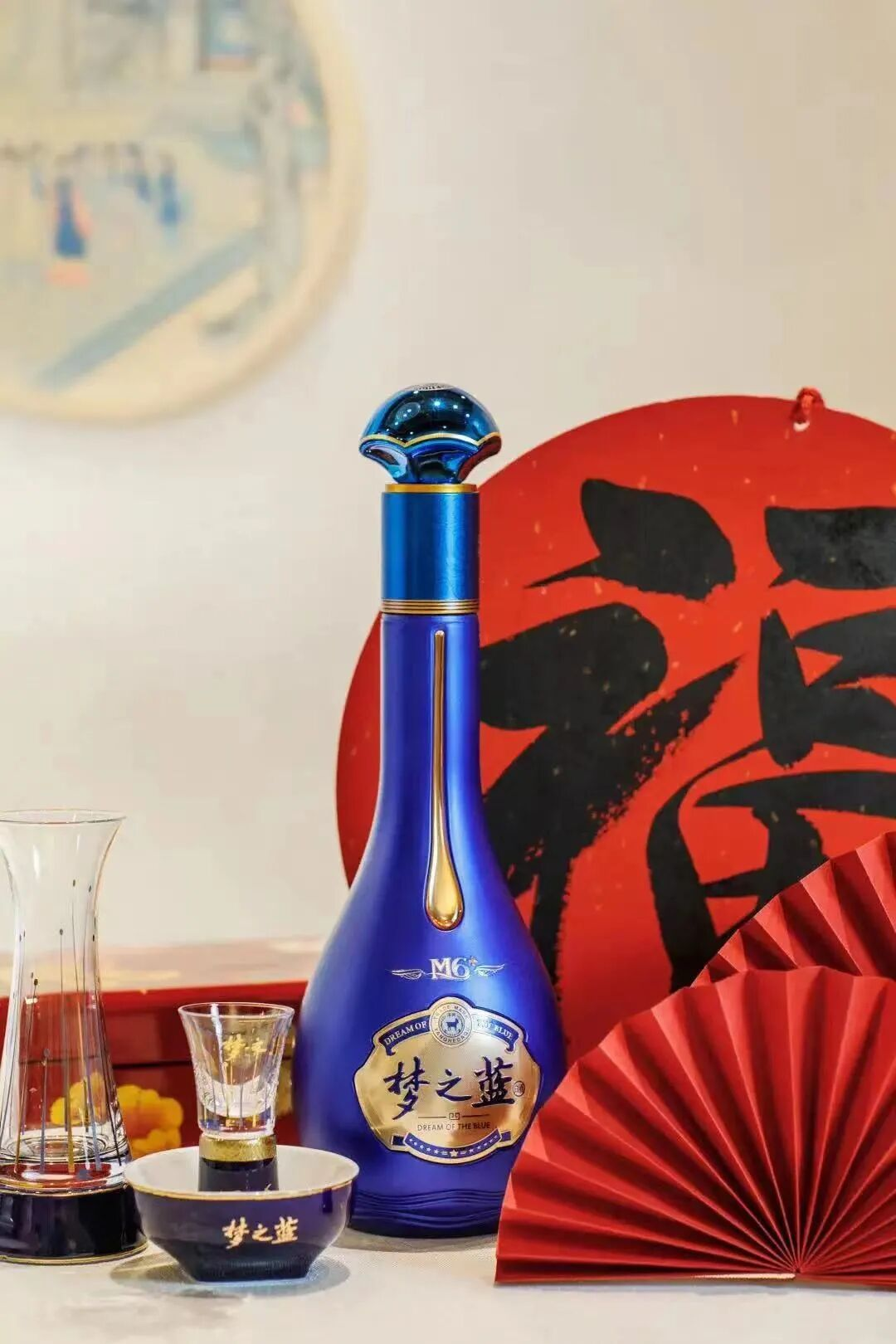
Core Insights - The core viewpoint of the articles highlights Yanghe's resilience and strategic positioning in the white liquor industry amidst a period of adjustment and price competition, showcasing its ability to maintain brand value and market presence [1][2][4]. Industry Overview - The white liquor industry is undergoing a deep adjustment, shifting from "scale expansion" to a focus on value, with consumers becoming more rational in their purchasing decisions [2]. - The industry is experiencing a price inversion dilemma, testing the true strength of enterprises during this adjustment period [2]. Company Strategy - Yanghe has implemented a "combination punch" strategy to navigate the current market challenges, with its flagship product, Dream Blue M6+, serving as a value benchmark in the market [2][4]. - Starting in 2025, Yanghe has enforced strict quota controls on Dream Blue M6+ to prevent low-price dumping, thereby protecting brand value and dealer interests [4]. - The company is refreshing its product matrix to adapt to diversified consumer trends, with a focus on high-quality offerings and innovative products targeting younger demographics [4]. Competitive Advantages - Yanghe possesses unique production and storage advantages, including the largest certified liquor cellar group and a storage capacity of 1 million tons, which supports the quality stability of its high-end products [5]. - The company has chosen to slow down its operations strategically, allowing for channel health maintenance and inventory reduction, which is seen as a wise move during industry downturns [5]. Market Positioning - Yanghe is positioned for a potential market rebound in 2026, with its core product, Dream Blue M6+, nearing a scale of 10 billion yuan, which is expected to drive performance recovery [7]. - The company has demonstrated resilience through its national and global market strategies, achieving growth in overseas markets even during domestic pressures [7]. - Yanghe's channel ecosystem has improved significantly, with effective inventory reduction strategies leading to healthier channel conditions [7]. Investor Sentiment - Confidence in Yanghe is growing among capital market participants, with several institutions recommending "buy" or "hold" ratings, citing the company's unchanged brand value and channel network advantages [8]. - The proactive adjustments made by Yanghe in 2025 are seen as foundational for future growth, with expectations of a strong recovery as market conditions improve [8].


刘晓庆、梁朝伟、岳云鹏...白酒旺季明星扎堆代言|观酒周报
2 1 Shi Ji Jing Ji Bao Dao· 2026-01-26 09:18
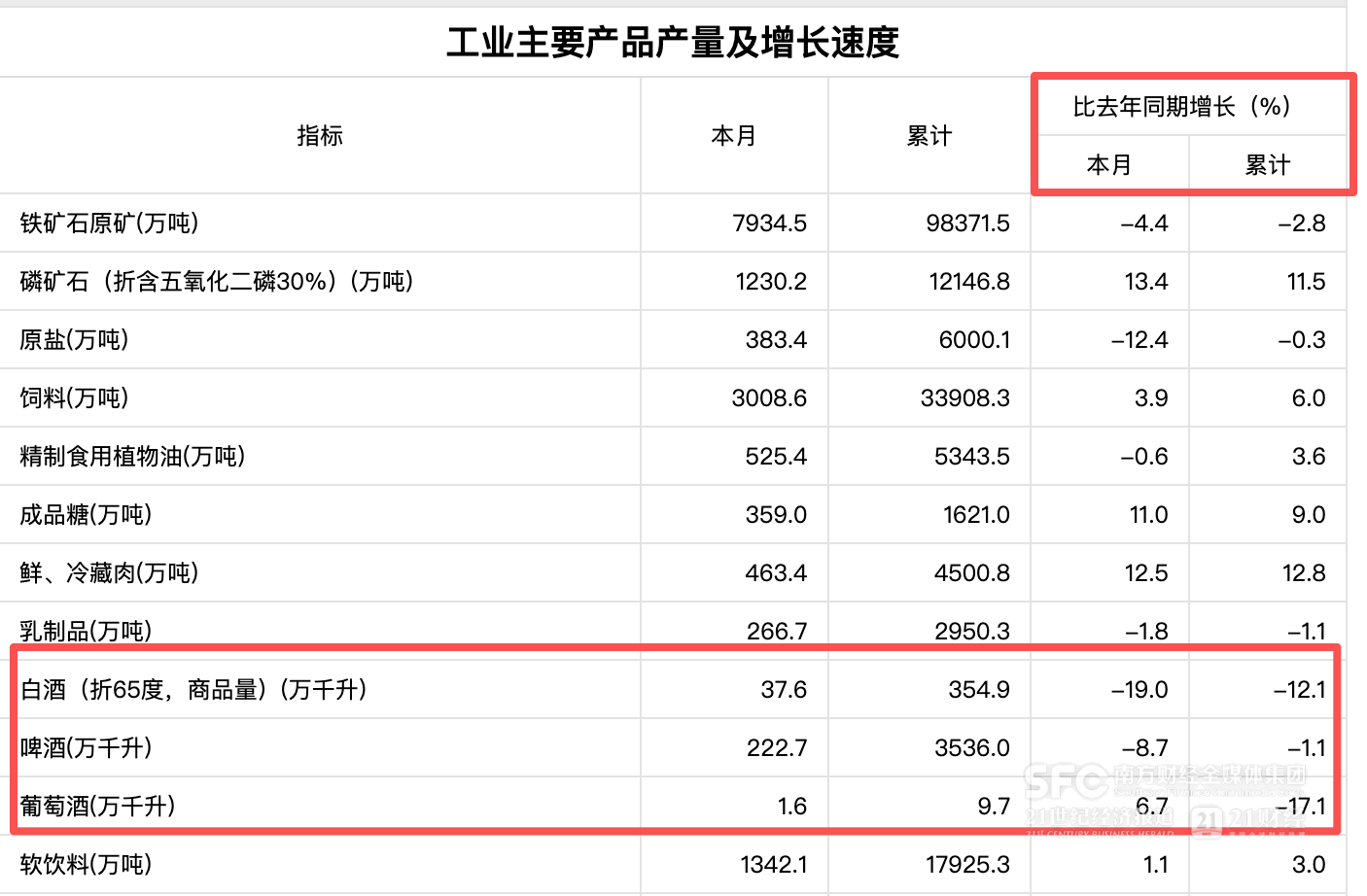
Group 1 - The article discusses the increasing trend of liquor brands, particularly baijiu, collaborating with celebrities for endorsements as the Spring Festival approaches, indicating a shift in marketing strategies to attract younger consumers [2][3][4] - Notable endorsements include Liu Xiaoqing and Yang Yuguang for Tuopai, and other brands like Shui Jing Fang and Gu Xiao Jiu have also engaged celebrities like Liang Chaowei and Luo Yonghao to enhance brand image and drive sales [2][3][6][7] - The shift towards celebrity endorsements reflects a broader strategy to connect with younger demographics and improve brand perception, as seen with brands like Wuliangye and Moutai [6][7] Group 2 - The baijiu industry is experiencing a significant decline, with production dropping 19% year-on-year in December 2025, marking the ninth consecutive year of decline since 2017 [10][14] - In contrast, the production of beer and wine has also seen declines, with beer production down 1.1% and wine production down 17.1% in 2025 [11][12] - The changing landscape of the liquor market is highlighted by the growth of white spirits, such as vodka and tequila, which have seen substantial increases in import volumes, indicating a shift in consumer preferences [16] Group 3 - Companies like Langjiu reported a slight increase in distributor shipments for 2025, while others like Jinpin Xijiu are implementing strict production controls to manage supply [19][23] - Yanghe Co. has announced a significant expected profit decline of 62% to 68% for 2025, attributing this to increased competition and reduced market demand [30] - The company has also introduced a new cash dividend policy, committing to distribute at least 100% of net profit to shareholders from 2025 to 2027 [31]

价格“跳水”、转型不易,陈华也难救茅台?
Sou Hu Cai Jing· 2026-01-07 00:22
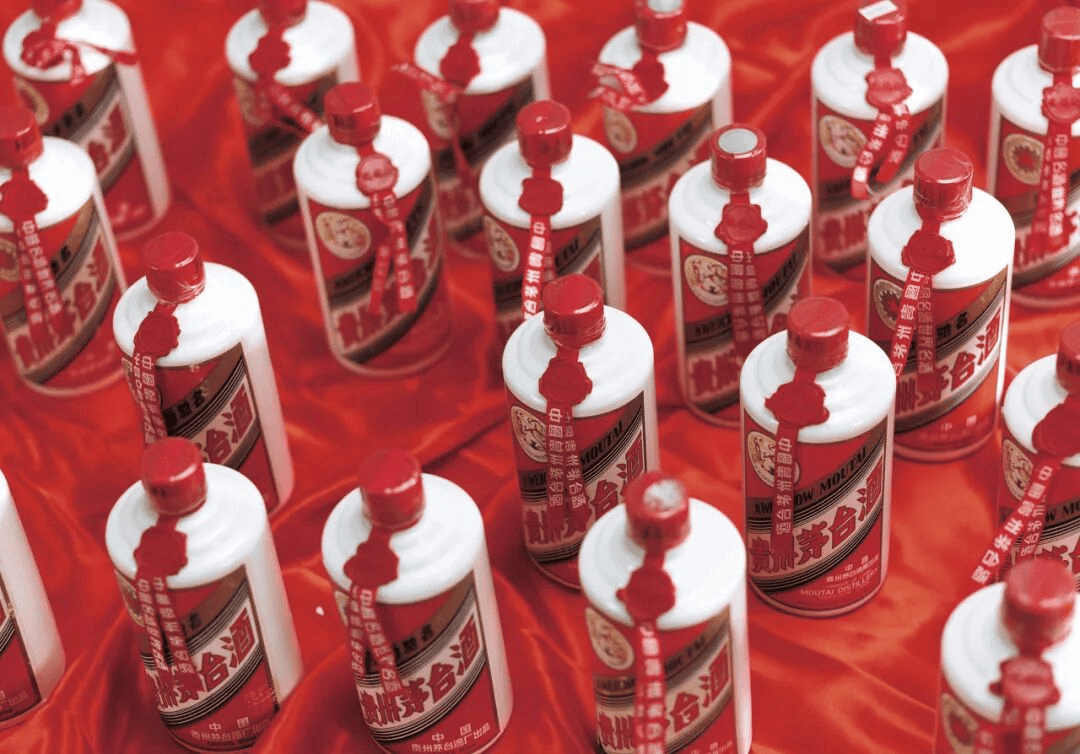
Core Viewpoint - The price of Moutai's flagship product, Feitian Moutai, has significantly declined, leading to a transformation in the market dynamics and the company's strategy to adapt to changing consumer preferences and economic conditions [5][19][22]. Group 1: Market Dynamics - On January 1, 2026, Feitian Moutai was sold at a price of 1499 yuan, with all inventory sold out within half an hour, indicating a shift in consumer purchasing behavior [1]. - The price of Feitian Moutai has dropped below the official guidance price of 1499 yuan, marking a significant decline from previous years when it was difficult to purchase at retail prices [5][6]. - The average inventory turnover days in the industry have increased to 900 days, reflecting a growing inventory pressure and a shift from "incremental competition" to "stock competition" [10]. Group 2: Dealer Sentiment - Dealers, who previously held large inventories without concern, are now selling as quickly as possible due to daily price fluctuations, indicating a loss of confidence in holding stock [4][7]. - Many dealers are experiencing losses due to the disparity between the purchase price and the current market price, leading to a chain reaction of selling pressure on Feitian Moutai [7][8]. Group 3: Consumer Behavior - The younger generation is moving away from traditional drinking culture, favoring lower-alcohol beverages and seeking personalized experiences, which is impacting Moutai's market position [9]. - A report indicates that beer, fruit wine, and cocktails are the top three alcoholic beverages consumed by young people, with white liquor only accounting for 31.8% of their preferences [9]. Group 4: Company Strategy - Moutai is attempting to diversify its product line to meet varying consumer demands, but new product launches have faced significant price drops shortly after release, indicating misalignment with market expectations [11][14]. - The company is shifting its strategy from selling products to promoting a lifestyle, introducing a service model that includes cultural experiences, but this has yet to yield significant revenue [15][17]. - Moutai has announced a transition to a new sales model that eliminates the traditional distribution system, aiming to reduce speculation and encourage dealers to actively engage in market development [18][21]. Group 5: Leadership Changes - The recent leadership change at Moutai, with the appointment of Chen Hua, raises questions about the company's ability to navigate the current market challenges and implement necessary reforms [20][22]. - Chen Hua's approach includes acknowledging the industry's shift to stock competition and making decisive changes to the company's operational strategies, but the long-term success of these measures remains uncertain [21][22].
A股又见小作文兴风作浪,一则“剑南春要收购水井坊”消息传出,水井坊直线涨停,单日市值增加超17亿元,双方各自回应
Jin Rong Jie· 2025-12-25 10:29
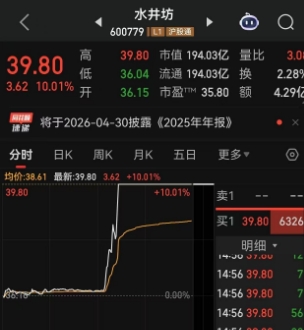
Core Viewpoint - The rumor of Jian Nan Chun acquiring Shui Jing Fang led to a significant surge in Shui Jing Fang's stock price, causing a ripple effect across the entire A-share liquor sector, with all 20 listed liquor companies experiencing gains [1][3]. Group 1: Stock Market Reaction - Shui Jing Fang's stock price jumped 10% to 39.8 yuan per share, adding over 1.7 billion yuan to its market capitalization within half an hour [1]. - Other liquor stocks also saw substantial increases, with Huangtai Liquor rising over 7%, Jiu Gui Liquor up more than 5%, and Jin Hui Liquor increasing by over 4% [1]. Group 2: Company Responses - Representatives from Shui Jing Fang and Jian Nan Chun stated that they had not received any acquisition information, and Shui Jing Fang has not made any official announcements regarding the rumor [3]. - This is not the first time rumors of Shui Jing Fang being acquired have surfaced; previous claims regarding Xi Jiu acquiring shares were denied by Shui Jing Fang's management [4]. Group 3: Shareholding Structure - Diageo holds a 63.27% stake in Shui Jing Fang, having gradually increased its share since acquiring 43% of the controlling shareholder in 2006 [5]. - Shui Jing Fang's historical performance has been volatile, with periods of significant challenges, including being labeled as a "ST" (special treatment) stock [5]. Group 4: Jian Nan Chun Developments - Jian Nan Chun has been active, with a recent change in shareholding where the local state-owned asset management center acquired approximately 14.51% of the company, becoming its second-largest shareholder [6]. - The acquisition was made through a debt investment, which has led to speculation regarding potential trademark disputes [7]. Group 5: Industry Outlook - Some brokerages believe that the liquor sector is showing clear signs of bottoming out, with expectations of a gradual recovery in the coming years [9]. - The industry is currently undergoing a deep adjustment, with only a few top brands like Moutai and Fenjiu showing positive growth [9].

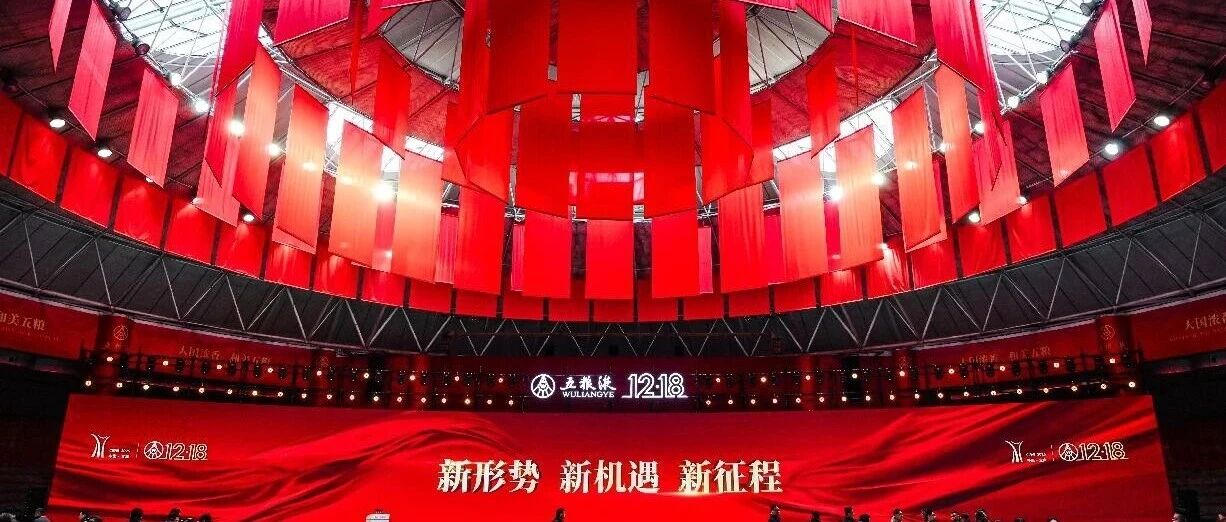
五粮液12.18大会:厂商凝聚共识 本轮调整迎来战略机遇期
2 1 Shi Ji Jing Ji Bao Dao· 2025-12-19 06:14
Core Viewpoint - The year 2025 is marked as a challenging and transformative period for the Chinese liquor industry, undergoing significant changes in product, market, and consumption structures [1][3]. Industry Overview - The liquor industry is entering a deep adjustment phase, drawing attention from capital markets and public opinion, testing the operational resilience and trend judgment of various liquor companies [3]. - The current adjustment is characterized as cyclical, structural, and a return to fundamentals, necessitating the release of competitive tensions built up during years of rapid growth [8]. Company Strategy - Wuliangye has demonstrated strategic resilience by actively adjusting to market conditions, helping channels digest inventory, and innovating marketing mechanisms to stabilize and expand market presence [3][8]. - The company aims to enhance brand value and market share, focusing on high-quality market operations and effective sales strategies for the upcoming "15th Five-Year Plan" [3][19]. Marketing and Sales Initiatives - In 2025, Wuliangye plans to implement a marketing strategy centered on "one core, three reinforcements, and two goals," emphasizing brand value enhancement and effective market share growth [19]. - The company will optimize its product strategy by developing a structured product lineup, including core products and new offerings targeting younger consumers [21][22]. Channel Development - Wuliangye is set to reform traditional channels while actively cultivating new and e-commerce channels, emphasizing a balanced approach to incentives and control [24][25]. - The company plans to enhance its direct sales network and improve collaboration with major e-commerce platforms to increase online market share [25]. Financial Position - As of the end of Q3 2025, Wuliangye reported a cash and cash equivalents balance of 132.57 billion yuan, marking a record high for the period [17]. Future Outlook - The company views the current adjustment period as a strategic opportunity, supported by favorable macroeconomic conditions, industry policy directions, and an expanding consumer base [15][18].

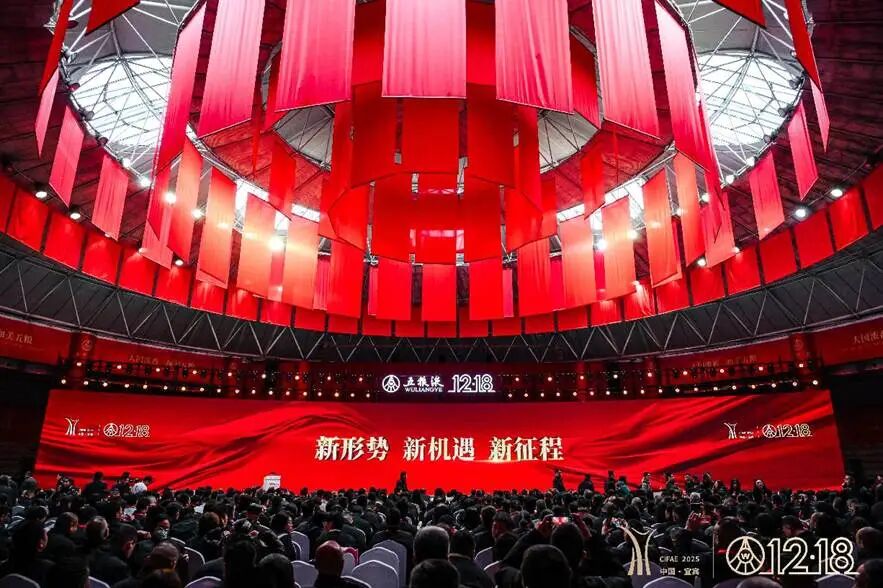
五粮液12.18大会:厂商凝聚共识 本轮调整迎来战略机遇期
21世纪经济报道· 2025-12-19 06:10
Core Viewpoint - The year 2025 is marked as a challenging and transformative period for the Chinese liquor industry, undergoing significant changes in product, market, and consumption structures [1][3]. Industry Overview - The liquor industry is entering a deep adjustment phase, drawing attention from capital markets and public opinion, testing the operational resilience and trend judgment of various liquor companies [3]. - The current adjustment is characterized as cyclical, structural, and a return to fundamentals, necessitating the release of competitive tensions built up during years of rapid growth [7]. Company Strategy - Wuliangye has demonstrated strategic resilience by actively adjusting to market conditions, helping channels manage inventory, and innovating marketing mechanisms to stabilize and expand market presence [3][7]. - The company aims to enhance brand value and market share, focusing on high-quality market operations and effective sales strategies for the upcoming "15th Five-Year Plan" [3][11]. Marketing and Sales Initiatives - In 2025, Wuliangye added 474 new "three stores and one family" outlets, achieving significant sales through direct distribution and corporate partnerships, generating 4.5 billion yuan in revenue from enterprise collaborations [8]. - The company plans to focus on enhancing its product matrix, targeting younger consumers with new low-alcohol products, and optimizing its traditional and emerging sales channels [16][19]. Product Development - Wuliangye's product strategy for 2026 includes a refined product system centered around the eighth generation of Wuliangye, with specific positioning for various price segments to strengthen market presence [16][17]. - The company has seen significant growth in its key products, with the 1618 Wuliangye experiencing over 20% growth in banquet activities and the 39-degree variant achieving over 30% growth in both banquet sessions and opening volumes [16]. Future Outlook - Wuliangye views the current adjustment period as a strategic opportunity, supported by favorable macroeconomic conditions, industry policy shifts, and an expanding consumer base [11]. - The company emphasizes the importance of forming consensus with distributors to build a collaborative market environment, which is essential for achieving shared growth [5][7].
茅台或将推出控量措施!周末批价持续上扬,黄牛坐地抬价,一天价格多次调整,部分券商认为底部信号已经清晰
Sou Hu Cai Jing· 2025-12-14 06:34
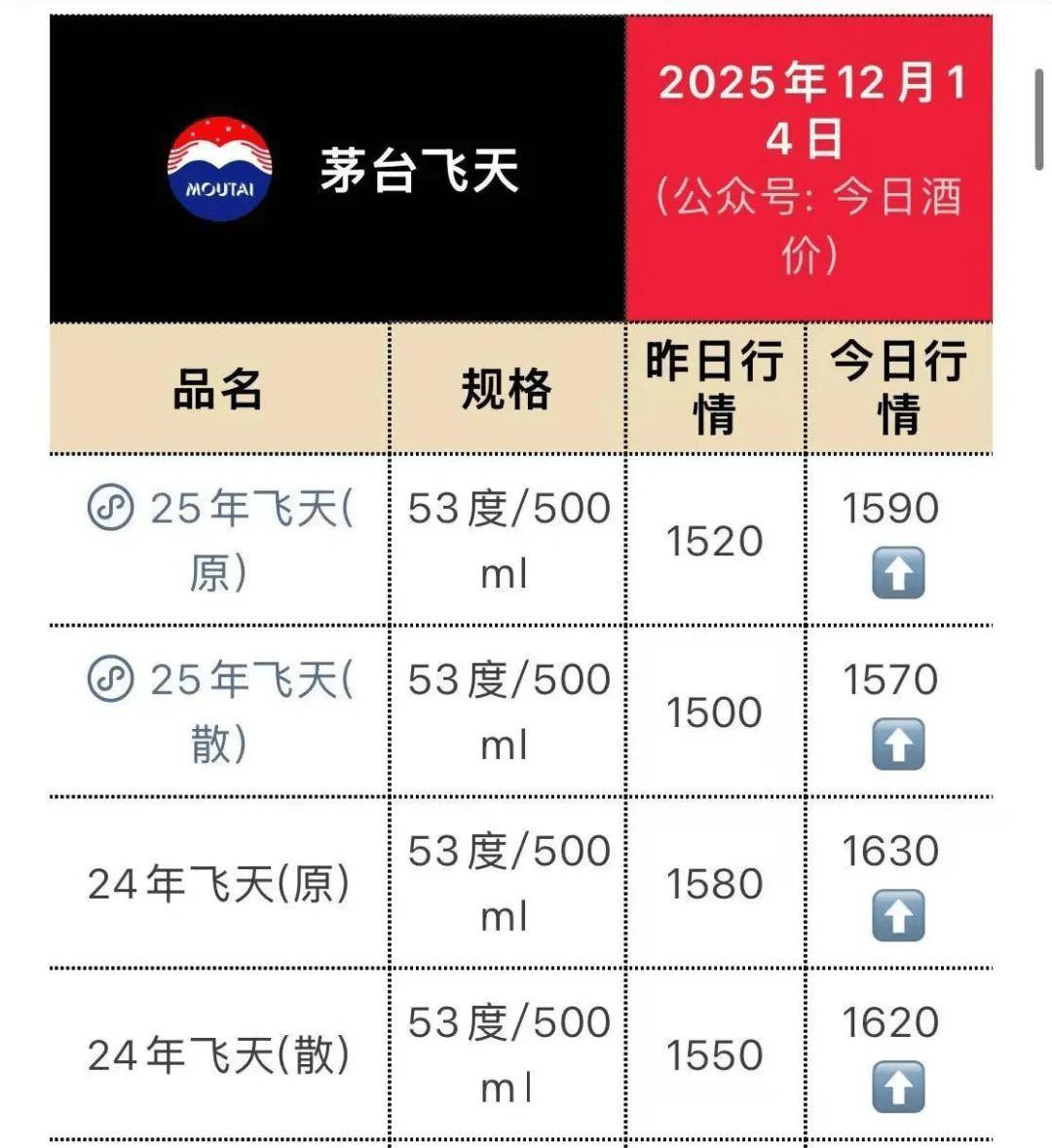
Core Viewpoint - Guizhou Moutai is implementing a volume control policy to alleviate financial pressure on distributors and stabilize the market, with measures including a halt on product distribution until January 2026 and a reduction in non-standard product quotas starting in 2026 [1][2]. Group 1: Company Measures - Guizhou Moutai plans to stop distributing all products to distributors until January 1, 2026, to reduce financial burdens during a tight cash flow period [1]. - The company aims to significantly cut non-standard product quotas in 2026 to address profit shrinkage in distribution channels [1]. - Moutai's production capacity and product release schedule will be adjusted based on market demand and capacity [2]. Group 2: Market Response - Following the announcement, Moutai prices have increased, with the wholesale price for 2025 53-degree/500ml Moutai rising to 1520 RMB per bottle, a 25 RMB increase from the previous day [3]. - Prices continued to rise, with the 500ml Moutai reaching 1570 RMB per bottle and the original box product at 1590 RMB, reflecting a significant increase in market demand [3]. - Retail prices in some Beijing stores have also surged, with Moutai being sold for 1680 RMB per bottle [3]. Group 3: Industry Outlook - Analysts from Galaxy Securities indicate that the white liquor industry is undergoing a deep adjustment, with only Moutai and Fenjiu showing positive growth [5]. - The industry is expected to gradually enter a bottoming phase, with narrowing declines in sales and prices, and improving stock valuations [5]. - Citic Securities highlights that the white liquor sector is at a historical low in valuation, presenting clear bottoming logic for quality assets like Moutai [6].
最后一个月暂停投放所有茅台产品?飞天茅台批价上涨 有酒商报价1540元/瓶
Mei Ri Jing Ji Xin Wen· 2025-12-13 23:13
Core Viewpoint - The market is speculating that Kweichow Moutai will implement a new policy to control product supply by suspending all product distributions to distributors from December 2025 until January 1, 2026, which may lead to adjustments in sales policies for the following year [1][2]. Group 1: Supply Control Measures - Kweichow Moutai plans to stop supplying all products to distributors in December 2025, which is intended to alleviate financial pressure on distributors during a tight cash flow period [2]. - This supply suspension is seen as a direct method to stabilize market prices and prevent panic selling among distributors [2]. Group 2: Price Impact - Following the news of the supply suspension, the market price of Feitian Moutai has seen an increase, with prices rising by 15-30 yuan per bottle compared to December 12 [1]. - On a third-party pricing platform, the highest reported price for Feitian Moutai reached 1540 yuan per bottle, indicating a significant price rebound [1]. Group 3: Future Sales Policy Adjustments - There are indications that Kweichow Moutai may reduce sales quotas for non-standard products in 2026, which could help improve the profitability of distributors [3][4]. - The planned reduction will focus on specific products such as Moutai 15-year, 1-liter Feitian Moutai, and Zodiac Moutai, potentially ceasing the supply of certain items altogether [4]. Group 4: Structural Reforms - Industry experts view the reduction of non-standard product quotas as a structural reform aimed at enhancing the profitability of distribution channels [5]. - The adjustments in distribution plans are expected to alleviate the financial losses faced by distributors, which have been exacerbated by the previous reliance on non-standard products [5].
“低度酒收藏十年,一分没涨!” 酒仙董事长断言:它不是未来 | 酒业内参
新浪财经· 2025-12-01 12:07
Industry Insights - Low-alcohol beverages are currently a trend but are not seen as the future of Chinese liquor. The high pricing of these products indicates a lack of genuine intent to cater to young consumers [5][6][9] - Young consumers are less inclined to purchase traditional Chinese liquor due to its high price point, preferring more affordable options like fruit wine and beer. As they gain more experience and income, they may develop a taste for high-quality liquor [6][9] - The storage value of low-alcohol liquor is minimal, as evidenced by the lack of price appreciation over the past decade, contrasting with the significant price increase of high-alcohol liquor [6][9] - The current market dynamics indicate a significant price competition among liquor producers, driven by overproduction and a mismatch between supply and demand. This situation is expected to persist for the next 3 to 5 years [9][14] - The liquor distribution channels are facing challenges, but this adjustment period presents an opportunity for channel development and profitability in the long run [9][10] Company Developments - The company has been expanding its offline retail presence, aiming to open 10,000 stores in the next three years, leveraging the removal of upstream production constraints [19][20] - The company emphasizes a competitive pricing strategy, proposing that premium liquor should only have a minimal markup to attract price-sensitive consumers [20][22] - The company is focusing on enhancing its brand image and market presence through innovative marketing strategies, including the development of personal brands by entrepreneurs [15][23] - The company has reported a 20% year-over-year revenue growth in the third quarter, indicating a strong operational performance [19]

“低度酒收藏十年,一分没涨!” 酒仙董事长断言:它不是未来 | 酒业内参
Xin Lang Cai Jing· 2025-11-28 03:21
Core Viewpoint - The chairman of JiuXian Group, Hao Hongfeng, asserts that while low-alcohol beverages are currently a trend, they do not represent the future of Chinese liquor, particularly due to their high pricing which lacks sincerity towards younger consumers [3][4][5]. Industry Insights - The trend towards low-alcohol and youth-oriented products is seen as a temporary hotspot rather than a sustainable future direction for Chinese liquor [4]. - Young consumers are currently less inclined to purchase traditional Chinese liquor due to its high price, which is often beyond their budget [4][5]. - The pricing strategy for low-alcohol products is criticized, as prices above 100 yuan are considered too high for young consumers entering the workforce [4][5]. - The storage value of low-alcohol beverages is questioned, with historical data showing that prices have not appreciated over the past decade, unlike high-alcohol products [7]. - The current adjustment period in the liquor industry is viewed as an opportunity for channel development, despite short-term challenges faced by distributors and retail outlets [7][8]. - The phenomenon of price inversion in the liquor market is highlighted, with excess production leading to price competition and a need for rationalization over the next 3 to 5 years [11]. Company Developments - JiuXian Group has been expanding its offline retail presence, aiming to open 10,000 stores in the next three years, leveraging the removal of upstream production constraints [15][16]. - The company has experienced significant revenue growth, with a 20% year-on-year increase in the third quarter, indicating a strong operational performance [15]. - The strategy of focusing on high-quality, cost-effective products is emphasized, with the company aiming to cater to consumers seeking value without compromising on quality [21]. - The chairman notes that the relationship between manufacturers and distributors needs to evolve towards a model that prioritizes consumer sales over inventory pressure on distributors [10].