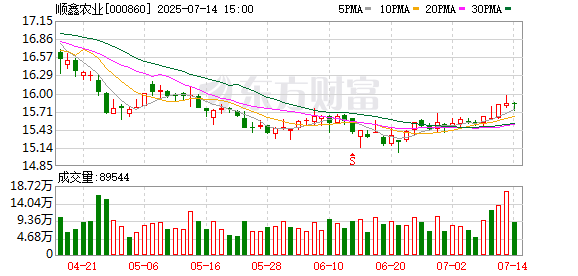
光瓶酒市场

Search documents
2025年第49周:酒行业周度市场观察
艾瑞咨询· 2025-12-11 00:05
Industry Environment - The domestic liquor industry is experiencing a "winter," with declining production and revenue, and weak consumer demand leading to price drops. The production of white liquor has decreased from 13.58 million tons in 2016 to 6.29 million tons, while beer production has fallen from 50.8 million tons in 2013 to 33.12 million tons. Major companies like Kweichow Moutai and Wuliangye are seeing significant slowdowns in performance [2][3] - Companies are shifting towards low-alcohol and light bottle liquor to attract younger consumers, while beer manufacturers are introducing non-alcoholic and low-sugar beverages. Despite the overall industry downturn, there remains long-term growth potential, with innovation and niche markets being key to breaking through [3] White Liquor Price Surge - During the Double Eleven shopping festival, white liquor was used as a low-price draw on e-commerce platforms, but a collective price increase followed shortly after, with brands like Moutai and Yanghe raising prices. This price surge began with mid-range products and expanded to all categories, as companies implemented quota controls and measures against low pricing to address high inventory and price inversion issues. Short-term demand during New Year and Spring Festival may drive prices higher, but long-term risks persist due to high inventory levels of mid-range brands and economic uncertainties [4] Marketing Strategies for New Year and Spring Festival - The New Year and Spring Festival are peak sales periods for white liquor, prompting brands to prepare marketing strategies in advance. Zodiac-themed liquor products were launched early to capture the gift market. Companies are employing detailed strategies, emphasizing digitalization and regional penetration, while enhancing consumer engagement through immersive experiences and value promotions. This year's marketing is characterized by preemptive, refined, and standardized approaches aimed at rebuilding channel confidence and enhancing brand resilience [5] Reflections on Double Eleven - The liquor industry observed three major trends during this year's Double Eleven: collaboration between platforms and brands to regulate channels and combat low-price tactics, a clear polarization in consumer preferences between high-end gift liquor and affordable self-consumption options, and accelerated online-offline integration through immersive experiences and instant delivery [6] Industry Transformation from 2021 to 2025 - The period from 2021 to 2025 is critical for the transformation and development of the Chinese liquor industry, marked by capital mergers, regulatory upgrades, product innovations, and market adjustments. The industry is expected to face inventory reduction and strategic shifts, with a notable rise in domestic whiskey. By 2025, the industry is anticipated to embrace low-alcohol and health-oriented trends, with ESG becoming a consensus [7] Light Bottle Liquor Market Dynamics - The light bottle liquor market is becoming a popular segment within the white liquor industry, with intense competition and a reshaping of market dynamics. The 50 yuan price range is a focal point for companies, with products like Guojiao 1573 performing well. The market is projected to exceed 150 billion yuan in 2024, growing at a rate of 17%, although profit margins are generally lower than the industry average. The shift from "low price for volume" to "quality competition" is evident, necessitating an upgrade in marketing strategies [8] Fourth Quarter Performance Outlook - The third quarter of this year has been challenging for the white liquor industry, making the fourth quarter crucial for annual performance. The industry is transitioning from scale expansion to value reconstruction, focusing on deepening consumer engagement and cultural empowerment. Major brands are enhancing consumer experiences through events, while regional companies are concentrating on localized strategies [9] Emerging Trends in the Loose Liquor Market - Loose liquor, once a staple for older generations, is now gaining popularity among younger consumers. New brands are rapidly expanding, with the market expected to surpass 80 billion yuan in 2024. The market is divided into traditional community stores and new "loose liquor shops" catering to younger consumers' social needs. Despite significant market potential, competition is fierce, and profitability remains challenging [11] Banquet Market as a Potential Lifeline - The Chinese white liquor industry is facing severe challenges, with a declining consumer base and reduced sales in banquet settings. Younger consumers show low acceptance of white liquor, while older consumers are drinking less for health reasons. The industry is exploring low-alcohol and light bottle liquor to attract younger buyers and is focusing on banquet scenarios for growth. However, competition in the banquet market is intense, and brand appeal and cost-effectiveness will be critical [12] Brand Highlights - Jingyu Qingjiu has been recognized for its role in the revival of Chinese sake, winning the "Category Champion" award at a national conference. The brand emphasizes cultural revival and technological innovation, with an annual production capacity of 15,000 tons and a strong online sales presence [13][14] - Five Star Liquor is navigating the transformation in the sauce liquor sector by focusing on quality and talent development, achieving significant recognition in international competitions and maintaining a robust growth strategy [15] - Diaoyutai Liquor is leveraging sports marketing to enhance brand experience and connect with high-net-worth individuals, showcasing a commitment to quality and craftsmanship [16] - Fenjiu is demonstrating resilience in the face of market adjustments, with a focus on optimizing product structure and expanding its national strategy, achieving a revenue of 32.92 billion yuan in the first three quarters of 2025 [17][18]


预计逆势涨超10%!消费风向变了,光瓶酒成了“香饽饽”?
Nan Fang Du Shi Bao· 2025-11-05 10:29
Core Viewpoint - The overall performance of the liquor industry, particularly the baijiu sector, is declining, with only a few companies like Guizhou Moutai and Shanxi Fenjiu showing slight growth, while the majority face significant revenue drops [1][2]. Industry Overview - In the third quarter of 2025, 20 listed baijiu companies reported their earnings, with only Guizhou Moutai and Shanxi Fenjiu achieving minor increases, while 18 others experienced varying degrees of decline [1]. - The baijiu industry is undergoing a deep adjustment period due to changing consumer environments and high channel inventories [1]. Market Trends - Despite the overall downturn, the light bottle liquor segment is experiencing robust growth, with products like Shanxi Fenjiu's Guo Fen showing over 10% sales growth in the first three quarters [1][5]. - The market size of light bottle liquor has expanded from 35.2 billion yuan in 2013 to over 150 billion yuan in 2024, with projections indicating it will surpass 200 billion yuan in 2025 [1][5]. Company Performance - Shanxi Fenjiu reported a revenue of 32.924 billion yuan in the first three quarters of 2025, marking a 5% year-on-year increase, with a net profit of 11.405 billion yuan, a slight increase of 0.48% [2]. - The growth in Shanxi Fenjiu's performance is attributed to its light bottle products, particularly Guo Fen, which has shown significant sales increases [2][5]. Competitive Landscape - The rapid growth of the light bottle liquor market has prompted many liquor companies to increase their investments in this segment, with notable entries from Yanghe and other brands [6][8]. - Analysts indicate a shift in consumer preferences from luxury packaging to quality and cost-effectiveness, driving the growth of light bottle liquor [8]. Market Challenges - Despite the overall growth in the light bottle liquor market, there is increasing differentiation among brands, with traditional brands like Niulanshan facing severe challenges [10][12]. - Niulanshan's revenue dropped by 19.79% to 5.869 billion yuan in the first three quarters, with a net profit decline of 79.85% [10][12]. - The competitive landscape is intensifying, with many companies facing challenges due to changing consumer habits and market dynamics [13][16].

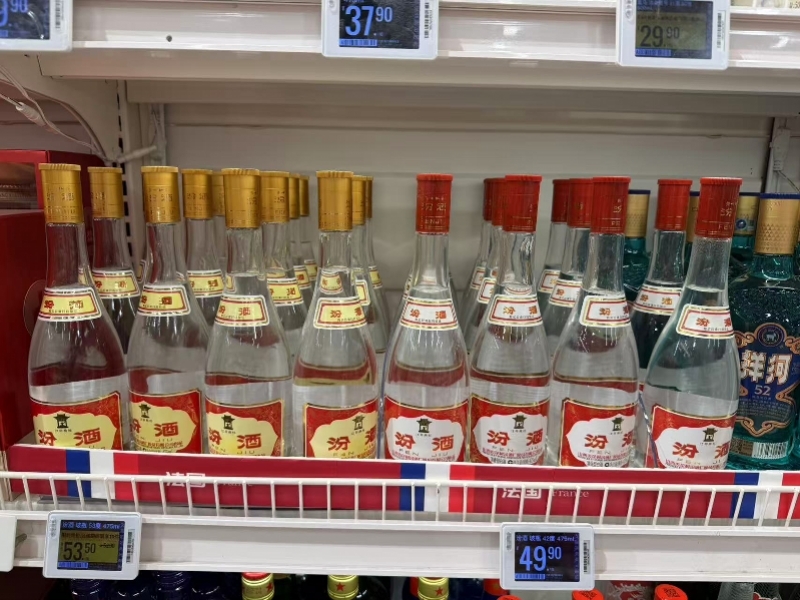
顺鑫农业业绩、股价遭双杀,外资也被埋 | 看财报
Tai Mei Ti A P P· 2025-10-30 09:47
Core Viewpoint - The liquor industry is facing significant challenges, with even low-priced products struggling to sell, as evidenced by Shunxin Agriculture's substantial losses in Q3 and a nearly 80% drop in net profit for the first three quarters of the year [2][3]. Financial Performance - In Q3, Shunxin Agriculture reported a revenue of 12.76 billion yuan, marking a 21.72% year-on-year decrease, and a net profit loss of approximately 959 million yuan, a 136.75% decline compared to the previous year [3]. - For the first three quarters, total revenue was 58.69 billion yuan, down 19.79% year-on-year, with a net profit of 769.83 million yuan, a decrease of 79.85% [3][4]. - The company's revenue from the liquor segment was 36.06 billion yuan in the first half of the year, a 23.25% decline, accounting for 78.51% of total revenue [4]. Business Segments - Shunxin Agriculture's main business segments include liquor production and sales, as well as pork breeding and processing [3]. - The liquor segment primarily features the "Niulanshan" brand, which includes various product lines, while the pork segment generated 8.89 billion yuan in revenue, a slight decrease of 0.49% [4]. Profitability Challenges - The pork segment's gross margin has dropped to 0.01%, indicating minimal profit contribution, while the liquor segment's gross margin has decreased to 42.39% due to the pressure on low-end liquor products [5]. - The company's low-end liquor products have been particularly affected by market conditions, leading to a significant decline in profitability [5][8]. Market Dynamics - The liquor market is experiencing a shift from quantity to quality, with high-end brands increasingly targeting the low-end market, intensifying competition for Shunxin Agriculture's products [9]. - The market for light bottle liquor is projected to exceed 200 billion yuan by 2025, with significant growth in the 50-100 yuan price range [9]. Inventory and Contract Liabilities - Shunxin Agriculture's contract liabilities have decreased from 38.65 billion yuan in 2022 to 4.42 billion yuan by Q3 2024, indicating a significant reduction in market demand [10]. - Inventory levels for key products have increased, with production and sales of the main products declining significantly [10].


顺鑫农业上半年营收下滑近两成,牛栏山光瓶酒面临市场激战
Sou Hu Cai Jing· 2025-08-30 04:47
Group 1 - The core viewpoint of the news is that Shunxin Agriculture's financial performance in the first half of 2025 has significantly declined, with both revenue and net profit decreasing, highlighting challenges in the industry [1][3] - Shunxin Agriculture reported a revenue of 4.593 billion yuan, a year-on-year decrease of 19.24%, and a net profit of 173 million yuan, reflecting a substantial decline of 59.09% [1] - The company's two main business segments, liquor and pork, showed contrasting performances, with the pork business remaining relatively stable, achieving a revenue of 782 million yuan, down only 0.49% year-on-year [1] Group 2 - The liquor segment, particularly the Niulanshan brand, faced severe challenges, with revenue dropping to 3.606 billion yuan, a year-on-year decline of 23.25%, and significant drops in production and sales volumes for key products [3] - The inventory levels for Niulanshan surged by 652.13%, indicating weak market demand, while another product, the Jinbiao Chenniang, also saw a sales volume decrease of 5.81% [3] - The overall liquor industry is experiencing a deep adjustment, with a reported 5.8% decline in production among large-scale liquor enterprises, leading to pressures on sales, customer numbers, and profitability [3][4] Group 3 - The competitive landscape is intensifying as major liquor companies are shifting focus to the light bottle liquor market, with brands like Luzhou Laojiao and Yanghe launching new products, increasing competition for Niulanshan [4] - Analysts indicate that the overall liquor industry is under pressure, with Shunxin Agriculture's performance decline being a reflection of broader industry issues, including high inventory and price discrepancies [4]
酒行业周度市场观察-20250820
Ai Rui Zi Xun· 2025-08-20 08:29
Investment Rating - The report does not explicitly provide an investment rating for the industry Core Insights - The liquor industry is experiencing significant changes, with major brands diversifying into craft beer and other segments to attract younger consumers [3][5] - The market for light bottle liquor has surpassed 150 billion yuan, with expectations to exceed 200 billion yuan by 2025, indicating a competitive landscape [3][5] - The industry is undergoing a transformation towards user-driven strategies, focusing on consumer experiences and emotional connections [8][19] Industry Environment - Major liquor brands are entering the craft beer market, leveraging their existing channels and brand recognition to appeal to younger demographics [3] - The light bottle liquor market is rapidly growing, with new products priced under 60 yuan being launched by various companies [3][5] - The industry is facing challenges such as high inventory levels and changing consumer preferences, necessitating strategic shifts towards innovative marketing and product offerings [5][8] Brand Dynamics - Now is a critical time for brands like Guojing to expand their national presence, with a focus on quality and cultural integration [11] - The success of brands like Changyu and Xifeng in local markets demonstrates the importance of cultural relevance and innovative marketing strategies [20] - Companies are increasingly utilizing digital assets and experiential marketing to enhance brand engagement and drive sales [10][19]




酒企纷纷布局光瓶酒 低线市场竞夺激烈
Zhong Guo Jing Ying Bao· 2025-08-01 21:21
Core Insights - The light bottle liquor market in China is experiencing intense competition, with major brands like Yanghe, Yilite, and Yangshao launching new products priced under 60 yuan, aiming for national expansion [1][2] - The market size of the light bottle liquor industry has grown from 35.2 billion yuan in 2013 to 98.8 billion yuan in 2021, with projections to exceed 150 billion yuan by 2024 and 200 billion yuan by 2025 [1][3] - The shift towards rational consumption and the demand for high cost-performance products are driving the growth of the light bottle liquor segment, as consumers prioritize quality and price [3][4] Industry Trends - The light bottle liquor segment is becoming a key focus for many liquor companies as they adapt to changing consumer preferences and market conditions [3][4] - The introduction of new national standards is expected to eliminate inferior products, further enhancing the quality of light bottle liquors [3][4] - The competition in the light bottle liquor market is intensifying, with numerous brands vying for market share, particularly in lower-tier cities [4][5] Company Strategies - Yilite has launched its light bottle liquor strategy with products priced at 28 yuan and 35 yuan, aiming for a national presence by 2028 [1][2] - Yanghe's new product, Yanghe Daqu, is positioned as a strategic offering to capture the expanding light bottle liquor market, leveraging its extensive distribution network [2][5] - Companies are increasingly focusing on direct-to-consumer (To C) strategies, requiring strong communication capabilities to reach consumers effectively [6][7] Market Dynamics - The light bottle liquor market is characterized by a high density of competition, with established brands like Shunpinlang and Green Neck Xifeng dominating in lower-tier markets [4][5] - The market is witnessing a trend of brands utilizing innovative marketing strategies, such as collaborations with e-commerce platforms and community group buying, to enhance market penetration [6][7] - The rise of instant retail and digital supply chains is seen as a critical factor for the future growth of the light bottle liquor segment [6][7]

一瓶几十元,白酒巨头狂卷光瓶酒
Xin Lang Cai Jing· 2025-07-16 05:50
Group 1 - The core viewpoint of the article highlights the growing popularity of low-priced "light bottle" liquor in the Chinese market, as high-end liquor brands struggle with price declines and sales challenges [1][14][16] - Major liquor companies are launching new products in the light bottle segment, with notable examples including Yanghe's "Yanghe Daqu High Line Light Bottle Liquor" priced at 59 yuan, which sold over 10,000 bottles in 48 hours [1][4] - The light bottle liquor market has reached a scale of approximately 1.5 trillion yuan in 2024, with continued growth expected in 2025, making it one of the most dynamic segments in the liquor industry [3][10] Group 2 - Consumer behavior is shifting towards more rational choices, with a significant portion of consumers prioritizing cost-effectiveness and practicality in their liquor purchases [10][11] - The traditional light bottle liquor market, represented by brands like Niulanshan and Baijiu, has established a strong presence, while new entrants are emerging to capture market share amid changing consumer preferences [7][9] - The competitive landscape is intensifying as more companies enter the light bottle segment, leading to concerns about market saturation and the ability to maintain quality and differentiation [17][18] Group 3 - The high-end liquor market, particularly brands priced above 1,000 yuan, is experiencing significant price declines, with major brands like Moutai and Wuliangye seeing their market prices drop below their official guidance prices [16][17] - The shift towards light bottle liquor reflects a broader trend in the industry where companies are adapting to consumer demands and seeking new growth opportunities in a challenging market environment [15][17] - The light bottle segment is increasingly viewed as a mainstream choice, moving away from its previous perception as a low-end product, and is now seen as a potential growth engine for liquor companies [17][18]



白酒销量拖后腿?顺鑫农业:上半年净利润预计同比下滑过半
Mei Ri Jing Ji Xin Wen· 2025-07-14 11:08
Core Viewpoint - The company, Shunxin Agriculture, is expected to report a significant decline in net profit for the first half of 2025, primarily due to pressures in the liquor segment, particularly in the sales volume of its products [2][3]. Financial Performance Summary - The projected net profit attributable to shareholders for the first half of 2025 is estimated to be between 155 million yuan and 195 million yuan, representing a decrease of 53.85% to 63.32% compared to the same period last year [2][3]. - The basic earnings per share are expected to be between 0.2090 yuan and 0.2629 yuan, down from 0.5697 yuan in the previous year [2][3]. Business Segment Analysis - The decline in performance is attributed to the liquor segment facing challenges, with a year-on-year decrease in sales volume impacting overall revenue and profit levels [3]. - Following the divestment of its real estate business at the end of 2023, the company has relied heavily on its liquor and pig farming segments for revenue [3]. - In 2024, the liquor business generated revenue of 7.041 billion yuan, a year-on-year increase of 3.19%, with sales volume reaching 369,400 kiloliters [4]. Market Competition - Despite the growth in the light bottle liquor market, competition has intensified, and Shunxin Agriculture's liquor revenue has declined from approximately 10.225 billion yuan in 2021 to about 7.041 billion yuan in 2024 [4]. - The company, which owns established brands like "Niulanshan," has not fully capitalized on the rapid growth in the light bottle liquor segment, raising questions about its ability to navigate the competitive landscape moving forward [4][5].