
信易贷

Search documents
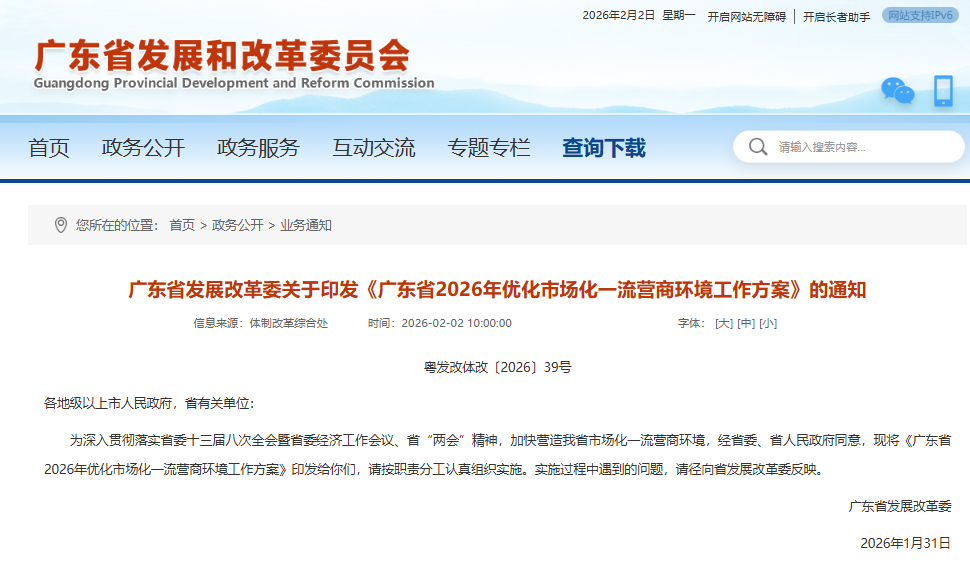
广东发布2026年营商环境优化三大方案
Xin Lang Cai Jing· 2026-02-04 20:31
Core Viewpoint - Guangdong Province has officially issued three key plans aimed at optimizing the business environment by 2026, focusing on market-oriented, legal, and international standards to enhance the vitality of business entities and support high-quality development [1][2][3] Group 1: Market-oriented Business Environment - The "Market-oriented Business Environment Optimization Plan" emphasizes resource assurance and industrial ecosystem optimization, including phased payment for industrial land and mixed-use land functions [2] - A platform for labor supply and demand will be established, promoting integration of industry and education, along with the introduction of the "优粤人才码" for streamlined service delivery [2] - A monthly "Financial Service Day" will be established, promoting financing models like "信易贷" and "科创贷," aiming for a total loan scale of 300 billion yuan by the end of 2026 [2] Group 2: Legal Business Environment - The "Legal Business Environment Optimization Plan" aims to create a stable, fair, transparent, and predictable environment by accelerating legislation in key areas such as data, AI, and low-altitude economy [2] - It will standardize enterprise-related law enforcement, implement public disclosure of inspection items, and explore models for comprehensive inspections and "quiet production periods" for businesses [2] - Judicial protection will be strengthened, with strict enforcement of punitive compensation for property and intellectual property rights, and improvements to corporate restructuring and exit mechanisms [2] Group 3: International Business Environment - The "International Business Environment Optimization Plan" focuses on enhancing the level of international services in cities, optimizing multilingual services, and improving the foreign payment environment [3] - It aims to promote brands for "inbound tourism" and "inbound shopping," expand the coverage of tax refund stores, and implement convenient entry policies [3] - In cross-border trade, it will deepen facilitation actions, ensuring that eligible export tax refunds are processed within three working days [3] - The plan also includes the full implementation of foreign investment access policies and the optimization of services like the "Provincial Leaders' Contact with Multinational Enterprises" mechanism [3]
广东发布优化营商环境三大方案共50项措施 优化用地供应方式 试点“无事不扰”清单
Nan Fang Ri Bao Wang Luo Ban· 2026-02-03 01:31
Core Viewpoint - Guangdong has released three work plans aimed at optimizing the business environment by 2026, focusing on market-oriented, legal, and international aspects to enhance the province's economic development and attract investment [1][2]. Market-Oriented Plan - The market-oriented plan includes 18 specific measures across three areas: optimizing the industrial ecosystem, enhancing enterprise services, and improving the market system [3]. - Key initiatives include strengthening land and talent supply, improving the efficiency of enterprise approval services, and enhancing market-oriented transaction levels for property rights [3][4]. Legal Framework Plan - The legal framework plan aims to provide comprehensive legal protection for business operations, proposing 18 measures in five areas: improving the institutional system, ensuring fair law enforcement, creating an efficient judicial environment, enhancing legal services for enterprises, and fostering collaboration in optimizing the legal business environment [3][6]. - Emphasis is placed on strengthening legal protections in new sectors and ensuring fair administrative law enforcement [3][6]. Internationalization Plan - The internationalization plan outlines 14 measures focusing on internationalizing urban life, facilitating international trade and investment, and enhancing professional services [3]. - Notable initiatives include promoting Guangdong's "inbound tourism" and "inbound shopping" brands, optimizing cross-border trade services, and facilitating cross-border investment [3][7]. Key Achievements and Goals - Guangdong has achieved significant improvements in its business environment, with 891 provincial-level enterprise approval matters now processed in the shortest time nationwide [2]. - The province has been recognized for four consecutive years as having the best business environment in the country, with over 20 million business entities, including nearly 9.3 million enterprises [2]. Financial Support and Innovation - The market-oriented plan includes measures to enhance financial services for enterprises, such as establishing a "Financial Service Day" and promoting innovative financing models [5]. - The province aims to connect technology and industry through application scenarios, enhancing collaboration between state-owned and private enterprises [5]. Regulatory Innovations - Guangdong is implementing a more accommodating regulatory approach, including a non-intrusive inspection system and a public disclosure system for administrative checks [6]. - The province is exploring a "quiet production period" regulatory model to minimize disruptions to businesses [6]. Cross-Border Trade and Taxation - Guangdong has introduced measures to boost inbound shopping, including increasing the number of tax refund stores and enhancing service quality [7]. - The province aims for an 80% increase in tax refund stores and to optimize the structure of duty-free shops by 2026 [7].
广东:围绕科技研发、科技成果转化等场景,创新保险产品和服务
Jin Rong Jie· 2026-02-02 06:02
Group 1 - The core viewpoint of the article is the Guangdong Provincial Development and Reform Commission's issuance of a work plan aimed at optimizing the market-oriented business environment by 2026, with a focus on enhancing financing efforts for enterprises [2][3] - The plan includes establishing a "Financial Service Day" on the 10th of each month to facilitate connections between government, banks, and enterprises, promoting policies and financing opportunities [2] - Various financing models such as "Credit Easy Loan," "Park Loan," and "Innovation Loan" will be promoted to improve the accessibility and reduce the cost of financing for small and micro enterprises [2][3] Group 2 - The plan aims to strengthen the incubation system for listed companies and support technology-driven enterprises in overcoming key technological challenges to go public [2] - A risk-sharing and reward mechanism for bond issuance will be established to encourage more technology companies to enter the bond market's "Technology Board" [2] - The initiative includes the innovation of insurance products and services tailored to technology research and development, technology achievement transformation, and entrepreneurship [2]

普惠金融“体系化”:从“量增面扩”到“质价双优”
Zhong Guo Jing Ying Bao· 2025-12-31 03:36
Core Insights - The development of inclusive finance in China is showing a positive trend characterized by increased volume, expanded coverage, reduced costs, and improved quality [1] - By the end of Q3 2025, the balance of inclusive loans for small and micro enterprises reached 36.5 trillion yuan, a year-on-year increase of 12.1% [1] - The balance of inclusive agricultural loans reached 14.1 trillion yuan, with an increase of 1.2 trillion yuan since the beginning of the year [1] Group 1: Policy and Regulatory Framework - The National Financial Supervision Administration issued a notice in May 2025 emphasizing reasonable loan pricing and the need for a differentiated supply structure [2] - In June 2025, a joint implementation plan was released, outlining 16 specific measures for the development of inclusive finance over the next five years [2] Group 2: Service System Optimization - The plan includes optimizing the inclusive financial service system by establishing a multi-tiered, widely covered, and differentiated institutional framework [3] - It aims to enhance financial services in rural areas and improve monitoring and guidance for county-level financial services [3] Group 3: Credit System Enhancement - The plan focuses on improving the inclusive credit management system and enhancing the quality of credit services for small and micro enterprises [4] - It emphasizes the need for increased credit support for agriculture and rural areas, as well as for poverty alleviation efforts [4] Group 4: Insurance System Development - The plan calls for the establishment of a specialized management system for inclusive insurance and the development of diverse insurance products tailored to small and micro enterprises [5] - It aims to improve the quality of inclusive insurance services and streamline underwriting processes [5] Group 5: Competitive Landscape and Innovation - The regulatory focus is shifting from mere expansion to a more nuanced and sustainable approach, requiring financial institutions to clarify their roles and paths [6] - Large commercial banks are expected to lead innovation, while local banks should focus on serving small and micro enterprises [6] Group 6: Differentiated Regulation - There is a call for differentiated regulation based on the systemic importance and resource endowments of financial institutions, encouraging small banks to focus on local markets [7] - The emphasis is on supporting innovation in specific areas like technology finance and inclusive finance [7] Group 7: Product and Service Innovation - Financial institutions are encouraged to innovate in products and services to meet diverse financial needs, including promoting investment-loan linkage models [8] - The development of government-backed financing guarantee systems is also highlighted to enhance the capacity of these institutions [8] Group 8: Strategic Focus for Small Banks - Small banks are advised to concentrate on their core responsibilities and avoid a "one-size-fits-all" approach, focusing on quality in credit delivery [9] - They should leverage their local advantages to build unique customer bases and enhance their competitive edge [9]
政策赋能,要素保障!枣庄市民间投资同比增长居山东省第四!
Qi Lu Wan Bao· 2025-12-30 13:38
Core Viewpoint - The government of Zaozhuang is actively promoting a favorable business environment to support the high-quality development of the private economy through specific measures and financial support initiatives. Group 1: Government Initiatives - The Zaozhuang government has introduced 20 actionable measures to address the urgent needs of private enterprises, focusing on optimizing the development environment, strengthening resource guarantees, and supporting innovative development [1] - In 2023, the government secured 560 million yuan in policy-based funding for various private enterprises [1] - From January to November, private investment in Zaozhuang increased by 7.4% year-on-year, ranking 4th in the province, surpassing the overall investment growth by 4.6 percentage points and the provincial private investment growth by 12.5 percentage points [1] Group 2: Financial Support for Private Enterprises - The Zaozhuang Financial Regulatory Bureau has prioritized support for the private economy by enhancing credit issuance and broadening financing channels, establishing a three-pronged financial support system [2] - As of the end of November, the loan balance for private enterprises reached 81.084 billion yuan, an increase of 9.834 billion yuan since the beginning of the year, with a year-on-year growth rate of 15.39% [2] - The number of private enterprises with outstanding loans increased by 4,600 to 93,540 households [2] Group 3: Innovative Financing Solutions - Financial institutions are encouraged to move beyond traditional collateral reliance, promoting credit-based products such as "Credit Easy Loans" and "Bank-Tax Interaction" to support supply chain financing [3] - By the end of November, the credit loan balance for private enterprises was 27.473 billion yuan, reflecting a year-on-year growth of 35.12%, while the balance of non-repayment loans for small and micro enterprises surged by 144.57% to 5.383 billion yuan [3] - The average interest rate for loans to private enterprises was 3.13% as of the end of November, down by 0.42 percentage points since the beginning of the year [3]
泗阳农商银行彰显服务实体经济担当
Jiang Nan Shi Bao· 2025-12-24 16:13
Core Insights - Siyang Rural Commercial Bank has enhanced its development strength through various measures such as deepening inclusive finance, strengthening digital empowerment, and optimizing institutional processes, achieving significant results in supporting the real economy and improving service quality [1] Financial Performance - As of the end of October, the balance of loans for agriculture and small micro enterprises reached 24.449 billion yuan, with a net increase of 1.988 billion yuan since the beginning of the year, representing an increase of 8.85% [1] - The balance of loans for the manufacturing sector reached 6.026 billion yuan, with a net increase of 1.08 billion yuan since the beginning of the year, reflecting a growth of 21.85% [1] Product Innovation - The bank has actively innovated financial products, launching specialized offerings such as "Industrial Factory Loan," "Private Credit Loan," and "Credit Easy Loan" to effectively meet the funding needs of new and quality enterprises [1] Marketing Strategy - The bank has implemented refined marketing strategies targeting different customer segments, successfully organizing activities to enhance critical customers, recover existing customers, and increase credit limits, thereby effectively revitalizing existing customer resources [1] Future Outlook - The bank aims to continue focusing on customer-centric approaches and technology-driven solutions, optimizing products and services to support high-quality local economic development while achieving stable and sustainable growth [1]
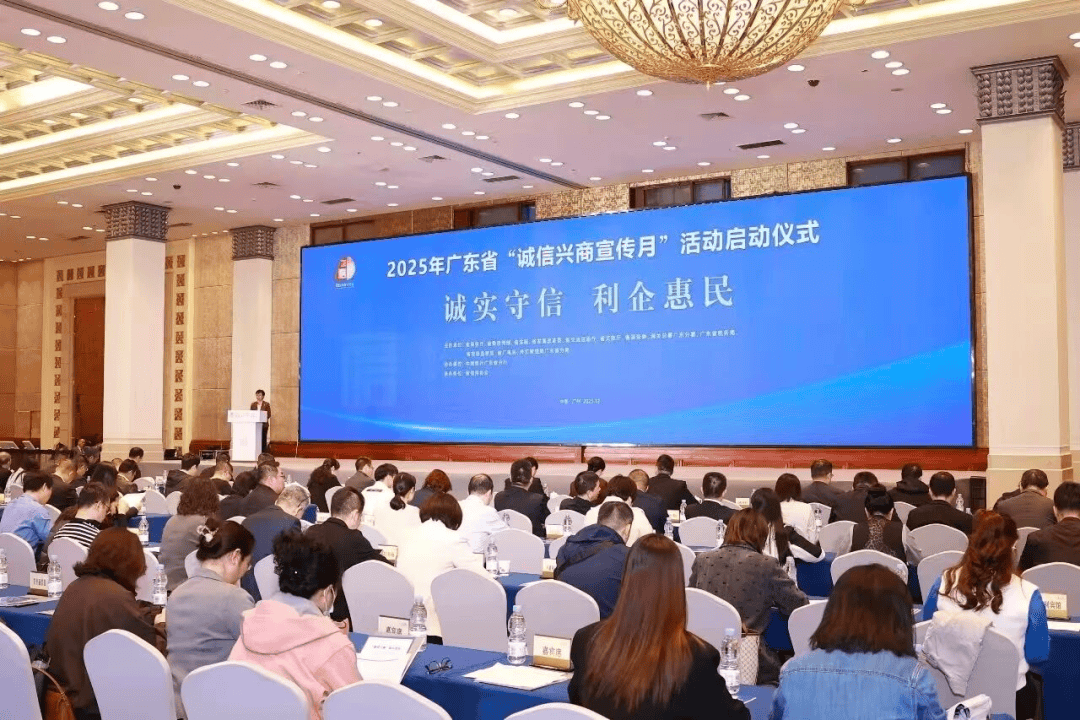
2025年广东省“诚信兴商宣传月”在穗启动!我协会在诚信兴商新征程上发声
Sou Hu Cai Jing· 2025-12-21 10:10
Core Viewpoint - The "Integrity and Business Promotion Month" in Guangdong aims to promote integrity culture, optimize the business environment, and enhance consumer confidence, thereby laying a solid credit foundation for high-quality economic development in the province [1][3]. Group 1: Event Overview - The event was launched on December 19 and is organized by multiple provincial departments, including the Guangdong Provincial Department of Commerce and the Provincial Court [1]. - The initiative has been ongoing for 21 years, indicating a long-term commitment to fostering integrity in business practices across Guangdong [3]. Group 2: Key Objectives - The event focuses on three main objectives: 1. Using credit as a "strong engine" to invigorate trade and commerce [3]. 2. Enhancing consumer confidence through credit initiatives [3]. 3. Promoting a new ethos of integrity in business practices [3]. Group 3: Credit System Development - Guangdong has made significant progress in building a credit system, recognized as a national leader, having received the provincial "demonstration unit" award six times [3]. - The province has authorized 3.68 million enterprises to access financing through various credit service platforms, facilitating over 1.9 trillion yuan in loans [3]. Group 4: Sector-Specific Initiatives - The tourism sector has seen the establishment of a credit rating system, with 300 A-level travel agencies and 356 quality rural hotels recognized, enhancing consumer safety and trust [4]. - A modern governance model has been implemented in customs management, improving efficiency and reducing compliance costs for 1,950 AEO enterprises [4]. Group 5: Collaborative Efforts - The event included a joint initiative where 13 provincial associations and over 80 enterprises committed to upholding integrity in business practices [4]. - Local governments are encouraged to tailor integrity promotion activities to deepen the integration of integrity concepts into business management and public awareness [5].
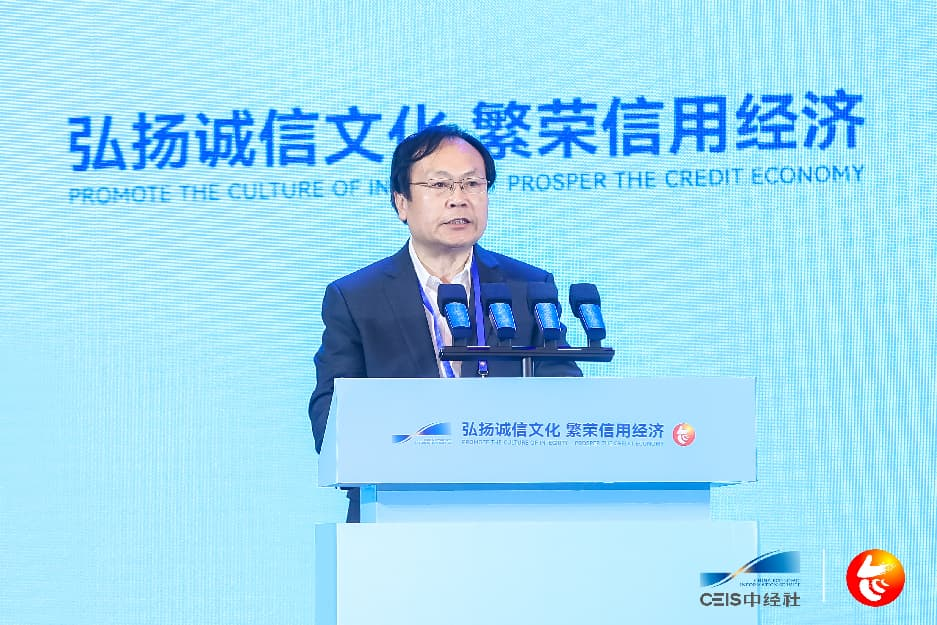
薛方:城市信用治理创新的三重维度 ——制度化、资本化和人的现代化
Xin Hua Cai Jing· 2025-12-17 03:17
Core Viewpoint - The China Urban Credit Construction Summit held from December 12 to 14 in Taizhou, Zhejiang Province, introduced a governance framework of "institutionalization, capitalization, and modernization of people" for urban credit system development in the context of Chinese-style modernization [1][3]. Group 1: Credit System Development - China's social credit system has evolved over 26 years, starting from information construction to forming a national credit information sharing platform, recognized as a foundational market economy system in the 20th National Congress report [3]. - The 14th Five-Year Plan emphasizes the equal importance of integrity construction and legal system building, focusing on developing new productive forces and establishing a unified national market [3]. Group 2: Governance Innovation - The proposed governance path addresses new challenges in the digital era, such as "credit white households," "sleeping credit assets," and "credit gaps," facilitating the modernization of cities with Chinese characteristics [3][4]. - Institutionalization focuses on legal frameworks to promote integrity values, enhance mechanisms for joint punishment, credit restoration, and supervision, preventing credit misuse [4]. Group 3: Capitalization and Economic Applications - The capitalization aspect aims to define and strengthen the value of credit as "trust capital, social capital, reputation capital, and future capital," expanding credit economic applications like "credit loans," "credit healthcare," and "pay after use" [4]. - The concept of "credit as wealth" is promoted to benefit enterprises and the public, positioning credit as a "hard currency" in the market economy [4]. Group 4: Modernization of People - The modernization of people focuses on groups such as 300 million new citizens, farmers, and small and medium enterprises, promoting digital, ecological, and inclusive credit systems to address the "credit white household" issue [4]. - It aims to fill gaps in credit services across various sectors, including agriculture, employment, marriage, food safety, elderly care, and e-commerce [4]. Group 5: Innovative Practices and Outcomes - Several innovative practices have been implemented, such as Zhejiang's "Qinghe Station" providing job-seeking accommodation for students, Shenzhen's establishment of the first "credit economy experimental zone," and Wuhan's carbon points exchange for mortgage policies [5]. - These initiatives leverage "credit + livelihood," "credit + digital," and "credit + ecology" models to enhance public services and grassroots governance modernization [5]. Group 6: Summit Objectives - The China Urban Credit Construction Summit serves as a high-level exchange platform for social credit system development, aiming to foster dialogue, build consensus, and promote practical applications in credit construction [5].
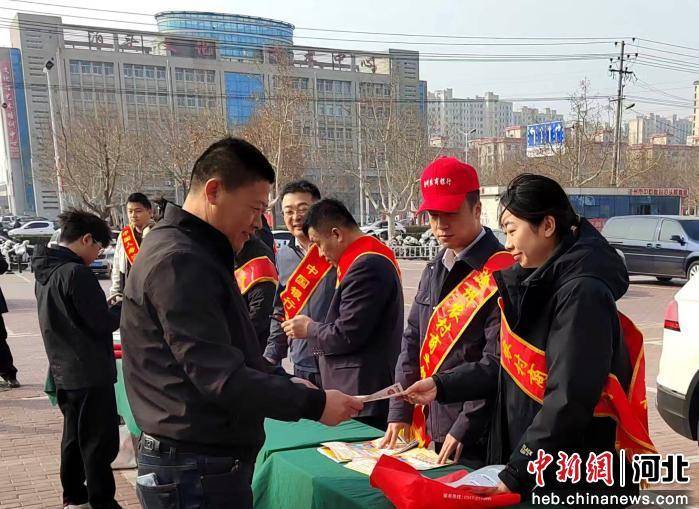
河北泊头优化金融服务 多举措护航企业发展
Sou Hu Cai Jing· 2025-12-15 08:55
Core Insights - The article highlights the efforts of Cangzhou Botou City in Hebei Province to address financing challenges for enterprises and improve the financial business environment through a concentrated promotion of inclusive financial policies [1] Group 1: Financial Initiatives - Botou City has focused on the development of the real economy by innovating an "online + offline" interaction model to regularly collect financing needs from enterprises [3] - Financial institutions have been guided to conduct "one-on-one" connections with businesses, launching credit loan products such as "Industry Cluster Loan," "Credit Easy Loan," and "Cloud Tax Loan" [3] - A total of 132 various government-bank-enterprise connection activities have been held, engaging over 2,000 enterprises and disbursing loans amounting to 4.65 billion yuan [3] Group 2: Support for Foreign Trade - The city has collaborated with banks to conduct digital consumption marketing activities to stimulate consumer vitality [3] - Financial institutions are encouraged to enhance support for foreign trade enterprises, utilizing online products like Cross-Border Quick Loan and Foreign Trade Cloud Loan, providing nearly 100 million yuan in financing support to over 50 foreign trade enterprises this year [3] Group 3: Future Plans - The city plans to continue deepening the collaboration between government, banks, and enterprises, enriching the inclusive financial product system, and improving financial service mechanisms [3] - There will be an expansion of policy promotion coverage to provide solid financial support for various market entities to alleviate difficulties and foster growth [3]
港深联合发布三年行动方案 携手打造全球金融科技中心
Zheng Quan Shi Bao· 2025-11-19 21:36
Core Insights - The Hong Kong and Shenzhen governments have jointly released an action plan to develop a global fintech center from 2025 to 2027, aiming to enhance collaboration in the fintech sector and strengthen their respective financial positions [1] Group 1: Strategic Objectives - The action plan focuses on six key dimensions to foster collaboration in fintech, aiming to create a globally competitive fintech ecosystem [1] - The plan emphasizes the establishment of various research and evaluation centers by national financial regulatory bodies in both regions [1] Group 2: Technological Innovation - There will be increased support for the research and development of foundational fintech technologies, encouraging collaboration between universities and enterprises [2] - The plan includes subsidies for computing power to reduce costs for enterprises and explores cross-border data flow mechanisms [2] Group 3: Financial Integration - The action plan promotes the integration of fintech with various sectors, including technology finance, green finance, and digital inclusive finance [2] - It encourages the development of specialized financial products for elderly care and the expansion of digital RMB applications in retail and trade [2] Group 4: Regulatory Environment - The plan aims to enhance regulatory cooperation and improve financial risk monitoring systems, utilizing AI for dynamic regulation [3] - It includes measures to attract specialized talent and promote the development of a fintech brand unique to the Hong Kong-Shenzhen region [3]