
六轴机器人

Search documents
从协作龙头到具身领跑,越疆25年协作机器人出货量跃居全球第一!
机器人大讲堂· 2026-03-30 13:37
Core Viewpoint - The global robotics industry is at a critical turning point in 2025, with embodied intelligence transitioning from laboratory concepts to industrial practice, poised for exponential growth and reshaping human production and lifestyle [1] Group 1: Company Performance - In 2025, Yujian reported a revenue growth of 31.7% year-on-year, with collaborative robot shipments ranking first globally and core six-axis robot revenue exceeding 300 million, up 44.7% [1][3] - Yujian has served over 80 Fortune 500 companies across 15 industries and 200+ sub-scenes, maintaining a leading position in the global collaborative robot installation volume [3][5] - The company has achieved a cumulative shipment of over 100,000 robots, reinforcing its status as the top domestic brand in overseas shipments for eight consecutive years [7][3] Group 2: Technological Foundation - Yujian's transition to embodied intelligence is supported by a robust technological foundation, characterized by four core competitive elements: scene, body, small brain, and big brain, forming a closed loop for technological evolution [8] - The company has a self-research rate of over 90% for key hardware components, enabling a complete underlying technology closed loop [9] - Yujian's proprietary DOBOT-VLA large model, launched in 2025, is based on ten years of accumulated scene data, allowing robots to understand the rationale behind their actions [9][10] Group 3: Market Strategy - Yujian's strategy focuses on defining embodied intelligence products based on actual scenarios, accelerating the transition from "technical validation" to "scene necessity" [16] - The company has successfully scaled production of its humanoid robot Atom, demonstrating its commitment to quality and capability in real-world applications [16][14] - Yujian's global delivery capability is a key support for its leading position, with a sales network covering over 100 countries and regions [18] Group 4: Growth Dynamics - The shift from "passive execution" to "autonomous decision-making" in embodied intelligence is expected to revolutionize industrial productivity [19] - Yujian's unique value lies in its industrial platform that has naturally evolved from high-end manufacturing, providing a stable cash flow and performance certainty [19] - The company's growth is driven by the synergy of AI large models, user-friendly robots, and scene expansion, forming an "exponential flywheel" for rapid growth [19]

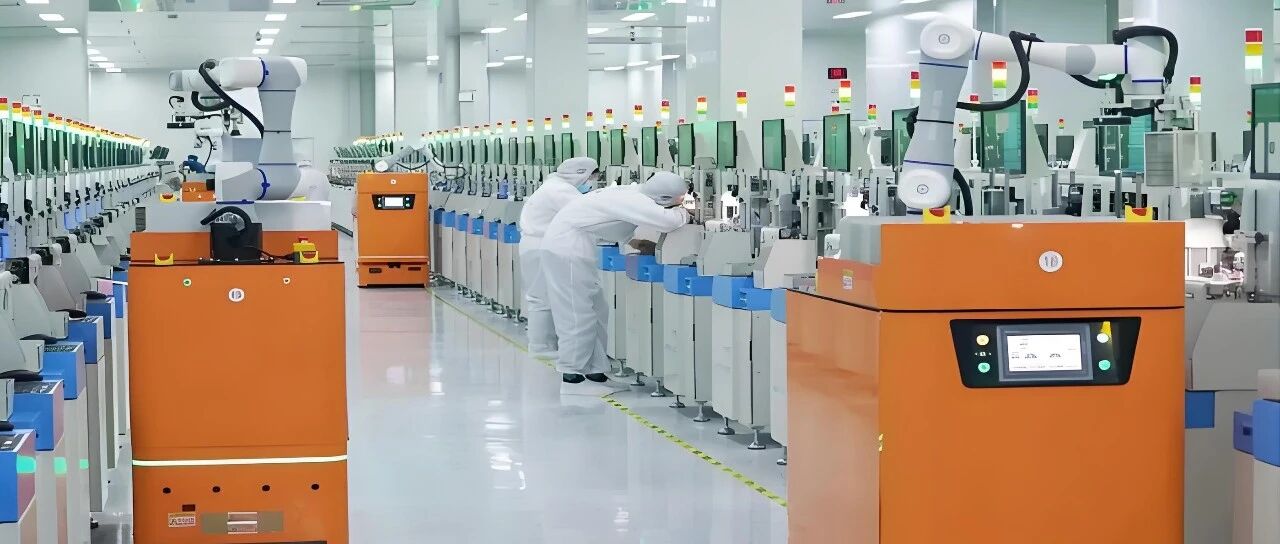
金奥博:公司会持续关注机器人领域的市场发展趋势
Zheng Quan Ri Bao Wang· 2026-01-27 11:46
Core Viewpoint - The company, Jin Aobo, focuses on high-end intelligent manufacturing, information technology, and core control technology and equipment for industrial robots, indicating a commitment to innovation and market trends in the robotics sector [1] Group 1: Company Focus and Expertise - The company specializes in the research and application of various types of robots, including six-axis, parallel, collaborative, vertical, SCARA, and AGV robots [1] - Jin Aobo has accumulated significant experience in industrial robot research and application, particularly in key technologies such as motion control, mobile navigation, and multi-axis collaboration [1] Group 2: Market Trends and Strategic Planning - The company will continue to monitor market development trends in the robotics field and will actively explore new core technologies for other robotic products, aligning with business needs and strategic planning [1]

国资押注 浙江翼菲智能重启IPO
Mei Ri Shang Bao· 2026-01-16 01:52
Company Overview - Yifei Intelligent Technology Co., Ltd. was established in 2012, focusing on light industrial applications, including the design, research and development, manufacturing, and commercialization of industrial robots, providing comprehensive robotic solutions [2] - The company has launched multiple series of products, including parallel robots, mobile robots, six-axis robots, and round crystal handling robots, with proprietary core technology control and vision systems [2] - Yifei Intelligent is recognized as the first domestic company to develop parallel robots, competing with global leaders like ABB, FANUC, and Adept [2] IPO and Funding - Yifei Intelligent has accelerated its IPO efforts in 2023, updating its prospectus for a second attempt to list on the Hong Kong Stock Exchange, aiming to become the first stock in the light industrial robotics sector [1] - The company has attracted investments from several well-known institutions, with the largest external shareholder being Zhejiang Taizhou State-owned Yuhuan Guotou, holding 9.69% of shares [1][4] - The company's valuation has reached 3.604 billion yuan, representing an increase of 180 times from its initial angel round valuation of 20 million yuan [4] Financial Performance - According to the prospectus, Yifei Intelligent's revenue for 2022, 2023, and 2024 is projected to be 160 million yuan, 200 million yuan, and 270 million yuan, respectively, with a compound annual growth rate (CAGR) of 28.5% [3] - In the first three quarters of 2025, the company achieved a revenue of 180 million yuan, reflecting a year-on-year growth of 71.5% [3] Market Potential - The light industrial robotics market in China is expected to grow from 12.3 billion yuan in 2020 to 20.9 billion yuan in 2024, with a CAGR of 14.2% [5] - The market is projected to reach 43.8 billion yuan by 2029, with a CAGR of 16.3% from 2025 to 2029, indicating a faster growth rate than the overall industrial robotics market [5]
蓝思科技:公司在机器人领域布局较早
Zheng Quan Ri Bao Wang· 2026-01-14 12:47
Core Viewpoint - The company, Lens Technology, is strategically advancing in the robotics sector by focusing on key technologies such as mechanical structure design, motion control algorithms, and machine vision systems, aiming to become a leader in the consumer electronics, automotive electronics, and robotics industries [1] Group 1: Robotics Development - The company has established a strong presence in the robotics field, having developed and mass-produced various types of industrial robots, including six-axis robots, AOI visual inspection robots, unmanned transport robots, and intelligent composite robots [1] - The company operates a comprehensive capability from concept design to mass manufacturing in the robotics sector [1] Group 2: Innovation and Collaboration - The Hunan Embodied Intelligence Innovation Center, operated in collaboration with Zhiyuan Robotics, has officially commenced operations, gathering nearly 30 industry chain enterprises such as Yuejiang Robotics and Lingxin Qiaoshou [1] - This center integrates research and development, testing, and incubation functions, with a core focus on key technology testing and data support [1] Group 3: Manufacturing Capacity - The company has launched its Yong'an Park, which has an annual production capacity of 500,000 robots, creating a "research + manufacturing" linkage center [1] - This initiative signifies the company's transition towards a three-pronged strategy of "innovation platform + mass production base + ecological alliance," enhancing its position as a leader in the embodied intelligence ecosystem [1]


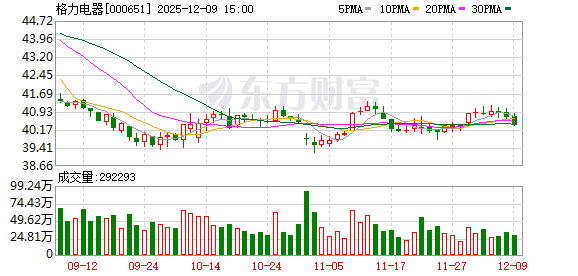
格力电器:未来将持续关注人形机器人产业发展
Zheng Quan Ri Bao Wang· 2025-12-09 14:16
Core Insights - Gree Electric Appliances is focusing on the research of core components and key technologies in industrial robotics, achieving breakthroughs in servo motors, servo drives, motion controllers, reducers, and robot dynamics [1] - The company has successfully developed a full range of products including six-axis robots, SCARA robots, welding robots, and collaborative robots, with payload capacities ranging from 3kg to 600kg, forming a complete product spectrum [1] - Gree has also developed core components such as joint modules for humanoid robots and will continue to pay attention to the development of the humanoid robot industry in the future [1]

格力电器:目前公司已开发可用在人形机器人上的关节模组等核心零部件
Mei Ri Jing Ji Xin Wen· 2025-12-09 12:50
Group 1 - The company has made significant advancements in the research of core components and key technologies for industrial robots, including servo motors, servo drives, motion controllers, reducers, and robot dynamics [1] - The company has successfully developed a full range of robotic products, including six-axis robots, SCARA robots, welding robots, and collaborative robots, with payload capacities ranging from 3kg to 600kg [1] - The company is focusing on the development of core components for humanoid robots, such as joint modules, and will continue to monitor the development of the humanoid robot industry [1] Group 2 - An investor inquired about the company's plans to develop humanoid robots, especially in light of recent product launches by competitors like Midea [2] - The company is recognized for its advanced technology accumulation in industrial machinery, suggesting potential opportunities in the emerging humanoid robot market [2]
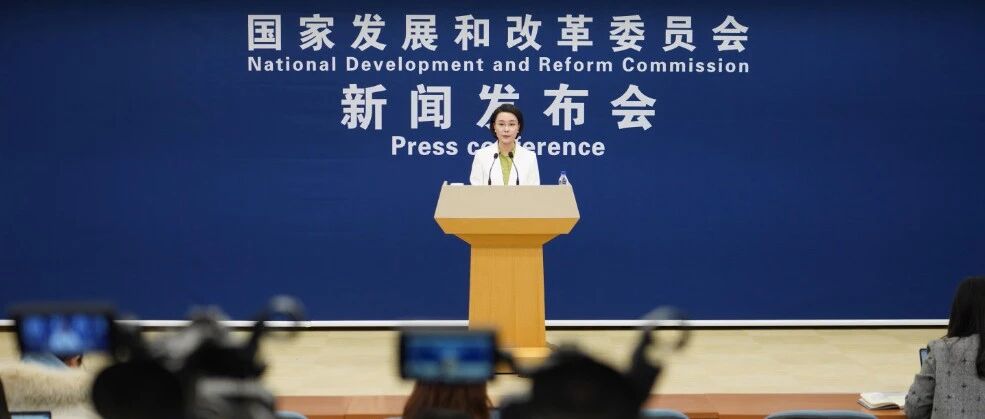
发改委将重磅出手!遏制“概念炒作”,倒逼真实创新,具身智能有望迎来发展新格局
机器人大讲堂· 2025-11-28 08:00
Core Insights - The core viewpoint of the article emphasizes the importance of establishing industry standards and mechanisms to guide the healthy development of the embodied intelligence sector, which is expected to grow at an annual rate exceeding 50% and reach a market size of 100 billion yuan by 2030 [1][3]. Industry Standards and Evaluation System - The National Development and Reform Commission (NDRC) plans to accelerate the establishment of industry standards and an evaluation system to create a fair competitive market environment and ensure orderly development of the embodied intelligence industry [3][5]. - The NDRC aims to address the current issues of scattered and small enterprises, repetitive construction, and technological hollowing out within the industry [5][7]. Mechanisms for Industry Development - The NDRC's strategy includes three main mechanisms: establishing entry and exit mechanisms, accelerating key technology breakthroughs, and promoting infrastructure construction for training and pilot testing platforms [3][5]. - The focus is on filtering out non-professional teams and ensuring that only those with substantial technological capabilities remain in the market, thereby avoiding resource waste and low-end homogeneous competition [5][7]. Short-term, Mid-term, and Long-term Opportunities - In the short term, companies with solid production capabilities and established technology are expected to benefit from the policy changes, as the industry transitions from a phase of rapid growth to one of standardized development [10][11]. - Mid-term prospects favor companies that can break through key technological bottlenecks, particularly in perception-decision-control technology, which is crucial for the industry's advancement into complex scenarios [13][14]. - Long-term, companies that can achieve a commercial closed loop in specific verticals, such as elder care robotics, are anticipated to capture significant market opportunities as the industry matures [14][15]. Conclusion and Future Outlook - The article concludes that the embodied intelligence industry is moving from a phase of rapid, unregulated growth to one of high-quality development under policy guidance, which will help define the industry's future landscape [16][17]. - The establishment of clear regulations is seen as essential for fostering innovation while maintaining safety and avoiding short-term speculative behaviors [16][17].
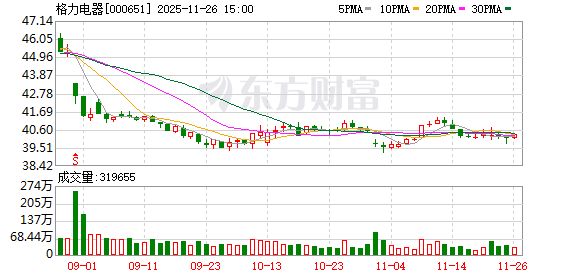
格力电器:公司成功开发六轴机器人、SCARA机器人、焊接机器人、协作机器人等全系列产品
Mei Ri Jing Ji Xin Wen· 2025-11-26 12:27
Group 1 - The core inquiry from investors is whether Gree Electric Appliances can develop into an unmanned machine store featuring robots that explain product functions and serve customers 24/7 [2] - Gree Electric Appliances has stated on the investor interaction platform that the company is deeply engaged in the research of core components and key technologies for industrial robots [2] - The company has achieved breakthroughs in various areas including servo motors, servo drives, motion controllers, reducers, and robot dynamics, successfully developing a full range of products such as six-axis robots, SCARA robots, welding robots, and collaborative robots [2]
格力电器(000651.SZ):成功开发六轴机器人、SCARA机器人、焊接机器人、协作机器人等全系列产品
Ge Long Hui· 2025-11-26 11:46
Core Viewpoint - Gree Electric Appliances is focusing on the research of core components and key technologies in industrial robots, achieving breakthroughs in various areas [1] Group 1: Technological Advancements - The company has made significant progress in servo motors, servo drives, motion controllers, reducers, and robot dynamics [1] - Gree Electric has successfully developed a full range of products including six-axis robots, SCARA robots, welding robots, and collaborative robots [1]
超100家机构调研,300433突然火了,公司透底机器人出货量
Zheng Quan Shi Bao· 2025-11-23 05:04
Group 1: Institutional Research Trends - The overall institutional research activity remains high, with 404 listed companies disclosing investor research records as of November 21 [1] - Companies such as Rongbai Technology and Lens Technology received over 100 institutional visits [1] - Only 36 of the companies that accepted institutional research reported positive returns, with the top three performers being Shen Zhonghua A (up 32.24%), Dawei Co., Ltd. (up 16.87%), and Tongyi Co., Ltd. (up 16.51%) [1] Group 2: Lithium Battery Sector - Rongbai Technology has transformed from a leader in ternary cathode materials to a global leader in new energy materials, focusing on sodium-ion battery materials [2] - The company plans to establish a 6,000-ton pilot line in Xiantao by 2025 and aims for a sodium-ion production capacity of 100,000 tons by 2030, with plans for overseas market expansion starting in 2029 [2] - Fengyuan Co., Ltd. has built a total of 225,000 tons of lithium iron phosphate capacity, with 75,000 tons under construction, and aims to optimize capacity utilization through enhanced product competitiveness and customer collaboration [3] Group 3: Embodied Intelligence Sector - Companies are increasingly focusing on the embodied intelligence sector, with Siling Co., Ltd. establishing a robotics division in 2024 to develop and produce robotic components [4] - Hongrun Construction has launched a humanoid robot, Star Dynamics, in collaboration with Matrix Super Intelligence, aiming for commercial viability by 2026 [6] - Lens Technology has a comprehensive manufacturing capability for industrial robots and plans to produce 10,000 humanoid robots and 30,000 quadruped robots this year, positioning itself as a leading platform in embodied intelligence hardware [7][8] Group 4: Financial Performance - Lens Technology reported a total revenue of 53.663 billion yuan for the first three quarters, a year-on-year increase of 16.08%, with a net profit of 2.843 billion yuan, up 19.91% [8] - The company's third-quarter revenue reached 20.702 billion yuan, marking a historical high for the same period [8]
