冰墩墩

Search documents
猪肉价格暴跌让羽毛球涨价?
虎嗅APP· 2026-03-30 13:54
Core Viewpoint - The article discusses the relationship between the fluctuation of pork prices and the rising prices of badminton shuttlecocks, exploring the underlying factors affecting these price changes in the context of supply and demand dynamics [3][4]. Group 1: Pork Price Dynamics - Pork prices have been declining since the second half of 2024, with recent prices dropping below 5 yuan per kilogram [3][4]. - The wholesale price of pork has experienced a fluctuation of approximately 100% over the past decade, while beef and chicken prices have been more stable, with fluctuations of around 40% and 20% respectively [25][24]. - The supply cycle for pork is about 10 months, which allows producers to quickly respond to price increases by increasing production, leading to subsequent price drops [27]. Group 2: Badminton Shuttlecock Price Increase - The price of badminton shuttlecocks has surged, reportedly increasing more than the price of gold, with specific examples showing a rise from 210 yuan per dozen to 275 yuan per dozen within a few months [6][7]. - The increase in shuttlecock prices is attributed to rising demand for badminton as a popular sport and a decrease in the supply of raw materials, particularly duck and goose feathers, which are essential for manufacturing shuttlecocks [18][20]. - From 2020 to 2023, the number of market ducks decreased from 4.683 billion to 4.218 billion, and geese from 639 million to 515 million, leading to increased prices for shuttlecock materials [22][23]. Group 3: Supply Chain Stability - The article emphasizes the importance of stable supply chains for food products in the restaurant industry, suggesting that businesses should focus on ingredients with consistent supply and price stability [30]. - The volatility of supply chains, as seen with crayfish, has historically hindered the establishment of large-scale restaurant chains focused on this product [31].

传统与潮流碰撞带火商圈消费 市民游客在逛吃打卡中感受别样“京彩”
Xin Lang Cai Jing· 2026-02-23 17:37
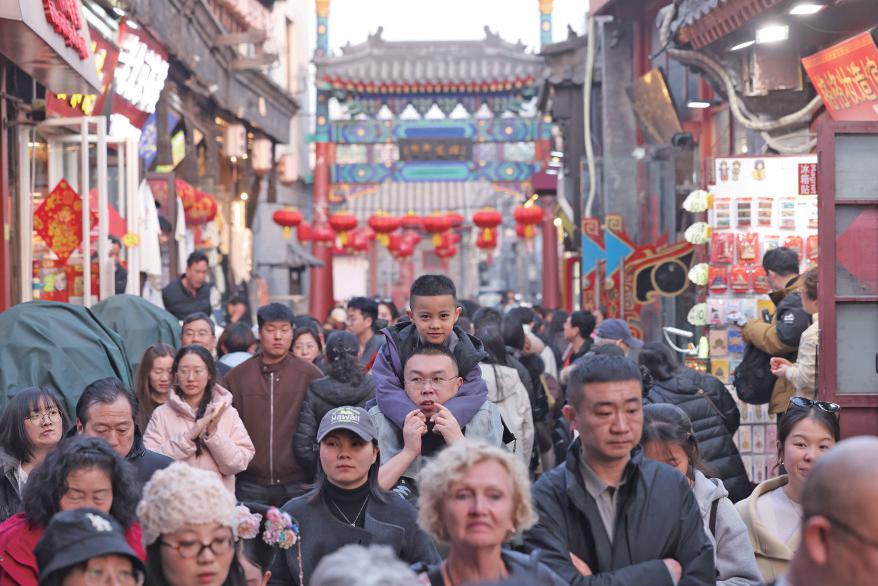
Group 1 - The "Lion King Enters Beijing" exhibition at Sanlitun showcases a blend of traditional lion dance culture and modern design, featuring eight limited edition lion heads, attracting significant public interest during the Spring Festival [2][3] - The exhibition highlights the unique design of the Forbidden City lion, inspired by traditional elements, making it a focal point of the event [2] - The event has successfully drawn crowds, with long queues reported at nearby restaurants and cultural venues, indicating a vibrant atmosphere in the Sanlitun area [3] Group 2 - The integration of horse elements in various commercial districts is notable, with installations and art pieces celebrating the upcoming Year of the Horse, enhancing the festive spirit [4] - The Wangfujing area has innovatively combined traditional and modern experiences, featuring pop-up stores and immersive art exhibitions, appealing to a diverse audience [5] - Cultural activities, including traditional fairs and performances, are thriving in areas like Qianmen Street, enriching the festive experience for visitors [5][6]
“马墩墩遇见北海福”:冬奥设计师携马年限定款亮相北海公园
Xin Lang Cai Jing· 2026-02-21 10:02
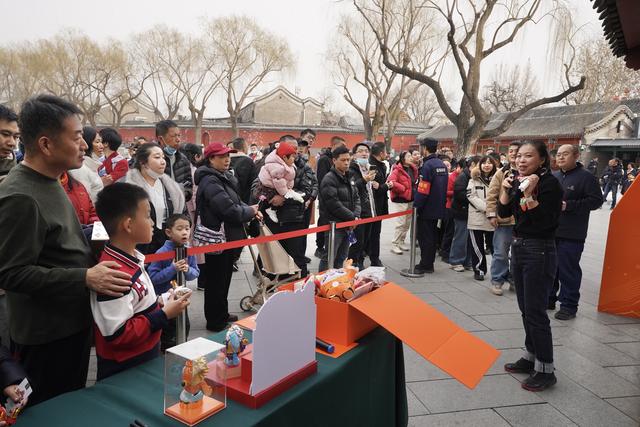
Group 1 - The event titled "Mǎ Dūn Dūn Image Designer Offline Signing Event" took place at Beihai Park South Gate Square on February 21 [1] - The theme of the event was "Mǎ Dūn Dūn Meets Beihai Fortune," featuring Lin Cunzhen, the core designer of the Beijing 2022 Winter Olympics mascot "Bīng Dūn Dūn," who engaged with fans and shared insights on the design inspiration and craftsmanship behind the Mǎ Dūn Dūn [3] - Lin Cunzhen has designed significant Olympic symbols, including the "Winter Dream" and "Leap" emblems, and has created popular characters like "Bīng Dūn Dūn" and "Xuě Róng Róng," continuing the zodiac cultural series with "Tù Dūn Dūn," "Lóng Dūn Dūn," and the latest "Mǎ Dūn Dūn," showcasing a blend of Olympic cultural heritage and traditional Chinese zodiac culture [6]
米兰冬奥会赛场内外的中国年味
Zhong Guo Xin Wen Wang· 2026-02-18 11:07
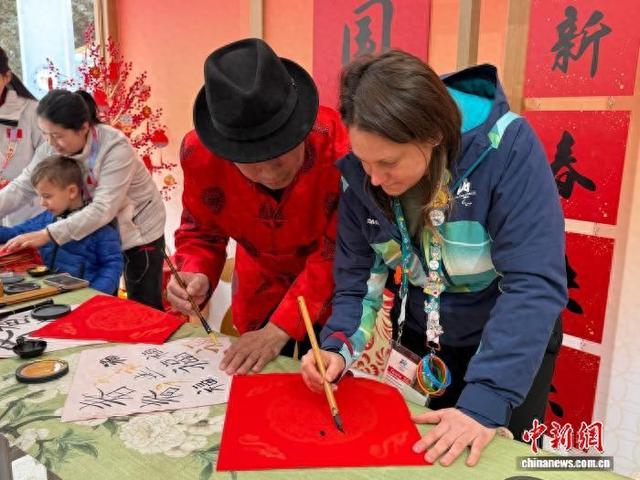
Core Viewpoint - The Milan Winter Olympics coincides with the Chinese Lunar New Year, creating a unique blend of cultural elements, with Chinese athletes celebrating the festival through their performances and interactions at the event [1][2]. Group 1: Cultural Integration at the Olympics - Chinese figure skating duo Sui Wenjing and Han Cong performed a routine inspired by traditional Chinese culture, finishing fifth in their event, showcasing the integration of cultural elements into competitive sports [1]. - The Olympic venue featured decorations such as a large banner wishing "Happy New Year" in Chinese, and spectators waved Chinese flags, highlighting the cultural exchange [1]. - During the event, an Italian volunteer greeted Chinese spectators in Mandarin, further emphasizing the cultural connection [1]. Group 2: Celebrations Beyond the Arena - The International Olympic Committee President presented a limited edition "Bing Dwen Dwen" to Chinese athletes, extending New Year wishes and showcasing the global recognition of Chinese culture [2]. - The Olympic Village was adorned with traditional Chinese decorations, and foreign athletes engaged with Chinese cultural elements, such as zodiac symbols and custom badges, indicating a successful cultural exchange [2]. - The "Chinese House" in Milan attracted many visitors, where they experienced Chinese cultural activities, reflecting the interest in and appreciation for Chinese traditions [2].
(米兰冬奥会)通讯:米兰冬奥会赛场内外的中国年味
Xin Lang Cai Jing· 2026-02-18 01:54
Group 1 - The Milan Winter Olympics coincides with the Chinese Lunar New Year, creating a unique blend of winter sports and traditional Chinese celebrations [1] - Chinese athletes, including the figure skating duo Sui Wenjing and Han Cong, participated in events during the New Year, showcasing cultural performances [1] - The atmosphere in the Olympic venues was enhanced by Chinese decorations and cultural elements, such as banners wishing "Happy New Year" and traditional performances [1][3] Group 2 - The "China House" in Milan featured activities like writing "Fu" characters and learning about Chinese culture, attracting local visitors [3][4] - The Olympic Village was decorated with Chinese New Year symbols, and international athletes engaged with Chinese cultural elements, such as zodiac-themed badges [3] - The vibrant Chinese community in Milan celebrated the New Year with traditional decorations and foods, contributing to the festive atmosphere [4]
国际奥委会主席捧在手心的这只“熊猫” 依旧是顶流!
Xin Hua She· 2026-02-13 23:06
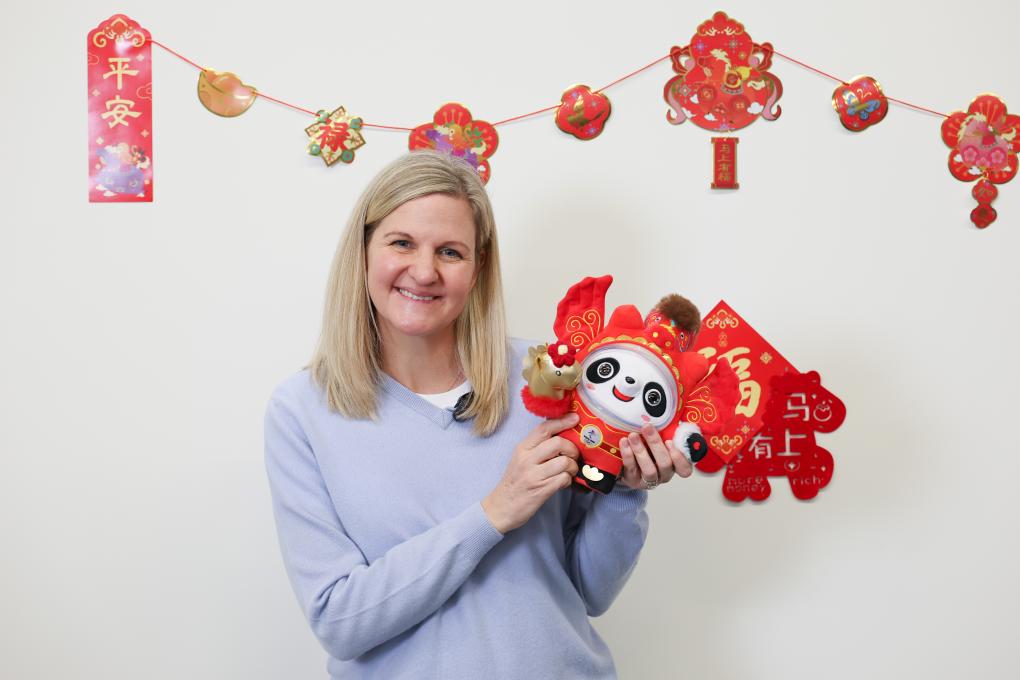
Core Viewpoint - The article highlights the cultural significance and global appeal of the Olympic mascot "Bing Dwen Dwen," which has evolved into a symbol of both Olympic and Chinese traditional culture, particularly with the introduction of new variants like "Ma Dwen Dwen" and "She Dwen Dwen" [1][3][13]. Group 1: Cultural Significance - "Bing Dwen Dwen," the mascot of the Beijing 2022 Winter Olympics, has become a bridge connecting Olympic culture with Chinese traditional culture since its launch on September 17, 2019 [5][3]. - The mascot's design, featuring a panda with an ice crystal shell and colorful halo, has made it an iconic representation of the Winter Olympics [5][7]. - The introduction of variants like "Ma Dwen Dwen" incorporates elements of Chinese zodiac culture, symbolizing loyalty and bravery, and reflects the essence of Chinese "famous horse culture" [17][21]. Group 2: Global Appeal and Market Expansion - The popularity of "Bing Dwen Dwen" surged during the Beijing Winter Olympics, with its endearing character winning over audiences globally [7][12]. - The series of products, including "Ma Dwen Dwen," has been recognized as a successful example of integrating Olympic heritage with Chinese zodiac culture, enhancing its market presence [13][19]. - The "Ma Dwen Dwen" series, inspired by various horse designs, was officially launched on November 28, 2025, showcasing the mascot's evolution from a mere Olympic symbol to a cultural ambassador [19][21].
国际奥委会主席捧在手心的这只“熊猫”,依旧是顶流!
Xin Lang Cai Jing· 2026-02-13 20:37
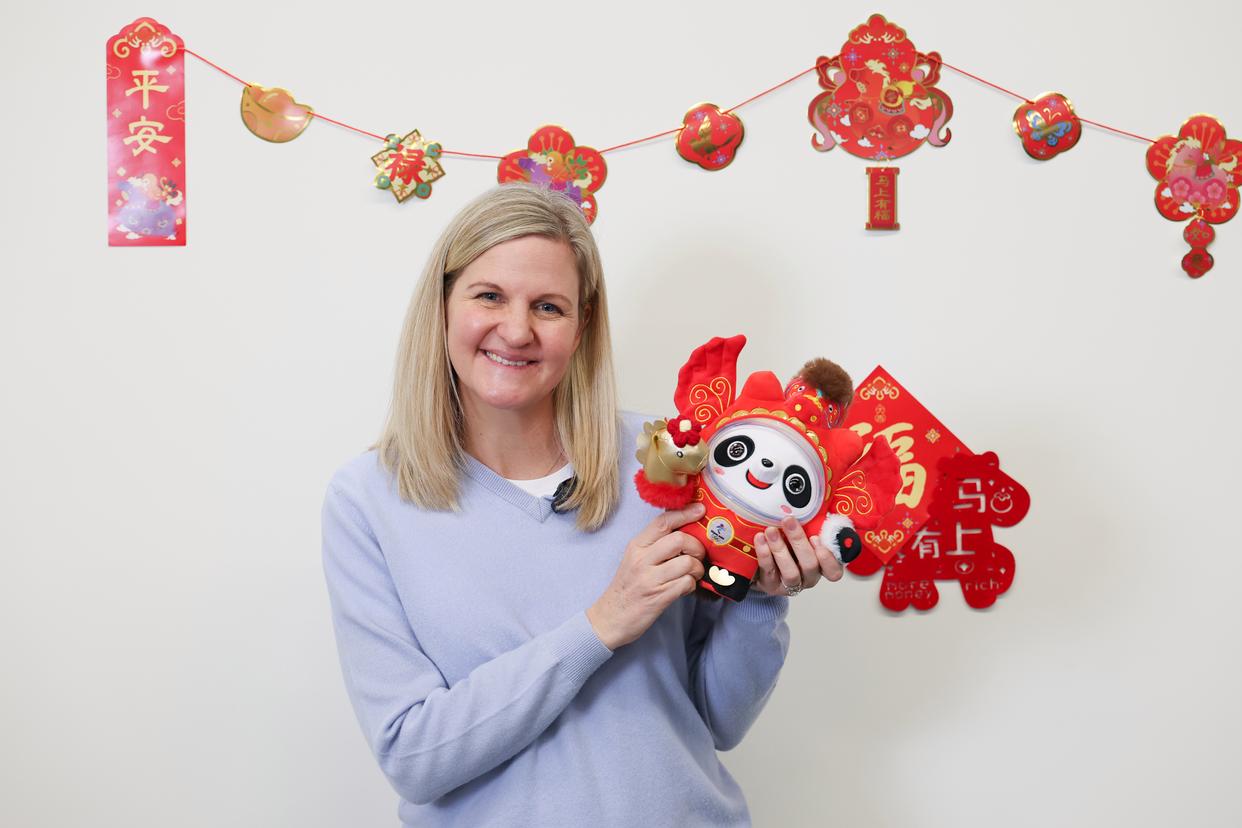
Core Viewpoint - The article highlights the cultural significance and popularity of the Olympic mascot "Bing Dwen Dwen," which has evolved into a symbol of both Olympic and Chinese traditional culture, particularly with the introduction of the new variant "Ma Dwen Dwen" for the Year of the Horse [3][16]. Group 1: Cultural Significance - "Bing Dwen Dwen" has become a bridge connecting Olympic culture with Chinese traditional culture since its release in 2019 [3][4]. - The mascot embodies elements of loyalty and bravery, representing auspiciousness and a spirit of progress in Chinese culture [16]. Group 2: Popularity and Engagement - The mascot gained immense popularity during the Beijing 2022 Winter Olympics, with notable interactions that endeared it to audiences [5][10]. - "Bing Dwen Dwen" has transcended its role as a mere mascot, becoming a cultural icon that engages in international cultural exchanges [20]. Group 3: Product Development - The "Ma Dwen Dwen" series, inspired by the essence of Chinese horse culture, was officially launched on November 28, 2025, showcasing designs based on various legendary horses [18]. - The series has successfully integrated Olympic and cultural elements, making "Bing Dwen Dwen" a lasting cultural heritage product [12].
【冬奥漫笔】从“一墩难求”到“一鼬难求”
Xin Lang Cai Jing· 2026-02-09 20:19
Core Viewpoint - The popularity of the Olympic mascots Tina and Milo at the Milan-Cortina Winter Olympics highlights their role in enhancing local identity and generating significant commercial revenue through merchandise sales [1][2][3]. Group 1: Mascot Popularity and Cultural Significance - Tina and Milo, the mascots of the Milan Winter Olympics, are widely embraced by visitors, with plush toys being the most sought-after merchandise [1]. - The mascots are designed based on a creative drawing by Italian children, reflecting local culture and enhancing community recognition [1]. - The history of Olympic mascots dates back to the 1972 Munich Olympics, evolving into important symbols that embody the spirit of the host city and country [2]. Group 2: Commercial Impact of Mascots - Successful mascots can significantly boost sales of licensed merchandise, contributing to the overall revenue of the event [3]. - For instance, by the end of 2022, over 5.5 million plush toys of the Beijing Winter Olympics mascot "Bing Dwen Dwen" were sold, generating over 1 billion yuan in revenue [3]. - The emotional connection that mascots create among athletes, spectators, and citizens serves as a bridge between the event and the public, promoting the Olympic spirit [3].
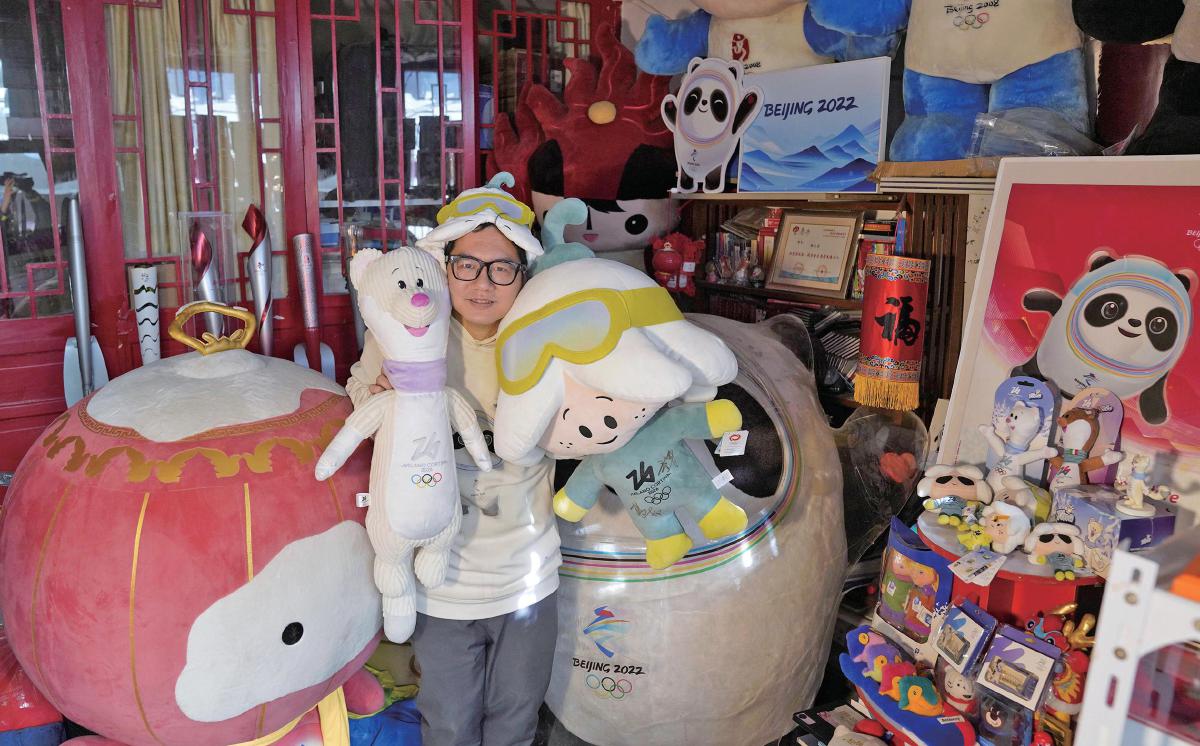
“奥运小王子”张文全:从奥运火炬收藏者到传递者
Zhong Guo Xin Wen Wang· 2026-02-05 11:27
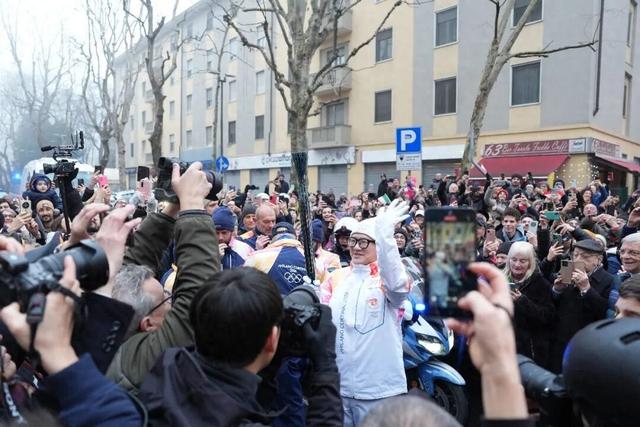
Core Viewpoint - The Milan-Cortina Winter Olympics 2026 torch relay officially commenced on February 5, 2026, with Zhang Wenquan from Beijing as the first torchbearer, symbolizing the spirit of the Olympics and the importance of cultural exchange and unity [1][15]. Group 1: Torch Relay and Event Details - The torch relay will take place from December 6, 2025, to February 6, 2026, covering approximately 12,000 kilometers across all 20 regions of Italy, involving 110 provinces and over 300 municipalities, with celebrations in 60 cities [11]. - This Winter Olympics will feature the largest number of events and athletes from China competing abroad, with 126 athletes participating in 7 major events and 15 sub-events across 91 categories [15]. Group 2: Zhang Wenquan's Journey and Contributions - Zhang Wenquan has been an avid collector of Olympic memorabilia, with over 7,000 items, and aims to establish his own "Olympic Museum" to promote Olympic spirit and culture [5][12]. - He has served as a volunteer at the Beijing Olympics in 2008 and the Winter Olympics in 2022, emphasizing the importance of volunteer contributions to the success of the events [7][9]. - Zhang received a personal letter from IOC President Thomas Bach, expressing gratitude for his volunteer work and highlighting Beijing's unique status as the first city to host both Summer and Winter Olympics [9][10]. Group 3: Personal Values and Olympic Spirit - Zhang's values include unity, dedication, and cultural heritage, which he articulated in his application to become a torchbearer, viewing the role as both an honor and a responsibility [12]. - He believes that the essence of the Olympics lies in the shared pursuit of friendship, peace, and enjoyment among athletes, volunteers, and spectators from around the world [15].
北京双奥志愿者奔赴米兰传圣火
Xin Lang Cai Jing· 2026-02-03 18:43
Core Viewpoint - Zhang Wenquan, a Beijing resident, will carry the Olympic flame as the first torchbearer at the Milan Winter Olympics, marking a significant milestone in his 26-year passion for the Olympics [1][3]. Group 1: Personal Journey and Achievements - Zhang has collected over 7,000 Olympic memorabilia items and has volunteered at the Beijing Olympics twice, showcasing his deep connection with the Olympic movement [2][4]. - His journey began with the 2000 Sydney Olympics, and he has remained enthusiastic about the Olympics for 26 years, culminating in his selection as a torchbearer for the 2026 Milan-Cortina Winter Olympics [3][4]. Group 2: Application Process and Challenges - The application process for becoming a torchbearer involved answering questions about his motivations and experiences, which he had to translate with the help of friends due to his limited English skills [6]. - Zhang faced several challenges during the application, including renewing his expired passport and successfully submitting his application after multiple attempts [6][7]. Group 3: Preparation for the Event - As the event approaches, Zhang's initial excitement has turned into nervousness about the unfamiliar environment and language barriers, prompting him to prepare physically and connect with local volunteers [8]. - He has created WeChat groups for torchbearers, volunteers, and spectators to share information about the event, enhancing his social network in preparation for the Olympics [8]. Group 4: Personal Reflections and Future Aspirations - Zhang reflects on his passion for the Olympics, stating that it brings him joy, and he plans to adopt a more selective approach to his collection in the future [9]. - His experience as a torchbearer has boosted his confidence, leading him to apply for another international event as a torchbearer [10].