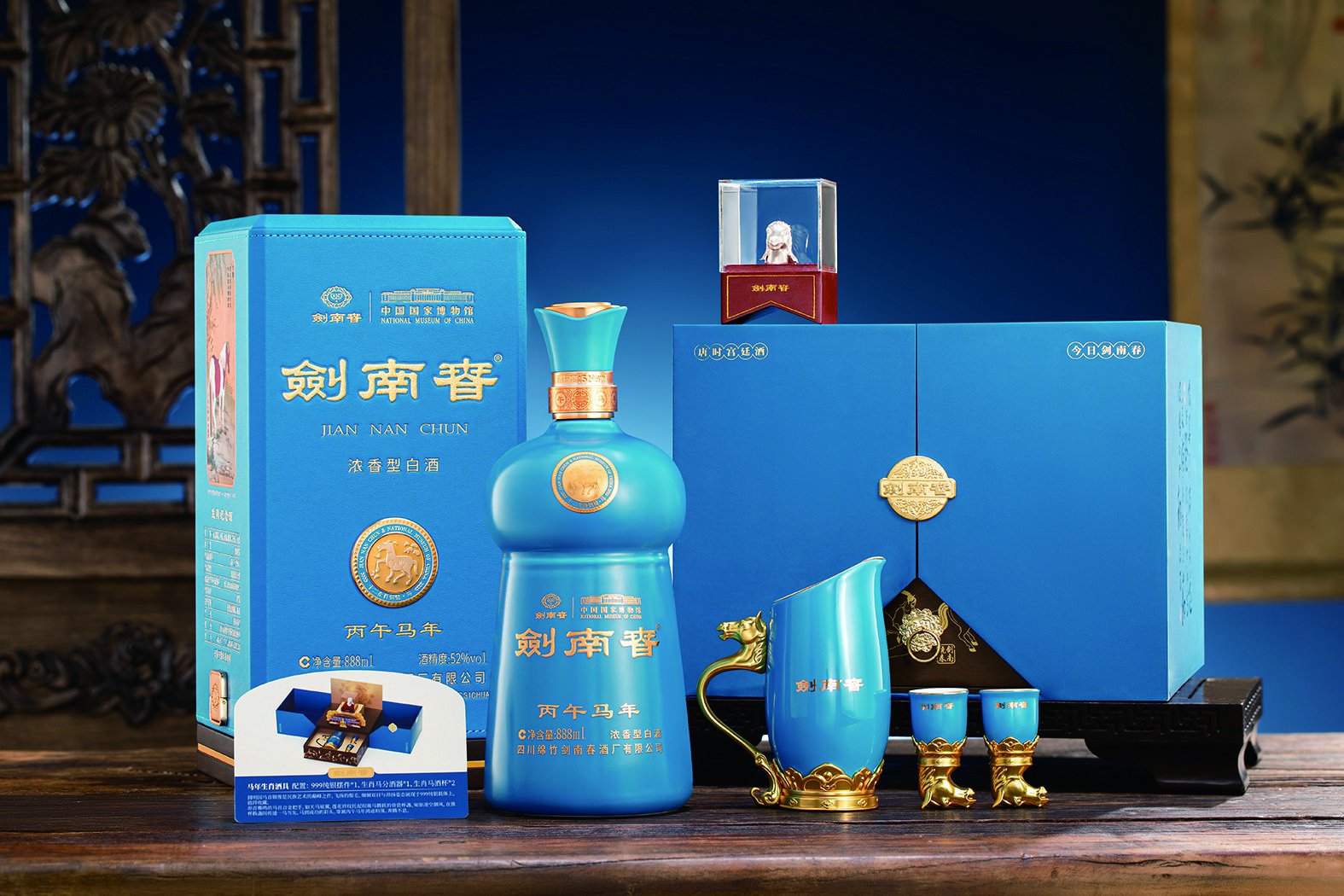
剑南春丙午马年生肖酒

Search documents
跨界破圈与口碑渗透:剑南春双轮驱动解锁马年春节增长密码
经济观察报· 2026-02-13 09:17
Core Viewpoint - Jian Nan Chun's success lies in its ability to integrate cross-industry collaboration and word-of-mouth marketing into a mutually reinforcing cycle, rather than viewing them as mere tools for traffic acquisition or sales promotion [1][15]. Cross-Industry Collaboration - Jian Nan Chun employs a multi-faceted marketing strategy that includes cross-industry collaboration and word-of-mouth marketing to attract new audiences beyond traditional liquor consumers [2][10]. - The brand's collaboration with the national comic IP "Jian Lai" for a short film during the Spring Festival effectively merges traditional culture with modern aesthetics, appealing to younger consumers [4][5]. - The short film serves as a natural product placement, enhancing emotional resonance with the audience, which is more effective than traditional advertising [7]. - Jian Nan Chun's partnership with China National Geographic for a special Spring Festival film further elevates the brand's cultural significance and value recognition [8]. Word-of-Mouth Marketing - Jian Nan Chun's word-of-mouth marketing strategy encompasses a full-cycle system from content creation to data validation, focusing on cultural heritage and immersive experiences [10]. - The brand collaborates with various platforms and IPs to create unique events that blend traditional liquor culture with modern festivities, enhancing consumer engagement [10][11]. - The brand's visual and promotional materials are unified across all channels, reinforcing brand identity and message consistency [11]. - Interactive online activities and offline experiences are designed to immerse consumers in the festive atmosphere, enhancing brand connection [13]. Market Impact - Jian Nan Chun's dual strategy has yielded significant market responses, with notable sales achievements during promotional events like Double Eleven [15]. - The brand's approach addresses key trends in the liquor market, including the shift from cultural symbols to value systems, and from single products to experiential ecosystems [15][16]. - The integration of cross-industry collaboration and word-of-mouth marketing provides rich content and trust validation, positioning Jian Nan Chun favorably in a competitive market [16].

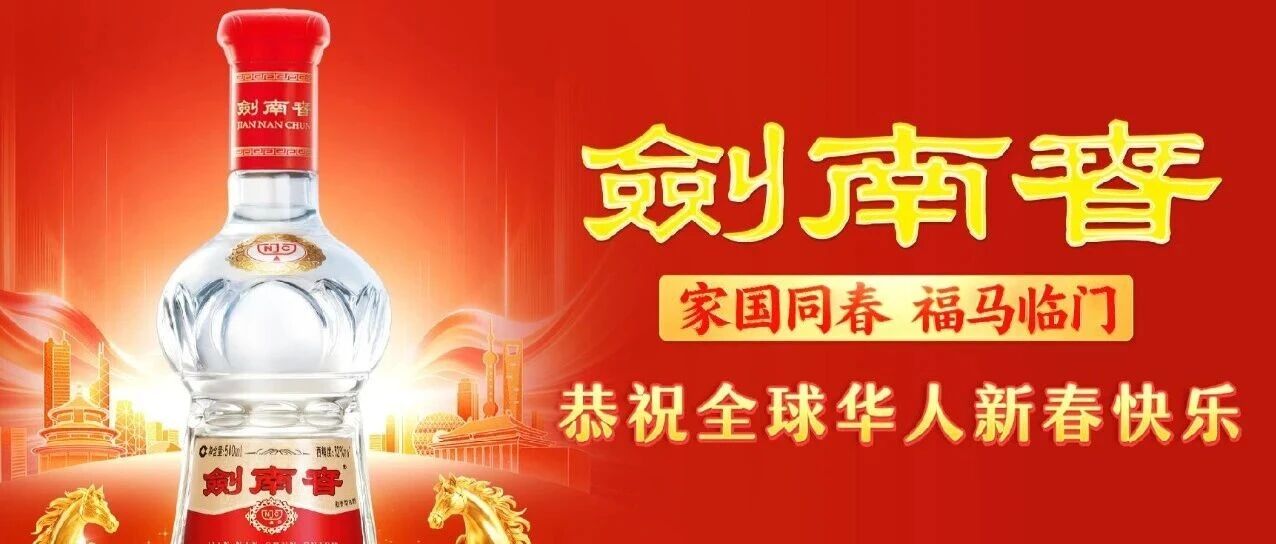
跨界破圈与口碑渗透:剑南春双轮驱动解锁马年春节增长密码
Jing Ji Guan Cha Wang· 2026-02-13 07:32
Core Insights - Jian Nan Chun is redefining the narrative of Chinese liquor brands during the Spring Festival by integrating traditional aesthetics with modern digital social elements, moving away from conventional promotional strategies to a more multifaceted marketing approach that includes cross-industry collaborations and word-of-mouth marketing [1] Group 1: Cross-Industry Collaboration - Jian Nan Chun's cross-industry strategy is extensive and precise, covering various fields such as national comics, variety shows, and sports, creating a comprehensive brand outreach network [2] - The collaboration with the national comic IP "Jian Lai" features a short film that combines themes of heroism and traditional liquor culture, effectively engaging a younger audience [2] - The brand's integration into the narrative of the short film allows for a natural connection with the audience, enhancing emotional resonance compared to traditional advertising methods [4] Group 2: Word-of-Mouth Marketing - Jian Nan Chun's word-of-mouth marketing strategy is designed to build a comprehensive system from content creation to data validation, focusing on deepening brand trust [7] - The brand engages in cultural transmission by creating unique events that blend traditional liquor culture with new year celebrations, enhancing consumer experience [8] - The shift from traditional shelf competition to experience and mental competition is evident in Jian Nan Chun's marketing approach, ensuring a unified brand image across various channels [8] Group 3: Market Impact - Jian Nan Chun's dual strategy of cross-industry collaboration and word-of-mouth marketing has led to significant market responses, with notable sales achievements during promotional events [10] - The brand's approach addresses three major trends in the liquor market: upgrading cultural symbols to value systems, expanding from single products to experiential ecosystems, and evolving from imitation to personalized expression [10] - The successful integration of cross-industry collaboration and word-of-mouth marketing creates a virtuous cycle that enhances brand growth and consumer trust [10][11]
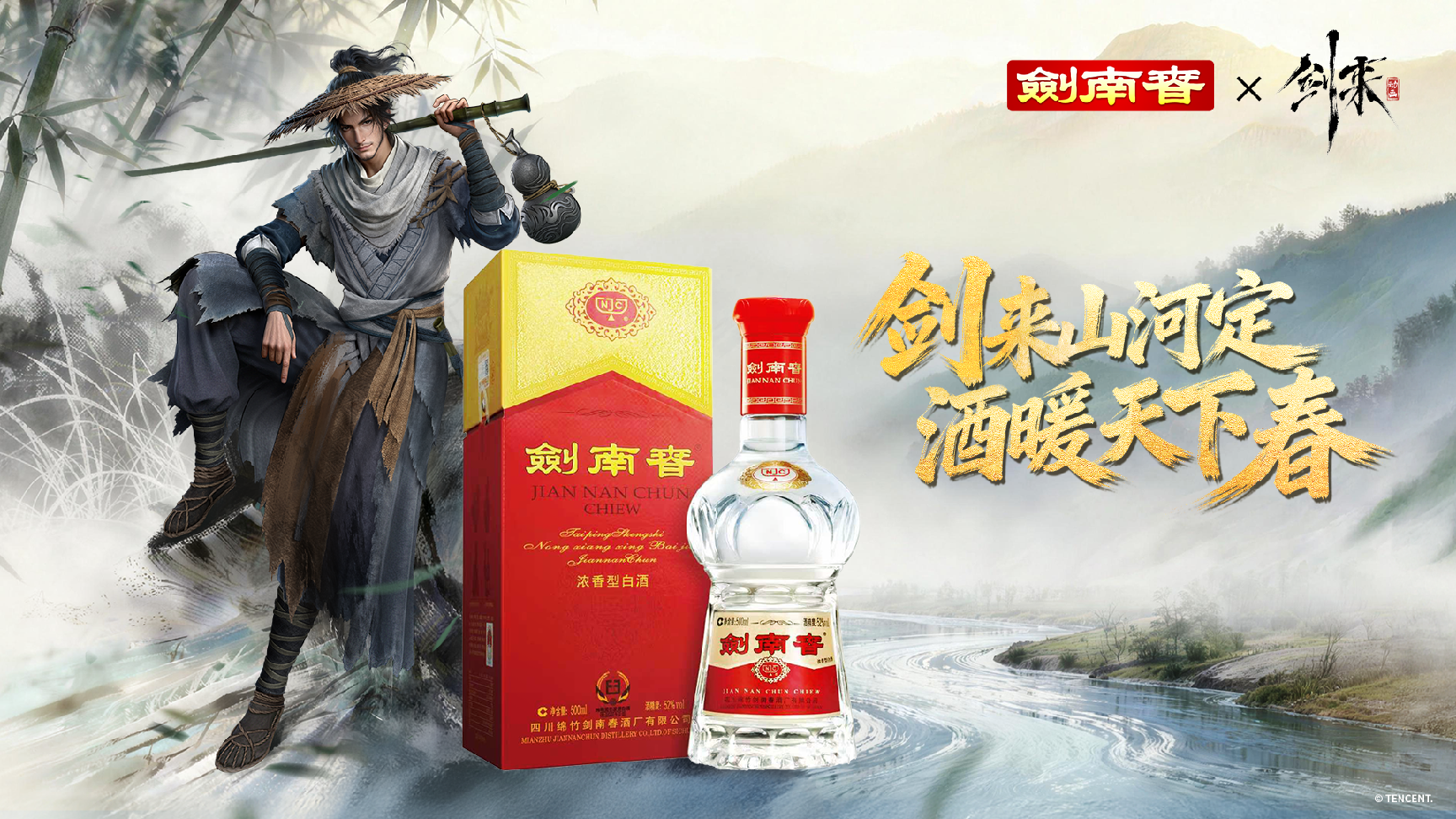
酒行业周度市场观察-20251205
Ai Rui Zi Xun· 2025-12-05 06:27
Investment Rating - The report indicates a long-term investment value in the high-end liquor industry, particularly for leading brands like Moutai and Wuliangye, despite short-term challenges [4]. Core Insights - The high-end liquor sector is facing short-term challenges but maintains a strong investment logic due to brand moat, high gross margins (85%+), and stable cash flow [4]. - The report highlights the need for liquor companies to balance online and offline strategies, especially in the context of the growing trend of instant retail [4][6]. - The domestic wine industry is experiencing a "bumper harvest but no profit" situation, primarily due to supply-demand imbalances and competition from imported wines [6]. Industry Trends - High-end liquor industry re-evaluation: The core logic remains unchanged despite short-term challenges, with leading companies still showing long-term investment potential [4]. - Instant retail's impact on the liquor industry: Instant retail is rapidly penetrating the market, but the response from manufacturers is mixed due to high costs and low order volumes [4][6]. - The "liquor+" strategy is emerging, integrating liquor with various cultural and lifestyle elements to enhance consumer engagement and brand value [6]. - The domestic wine industry faces significant challenges, including supply-demand imbalances and high production costs, necessitating a shift towards consumer value and brand differentiation [6]. Top Brand News - Young consumers are shifting their purchasing criteria from "value for money" to "emotional value," with brands like Qingdao White Beer successfully tapping into this trend [13]. - Xijiu is promoting a lifestyle approach through its "Xijiu+" strategy, integrating liquor with local culinary experiences to enhance consumer connection [13][26]. - Jian Nan Chun achieved significant sales during the Double Eleven shopping festival, showcasing the effectiveness of its cultural branding and e-commerce strategies [24].





2025年第47周:酒行业周度市场观察
艾瑞咨询· 2025-11-27 00:04
Group 1: High-end Baijiu Industry Reflection - The high-end baijiu industry faces short-term challenges, but the core investment logic remains unchanged, with leading companies like Moutai and Wuliangye maintaining long-term investment value due to brand moat, high gross margins (over 85%), and stable cash flow [3][4] - Current inventory pressure is significant, with Moutai's price dropping below 1800 yuan, yet cultural foundations and business models support resilience [3] - Valuations have returned to reasonable levels, with Wuliangye's P/E ratio at 14 times, and high dividends (Luzhou Laojiao's dividend yield exceeds 6%) provide a safety net [3][4] Group 2: Instant Retail and Alcohol - Instant retail is rapidly penetrating the alcohol industry, but manufacturers experience uneven effects, with platforms like Douyin tightening regulations on low-price sales [5] - The online alcohol sales are primarily dominated by beer, with baijiu being less represented, indicating a need for balance between online and offline channels [5] - Challenges include high costs for distributors and risks of counterfeit products, necessitating a differentiated development approach rather than blindly following trends [5] Group 3: Domestic Wine Industry Challenges - The domestic wine industry faces a "bumper harvest but no profit" dilemma due to supply-demand imbalances, homogenization, and competition from imported wines [7] - Low capacity utilization and lack of product differentiation exacerbate the crisis, with high costs and weak industry chains further complicating recovery [7] - Solutions involve focusing on unique terroir characteristics, creating differentiated IP, and embracing new consumption scenarios to drive sustainable development [7] Group 4: E-commerce and Alcohol Market Dynamics - E-commerce platforms are aggressively using subsidies and low-price pre-sales to disrupt offline pricing, leading to conflicts with traditional alcohol distributors [12] - The market is experiencing a "tear and reconstruction" phase, with some distributors forced to supply online, creating a dependency relationship [12] - Future collaboration is essential, with e-commerce expanding breadth and alcohol distributors deepening service to achieve industry chain upgrades centered on consumer needs [12] Group 5: Young Consumer Trends - Young consumers are shifting their purchasing criteria from "value for money" to "worth it," with emotional resonance becoming a key factor in their buying decisions [15][16] - Products like Qingdao White Beer have gained popularity by aligning with emotional and quality expectations, reflecting a broader trend in consumer behavior [15][16] Group 6: Innovations in Alcohol Products - New product launches, such as the "No Rush Sparkling Yellow Wine," signify a shift towards value creation in the yellow wine industry, targeting younger consumers with innovative blends [18] - The introduction of limited-edition products, like the "Bingwu Horse Year Zodiac Wine" by Jianan Chun, highlights the importance of cultural significance and scarcity in appealing to high-end markets [37] Group 7: Industry Resilience and Transformation - The baijiu industry is transitioning from high-speed growth to a focus on quality, with leading brands maintaining their positions while smaller firms face increased pressure [11] - Companies are encouraged to concentrate on product quality, brand building, and operational efficiency to achieve sustainable growth amid industry adjustments [11] - The emergence of new business models, such as "group buying," reflects innovative approaches to address challenges like high inventory and price control [21]

剑南春凭卓越品牌信誉和品质荣登天猫“双11”白酒榜首
Zhong Guo Zhi Liang Xin Wen Wang· 2025-11-18 05:14
Core Insights - The article highlights the transformation of the liquor industry from price-driven to value-driven sales, particularly during the "Double 11" shopping festival, emphasizing brand influence and consumer experience [1][4] - Jian Nan Chun achieved the highest transaction volume in the liquor industry on the Tmall platform during "Double 11," showcasing its strong brand power and market recognition [4][8] - The collaboration with the National Museum of China to create the "Bing Wu Ma Year Zodiac Wine" reflects Jian Nan Chun's strategy of cultural empowerment and innovation to drive growth [5][6] Industry Trends - The online liquor market is shifting towards value-driven growth, with brand strength and product quality becoming key drivers of sales [4][5] - The increasing rationality in consumer decision-making and the fragmentation of purchasing channels are influencing how brands like Jian Nan Chun adapt their strategies [4][5] Company Performance - Jian Nan Chun's consistent performance during "Double 11" highlights its stability and growth within the liquor industry, maintaining a leading position [8][9] - The brand's long-term strategy focuses on quality, cultural empowerment, and technological innovation, which has contributed to its strong market presence [9][10] - The introduction of innovative products like the "Bing Wu Ma Year Zodiac Wine" demonstrates Jian Nan Chun's ability to cater to diverse consumer needs and expand its market reach [6][7]