半导体主题基金

Search documents
高估值赛道产品审批收紧,考验公募产品布局能力
Zhong Guo Ji Jin Bao· 2026-01-26 03:18
Core Insights - The tightening of approval for high-valuation equity funds aims to reduce homogeneous competition and the risks of overcrowding in single sectors, thereby protecting investor interests [1][4] Group 1: Regulatory Changes - In the past year, 31 AI-themed funds have been pending approval, with 15 of them having submitted materials for over three months [2] - Since 2025, regulators have gradually tightened the approval process for new equity funds with high valuations, adjusting the performance benchmark requirement from the 90th percentile to the 80th percentile [2] - Recent approvals have favored industry theme funds focused on sectors with relatively low valuations, such as new energy and engineering machinery [2] Group 2: Market Dynamics - The valuation risks in popular sectors like AI, chips, and robotics are accumulating, with the CSI Artificial Intelligence Index's price-to-earnings ratio at 70.86 times, and the National Semiconductor Index reaching a historical high of 151 times [2] - The regulatory approach aims to suppress irrational investment trends and create a market environment conducive to long-term investment [2][3] Group 3: Implications for Fund Companies - The regulatory measures are expected to lead to three main benefits: guiding funds towards long-term value investment, optimizing resource allocation, and enhancing investor suitability management [4] - Fund companies are encouraged to shift their product strategies from market trend-driven to deep research and long-term trend-oriented approaches [5] - Companies should prioritize launching products in sectors that are reasonably valued and aligned with national strategic directions, such as healthcare and consumer sectors [5]
高估值赛道,突发!
中国基金报· 2026-01-26 03:05
Core Viewpoint - The tightening of approval for high-valuation equity funds is a regulatory measure aimed at reducing homogeneous competition and the risks of overcrowding in single sectors, ultimately protecting investor interests [2]. Group 1: Approval Tightening for High-Valuation Products - In the past year, 31 AI-themed funds have been submitted for approval but remain pending, with 15 of them having been under review for over three months [4]. - Since 2025, regulators have gradually tightened the approval of new equity funds with high valuations, adjusting the performance benchmark requirement from the 90th percentile to the 80th percentile [4]. - Recent approvals have favored industry theme funds focused on sectors like new energy and engineering machinery, which have relatively lower valuations [4]. Group 2: Regulatory Intent and Market Impact - The accumulation of valuation risks in popular sectors like AI and semiconductors is evident, with the CSI Artificial Intelligence Index PE ratio at 70.86, in the 99.22 percentile, and the National Semiconductor Index PE ratio reaching a historical high of 151 [4]. - The regulatory approach aims to suppress irrational investment trends and create a market environment conducive to long-term investment [4][5]. - The adjustment in approval pace is seen as a way to prevent local bubbles and market volatility caused by concentrated fund inflows during high sentiment periods [5]. Group 3: Recommendations for Fund Companies - Fund companies are encouraged to enhance their product layout capabilities in response to the new regulatory environment, focusing on long-term value investment rather than short-term speculation [8]. - The regulatory measures are expected to lead to three main benefits: guiding funds towards long-term investments, optimizing resource allocation, and reinforcing investor suitability management [8]. - Fund companies should prioritize sectors with reasonable valuations and align with national strategic directions, such as healthcare and consumer sectors, when applying for new products [9].


站在4100点“路口”
Xin Lang Cai Jing· 2026-01-21 07:43
Market Overview - The A-share market is experiencing an upward trend, with the Shanghai Composite Index surpassing 4000 points and reaching 4100 points, while daily trading volume exceeds 3 trillion yuan [1][8] - The market is undergoing a "stress test" as the Shanghai and Shenzhen Stock Exchanges announced an adjustment to the financing margin ratio to 100%, indicating an intention to cool down the market [1][12] Investment Trends - Investors are actively seeking opportunities in sectors like commercial aerospace, with significant gains reported; for instance, the Wind Commercial Aerospace Index saw a daily increase of over 10% [1][9] - The commercial aerospace theme has attracted attention due to supportive government policies, including plans to launch 200,000 satellites, which has heightened investor interest [1][9] Investor Sentiment - Some investors, like Tao Ye, are optimistic about the market and are recommending funds to friends, believing in a significant market rally [2][9] - Conversely, other investors, such as Zhou Yun, express anxiety over missed opportunities in previous market rallies, particularly in AI technology, and are cautious about their current investments [2][10] Market Dynamics - The market is characterized by frequent rotations among sectors, including commercial aerospace, AI applications, and power, making it challenging for investors to identify strong stocks [4][12] - The recent policy change to increase the minimum financing margin ratio is interpreted as a measure to prevent irrational speculation and manage the active leverage in the market [12] Personal Investment Strategies - Investors are adopting varied strategies; some, like Tao Ye, view investing as a game and are willing to take risks, while others, like Zhou Yun, are more conservative and focused on stability [5][11] - The emotional impact of market fluctuations is evident, with some investors feeling the pressure of managing family assets and the fear of disappointing loved ones [11][13] Future Outlook - Despite recent market corrections, investors maintain a long-term confidence in the market trends, drawing parallels between current conditions and previous successful rallies [5][13] - The market's volatility is acknowledged, with investors preparing to adapt their strategies in response to ongoing changes [15][16]
定投基金3年还是亏?你可能犯了这2个致命错误!现在该还来得及
Sou Hu Cai Jing· 2025-09-30 00:56
Core Insights - The article highlights the significant disparity in investment outcomes among investors who employed a systematic investment strategy in index funds, with over 60% of investors in the CSI 300 index experiencing losses, averaging an 8.7% decline, while a different group achieved a 12% annualized return [1][3]. Group 1: Investment Strategy Errors - Investors commonly made two critical mistakes: selecting the wrong assets and mismanaging investment timing [1][3]. - Many investors fell into the "chasing hot spots" trap, investing in high-volatility sectors like renewable energy and semiconductors, which led to substantial losses [3][4]. - For instance, a renewable energy index fund saw its net value drop from 2.5 yuan in September 2022 to 1.8 yuan in August 2025, resulting in an 11% loss for consistent investors [3][4]. Group 2: Comparison of Investment Outcomes - Broad-based index funds, such as the CSI 300, emerged as the "winners" in systematic investment strategies, yielding a 5.2% annualized return despite market downturns [4][10]. - In contrast, thematic funds averaged a -3.8% return during the same period, underscoring the importance of asset selection [4][10]. Group 3: Valuation Considerations - A common error among investors was neglecting valuation, leading to blind investments without considering price rationality [6][7]. - The CSI 300 index experienced significant valuation fluctuations, with its price-to-earnings ratio ranging from 12 to 15 during the investment period, affecting returns based on timing of investments [6][7]. - An investor who adjusted their investment based on valuation metrics achieved a 14% profit, while another who did not lost 5% [6][10]. Group 4: Recommendations for Improvement - To enhance investment outcomes, investors should prioritize selecting "evergreen" assets and avoid sectors with high cyclicality or rapid technological changes [4][12]. - Implementing a dynamic investment strategy based on valuation metrics can significantly reduce average costs and improve returns [7][10]. - Investors are advised to regularly assess their investment choices and adjust their strategies according to market conditions and asset valuations [12].
光刻机概念领涨,多只半导体主题基金单日涨超5%
Mei Ri Jing Ji Xin Wen· 2025-09-17 13:41
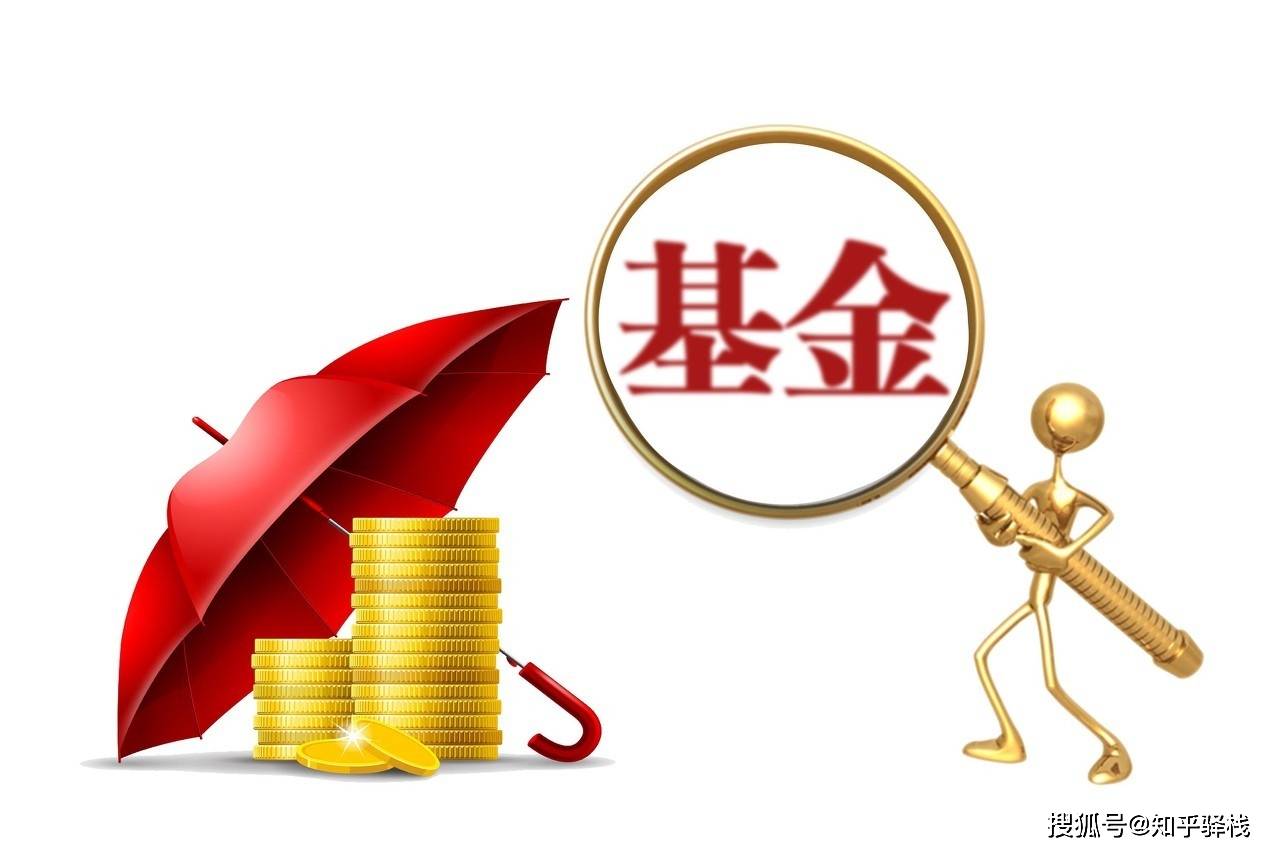
Market Performance - On September 17, the market showed a strong rebound with major indices recovering from earlier lows, leading to over 2,500 stocks rising across the market [1] - The trading volume in the Shanghai and Shenzhen markets reached 2.38 trillion yuan, an increase of 35.3 billion yuan compared to the previous trading day [1] Fund Performance Top Performing Funds - The top performing fund for the day was Jin Xin Selected Growth A, with a daily net value growth rate of 7.71% and a year-to-date return of 46.49% [2] - Other notable funds included Jin Xin Stable Strategy A with a 7.47% daily increase and a year-to-date return of 42.4%, and Jin Xin Industry Preferred A with a 7.45% daily increase and a year-to-date return of 44.69% [2] Underperforming Funds - The worst performing fund was Qianhai Kaiyuan Gold and Silver Jewelry A, which saw a daily net value decrease of 2.5% but still had a year-to-date return of 65.42% [3] - Other underperformers included Huafu Yongxin A with a -2.41% daily return and a year-to-date return of 67.93%, and Yin Hua Tong Li Selected with a -2.15% daily return and a year-to-date return of 49.47% [3] Bond Fund Performance - The top performing bond fund was Bosera Pu Hui One-Year Holding A, with a daily net value growth rate of 2.18% and a year-to-date return of 25.8% [4] - Other notable bond funds included Golden Eagle Yuan Feng A with a 2.17% daily increase and a year-to-date return of 31.11%, and ICBC Balanced Return 6-Month Holding A with a 1.9% daily increase and a year-to-date return of 10.37% [4] Company News - Tianpu Co., Ltd. announced that its stock trading suspension for verification has been completed, and it will resume trading on September 18, 2025 [5] - The company had previously experienced a continuous rise in stock price for 11 trading days, leading to a halt for verification of trading anomalies [5]