软件信息

Search documents
中国首个“万亿区”诞生!6000家高企,每平方公里54亿:解构中国最“恐怖”的经济密度……
Xin Lang Cai Jing· 2026-02-10 12:41
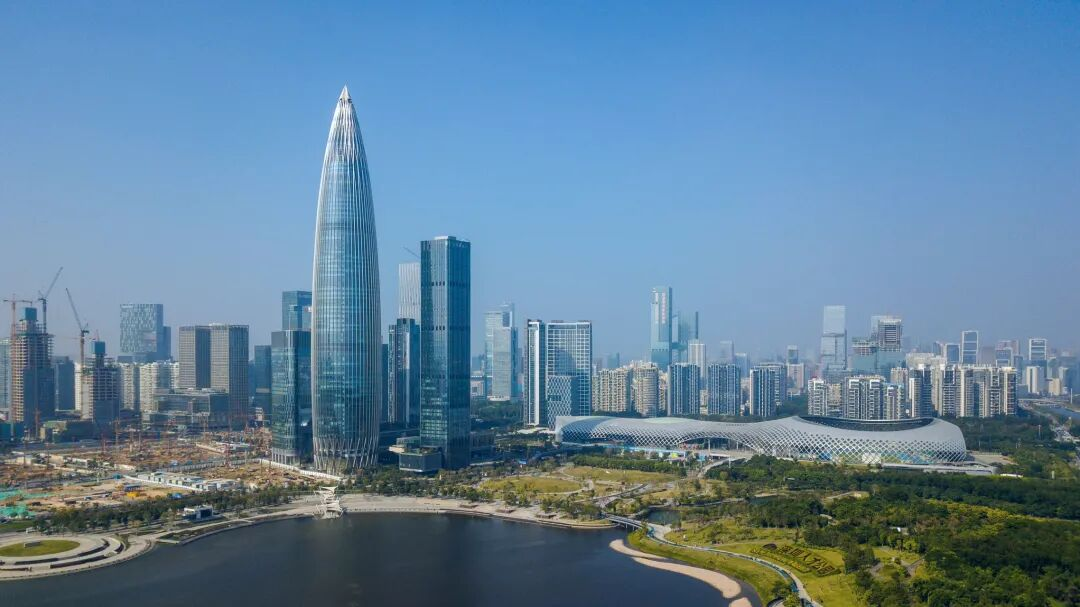
Core Insights - Shenzhen's Nanshan District has become the first county-level administrative region in China to surpass a GDP of 1 trillion yuan by 2025, surpassing approximately 90% of China's prefecture-level cities and even exceeding the annual economic output of small European countries like Iceland and Estonia [2][38] - Nanshan's economic success is attributed to a combination of market mechanisms, technological innovation, and urban governance, rather than natural resource endowments or administrative status [4][39] Economic Performance - Nanshan generates over 25% of Shenzhen's economic output on less than 10% of its land, with a GDP density of 54 billion yuan per square kilometer, three times the average in Shenzhen and over three times that of Shanghai's Pudong New Area [2][38] - The district hosts 218 listed companies and contributes approximately 0.7% to the national GDP, showcasing a high concentration of economic activity [2][38] Industrial Ecosystem - Nanshan is characterized as a "tropical rainforest" of industry, with over 600,000 market entities, including 6,037 national high-tech enterprises, creating a unique ecosystem of vertical integration and rapid innovation [7][41] - The district's "robot valley" exemplifies its industrial efficiency, where product development cycles are significantly shorter than in Silicon Valley, allowing for rapid prototyping and testing [9][43] R&D Investment - Nanshan's R&D investment intensity reaches 7.87%, far exceeding the national average of approximately 2.5% and surpassing Israel's 5.6%, leading to a high number of patents per capita [14][48] - The integration of secondary and tertiary industries has resulted in nearly 80% of the economy being driven by high-tech services rather than traditional sectors, with strategic emerging industries accounting for nearly 60% of GDP [14][48] Government Role - The local government plays a crucial role in fostering innovation through supportive policies, including substantial industry guidance funds and a high tolerance for failure, which helps startups navigate funding challenges [16][50] - Nanshan's strict intellectual property protection has made it a hub for international patent applications, accounting for 1/14 of the national total [18][52] Urban Integration - The district promotes seamless collaboration between academia and industry, with universities located close to enterprises, facilitating talent mobility and innovation [20][54] - Nanshan's urban planning integrates work and leisure, creating an attractive environment for top talent, which enhances cross-industry innovation [22][56] Comparative Analysis - Compared to Beijing's Haidian District, which excels in original innovation, Nanshan's strength lies in the industrialization of technology, with over 90% of R&D activities occurring within enterprises [24][58] - In contrast to Shanghai's Pudong, which benefits from significant state resources, Nanshan's growth is driven by grassroots entrepreneurship and a market-oriented approach [28][62] Challenges Ahead - Nanshan faces risks of hollowing out due to rising costs, as high rents and labor expenses may drive manufacturing away, necessitating innovative solutions to maintain its industrial base [30][65] - The district's administrative status as a district limits its governance capabilities, posing challenges in fiscal management and regional coordination [32][67] - The high cost of living may hinder the retention of young talent, raising concerns about the sustainability of its innovative ecosystem [34][69] Conclusion - Nanshan's achievement as the first trillion-yuan district signifies a shift towards innovation-driven growth without reliance on natural resources, providing a model for other regions in China [36][70] - The district's future will depend on balancing high-quality growth with quality of life, as it navigates the complexities of urbanization and economic development [36][70]

滨城区2025年经济稳中有进,多领域实现突破
Qi Lu Wan Bao· 2026-02-05 13:13
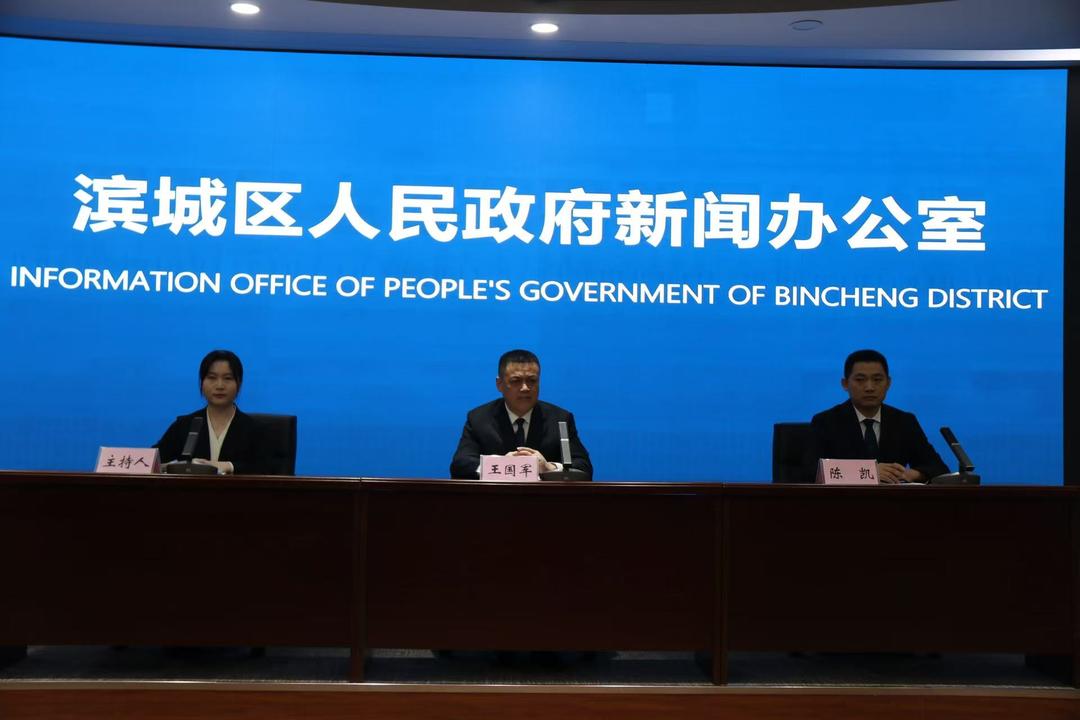
Core Insights - The news highlights the achievements and future plans of the Bincheng District in promoting high-quality development through a coordinated approach involving economic operation, project construction, industrial cultivation, energy transition, and business environment optimization [1][3][4][5][6] Economic Performance - In the first three quarters of 2025, the district's GDP reached 47.265 billion yuan, marking a year-on-year growth of 5.5%, maintaining the second position in the city [3] - Fixed asset investment for the year increased by 4.4%, while revenue from the service industry grew by 7.03%, indicating a solid foundation for the end of the 14th Five-Year Plan [3] - The three major industrial sectors are structured at 2.9:29.8:67.3, with the service sector continuing to dominate [3] Project Construction - A total of 176 fixed asset investment projects were reserved, with 77 key projects achieving a 100% start rate, statistical rate, and investment plan completion rate [3] - The investment plan completion rate reached 128.12%, exceeding the scheduled progress by 28.12 percentage points, contributing to a total fixed asset investment of 21.053 billion yuan [3] - The district successfully secured 2.578 billion yuan in policy funds, a year-on-year increase of 35.85% [3] Industrial Development - The district is focusing on key industries such as modern logistics, software information, and technology services, implementing tailored upgrade plans for each sector [3] - The successful application of Zhongyu Food for advanced manufacturing and modern service integration has led to a reward of 6.22 million yuan for high-quality service development [3] Energy Transition - The district has completed a cumulative photovoltaic grid connection capacity of 262,000 kilowatts with an investment of 1.15 billion yuan [4] - A total of 388 new public charging piles were built, achieving full coverage of public charging stations in townships [4] - The district has initiated the orderly upgrade of coal-fired power units, closing down three coal-fired units, resulting in significant energy-saving and carbon reduction effects [4] Business Environment - The district has implemented the "Achieving Entrepreneurs' Dreams" initiative, collecting 498 entrepreneur dreams with a completion and resolution rate of 100% [4] - Efforts to clear overdue payments to private enterprises have shown preliminary success, with 76 complaint cases resolved [4] - The district is enhancing its social credit system and optimizing credit repair services [6] Future Plans - For 2026, the district will focus on elevating platform capabilities and addressing industrial development space constraints, aiming for compliance park recognition [5] - The district plans to ensure the completion of 76 key projects and aims to secure over 40 billion yuan in new industrial output [5] - The implementation of the "Yellow River Basin Ecological Protection and High-Quality Development Plan" will be prioritized, promoting green and low-carbon transitions [5]

锚定目标勇争先 凝心聚力向未来
Xin Lang Cai Jing· 2026-02-04 23:41
Group 1 - The core viewpoint highlights the impressive economic and social development achievements of Qingxiu District, with a projected GDP of 159.7 billion yuan in 2025, representing a year-on-year growth of 5.6%, which is the first time in five years that the growth rate exceeds the national, regional, and city averages [1] - The economic total of the district accounts for 25.7% of the city's total, maintaining its position in the top 100 comprehensive strength districts in the country for 11 consecutive years [1] - During the 14th Five-Year Plan period, the industrial sector's contribution to GDP increased significantly from less than 1% to 6.1%, with the new energy battery industry achieving an annual output value close to 25 billion yuan and a capacity scale of 177 GWh [1] Group 2 - The modern service industry continues to play a leading role, with rapid development in productive services such as software information and business services, while traditional sectors like wholesale and retail remain dominant in the city [1] - The district has seen a cumulative investment of 19.18 billion yuan in people's livelihoods over five years, marking a 22% increase compared to the 13th Five-Year Plan period [1] - In 2026, the district plans to implement the 15th Five-Year Plan by focusing on industrial revitalization, service sector upgrades, and the development of modern agriculture, while promoting consumption and effective investment [2]
北京市市长殷勇作政府工作报告:2025年北京市数字经济增加值增长8.7%
Xin Lang Cai Jing· 2026-01-25 02:50
Core Insights - Beijing aims to become a global benchmark city for the digital economy, targeting an 8.7% growth in digital economy value added by 2025 [1] Group 1: Digital Economy Development - Significant progress in the construction of key ecosystems for artificial intelligence, with major application pilot bases established in healthcare, manufacturing, and science [1] - The number of registered large models in Beijing remains the highest in the country, indicating strong leadership in AI development [1] - The establishment of Beijing Data Group and the operation of the Smart Beijing Innovation Center are pivotal for advancing the digital economy [1] Group 2: Future Industry and Technological Advancements - Beijing hosted the world's first humanoid robot marathon and the World Humanoid Robot Games, showcasing its commitment to innovation in robotics [1] - The city has successfully built a small-scale experimental network for 6G technology, positioning itself at the forefront of telecommunications [1] - The successful launch of the reusable Zhuque-3 rocket marks a significant achievement in aerospace technology [1] - Multiple leading results in brain-computer interface technology were prominently displayed, highlighting advancements in neuroscience [1] Group 3: Modern Service Industry Growth - The modern service sector, including software information, technology services, and business services, contributed over 50% to economic growth [1] - The efficiency of financial services in supporting the real economy continues to improve, reflecting a robust financial ecosystem [1] - The Beijing Stock Exchange has 288 listed companies with a total market capitalization exceeding 860 billion yuan [1]
市长殷勇作政府工作报告:2025年北京市数字经济增加值增长8.7%
Xin Lang Cai Jing· 2026-01-25 01:47
Core Insights - Beijing aims to accelerate the construction of a global benchmark city for the digital economy, with significant progress in artificial intelligence ecosystem development [1] - The digital economy's added value grew by 8.7%, highlighting the city's focus on modern service industries [1] Digital Economy Development - Major advancements in AI applications, with the number of registered large models in Beijing ranking first in the country [1] - Establishment of the Beijing Data Group and the launch of the Smart Beijing Innovation Center [1] Future Industry Initiatives - Beijing hosted the world's first humanoid robot marathon and the World Humanoid Robot Games, showcasing its leadership in robotics [1] - The city has successfully built a small-scale experimental network for 6G technology [1] - The Zhuque-3 reusable rocket made its inaugural flight, marking a milestone in aerospace innovation [1] - Several leading achievements in brain-computer interface technology were presented [1] Contribution of Modern Service Industries - The software information, technology services, and business services sectors contributed over 50% to economic growth [1] - The efficiency of financial services supporting the real economy continues to improve [1] - The Beijing Stock Exchange has 288 listed companies with a total market capitalization exceeding 860 billion yuan [1]
2025年北京市数字经济增加值增长8.7%
Xin Lang Cai Jing· 2026-01-25 01:47
Core Insights - Beijing aims to accelerate the construction of a global benchmark city for the digital economy, with significant progress in the key ecosystem for artificial intelligence [1] - The digital economy's added value has increased by 8.7% [1] Digital Economy Development - Major application pilot bases in healthcare, manufacturing, and science have been established in Beijing [1] - The number of registered large models remains the highest in the country [1] - The Beijing Data Group has been formed, and the Smart Beijing Innovation Center is now operational [1] Future Industry Initiatives - Beijing hosted the world's first humanoid robot marathon and the World Humanoid Robot Games, attracting global attention [1] - A small-scale experimental network for 6G has been established [1] - The Zhuque-3 reusable rocket successfully completed its first flight [1] - Several leading achievements in brain-computer interface technology were showcased [1] Modern Service Industry Growth - The software information, technology services, and business services sectors contributed over 50% to economic growth [1] - The efficiency of financial services to the real economy continues to improve [1] - The number of listed companies on the Beijing Stock Exchange has reached 288, with a total market capitalization exceeding 860 billion yuan [1]
速读2026年北京市政府工作报告| 2025年北京市数字经济增加值增长8.7%
Bei Jing Shang Bao· 2026-01-25 01:33
Group 1 - Beijing aims to accelerate the construction of a global benchmark city for the digital economy, with significant progress in the key ecosystem of artificial intelligence [1] - The number of large models registered and launched in Beijing ranks first in the country, and the Beijing Data Group has been established [1] - The added value of the digital economy has grown by 8.7% [1] Group 2 - The city is promoting the development of future industries, highlighted by the world's first humanoid robot marathon and the World Humanoid Robot Games [1] - A small-scale experimental network for 6G has been established, and the Zhuque-3 reusable rocket has successfully completed its first flight [1] - Several leading achievements in brain-computer interfaces have been showcased [1] Group 3 - The modern service industry is being vigorously developed, with software information, technology services, and business services contributing over 50% to economic growth [1] - The efficiency of financial services to the real economy continues to improve, with 288 companies listed on the Beijing Stock Exchange and a total market value exceeding 860 billion yuan [1]
上海去年增速超预期:工业投资为何激增20%?高出口能否延续?
2 1 Shi Ji Jing Ji Bao Dao· 2026-01-21 14:44
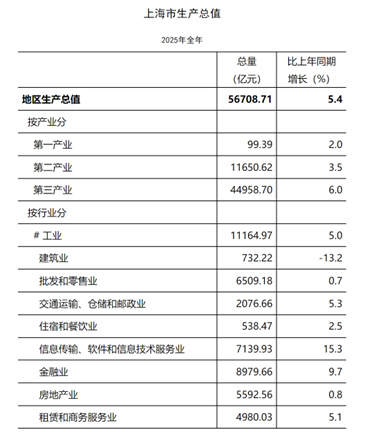
Economic Overview - In 2025, Shanghai's GDP reached 5.67 trillion yuan, growing by 5.4% year-on-year, surpassing the initial target of 5% and the national average growth rate of 5.0% [1][2] - The primary industry added value was 99.39 billion yuan (2.0% growth), the secondary industry was 11,650.62 billion yuan (3.5% growth), and the tertiary industry was 44,958.70 billion yuan (6.0% growth) [1][3] Income and Employment - The per capita disposable income in Shanghai was 91,987 yuan, a 4.1% increase from the previous year, which is lower than the GDP growth rate [1] - The average urban unemployment rate was 4.2%, better than the national average of 5.2% [1] Key Economic Drivers - Shanghai's economic growth is primarily supported by advanced manufacturing, new foreign trade products, and modern service industries [1][2] - The three leading manufacturing sectors (integrated circuits, biomedicine, and artificial intelligence) saw a 9.6% increase in output, while the new energy sector grew by 12.9% [6] Investment Trends - Fixed asset investment in Shanghai grew by 4.6%, which is below the GDP growth rate [7] - Industrial investment surged by 20.0%, the highest in over a decade, while real estate investment declined by 3.1% [10] - Urban infrastructure investment increased by 11.2%, indicating a structural optimization in investment [10] Consumption Patterns - The total retail sales of consumer goods reached 1.66 trillion yuan, growing by 4.6% year-on-year, reversing a decline from the previous year [11] - The increase in inbound tourism, with 9.36 million visitors, contributed significantly to the consumption market [12] Trade Performance - Shanghai's total import and export volume reached 4.51 trillion yuan, a 5.6% increase, with exports growing by 10.8% [13] - The export of "new three samples" products increased by 17.4%, with electric vehicle exports rising by 13.8% [6][13] Future Outlook - For 2026, Shanghai aims for a GDP growth target of around 5%, considering external uncertainties and internal structural adjustments [16] - Key factors influencing future economic performance include exports, investments, and consumption [17] - The "14th Five-Year Plan" emphasizes synchronized growth of resident income and economic growth, along with improving labor remuneration and productivity [20]
金融活水润泽鹭岛产业 两岸协作深化资本融合
Zheng Quan Shi Bao· 2026-01-19 18:08
Group 1 - The core viewpoint is that during the "14th Five-Year Plan" period, Xiamen's capital market has achieved significant development, characterized by scale expansion, innovation empowerment, and cross-strait integration, laying a solid foundation for the "15th Five-Year Plan" [1] Group 2 - By the end of 2025, the number of listed companies in Xiamen is expected to reach 70, accounting for nearly 40% of the province, with a total market value exceeding 903 billion yuan, representing a 43% increase from the end of 2020 [1] - The trading volume in securities and futures is projected to reach 15.05 trillion yuan and 16.17 trillion yuan respectively by 2025, indicating a significant increase in market activity [1] - The private equity fund scale has reached 214.4 billion yuan, and the scale of corporate bonds and asset securitization products has reached 220 billion yuan, showcasing a more complete multi-level capital service system [1] Group 3 - A total of 403.2 billion yuan has been raised during the "14th Five-Year Plan" period, primarily directed towards emerging industries such as software information and biomedicine [2] - The number of companies in the listing reserve has expanded to 597, and the first CVC mother fund in the country has been established, demonstrating significant progress in innovative bond issuance [2] - Research and development (R&D) spending by listed companies is expected to reach 11.25 billion yuan in 2024, with an average R&D intensity of 5.02% among 52 manufacturing and IT service companies [2] Group 4 - The construction of the first cross-strait capital market service base has shown remarkable results, with 7 Taiwan-funded listed companies in the region, accounting for 10.61% of the total number of Taiwan enterprises listed domestically [2] - The total amount of dividends during the "14th Five-Year Plan" period has increased 27 times, reflecting the strong performance of Taiwan-funded enterprises [2] - The Xiamen cross-strait equity trading center has showcased 1,124 enterprises on its "Taiwan-funded board," and the scale of Taiwan-funded private equity funds has reached 6.778 billion yuan [2] Group 5 - A comprehensive risk prevention system has been established, with 499 on-site inspections conducted and 28 administrative penalties issued during the "14th Five-Year Plan" period, amounting to 293 million yuan in fines [3] - Investor protection has been notably effective, with 1,308 investors receiving compensation of 224 million yuan through representative lawsuits [3] - Risks in key areas have been effectively mitigated, with issues such as fund occupation and illegal guarantees by listed companies being resolved, ensuring overall stability in the capital market [3]
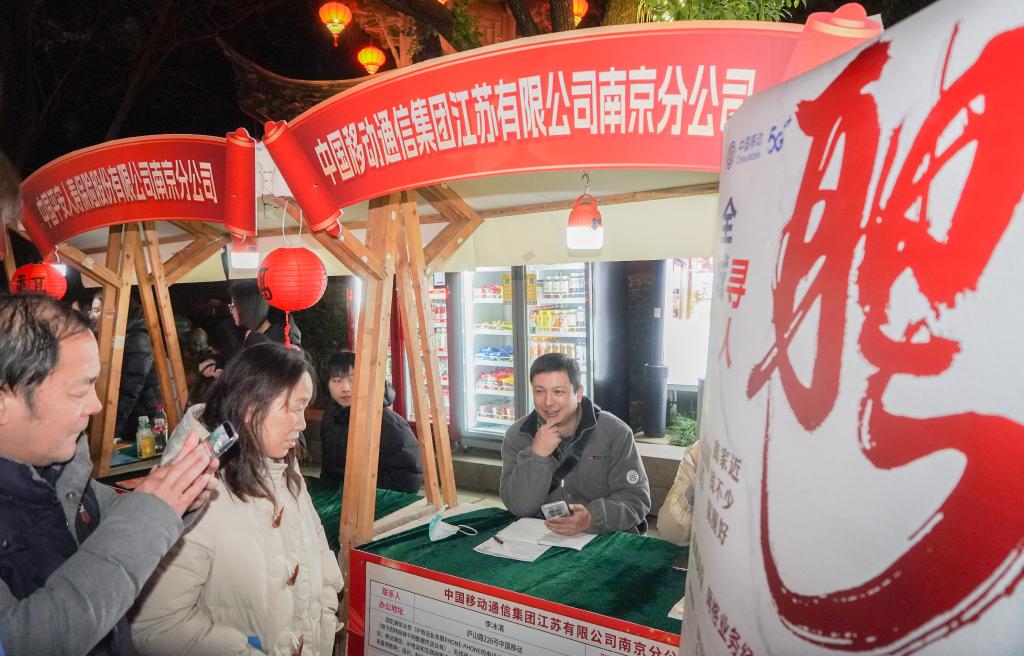
特写:逛着夜市找工作
Xin Hua Wang· 2026-01-10 09:34
Core Viewpoint - The "Talent Night Market" in Nanjing successfully combines job recruitment with nighttime leisure activities, attracting a significant number of job seekers and facilitating employment opportunities in a relaxed environment [1][3][7]. Group 1: Event Overview - The first "Talent Night Market" of 2026 was held on January 9, organized by Jiangsu Province and Nanjing City human resources departments, featuring over 50 employers offering 2,300 job positions across various sectors [1][3]. - The event attracted nearly 3,000 attendees, with over 170 individuals reaching preliminary employment agreements on-site [7]. Group 2: Job Opportunities - The job offerings included technical positions such as large model engineers and AI algorithm engineers, aimed at recent graduates and experienced professionals, as well as stable positions like system operators and quality inspectors to ensure continuous production during the Spring Festival [5][7]. - The presence of emerging roles such as digital verification engineers and short video live streamers indicates a growing diversity in talent demand from employers [5]. Group 3: Recruitment Effectiveness - Employers reported positive outcomes, with one jewelry company receiving over 10 resumes in just half an hour, highlighting the effectiveness of the night market format for recruitment [3]. - The integration of job services with nighttime activities is seen as a way to enhance the job-seeking experience, particularly for young people and working professionals [7].