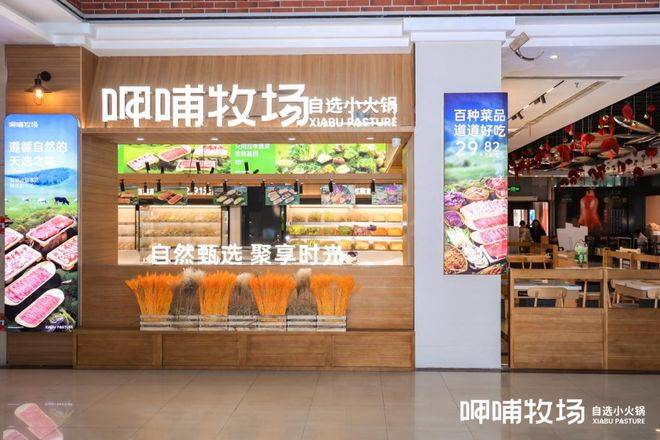
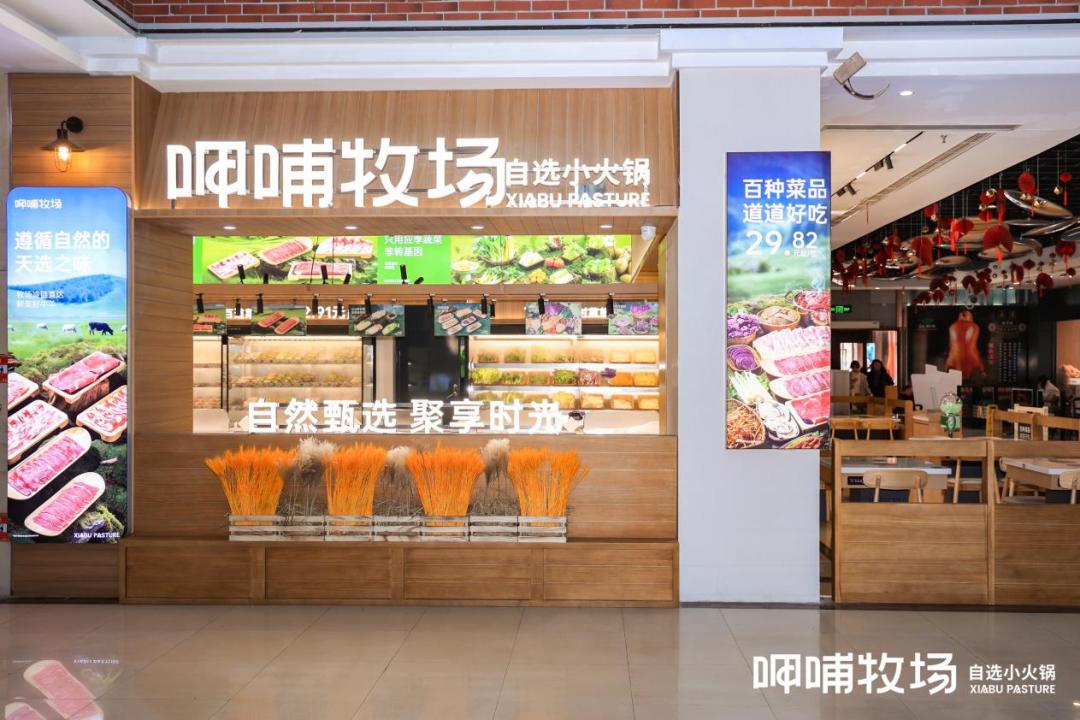
呷哺牧场

Search documents
呷哺呷哺跨界布局牛排赛道 “呷牛排”计划三年布局超百家门店
Zheng Quan Shi Bao Wang· 2026-01-21 10:32
Core Viewpoint - The company, Xiabuxiabu Group, is expanding into the steak market with a new sub-brand "Xiaoniupai," aiming to offer high-quality steak at affordable prices, addressing a gap in the market for mid-range steak options [1][2]. Group 1: Company Strategy - The first store of "Xiaoniupai" will open on February 6 in Beijing, with plans to optimize operations and build a strong supply chain [1]. - The company aims to reach a target of 100 stores within three years, adjusting goals based on individual store profitability [1]. - The founder, He Guangqi, emphasizes the importance of leveraging nearly 30 years of global procurement and supply chain management experience to create a national brand for affordable high-quality steak [1][2]. Group 2: Market Context - The Chinese steak market is projected to reach approximately 400 billion yuan by 2025, with a total market size expected to hit 1.2 trillion yuan [2]. - Current market challenges include high average prices for mid-to-high-end steaks, often exceeding 300 yuan, making them inaccessible for everyday consumers [2]. - The company identifies a gap where traditional low-cost steak options lack quality, and high-cost options struggle to scale [2]. Group 3: Product Offering - "Xiaoniupai" will offer steak sourced from premium global farms in Australia, New Zealand, the USA, Argentina, Uruguay, and Brazil, along with a diverse menu of 158 dishes across various cuisines [3]. - The brand will also feature a 39.9 yuan afternoon tea option, enhancing the dining experience with multiple consumption scenarios [3]. Group 4: Additional Developments - The launch of "Xiaoniupai" follows the introduction of another new brand, "Xiabuxiabu Ranch," which focuses on a light luxury self-service hot pot experience, set to open its first location in Shanghai by December 31, 2025 [4]. - The company is actively pursuing a multi-brand strategy to cater to different market segments and consumer preferences [4].
一个月10多个副牌齐开,餐饮巨头们在急什么?
3 6 Ke· 2026-01-07 02:44
Core Insights - The restaurant industry is witnessing a resurgence of "sub-brands" as major players like Haidilao, Yum China, and others launch new concepts to capture market share and cater to specific consumer needs [1][2] Group 1: Sub-brand Launches - Major restaurant brands are intensifying their focus on sub-brands, with Haidilao introducing a lively hot pot concept, Yum China launching two new independent sub-brands, and others like Jiumaojiu and Maliuji also expanding their offerings [1] - The recent trend shows a shift from blindly expanding product categories to targeting specific customer segments and dining scenarios [1][2] Group 2: Strategic Focus and Upgrades - Brands are prioritizing quality and price-performance ratio, as seen with Xiabuxiabu's new self-service hot pot, which offers competitive pricing while aiming to differentiate from its main brand [3] - Jiumaojiu is narrowing its sub-brand strategy, focusing on upgrading its flagship brand Tai Er, which is evolving into a more diverse dining experience [3] Group 3: Cost Structure and Operational Efficiency - Major brands are adopting a "light asset" model for sub-brands, reducing operational costs and risks by leveraging existing resources [13][14] - KCOFFEE exemplifies this model by utilizing KFC's infrastructure for rapid expansion, while Pizza Hut's new sub-brand also follows a similar cost-saving strategy [14][16] Group 4: Market Penetration Strategies - The industry is increasingly targeting lower-tier cities and international markets, with brands like Haidilao and Jiumaojiu making strategic moves to penetrate these areas [23][25] - Haidilao's acquisition of "Jugaogao" aims to meet the demand for affordable dining in lower-tier cities, while Jiumaojiu's acquisition of BigWayHotPot facilitates its entry into the North American market [25]



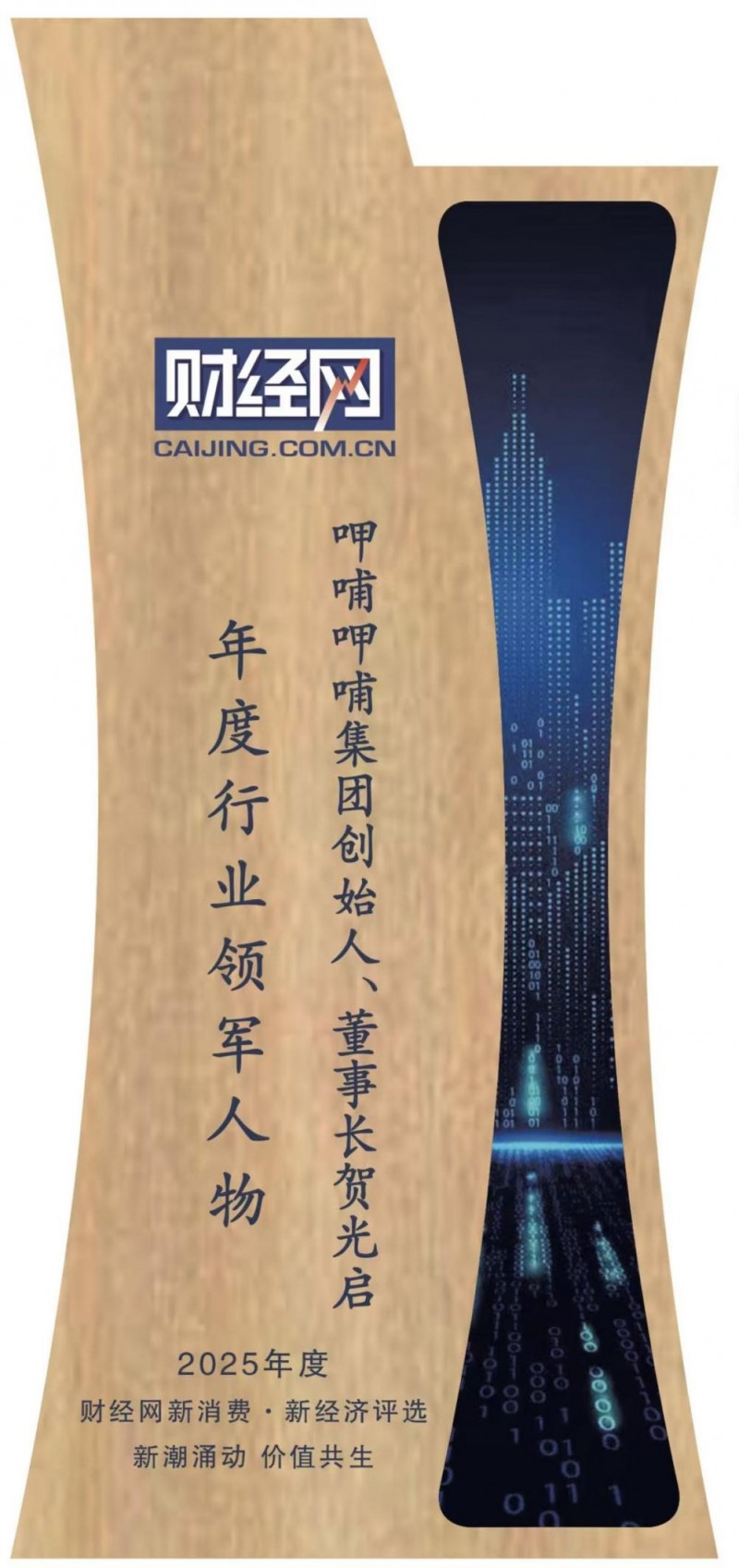
创新品牌和人才激励 呷哺呷哺集团董事长贺光启摘得“年度行业领军人物”
Sou Hu Wang· 2026-01-06 11:13
Core Insights - The founder and chairman of Xiaobai Xiaobai Group, He Guangqi, received the "Annual Industry Leader" award at the 2025 New Consumption and New Economy Awards, recognizing his innovative leadership and strategic breakthroughs in the restaurant industry [1] Group 1: Company Strategy and Development - The company emphasizes long-term development over short-term profits, focusing on consumer needs and feedback regarding food quality and service [3] - In 2025, the company continued its multi-brand and diversified development strategy, targeting the "high-end dishes at affordable prices" market segment, leading to high-quality business growth [5] - The "Feng Huan Chao" partner program was launched, attracting over 50 internal partners and resulting in 13 partner stores, with initial partner store revenue increasing by over 30% year-on-year and profit margins exceeding 30% [5] Group 2: Product Innovation and Market Expansion - The company introduced the "Selected A La Carte + Joyful All-You-Can-Eat" dual ordering model under its brand Coucou, with over 37,000 sets sold during the New Year holiday, generating over 5 million yuan in net income [6] - The new self-service hot pot brand "Xiaboo Ranch" was launched, starting at a price of 29.82 yuan, filling market gaps left by existing brands and leveraging the company's 30 years of supply chain experience [6] - A new brand "Xiaoniupai" is set to launch in early 2026, offering Taiwanese-style steak at affordable prices, aiming to meet diverse consumer dining needs and fill a gap in the steak market [6] Group 3: Commitment to Quality and Consumer Focus - The company is committed to providing high-quality ingredients at affordable prices, leveraging its extensive supply chain experience to ensure quality control and service training [5][6] - The focus on consumer interests and needs is central to the company's operational philosophy, ensuring that the brand remains relevant and competitive in a changing market [3][7]
单人消费低至30元 呷哺呷哺集团再推小火锅新品牌
Bei Jing Shang Bao· 2026-01-06 06:09
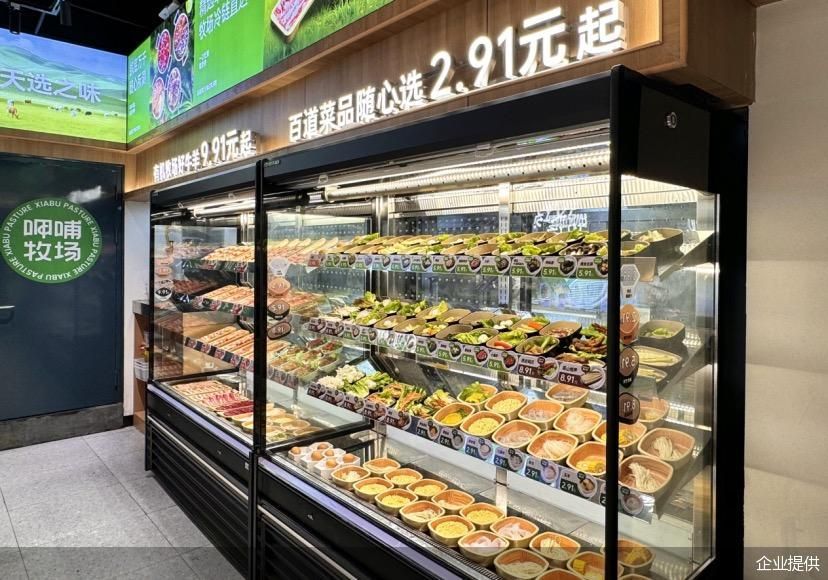
Core Insights - The company, Xiaobai Xiaobai Group, has launched a new self-service hot pot brand called "Xiaobai Ranch," with the first store opening in Shanghai Wealth Plaza [1][3] - The brand targets young consumers by offering a high-quality yet affordable dining experience, with plans to open two more locations in Shanghai before the Spring Festival [1][3] Pricing Strategy - "Xiaobai Ranch" features a pricing strategy with dishes priced at 2.91 yuan, 5.91 yuan, and 8.91 yuan, while meat options start at 9.91 yuan, allowing for a minimum single-person consumption of 29.82 yuan for a complete meal [3] - The brand also offers unlimited drinks for 5.91 yuan and complimentary appetizers [3] Operational Model - The store layout includes both shopping mall and community locations, with the first store accommodating up to 60 diners, ensuring a high turnover rate to enhance customer experience and market adaptability [3] - The operational model emphasizes high-quality, small-portion selections at affordable prices, catering to the needs of young consumers and working professionals seeking convenient and healthy dining options [3] Market Positioning - The launch of "Xiaobai Ranch" is based on insights into current consumer market trends, aiming to complete the company's brand matrix and address the demand for frequent, convenient, and quality hot pot experiences among younger demographics [3] - The company leverages its supply chain advantages to provide fresh, high-quality ingredients, allowing customers to mix and match various options [3]
呷哺,瞄准年轻人“轻奢一餐”
Sou Hu Cai Jing· 2026-01-06 00:42
Core Insights - The hot pot market is entering a new development stage that emphasizes both quality experience and price accessibility, prompting the launch of a new brand line "Xiabob Ranch" by Xiabob Group [1] - "Xiabob Ranch" aims to cater to young consumers and their social needs, offering a light luxury self-service hot pot experience that balances high quality with affordable pricing [1][4] Market Trends - The Chinese hot pot market is experiencing a shift towards stock competition and structural adjustments, with consumers increasingly seeking refined dining experiences that prioritize ingredient quality, safety, and health attributes [2] - There is a growing demand for flexible dining scenarios, such as solo dining and light social meals, indicating a market gap for hot pot experiences that offer high-quality ingredients, autonomy in selection, and moderate pricing [2] Brand Positioning - "Xiabob Ranch" targets the young demographic, who are both the main force behind consumption upgrades and price-sensitive, seeking maximum value [4] - The brand's core advantages are identified as high-end quality, small portion self-selection, and affordable pricing, addressing current market pain points and growth opportunities [4] Expansion Plans - Following the opening of its first store, Xiabob Group plans to open two additional locations in Shanghai before the Lunar New Year, marking a strategic move to fill market gaps and meet the dining needs of young consumers and professionals [6] Competitive Advantage - "Xiabob Ranch" builds its competitive edge on a strong supply chain and quality assurance system, leveraging Xiabob Group's extensive experience [7] - The pricing strategy includes a tiered system for ingredients, with vegetable prices starting at 2.91 yuan and meat from 9.91 yuan, making high-quality hot pot more accessible [7][9] Consumer Experience - The self-service model allows consumers to select their dishes within 3 to 5 minutes, enhancing the dining experience and operational efficiency [11] - The store design focuses on high table turnover rates while ensuring a comfortable dining space for customers [11] Brand Evolution - The launch of "Xiabob Ranch" is part of Xiabob Group's broader multi-brand strategy, which has included previous successful ventures like the tea brand "Chami Tea" and the mid-to-high-end hot pot brand "Coucou" [14][16] - The group's strategy reflects a clear evolution from core offerings to diversified ventures, aiming to capture growth opportunities in both mainstream and high-end dining markets [16]