
大白机器人

Search documents
不酷的普罗宇宙机器人,为什么能够吸引黄仁勋?
Sou Hu Cai Jing· 2026-02-02 19:55
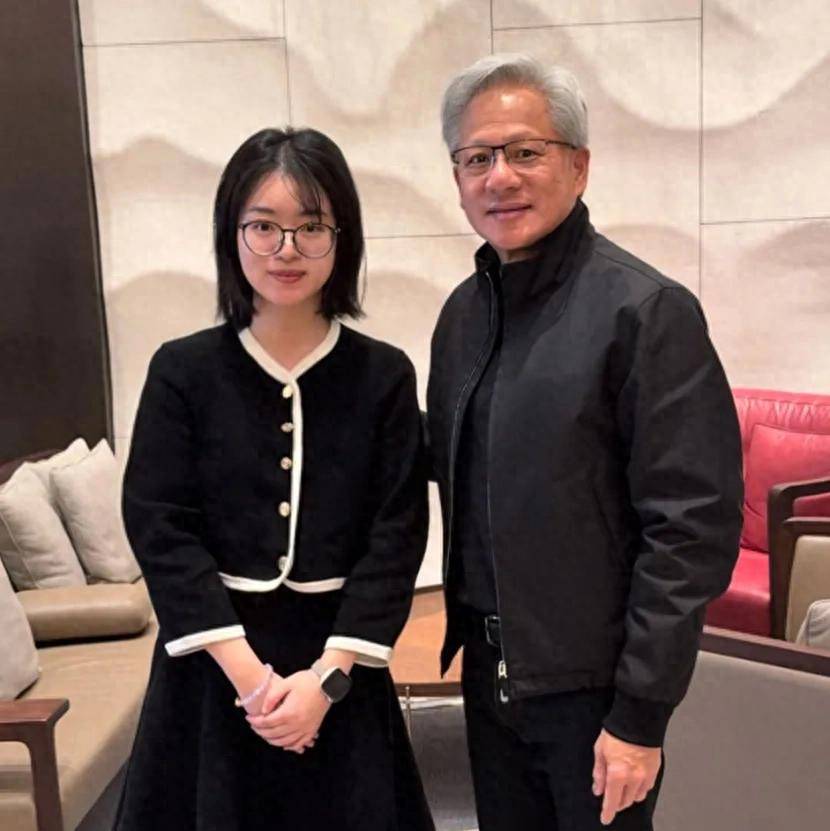
"工业是机器人最好的应用场景。" 这个论述不绝对,但过去10年已经被产业实践多次证明,在当下和未来相当长的一段时间里,工业就是机器人最好的应用场景。 这段时间,英伟达CEO黄仁勋走访中国刮起的科技旋风,让这句话的含金量再次上升。 可能很多朋友还记得,前段时间2026年CES展上,黄仁勋身着标志性皮衣的90分钟演讲,回归了一个核心的主题,就是"务实"二字。 AI的前景再怎么远 大,也要解决在工业、生产、生活中遇到的实际问题。 同样,这一次来中国走访,黄仁勋又一次将"务实"进行到底。先是在上海逛菜市场、吃小笼包被指亲民接地气,后来又在深圳低调会见了一位女性创业者 ——普罗宇宙机器人创始人兼COO葛巾。 确实,在现有的公众叙事逻辑下,投资人和媒体人更热衷于关注能扭秧歌的宇树机器人,能够跑马拉松的天工机器人,而不是像普罗宇宙生产的各种能够 在工厂里打螺丝、搞装配的机器人。 该怎么理解这种行业现状?金庸老爷子的《射雕英雄传》都看过吧,普罗宇宙就像郭靖一样,基本功扎实,能力很强,但是一点都不酷炫,放在相亲市场 都远没有欧阳克、杨康这种高富帅公子哥吃香。 欧阳克、杨康自带高富帅buff,招式花哨、谈吐张扬,轻易就能吸引全场 ...


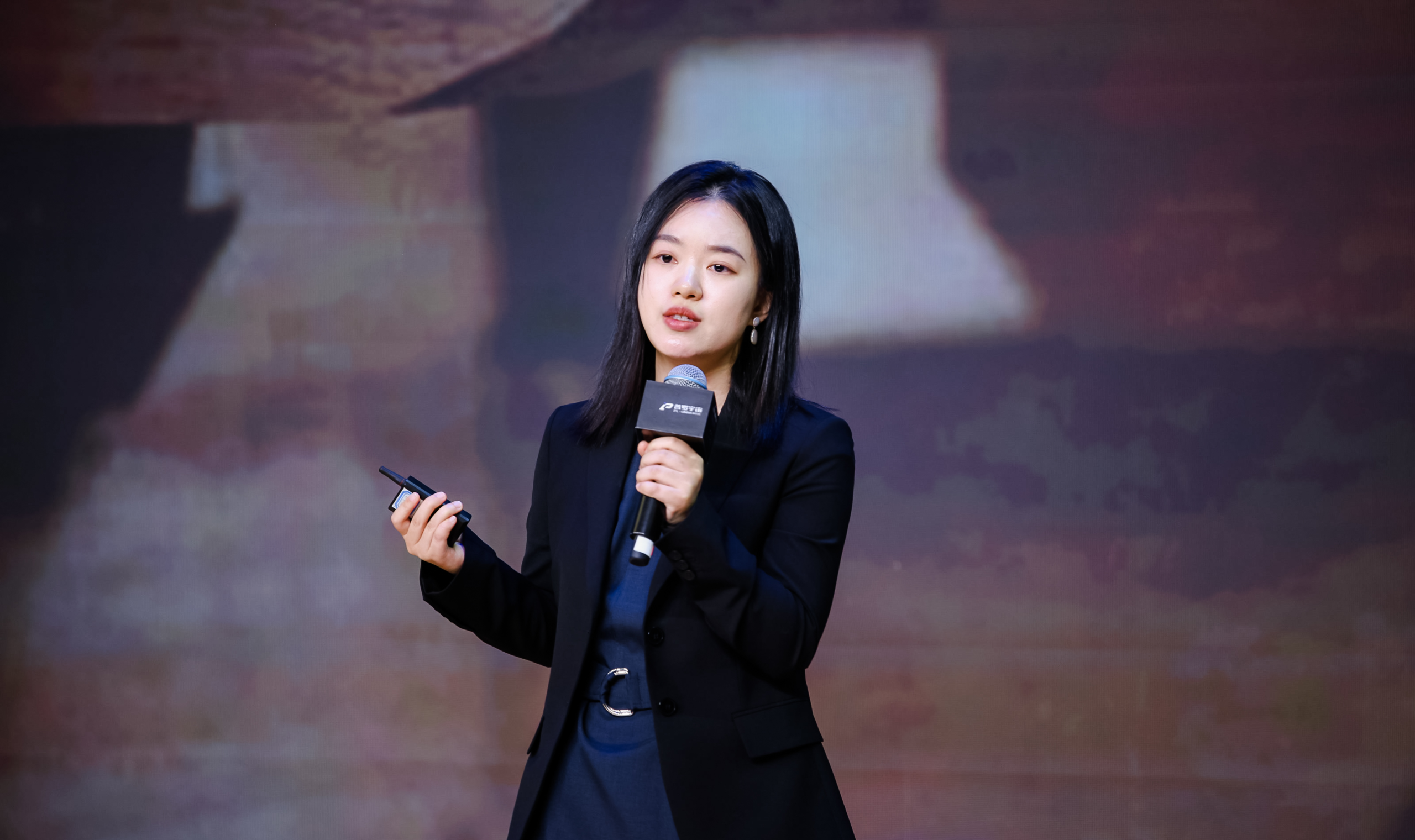
对话普罗宇宙创始人葛巾:具身智能产品未来三年成本可能下降 50%
Hua Er Jie Jian Wen· 2026-01-26 11:33
作者 | 王小娟 编辑 | 黄昱 当下,具身智能行业正处于蓬勃发展的上升期,赛道热度持续攀升,投融资市场关注度居高不下,但行业竞争也日趋激烈。"不跑快就会被淘汰"成为行业的 共识——技术迭代速度、场景落地能力、产品适配性直接决定企业生存空间。 迈入2026年,具身智能企业需要从实验室演示进入产业筛选与落地阶段。因此,2026年被认为是行业的"出清"与"落地"之年。各企业将通过商业模式的验 证,接受市场的真实检验。企业逐步形成了从实验室到真实场景的梯队化发展路径。 其中已实现稳定交付和复制的企业属于第一梯队。这些企业通常在真实场景中长期运行机器人,而非短期试点。而在具体应用场景当中,不少具身机器人已 经应用于表演展示、教育科研等场景。 去年,小鹏的IRON人形机器人因为太过于像人而引发热议。在当时的发布会上,小鹏汽车董事长、CEO何小鹏介绍,如果IRON进厂打螺丝,频繁操作带来 的高磨损度,几个月就要换一次手,而换一次的费用"可以雇用一个人工好几年"。当时,小鹏给IRON的"offer"是新车的代言人,并计划让其进入导览、导 购、导巡等应用场景。 不过,也有具身机器人企业从创业之初就盯上的是工业制造场景。 在她 ...
“点”上突破、“线”上贯通、“面”上蔓延 AI驱动中国智造跃升
Zheng Quan Ri Bao· 2025-12-30 00:00
Core Insights - China's manufacturing industry is rapidly transitioning into a new era driven by artificial intelligence (AI), with significant advancements in smart manufacturing and industrial transformation [1][8] - The integration of AI into manufacturing processes is reshaping the industry, moving from scale advantages to intelligent advantages, and enhancing productivity and efficiency across various sectors [1][8] Group 1: Smart Manufacturing Developments - Over 35,000 basic-level, 7,000 advanced-level, and 230 excellent-level smart factories have been established in China since the start of the 14th Five-Year Plan, promoting innovation in processes, equipment, and software [1] - In Changan Automobile's smart factory, a "digital eye" monitors welding points, collecting and analyzing data to ensure quality, with a new car rolling off the assembly line every 60 seconds [2] - Haier's COSMOPlat platform enables large-scale personalized customization, allowing user orders to directly reach production lines, fundamentally transforming manufacturing from a one-size-fits-all approach to tailored solutions [2] Group 2: Regional and Technological Innovations - Sichuan's manufacturing transformation showcases advanced practices, such as the world's first unmanned blade processing workshop by China Dongfang Electric Group, and AI quality inspection technologies applied in over 100 smart manufacturing enterprises [3] - The "smart transformation" platforms act as digital supermarkets, providing verified solutions and services to enterprises, facilitating their transition to smart manufacturing [3] Group 3: Robotics and Automation - Human-like robots are increasingly being integrated into manufacturing, performing tasks such as precise material handling and assembly, significantly improving production efficiency [4][5] - ProRobot's flexible solutions address the challenges of small-batch, multi-variety production, featuring adaptable robots with high precision and full-process intelligence [5] Group 4: Sustainability and Digital Integration - Lenovo's zero-carbon factory exemplifies the integration of green and smart manufacturing, utilizing digital twin technology for precise carbon management and achieving high efficiency in warehouse operations [6] - The combination of AI, 5G, and edge computing enhances manufacturing flexibility and quality while reducing energy consumption and carbon emissions [6] Group 5: Global Integration and Market Positioning - Chinese manufacturing is increasingly integrating into global supply chains, with companies establishing R&D centers abroad and adapting to local standards, thereby enhancing their competitive edge [7] - The narrative of Chinese manufacturing is shifting towards sustainability, with solar energy, energy storage, and electric vehicles becoming key components of its global identity [7] Group 6: Policy and Future Directions - The Ministry of Industry and Information Technology emphasizes the importance of digital transformation and AI integration in manufacturing, driving high-quality and sustainable development [8] - The need for industry-wide AI models and skilled professionals who understand both manufacturing processes and AI algorithms is critical for successful transformation [8] - The transition from a manufacturing power to a manufacturing stronghold is underway, with AI becoming integral to all aspects of production and supply chain management [9]
AI驱动中国智造跃升
Xin Lang Cai Jing· 2025-12-29 23:10
Core Insights - China's manufacturing industry is rapidly transitioning into a new era driven by artificial intelligence (AI), with significant advancements in smart manufacturing and industrial models [1][10] - The integration of AI is reshaping the manufacturing landscape, enhancing efficiency and enabling a shift from scale advantages to intelligent advantages [1][16] Group 1: Smart Manufacturing Developments - Over 35,000 basic-level, 7,000 advanced-level, and 230 excellent-level smart factories have been established in China since the start of the 14th Five-Year Plan [1][10] - Smart manufacturing is evolving from isolated production lines to comprehensive value chain integration, exemplified by Haier's COSMOPlat system that allows for large-scale personalized customization [2][11] Group 2: AI and Robotics Integration - Human-like robots are increasingly being utilized in factories, with significant advancements in their capabilities, such as precise handling and complex assembly tasks [13][14] - The application of robots in various manufacturing scenarios has led to notable improvements in production efficiency, such as a 20% increase in output and a 90% improvement in changeover efficiency [13][14] Group 3: Digital Transformation and Sustainability - The integration of digital technologies, including AI and 5G, is enhancing manufacturing flexibility and sustainability, with companies like Lenovo implementing zero-carbon factories [6][14] - The shift towards intelligent manufacturing is not only improving production efficiency but also contributing to sustainable development goals [6][14] Group 4: Global Integration and Policy Support - Chinese manufacturing is increasingly integrating into global supply chains, with companies establishing R&D centers abroad and adapting to local standards [7][15] - Continuous policy support from the Ministry of Industry and Information Technology is driving the digital transformation of the manufacturing sector, emphasizing the importance of AI in all aspects of production [16][17]
“点”上突破 “线”上贯通 “面”上蔓延 AI驱动中国智造跃升
Zheng Quan Ri Bao· 2025-12-29 17:03
Core Insights - China's manufacturing industry is rapidly transitioning into a new era driven by artificial intelligence (AI), with significant advancements in smart manufacturing and industrial transformation [1][7] - The integration of AI into manufacturing processes is reshaping the industry, moving from scale advantages to intelligent advantages, and enhancing productivity and efficiency across various sectors [1][7] Group 1: Smart Manufacturing Developments - Over 35,000 basic-level and 7,000 advanced-level smart factories have been established in China since the start of the 14th Five-Year Plan, promoting innovation in processes, equipment, and software [1] - In smart factories like those of Changan Automobile and Haier, AI-driven systems enable real-time data analysis and personalized production, transforming manufacturing from mass production to customized solutions [2][3] Group 2: Technological Innovations - The introduction of humanoid robots in factories marks a significant evolution in smart manufacturing, with robots performing complex tasks such as precise assembly and quality control [4][5] - Companies like ProRobot are developing flexible robotic solutions that adapt to small-batch, multi-variety production needs, enhancing efficiency and precision [5] Group 3: Sustainability and Digital Transformation - The integration of digital twin technology in factories, such as Lenovo's zero-carbon factory, allows for detailed management of carbon emissions and resource usage, showcasing the synergy between smart and green manufacturing [5] - The push for digital transformation is supported by regional platforms that provide verified solutions and services to facilitate the transition for manufacturers [3] Group 4: Global Integration and Market Positioning - Chinese manufacturing is increasingly integrating into global supply chains, with companies establishing R&D centers abroad and adapting to local standards, thereby enhancing their competitive edge [6] - The narrative of Chinese manufacturing is shifting towards sustainability, with innovations in solar energy, energy storage, and electric vehicles resonating with global decarbonization efforts [6] Group 5: Policy Support and Future Outlook - The Chinese government is actively promoting the digital transformation of the manufacturing sector, emphasizing the importance of AI in enhancing the entire production process from design to supply chain management [7][8] - The ongoing evolution of smart manufacturing is expected to continue, with a focus on deeper integration of AI technologies and the development of skilled professionals who can bridge manufacturing and AI expertise [7][8]
从“能动”到“智能” 中国机器人产业加速奔跑
Zheng Quan Ri Bao· 2025-08-08 16:28
Group 1 - The 2025 World Robot Conference in Beijing showcased over 200 companies and 1500 exhibits, with a record number of humanoid robot manufacturers participating [1] - The evolution of robots from single-function devices to multi-functional intelligent entities reflects significant growth in the robotics industry [1][4] - Robots are transitioning from being mere tools to becoming partners, with advancements in core technologies such as large models and intelligent collaborative control [4] Group 2 - The concept of "embodied intelligence" allows robots to predict needs and respond proactively, enhancing their operational efficiency [2][3] - The shift from individual robotic operation to collaborative group intelligence is evident, with robots now capable of coordinating tasks autonomously [3] - The commercial deployment of service robots is advancing faster than humanoid robots, primarily due to cost-effectiveness and specific application scenarios [5][6] Group 3 - The robotics industry is experiencing a rapid transformation, with a focus on modular design, group intelligence scheduling, and proactive service capabilities [3][5] - The market for humanoid robots is still in its early stages, with challenges in achieving higher levels of intelligence and practical application [6] - Domestic companies are increasingly focusing on localization and self-sufficiency in core components to enhance competitiveness [7] Group 4 - Chinese robotics companies are shifting from product output to technology and standard output in international markets, indicating a move towards leadership in the global robotics industry [8] - The conference highlighted the rapid advancements in China's robotics sector, showcasing a transition from following to leading in technology innovation [8]