
天工大模型

Search documents
未知机构:东吴计算机两大模型龙头暴涨节后大模型如何选股-20260224
未知机构· 2026-02-24 04:45
Summary of Conference Call Notes Industry Overview - The focus is on the AI large model sector, particularly in the Hong Kong stock market context, where major players have shown significant stock price increases despite a general market downturn [1][2]. Key Companies and Their Performance - **Zhiyu (智谱)**: - Stock price surged by 42.72%, reaching a market capitalization of HKD 323.2 billion [1][2]. - Cumulative increase of 220.51% since February [1]. - Key developments include: - Launch of the flagship model GLM-5 on February 12, showcasing programming capabilities nearing international standards [2]. - Price increase of GLM programming subscription packages by at least 30% [2]. - Successful adaptation of GLM-5 to multiple domestic chipsets by mid-February [2]. - **MiniMax**: - Stock price increased by 14.52%, with a market capitalization of HKD 304.2 billion [1][2]. - Cumulative increase of 105.07% since February [1]. - Key developments include: - Launch of the M2.5 flagship programming model on February 12, matching international top models [3]. - Open-sourcing of the M2.5 model for localized deployment on February 13, enhancing the developer ecosystem [3]. Core Insights - **Technological Breakthroughs**: Both companies have achieved significant technological advancements that validate their commercial viability, contributing to the narrative of "large models consuming software" [3][4]. - **Scarcity**: Both Zhiyu and MiniMax are considered rare pure-play large model public companies, making them preferred choices for global capital allocation in domestic AI core assets [5]. Investment Recommendations - Favorable outlook for companies with comprehensive self-developed large model capabilities: - **Zhiyu**: Leading in self-developed GLM series general large models, positioned as a benchmark in the current AI market [6]. - **MiniMax**: Noted for its multi-modal large model capabilities and significant cost-performance advantages [6]. - **Alibaba**: A core player in the domestic large model space with a well-established open-source ecosystem [6]. - **Kunlun Wanwei**: A key player in open-source large models with strong monetization capabilities in gaming and overseas business [6]. - **iFLYTEK**: A leading player in the A-share market with a comprehensive self-developed large model, showing strong commercial viability in education and healthcare [6]. - **360**: A domestic leader in security large models, focusing on safety and search applications with significant advantages in government and enterprise sectors [6].
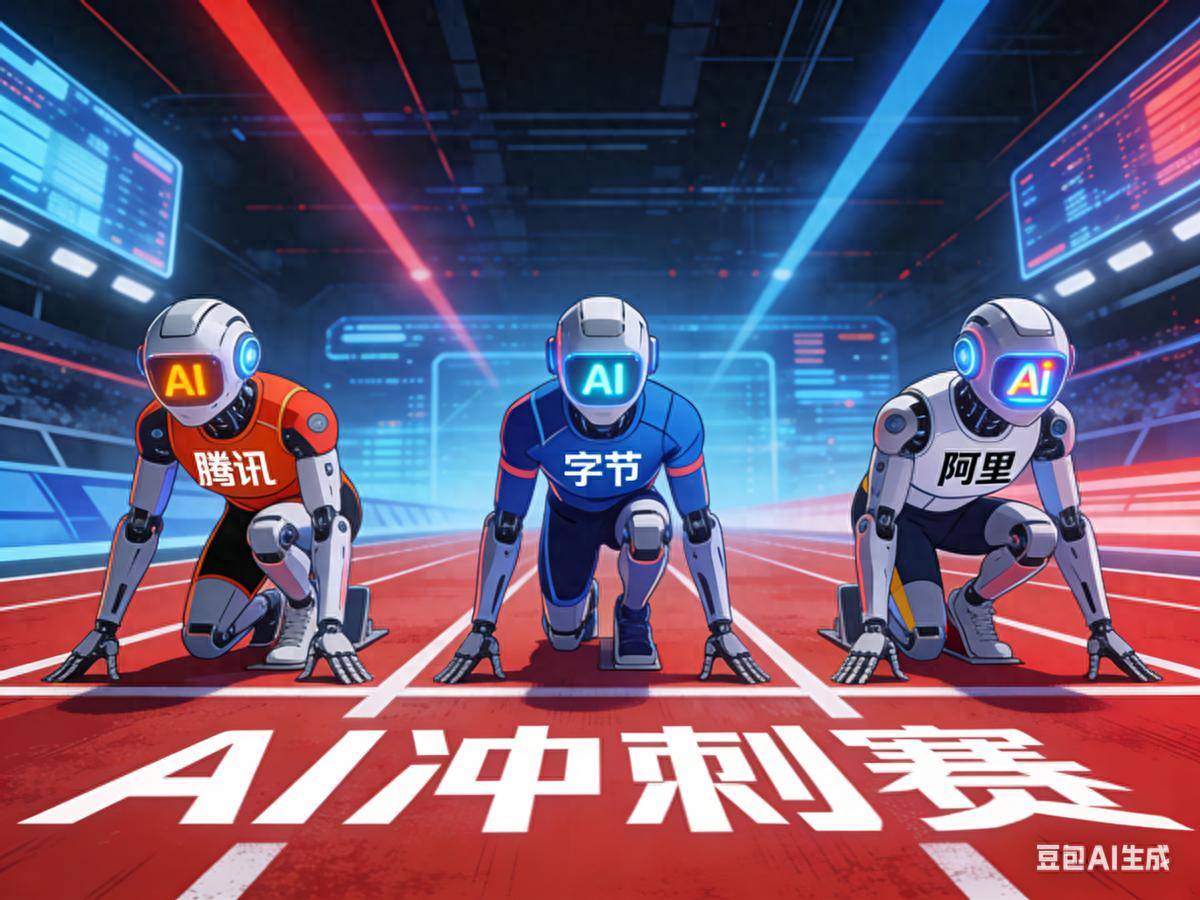
腾讯、阿里再加码,二线AI大模型可以写悼词了
Sou Hu Cai Jing· 2026-02-04 06:37
Core Insights - The technology industry is experiencing renewed excitement in early 2026, particularly around AI innovations from major players like Tencent and Alibaba [1][2][3] Group 1: AI Innovation and Industry Dynamics - The public appearances of Ma Huateng and Jack Ma discussing AI signal a critical phase in the AI innovation race, indicating a shift towards more aggressive experimentation [3][4] - Major companies are now more cautious about innovation, focusing on ROI and budget considerations, which has led to a decrease in risk-taking [5][6] - The need for influential voices to encourage innovation is emphasized, as companies may fear the risks associated with AI development [6][7] Group 2: Company Strategies and Developments - Alibaba's Qianwen AI initially aimed at internal technology trials before pivoting to consumer-facing applications, showcasing a strategic shift in its business model [9][10] - ByteDance's Doubao AI has emerged as a significant player, leveraging its existing app ecosystem to enhance its AI capabilities [13][14] - Tencent's new AI social product, Yuanbao, is seen as a strategic move to protect its core social media business while exploring new revenue streams [18][19] Group 3: Competitive Landscape and Market Challenges - The AI industry is entering a new phase of competition, with major players intensifying their efforts, potentially making it harder for mid-tier AI companies to survive [20][21] - Data indicates a significant number of AI-related companies are facing closure, highlighting the challenges for smaller players in the market [22] - The market is increasingly favoring large tech companies, which are better positioned to absorb costs and innovate, leaving independent AI firms at risk of being marginalized [32][40] Group 4: Future Outlook and Trends - The ongoing AI arms race is shifting from a focus on absolute performance to cost-effectiveness, which may impact the viability of smaller players [41][42] - The concept of an "AI slaughter line" suggests that many companies may not survive the competitive pressures of the evolving landscape [23][24] - The narrative of AI innovation continues to evolve, with the potential for new breakthroughs that could reshape the industry dynamics [43]



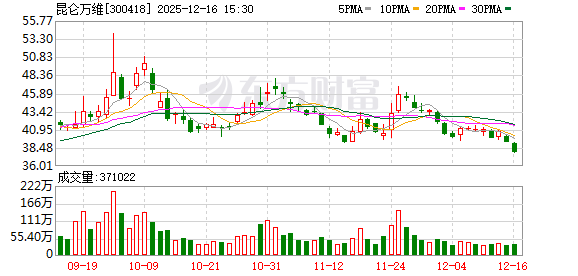
1月9日沪深两市涨停分析
Xin Lang Cai Jing· 2026-01-09 07:31
Group 1 - The company has made significant progress in its AI chip project, with nearly 200 employees in areas such as chip design and algorithm development [2] - The company has established key partnerships with popular short video platforms like Toutiao, Douyin, and WeChat, enhancing its social AI marketing systems [2] - The company reported a 332% year-on-year increase in net profit in its first quarter, collaborating with over 75% of leading automotive brands in China [2] Group 2 - The company has been awarded contracts for satellite communication systems and is focusing on 5G/6G satellite-ground integration technology [3] - The company is a leading provider of GaAs solar cell epitaxial wafers and chips, with a strong market presence in commercial aerospace [3] - The company has developed a comprehensive satellite communication and smart terminal output capability [4] Group 3 - The company is involved in the production of various cables and systems for the aerospace industry, having received certifications from major enterprises [4] - The company has established a strategic partnership with Huawei to develop AI healthcare management models [5] - The company is a leading third-party medical testing firm, integrating AI technology into its services to enhance operational efficiency [5] Group 4 - The company has been awarded contracts for the construction of high-end manufacturing bases for rocket production and testing [3][4] - The company is actively involved in the development of AI applications in various sectors, including healthcare and digital marketing [5][6] - The company has launched innovative products in the maritime satellite communication sector, enhancing its service offerings [4]

Meta收购Manus引爆“硅谷震撼”,盘点中国六大AI Agent概念股
Xin Lang Cai Jing· 2025-12-30 11:09
Core Insights - Meta's acquisition of AI Agent startup Manus signifies a pivotal shift in the AI industry, moving from mere conversational capabilities to autonomous actions, marking a new phase in AI evolution [1][9] - The news has triggered a surge in the Chinese capital market, with investors actively seeking companies that demonstrate real "Agent implementation capabilities" [1][9] Group 1: Key Companies in AI Agent Space - **Pioneer in Vertical Implementation: Maifushi (02556.HK)** Maifushi's stock surged over 11% following the news, as it recently launched its Agentforce 3.0, a significant upgrade that automates complex business processes from perception to execution. It ranks among the top in the "2025 Enterprise AI Agent Applications TOP 50" alongside major players like Baidu and Alibaba [2][10] - **Foundation Stone of Infrastructure: Baidu Group (09888.HK)** Baidu serves as the backbone of China's AI Agent ecosystem, providing the Wenxin large model and the AgentBuilder development tool, enabling developers to create agents with low barriers. Its foundational technology positions it as a critical player in the AI Agent market [3][11][12] - **Central Hub for Office Scenarios: Kingsoft Office (688111.SH)** Kingsoft is transforming traditional document processing software into intelligent agents through WPS AI, focusing on enhancing personal productivity. It stands as a solid counterpart to Microsoft's Copilot in the domestic market [4][13] - **Hardware Giant: Lenovo Group (00992.HK)** Lenovo is promoting "AI PCs" that integrate localized large models and agents, representing a new category of edge intelligence. This positions Lenovo as a key hardware provider for AI agents, ensuring user accessibility [5][14] - **Entertainment and Social Player: Kunlun Wanwei (300418.SZ)** Kunlun is aggressively pursuing the C-end entertainment sector with its "All in AGI" strategy, which includes the Tiangong large model and ventures into AI gaming and social agents, aiming to create interactive companions in virtual environments [6][15] - **Leader in Visual Perception: SenseTime-W (00020.HK)** SenseTime excels in visual AI, focusing on physical world perception, particularly in autonomous driving and robotics. Its "Riri New" system aims to develop agents capable of understanding and responding to physical environments, representing a high-tech frontier in the agent space [7][16] Conclusion - Meta's acquisition of Manus serves as a clarion call for the AI industry, indicating a shift from mere conversational AI to functional agents. The next phase for China's AI agents will prioritize product capabilities over mere concepts [8][17]




AI出海 民企彰显全球化竞争力
Bei Jing Qing Nian Bao· 2025-12-24 18:26
Core Viewpoint - Kunlun Wanwei has evolved from a domestic gaming company to a global leader in artificial intelligence, with significant overseas revenue and a strong user base, positioning itself as a benchmark for Chinese tech companies going global [1][4]. Group 1: Company Growth and Strategy - The company was founded with a global vision, starting from online game development and expanding into international markets early on [1][2]. - Kunlun Wanwei's flexible market strategy allows it to focus on rapidly growing markets without fixed revenue targets, adapting to industry changes effectively [2]. - The company has made strategic investments, such as acquiring Opera and launching successful products like StarMaker, which has over 310 million registered users [2][4]. Group 2: AI Development and Revenue - In 2025, Kunlun Wanwei achieved a total revenue of 5.8 billion yuan, a 52% year-on-year increase, with overseas revenue accounting for 93% [4]. - The company has established a comprehensive presence in the AI sector, with products like DramaWave generating significant revenue and Linky achieving over 20 million downloads [4][5]. - The AI music platform Mureka and the Opera browser also contribute to the company's strong market performance, with Opera being the fourth largest browser globally [4]. Group 3: Market Expansion and Compliance - Kunlun Wanwei emphasizes "technological innovation" and "proactive compliance" as key factors for success in international markets [5]. - The company invests heavily in technology and localizes its products to fit diverse cultural contexts in regions like India and Africa [5]. - A rigorous compliance approach ensures that the company secures necessary licenses before launching operations in new markets [5]. Group 4: Government Support - The rapid growth of Kunlun Wanwei is supported by various levels of government in Beijing, providing policy, talent, and funding advantages [6]. - The local government offers tailored services to address the company's needs and assists in obtaining operational licenses for AI products [6]. - Chinese embassies abroad also play a crucial role in facilitating business operations and ensuring the stability of overseas teams [6].
昆仑万维董事长兼CEO方汉:以开源生态与技术出海践行“人工智能+”行动
Zheng Quan Ri Bao· 2025-12-16 09:45
Core Insights - The Central Economic Work Conference held on December 10-11 in Beijing emphasized the importance of "innovation-driven development" and the expansion of "Artificial Intelligence+" while improving AI governance [2][3] - Kunlun Wanwei, a key player in China's AI sector, expressed strong alignment with the conference's strategic direction, recognizing AI as a core engine of new productive forces and highlighting the dual focus on development and security [2][3] Group 1: Company Strategy - Kunlun Wanwei plans to focus on cutting-edge technology research and open-source development, increasing investment in AGI and large models to lower AI technology barriers and enhance its full-chain capabilities [2] - The company aims to deepen the integration of "Artificial Intelligence+" across various applications, promoting self-developed AI technologies in content generation, information distribution, social entertainment, enterprise services, and productivity tools [3] - Kunlun Wanwei will strengthen compliance measures by establishing data security and algorithm traceability governance systems to meet policy requirements for AI safety and ethics [3] Group 2: Industry Impact - The company's initiatives are expected to empower various industries with intelligent upgrades, leveraging global operational experience to promote technology overseas [3] - By focusing on technological innovation and practical industrial applications, Kunlun Wanwei aims to build a competitive digital industry cluster, contributing to the cultivation of new productive forces and the establishment of a modern industrial system [3]
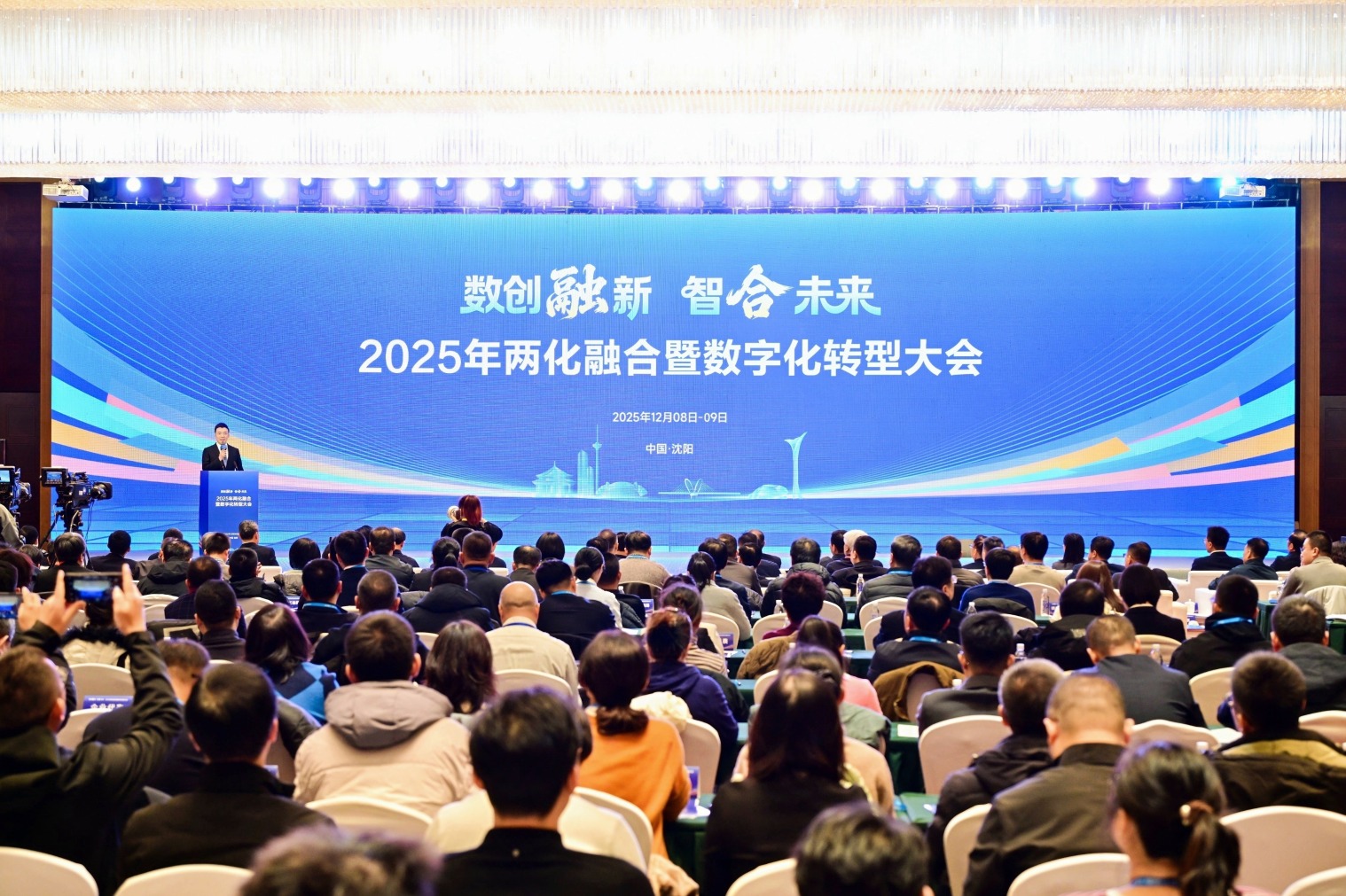
2025年两化融合大会解码企业“质改数转”新路径
Xin Hua Cai Jing· 2025-12-09 09:17
Group 1 - The conference held in Shenyang focused on exploring new paths and models for the deep integration of information technology and industrialization, with approximately 500 representatives from various sectors attending [1] - China's industrial enterprises have achieved a 64.9% integration level in the two-in-one development, with digital R&D penetration and key technology automation rates reaching 64% and 86.5% respectively, indicating a significant breakthrough in technology integration [1] - The conference highlighted the release of the "Reference Guide for Promoting Digital Transformation in Key Industries (2025 Edition)," which provides a "scene navigation map" to help enterprises overcome challenges in digital transformation [3] Group 2 - Liaoning province, as a key old industrial base, is actively building 5G network capabilities and has implemented over 10 AI benchmark projects across the province [2] - Traditional industrial enterprises face common challenges in digital transformation, such as complex working conditions and fragmented production data, which hinder efficient scheduling and collaboration [2] - The application of AI models has significantly reduced the annual maintenance cost of oil wells from 56,000 yuan to 20,000 yuan, while improving production capacity control accuracy by 23% [2] Group 3 - The conference emphasized the need to strengthen theoretical research and top-level planning to accelerate policy implementation and solution supply for key industries [3][4] - There is a call for enhanced ecosystem construction through deep collaboration between enterprises, universities, and research institutions to innovate education and industry integration models [4] - The focus is on cultivating standardized scene interpretation solutions and universal tool products aimed at small and medium-sized enterprises to facilitate precise digitalization [3][4]
昆仑万维单季扭亏毛利率达69.9% 深化全球布局海外收入占超九成
Chang Jiang Shang Bao· 2025-11-04 00:14
Core Insights - Kunlun Wanwei's AI-driven business has led to significant growth, with a third-quarter revenue of 2.072 billion yuan, a year-on-year increase of 56.16%, and a net profit of 190 million yuan, compared to a loss of 237 million yuan in the same period last year [1][2] AI Business Growth - The company has focused on AGI and AIGC, achieving substantial progress in technology development, product innovation, and commercialization, resulting in a strong overall performance [1][2] - For the first three quarters of 2025, the company reported total revenue of 5.805 billion yuan, a year-on-year increase of 51.63% [1] Globalization Strategy - Kunlun Wanwei has deepened its global strategy, achieving overseas revenue of 5.41 billion yuan in the first three quarters, a 58% increase, with overseas revenue accounting for 93.3% of total revenue, up 3.6 percentage points year-on-year [3] - The company has established a solid user base in over 100 countries, with nearly 400 million monthly active users globally, enhancing its international competitiveness [3] R&D Investment and Technological Advancements - The company has significantly increased its R&D investment, with expenditures reaching 1.211 billion yuan in the first three quarters of 2025, a year-on-year increase of 5.83% [3] - Kunlun Wanwei's "Tiangong" model has evolved to version 4.0, featuring a parameter scale of 400 billion, making it one of the largest open-source MoE models globally [4] Industry Positioning - The company is transitioning from a gaming company to a leading global AI enterprise, leveraging its global layout and deep integration of AI technology as core competitive advantages [4]
昆仑万维巨亏,实控人周亚辉大赚
3 6 Ke· 2025-06-30 08:59
Core Viewpoint - Kunlun Wanwei is intensifying its investment in AI, particularly through strategic funding and partnerships, despite facing significant financial losses and challenges in commercializing its AI business [1][6][7]. Group 1: Financial Performance - In 2024, Kunlun Wanwei reported revenue of 5.66 billion yuan and a net loss of 1.95 billion yuan, marking its first loss in ten years [7]. - By Q1 2025, the company continued to experience losses, with revenue increasing by approximately 46% year-on-year to 1.67 billion yuan, while net losses quadrupled to 930 million yuan [7][8]. - The company’s sales expenses surged by 92% to 868 million yuan in Q1 2025, primarily due to increased marketing costs for AI software and short drama businesses [8][21]. Group 2: Investment and Funding - Kunlun Wanwei's affiliated fund plans to provide 200 million yuan in interest-free convertible bonds to its subsidiary Skywork AI Inc. to enhance capital efficiency [1]. - The company has applied for a total of 1.27 billion yuan in bank credit since the beginning of 2025, nearly doubling its credit requests compared to 2024 [1][5]. - In June 2023, a major shareholder provided a loan exceeding 50% of the after-tax proceeds from a share reduction to support the company's long-term development in AGI and AIGC businesses [5]. Group 3: Strategic Focus and Challenges - The company is heavily investing in AGI and AIGC sectors but is currently facing a funding gap and has not yet achieved AI commercialization [6][12]. - Kunlun Wanwei attributes its losses to geopolitical tensions affecting its investments in companies like Pony.ai and increased R&D expenses for AI technologies [8][12]. - The company anticipates entering a profitable phase post-2027, despite current heavy investments in marketing and R&D leading to substantial losses [12]. Group 4: Corporate Structure and Operations - Kunlun Wanwei's subsidiaries, including Skywork AI, have reported significant losses, with four out of five major subsidiaries experiencing substantial net losses due to R&D and marketing expenses [12][18]. - The company has engaged in strategic equity transfers among its subsidiaries, which has resulted in inflated goodwill values, raising concerns about the sustainability of its financial practices [18][32]. - The increase in goodwill from 960 million yuan in 2020 to 5.15 billion yuan in Q1 2025 indicates potential risks associated with overvaluation and future cash flow challenges [29][32].

大厂搞AI,谁赚到钱了?
36氪· 2025-06-12 23:34
Core Viewpoint - The article discusses the transition of major companies from heavy investment in AI to the monetization phase, highlighting the varying degrees of success and the challenges faced in achieving profitability from AI initiatives [3][5][35]. Group 1: AI Investment and Monetization - Over the past two years, AI has become a significant focus for both domestic and international tech giants, with substantial financial investments made [4][5]. - A report indicates that several startups have achieved high revenue per employee, with AI unicorn Midjourney generating $500 million in annual revenue with a team of 40, translating to an average of $1.66 million per employee [4]. - Major companies like Baidu, Alibaba, and Tencent have emphasized the importance of AI in their financial reports, signaling a shift from investment to revenue generation [5][20][21]. Group 2: AI Business Models - The article categorizes the AI business models of major companies into four types: Model as Product, Model as Service, AI as Function, and "Selling Shovels" [7][8]. - "Model as Product" involves creating specific applications based on self-developed large models, primarily targeting consumer markets, with subscription-based revenue models [8][9]. - "Model as Service" targets B2B clients, offering trained AI models through cloud platforms, which has shown clear monetization potential [10][11]. - "AI as Function" integrates AI capabilities into existing products to enhance efficiency, contributing indirectly to profitability [11][13]. - "Selling Shovels" refers to providing foundational infrastructure and services to other companies, which requires significant investment and has a longer product cycle [15][16]. Group 3: Company Performance and Market Position - Companies are categorized into three tiers based on their AI monetization capabilities: - **First Tier**: Baidu, Alibaba, Tencent, and Huawei, where AI significantly contributes to overall revenue [18][19]. - **Second Tier**: Kuaishou, ByteDance, and Meitu, which are beginning to see the benefits of AI in their core operations [28][30]. - **Third Tier**: iFlytek and Kunlun Wanwei, which are still in the investment phase with less immediate revenue impact [31]. - Baidu's non-online marketing revenue, driven by AI, increased from 25.9 billion in 2022 to 31.7 billion in 2024, with a 40% year-on-year growth in Q1 2025 [20]. - Alibaba's cloud intelligence group reported a revenue of 30.1 billion in Q1 2025, reflecting an 18% year-on-year growth, indicating AI's role as a growth engine [21][22]. Group 4: Challenges in AI Monetization - Despite the promising revenue growth, companies face challenges in achieving profitability due to high R&D and marketing costs, with Tencent and Alibaba's annual R&D expenditures exceeding 100 billion [37][39]. - The article notes that while some companies have begun to see revenue from AI, the path to sustainable profitability remains complex, with many still not achieving positive cash flow from AI initiatives [43].


