小米平板

Search documents
《华尔街日报》专栏作家试驾小米SU7:它像苹果没造出来的车,不想买美国车了
Feng Huang Wang· 2026-01-30 03:30
Core Insights - The article highlights the impressive features of the Xiaomi SU7Max electric vehicle, emphasizing its long range, customizable interior, and smooth software experience, which have led to a positive reception from users [1][2]. Group 1: Vehicle Features - The Xiaomi SU7Max features a 16.1-inch entertainment screen powered by Xiaomi's HyperOS, offering a rich array of applications, including Apple CarPlay, which enhances user experience [2][3]. - The vehicle includes a unique magnetic control bar that provides physical buttons for music and air conditioning, along with the ability to attach additional modules like LED light strips for customization [3]. - The car's battery boasts a claimed range of 810 kilometers (approximately 500 miles), with real-world performance exceeding expectations, consuming less than 30% of battery for a 50-mile round trip in cold conditions [5]. Group 2: Driving Experience - The driving experience of the SU7Max is described as smooth and quiet, with a sportier feel compared to competitors like the Ford Mustang Mach-E and Tesla Model Y, particularly in terms of braking, steering, and acceleration [4][5]. - Advanced driver assistance features were noted to function smoothly, enhancing the overall driving experience [4]. Group 3: Market Position and Future Prospects - The starting price of the Xiaomi SU7Max in China is approximately 299,900 yuan (around $43,000), positioning it competitively with the Tesla Model Y, although potential U.S. pricing could be higher due to tariffs and regulations [6]. - There are significant barriers for Chinese electric vehicles entering the U.S. market, including a 100% tariff and federal restrictions on connected car technologies, but these may change in the future [6]. - Industry experts suggest that Chinese manufacturers, including Xiaomi, are prepared to enter the U.S. market if production occurs domestically, with potential developments expected within the next two years [6].



CES 2026:全新产品亮相 Arm聚焦搭建AI算力基础设施
Huan Qiu Wang· 2026-01-07 09:33
Core Insights - The integration of physical AI and edge AI is a central theme at CES 2026, showcasing advancements in various devices from autonomous vehicles to personal computers and wearables [1][3]. Group 1: Automotive Industry - The automotive sector is transitioning from "software-defined" to "AI-defined," with multiple companies implementing high-performance computing platforms based on Arm architecture for real-time vehicle perception, prediction, and decision-making [3]. - Tesla's new AI5 chip, built on Arm, reportedly enhances AI performance by 40 times compared to its predecessor [3]. - Rivian's self-developed autonomous driving platform also utilizes customized Arm chips, while NVIDIA DRIVE Thor supports L4-level autonomous taxi operations [3]. Group 2: Robotics - Robotics technology is moving from laboratory experiments to large-scale commercial applications, demonstrating the practical implementation of physical AI [3]. - Various robots, including wheeled robots, cleaning delivery robots, and humanoid robots, showcased their autonomous operation capabilities in complex environments, relying on Arm's high-efficiency computing platforms [3]. Group 3: Consumer Electronics - Edge AI has become a standard feature in PCs, laptops, and tablets, with the Windows on Arm ecosystem rapidly expanding, expecting over 100 related models to launch by 2026 [4]. - Devices like Apple MacBook, Google Chromebook, and Xiaomi tablets, based on Arm architecture, demonstrate the feasibility of efficiently performing AI tasks locally while achieving high performance and long battery life [4]. - The compact AI workstation NVIDIA DGX Spark, powered by Arm cores, can support local inference for models with 120 billion parameters [4]. Group 4: Wearables and Smart Home - The smart upgrade of wearables and smart home devices reflects the deep penetration of edge AI into daily scenarios, with new smart glasses and health rings utilizing low-power Arm chips for continuous local perception and inference, ensuring user privacy [4]. - Smart home systems are increasingly shifting AI processing tasks to local hubs to address energy efficiency, privacy, and reliability needs [4]. Group 5: Industry Trends - CES 2026 clearly illustrates the trend of intelligent technology integrating into transportation, mobile devices, smart homes, professional workstations, and various robotic applications [4]. - Despite the varying forms of AI across different devices, their reliable operation depends on a high-efficiency and scalable computing foundation [4].

科技大事件 丨 余承东接任华为终端有限公司董事长;小米网页 AI 聊天服务亮相
Sou Hu Cai Jing· 2025-12-17 05:03
Group 1: Apple and Amazon Price Fixing Allegations - A new lawsuit has been filed against Apple and Amazon, claiming they engaged in price-fixing by imposing unfair restrictions on independent third-party sellers on Amazon's platform, leading to higher prices for consumers [1][2] - The lawsuit seeks $1.2 billion in damages, equivalent to approximately 8.467 billion RMB, and is based on claims that previous court dismissals did not address the core allegations of consumer harm [2] Group 2: Apple Music and ChatGPT Integration - OpenAI announced that Apple Music will soon integrate with ChatGPT, allowing users to create playlists and perform various tasks through the AI platform [2][3] - This integration is part of a broader initiative by OpenAI to expand its application ecosystem, which includes partnerships with other platforms like Spotify and Adobe [3] Group 3: Apple MacBook Pro Battery Replacement Process - Apple has simplified the battery replacement process for the 14-inch M5 MacBook Pro, allowing users to replace the battery without disassembling multiple internal components [4][5] - The new battery replacement procedure is now available through Apple's self-service repair store, which also sells the necessary tools for the replacement [4] Group 4: Developer Pressure on EU Regarding Apple's Pricing Structure - Developers are pressuring European regulators to reject Apple's proposed dual pricing scheme, which they argue is more stringent than what U.S. developers face [5] - This pressure follows a U.S. court ruling that deemed Apple's 27% commission on web purchases illegal, prompting calls for fairer pricing policies in Europe [5] Group 5: Xiaomi and Honor Price Increases Due to Memory Costs - Xiaomi has announced price increases for several of its tablet models, with price hikes ranging from 100 to 300 RMB due to rising memory costs [7][8] - Honor has also indicated that it will soon raise prices for its tablets, citing similar pressures from increased memory costs [10] Group 6: AMD CEO Visits Lenovo Headquarters - AMD CEO Lisa Su visited Lenovo's headquarters in Beijing, where she and her team explored various new products and technologies, including humanoid robots [10]

小米高管解读财报:库存非常健康 高端机的比例在不断变高
Xin Lang Ke Ji· 2025-11-26 08:33
Core Insights - Xiaomi Group reported Q2 2023 revenue of 67.35 billion RMB, exceeding market expectations of 65.13 billion RMB, but down 4% year-on-year from 70.17 billion RMB. Net profit reached 3.67 billion RMB, up 168.5% year-on-year, surpassing the forecast of 3.16 billion RMB. Adjusted net profit was 5.14 billion RMB, a 147% increase year-on-year [1][1][1] Financial Performance - Revenue for Q2 2023 was 67.35 billion RMB, compared to 65.13 billion RMB expected by the market and 70.17 billion RMB in the same period last year, indicating a 4% year-on-year decline [1] - Net profit for Q2 2023 was 3.67 billion RMB, significantly higher than the expected 3.16 billion RMB, marking a 168.5% increase year-on-year [1] - Adjusted net profit under non-IFRS was 5.14 billion RMB, reflecting a 147% year-on-year growth [1] Mobile Business Insights - Xiaomi's mobile sales showed a recovery in Q2 despite a global decline in smartphone sales, with expectations for continued growth in Q3 [1][2] - The company emphasized focusing on internal capabilities and product quality rather than competitor actions, suggesting that new product launches by competitors would not significantly impact Xiaomi's strategy or sales expectations [2] Inventory and Cost Management - Xiaomi reported a significant reduction in both internal and channel inventory, indicating a healthy inventory status [3][4] - The company achieved a historical high in mobile gross margin during Q2, attributed to improved pricing and cost control measures [3][4] - Xiaomi's cost advantages stem from scale effects and enhanced self-research capabilities, particularly in areas like screen production and camera technology [5][6] IoT Market Performance - Xiaomi's IoT business showed strong performance in China, particularly in major appliances and tablets, with expectations for inventory adjustments in overseas markets by Q4 2023 [11][12] - The global consumer electronics market is recovering slowly, but a smaller decline is anticipated in 2024 compared to 2023 [11] Internet Services and AI Strategy - Xiaomi's internet services revenue reached a historical high in Q2, with a focus on increasing average revenue per user (ARPU) through a growing base of high-end users [12][14] - The company is investing in AI, with plans to integrate AI capabilities into products and improve internal operations, including a significant investment fund for AI development [22][24] Global Market Expansion - Xiaomi is focusing on optimizing its market structure in Europe and exploring growth opportunities in the Middle East and Latin America, with a potential strategy for entering African markets [16][17][18] - The company remains confident in its ability to rebound in the Indian market after facing challenges in Q2 [18] Cost Control and Management Efficiency - Xiaomi has made significant progress in cost reduction, with a notable decrease in operational expenses compared to the previous year, indicating effective management reforms [19][21] - The company aims to balance scale and profitability while continuing to enhance operational efficiency across all departments [19][21]
国盛证券:重申小米集团-W(01810)“买入”评级 长期趋势不改 高端化推进
智通财经网· 2025-11-21 09:31
Core Viewpoint - Guosheng Securities has set a target price of HKD 52 for Xiaomi Group-W (01810) and reiterated a "Buy" rating, citing strong Q3 performance with a 22.3% year-on-year revenue growth to CNY 113.1 billion and a record adjusted net profit of CNY 11.3 billion, up 80.9% year-on-year, driven by the high-end smartphone strategy and automotive business [1][2]. Financial Performance - In Q3 2025, Xiaomi Group achieved revenue of CNY 113.1 billion, a 22.3% increase year-on-year. Revenue breakdown includes approximately CNY 46 billion from smartphones, CNY 27.6 billion from IoT, CNY 9.4 billion from internet services, and CNY 29 billion from automotive and AI businesses. The adjusted net profit reached CNY 11.3 billion, marking a historical high with an 80.9% year-on-year growth [2]. Business Aspects - **Smartphones**: Xiaomi continues to push for high-end market penetration, with global smartphone shipments reaching 43.3 million units, a 0.5% year-on-year increase. The global market share stands at approximately 13.6%, ranking in the top three, while the domestic market share is about 16.7%, ranking second. High-end smartphone sales in mainland China accounted for 24.1% of total sales, with a market share of 18.9% in the CNY 4,000-6,000 price range. The Xiaomi 17 series, particularly the Pro and Pro Max models, accounted for over 80% of sales, indicating an optimized product structure [3]. - **IoT**: Xiaomi's AIoT platform has surpassed 1 billion connected devices, reflecting a 20.2% year-on-year growth. The company ranks among the top five in global tablet shipments, second in TWS earphones, and first in wearable wristband devices. Monthly active users for the Mi Home app and Xiao Ai exceeded 110 million and 150 million, respectively. The launch of a smart home appliance factory in October 2025 marks a significant step in closing the industry loop from design to production [3]. Automotive and AI Innovation - Xiaomi's automotive and AI innovation business achieved its first quarterly profit, with vehicle deliveries reaching approximately 109,000 units, a historical high. The Xiaomi YU7 series ranked first in the mainland SUV sales chart in October 2025, and the operating profit for this segment was around CNY 700 million [4]. Profit Forecast and Rating - Guosheng Securities anticipates that in the short term, Xiaomi's smartphone and automotive sectors may face challenges due to subsidy adjustments and rising raw material costs. However, Xiaomi's strong market position and high-end strategy provide a competitive edge. The long-term outlook remains positive due to the "full ecosystem" strategy. Revenue projections for 2025-2027 are CNY 470 billion, CNY 557 billion, and CNY 694 billion, with non-GAAP net profits of approximately CNY 44 billion, CNY 50.1 billion, and CNY 65 billion, respectively. The target price of HKD 52 is based on a 20x P/E for the consumer electronics segment and a 2.5x P/S for the automotive and AI innovation business, reaffirming the "Buy" rating [5].

国盛证券:重申小米集团-W“买入”评级 长期趋势不改 高端化推进
Zhi Tong Cai Jing· 2025-11-21 09:30
Core Viewpoint - Guosheng Securities has given Xiaomi Group-W (01810) a target price of HKD 52 and reiterated a "Buy" rating, citing strong Q3 performance with a 22.3% year-on-year revenue growth to CNY 113.1 billion and a record adjusted net profit of CNY 11.3 billion, up 80.9% year-on-year, driven by the high-end smartphone strategy and automotive business [1][2]. Financial Performance - In Q3 2025, Xiaomi Group achieved revenue of CNY 113.1 billion, a 22.3% increase year-on-year. Revenue breakdown includes approximately CNY 46 billion from smartphones, CNY 27.6 billion from IoT, CNY 9.4 billion from internet services, and CNY 29 billion from automotive and AI businesses. The adjusted net profit reached CNY 11.3 billion, marking a historical high with an 80.9% year-on-year growth [2]. Business Aspects - **Smartphones**: Xiaomi continues to push for high-end market penetration, with global smartphone shipments reaching 43.3 million units, a 0.5% year-on-year increase. The company holds approximately 13.6% of the global market share, ranking in the top three, and 16.7% in mainland China, ranking second. High-end smartphone sales in mainland China accounted for 24.1% of total sales, with a market share of 18.9% in the CNY 4,000-6,000 price range. The Xiaomi 17 series, particularly the Pro and Pro Max models, accounted for over 80% of sales, indicating an optimized product structure [3]. - **IoT**: Xiaomi's AIoT platform has surpassed 1 billion connected devices, reflecting a 20.2% year-on-year growth. The company ranks first in global shipments of wearable wristbands and second in TWS earphones. The launch of a smart home appliance factory in October 2025 marks a significant step in closing the design, R&D, production, and validation loop for its major appliance business [3]. Automotive and AI Innovation - Xiaomi's automotive and AI innovation business achieved its first quarterly profit, with approximately 109,000 vehicles delivered, setting a new record. The Xiaomi YU7 series ranked first in the SUV sales chart in mainland China in October 2025, with operating income from this segment reaching approximately CNY 700 million [4]. Profit Forecast and Rating - Guosheng Securities anticipates that Xiaomi Group will maintain relative competitiveness in the face of short-term industry disruptions, given its leading market share and successful high-end strategy. The company projects revenues of CNY 470 billion, CNY 557 billion, and CNY 694 billion for 2025-2027, with non-GAAP net profits of approximately CNY 44 billion, CNY 50.1 billion, and CNY 65 billion respectively. The target price of HKD 52 is based on a 20x P/E for the consumer electronics segment and a 2.5x P/S for the automotive and AI innovation business, reaffirming the "Buy" rating [5].
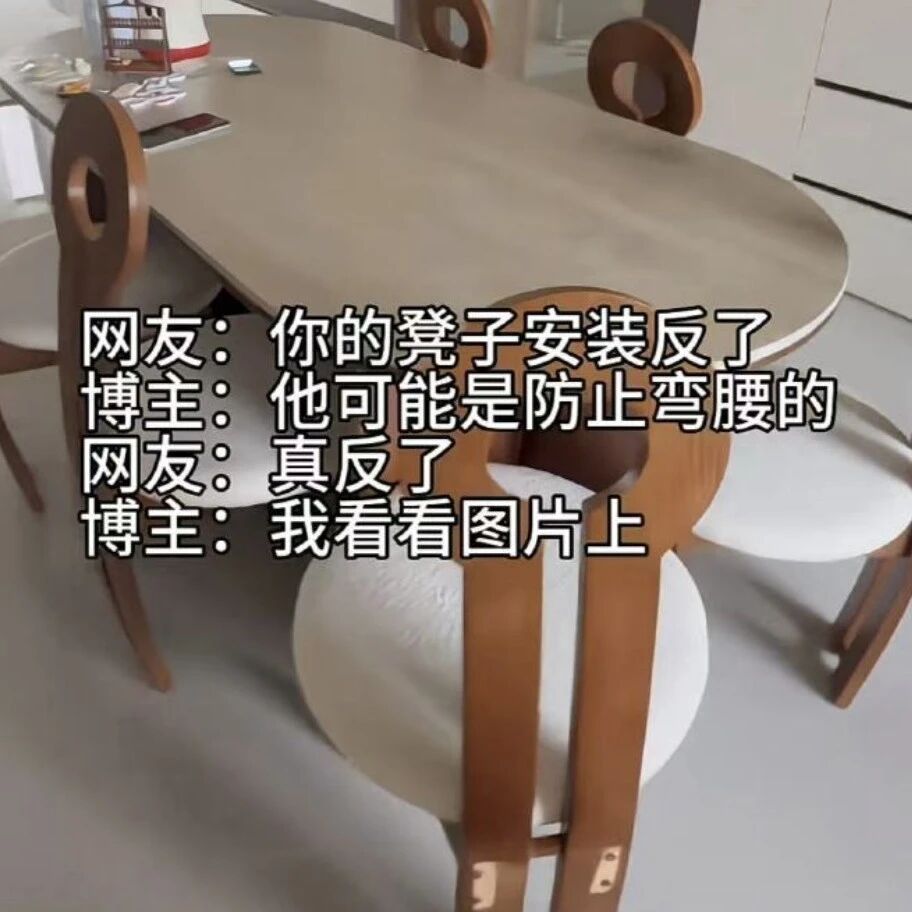
大侠后宫:“组装东西不看教程的后果......”哈哈哈哈哈哈哈哈怎么乱七八糟的!
猿大侠· 2025-11-19 04:11
Group 1 - The article discusses various humorous anecdotes related to home decor and DIY projects, highlighting the challenges and unexpected outcomes of such endeavors [1][3][4] - It includes comments from readers sharing their own experiences with home improvement, emphasizing a sense of community and shared laughter [7][10][11] - The content reflects a light-hearted take on everyday life, showcasing how small mishaps can lead to amusing stories [18][19][22] Group 2 - There are mentions of allergies and personal health experiences, illustrating the struggles individuals face with certain foods and environmental factors [18][22] - The article touches on the importance of humor in coping with daily challenges, as seen in the interactions among readers [15][26][34] - It also includes commentary on societal norms and expectations, particularly in the context of workplace relationships and dynamics [51][60][68]
全文|小米Q3业绩会实录:本周应可提前完成“超35万台汽车交付”的目标
Xin Lang Cai Jing· 2025-11-19 00:48
Core Viewpoint - Xiaomi Group reported a record high revenue of 113.1 billion yuan for Q3 2025, representing a year-on-year growth of 22.3%, and a net profit of 12.3 billion yuan, up 129.5% year-on-year [1] Financial Performance - Total revenue reached 113.1 billion yuan, a 22.3% increase year-on-year [1] - Net profit was 12.3 billion yuan, reflecting a 129.5% year-on-year growth [1] - Adjusted net profit was 11.3 billion yuan, with an 80.9% year-on-year increase [1] Mobile Business Insights - The rising memory prices are expected to have a long-term impact on mobile phone gross margins, driven by increased demand from AI high-performance computing [2][3] - The current memory cost cycle is characterized by a significant demand increase while supply remains insufficient, leading to a prolonged period of rising costs [3] - Xiaomi's strategy includes potential price increases, cost absorption, and product structure optimization to mitigate the impact of rising memory costs on gross margins [4] Automotive Business Developments - Xiaomi's automotive delivery volume has been steadily increasing, with over 400,000 units delivered in 18 months since product launch [5][6] - The delivery cycle for models like the SU7 Pro and SU7 Pro Max has been significantly shortened due to efficiency improvements [6] - The company aims to exceed its target of 350,000 vehicle deliveries for the year, indicating strong operational capabilities [6] IoT and AI Integration - Xiaomi's IoT connections have surpassed 1 billion, with a year-on-year growth rate of over 20% [10] - The introduction of the Pengpai OS aims to unify various systems and enhance the user experience through deep integration of AI and IoT devices [10] - The Miloco initiative represents a significant step towards integrating AI capabilities into smart home applications, moving away from traditional coding limitations [10][11] Supply Chain and Inventory Management - The company maintains a strong relationship with key memory suppliers, ensuring a good supply rate and prioritization in the domestic market [20] - Xiaomi's inventory management strategy involves reducing inventory during cost declines and increasing it during cost rises, indicating proactive supply chain management [20] Retail Expansion Strategy - Xiaomi aims to expand its retail presence, with a target of 30,000 stores in China, having already opened around 20,000 [27][28] - The company plans to focus on operational efficiency in existing stores before accelerating new store openings [28] - The overseas retail strategy is expected to replicate the success of domestic operations, with significant growth potential in various international markets [29]
小米高管解读Q3财报:本周应可提前完成“超35万台汽车交付”的目标
Xin Lang Ke Ji· 2025-11-18 16:09
Financial Performance - Xiaomi Group reported total revenue of 113.1 billion yuan for Q3 2025, representing a year-on-year increase of 22.3% [1] - The net profit reached 12.3 billion yuan, showing a significant year-on-year growth of 129.5% [1] - Adjusted net profit, based on non-IFRS measures, was 11.3 billion yuan, reflecting an 80.9% increase year-on-year [1] Mobile Business Insights - The management anticipates a prolonged cycle of rising memory costs, primarily driven by demand from AI high-performance computing [2][3] - The current memory cost increase is expected to significantly impact the gross margins of mobile devices, tablets, and laptops due to the high proportion of storage costs [3][4] - Xiaomi has been focusing on product structure optimization and high-end product development to mitigate the impact of rising costs [4][8] Automotive Business Developments - Xiaomi's automotive delivery volume has been steadily increasing, with over 400,000 units delivered in just 18 months since the product launch [5][6] - The company aims to exceed its initial delivery target of 350,000 units for the year, with recent improvements in delivery efficiency [6] - The management is optimistic about maintaining healthy gross margins despite potential impacts from subsidies and market competition [9] IoT and AI Strategy - Xiaomi's IoT connections have surpassed 1 billion, with a year-on-year growth rate exceeding 20% [10] - The company has unified its operating systems into a single platform, "Surge OS," to enhance connectivity across devices [10] - Xiaomi is focusing on integrating AI capabilities into its smart home ecosystem, aiming for a more interactive user experience [10][11] Home Appliance Sector - The company is adapting to the withdrawal of government subsidies by enhancing product quality and maintaining a healthy average selling price (ASP) [12][14] - Xiaomi has launched its first smart home appliance factory in Wuhan, which is equipped with advanced automation and AI technologies [13][14] - The long-term goal remains to position Xiaomi among the top players in the home appliance market by 2030 [14]
小米手机收入与均价下滑,高管回应内存涨价影响
第一财经· 2025-11-18 14:15
Core Viewpoint - Xiaomi Group reported a strong performance in Q3 2025, with revenue of 113.12 billion RMB, a year-on-year increase of 22.3%, and an adjusted net profit of 11.31 billion RMB, up 80.9% [3]. Revenue Breakdown - The revenue from the smartphone and AIoT segment was 84.11 billion RMB, accounting for 74.4% of total revenue, with a year-on-year growth of 1.6% [4]. - The revenue from the smart electric vehicle and AI innovation segment reached 29.01 billion RMB, representing 25.6% of total revenue, with a significant year-on-year increase of 199.2% [4]. Smartphone Business Insights - The smartphone business generated 46 billion RMB in revenue, a decline of 3.1% year-on-year, primarily due to a decrease in average selling price (ASP) from 1102.2 RMB to 1062.8 RMB, a drop of 3.6% [5]. - Smartphone shipments increased slightly by 0.5% to 43.3 million units, driven by growth in overseas markets [5]. Memory Market Impact - The global memory market has experienced significant price increases across all categories since 2025, affecting the cost structure of the smartphone industry [5]. - The current memory price cycle, driven by AI and high-performance computing (HPC) demand, is expected to have a prolonged impact on industry costs and margins, particularly for products with high storage cost ratios [6]. Industry Dynamics - The memory price surge is anticipated to create volatility in the smartphone industry, with varying impacts on different manufacturers based on their ability to absorb costs [6]. - The domestic smartphone market remains competitive, with the current memory price increase likely to intensify competition among manufacturers, testing their financial strength and supply chain leverage [7].