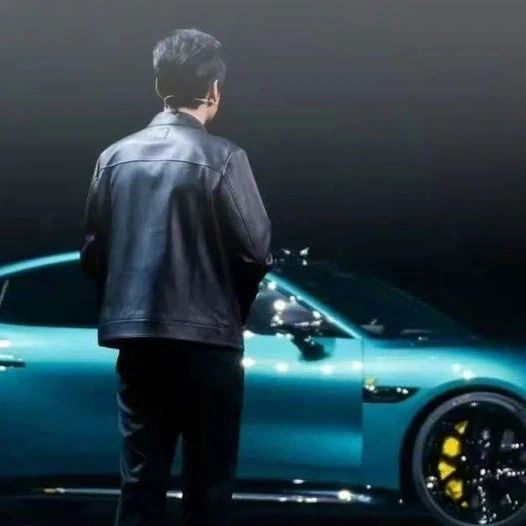
小米15Ultra

Search documents
花旗:小米集团-W高端手机成本结构仍优于中低端手机 维持“买入”评级
Zhi Tong Cai Jing· 2025-12-29 09:39
Core Viewpoint - Citigroup has set a target price of HKD 50 for Xiaomi Group-W (01810) based on a solid long-term visibility and a sum-of-the-parts (SOTP) valuation method, rating it as "Buy" [1] Group 1: Valuation and Target Price - The SOTP valuation includes a profit valuation multiple of 18.9 times for core smartphone, IoT, and internet services, while the smart electric vehicle business is valued at 1.5 times sales [1] - The target price is based on projections for 2026 [1] Group 2: Product Launch and Market Performance - Xiaomi held a product launch event during Christmas, introducing the Xiaomi 15 Ultra and AIoT products [1] - According to IDC data, the shipment volume of smartphones priced above USD 800 saw a 56% year-on-year growth in the first nine months of 2025, indicating significant breakthroughs in the ultra-high-end market above RMB 6,000 [1] Group 3: Cost Structure and Product Pricing - Citigroup believes that with rising memory prices, the cost structure of high-end smartphones remains superior to that of mid-range and low-end smartphones [1] - Xiaomi also launched several products with suggested retail prices: Buds6 at RMB 699, central air conditioner Pro at RMB 25,999, smart home panel 11 at RMB 1,299, Watch5 at RMB 1,999, and the Mijia diffuse ceiling light at RMB 1,899 [1]

花旗:小米集团-W(01810)高端手机成本结构仍优于中低端手机 维持“买入”评级
智通财经网· 2025-12-29 09:38
Core Viewpoint - Citigroup has set a target price of HKD 50 for Xiaomi Group-W (01810) based on a solid long-term visibility and a sum-of-the-parts (SOTP) valuation method, rating it as "Buy" [1] Group 1: Valuation and Target Price - The SOTP valuation assigns an earnings multiple of 18.9x for core smartphone, IoT, and internet services, while the smart electric vehicle business is valued at a 1.5x sales multiple [1] - The target price is based on projections for 2026 [1] Group 2: Product Launch and Market Performance - Xiaomi held a product launch event during Christmas, introducing the Xiaomi 15 Ultra and AIoT products [1] - According to IDC data, the shipment volume of smartphones priced above USD 800 saw a 56% year-on-year growth in the first nine months of 2025, indicating significant breakthroughs in the ultra-high-end market above RMB 6,000 [1] Group 3: Cost Structure and Product Pricing - Citigroup believes that with rising memory prices, the cost structure for high-end smartphones remains superior to that of mid-to-low-end smartphones [1] - Xiaomi also launched several products with suggested retail prices: Buds6 at RMB 699, central air conditioning Pro at RMB 25,999, smart home panel 11 at RMB 1,299, Watch5 at RMB 1,999, and the Mijia diffuse ceiling light at RMB 1,899 [1]
大行评级|花旗:小米在6000元以上超高端市场取得显著突破 评级“买入”
Ge Long Hui· 2025-12-29 07:54
Core Viewpoint - Citi's report indicates that Xiaomi has recently launched the Xiaomi 15 Ultra and AIoT products, highlighting significant growth in the high-end smartphone market [1] Group 1: Product Launch and Market Performance - Xiaomi's smartphone shipments priced above $800 experienced a 56% year-on-year growth in the first nine months of 2025, demonstrating a notable breakthrough in the ultra-high-end market above 6000 yuan [1] - The introduction of the Xiaomi 15 Ultra and AIoT products is expected to further strengthen Xiaomi's position in the high-end segment [1] Group 2: Financial Outlook and Valuation - Citi believes that with rising memory prices, the cost structure of high-end smartphones remains superior to that of mid-range and low-end devices [1] - Based on solid long-term visibility, Citi employs a sum-of-the-parts (SOTP) valuation method and sets a target price of 50 HKD for Xiaomi, with a "Buy" rating [1]
卢伟冰称小米17Ultra将因内存成本上涨大幅涨价
Mei Ri Jing Ji Xin Wen· 2025-12-20 14:31
Core Viewpoint - The price of Xiaomi 17 Ultra is expected to increase significantly due to rising memory costs, which have been influenced by the explosive growth of AI and are projected to continue rising through 2027 [1] Group 1: Price Increase Factors - Lu Weibing indicated that the memory price surge is a major factor contributing to the increased cost of smartphones, including the Xiaomi 17 Ultra [1] - The previous model, Xiaomi 15 Ultra, was priced at 6499 yuan, but this pricing did not fully account for memory costs, which have now become a critical consideration [1] - The anticipated price increase for Xiaomi 17 Ultra is expected to be substantial, with Lu Weibing suggesting it will be "a bit more" than previous models, although still relatively low compared to the memory cost increase [1]

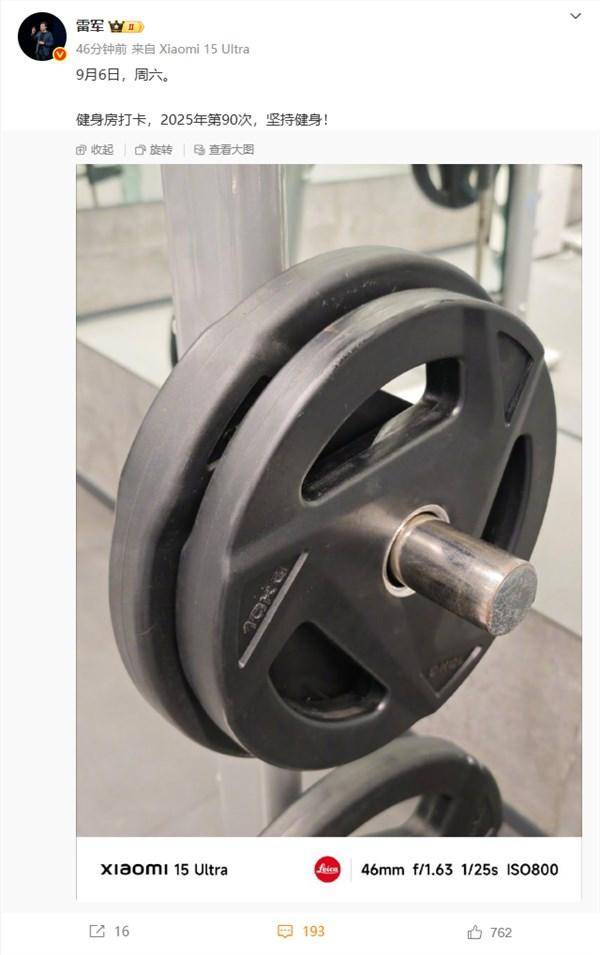
雷军第90次健身房打卡 距离健身目标仅剩10次
Sou Hu Cai Jing· 2025-09-06 17:29
Group 1 - Lei Jun, the founder of Xiaomi Group, has completed 90 gym sessions in 2025, nearing his goal of 100 sessions for the year [1][4] - Lei Jun's fitness journey has garnered significant attention on social media, with many netizens expressing admiration for his dedication [1][5] - In a previous New Year's live stream, Lei Jun set three goals for 2025, including completing 100 gym sessions and delivering 300,000 cars [4] Group 2 - Lei Jun's commitment to fitness not only reflects his personal discipline but also serves as an inspiration for many, encouraging them to engage in physical exercise [5]
刚买半年就过气,你手里的安卓旗舰被偷偷“OTA阉割”了
3 6 Ke· 2025-07-08 12:22
Core Viewpoint - The article discusses the phenomenon of "OTA castration" in the smartphone industry, where manufacturers limit the functionality of older models despite their hardware capabilities, leading to a subpar user experience [2][5][40]. Group 1: OTA Castration Phenomenon - Manufacturers often restrict features on older devices to differentiate product lines and maintain exclusivity for newer models [2][5]. - The "OTA castration" results in older flagship models receiving fewer software updates and features compared to newer mid-range devices, despite having similar hardware [5][23]. - Examples include Vivo's X200 series, which lacks certain features available on the mid-range S30 series, despite being marketed as a flagship [15][17]. Group 2: Specific Manufacturer Cases - Vivo's X200 Pro mini received limited functionality for new filters compared to the X200 Ultra, despite both devices having similar hardware [11][13]. - OPPO's Find X8 series introduced new imaging algorithms that older models like Find X7 Ultra do not support, despite having the necessary hardware [24][29]. - Xiaomi's latest flagship, the Xiaomi 15 Ultra, lacks certain features that are available on the Redmi K80 Ultra, raising concerns about prioritization in software updates [30][35]. Group 3: Industry Implications - The trend of limiting software updates to newer models creates dissatisfaction among users who expect longevity and full functionality from their devices [40]. - The smartphone industry’s focus on rapid product releases and feature differentiation often leads to inadequate support for older models, undermining user trust [40].
欧洲高端手机需求强劲,三星+苹果份额超60%
Guan Cha Zhe Wang· 2025-05-30 08:00
Core Insights - The European smartphone market (excluding Russia) faced a challenging start in Q1 2025, with shipments declining by 2% year-on-year to 32.4 million units [1][8] - After four consecutive years of decline, the market saw a rebound in 2024, with total shipments reaching 136 million units, a 5% increase [3] - High-end smartphone demand remained strong, with devices priced above €800 accounting for a record 32% of shipments, driven mainly by Apple and Samsung [3][5] Market Performance - Samsung led the market with 12.2 million units shipped, maintaining a 38% market share, while its Galaxy S series achieved a record high with a 12% year-on-year increase [5][8] - Apple ranked second, with shipments increasing by 10% to 8 million units, capturing 25% of the market share, despite regulatory pressures regarding its advertising policies [5][6] - Xiaomi showed resilience with a slight decline of 2% in shipments to 5.3 million units, holding a 16% market share [6][8] - Motorola experienced a significant drop of 19% in shipments to 1.7 million units, resulting in a 5% market share [6][8] - Google saw a substantial increase of 43% in shipments to 900,000 units, achieving a 3% market share, marking its first entry into the top five in Europe [6][8] Competitive Landscape - The entry of new competitors and aggressive promotions led to a saturated market, particularly affecting entry-level devices, which saw their lowest shipment levels in over a decade [3][5] - OPPO fell out of the top five rankings, as its new Find N5 model did not launch in Europe [6][9] - Counterpoint Research reported a different market scenario, with Honor achieving a 20% year-on-year growth and a 4% market share, indicating varying perspectives on market dynamics [9][10] Future Outlook - Canalys predicts a 3% decline in the European smartphone market for 2025, but anticipates a 1% growth in 2026, suggesting potential recovery [10] - The emphasis for manufacturers will be on improving operational efficiency and profitability to ensure long-term stability in a competitive environment [10]


小米宣布启动618年中大促,将推出13亿补贴
Xin Lang Ke Ji· 2025-05-15 11:48
Group 1 - The core theme of Xiaomi's 2025 618 promotional event is "Technology Ecosystem, One Step to Success," with a total discount of 1.3 billion yuan and additional national subsidies allowing savings of up to 3,000 yuan [1] - The promotional event is divided into four phases: Early Purchase (May 13, 21:30 - May 31, 19:59), Opening Red (May 31, 20:00 - June 3, 23:59), Category Carnival (June 4, 00:00 - June 15, 23:59), and Peak Period (June 16, 00:00 - June 18, 24:00) [1] - Specific discounts on smartphones include: Xiaomi 15 with a national subsidy of 500 yuan, starting price of 3,699 yuan; REDMI K80 with a 200 yuan reduction, starting price of 1,785 yuan; K80 Pro with a 400 yuan reduction, starting price of 2,805 yuan; REDMI Turbo 4 Pro with a 200 yuan discount, starting price of 1,700 yuan; and Xiaomi 15 Ultra with a limited-time gift service worth 1,496 yuan [1] Group 2 - In Q1 2025, Xiaomi ranked third globally in smartphone sales and reclaimed the top position in the Chinese market after ten years [2] - Xiaomi's CEO Lei Jun expressed gratitude for the company's return to the Chinese market, while President Lu Weibing highlighted that Xiaomi's domestic market share and growth rate are both number one, indicating a strong start [2] - In addition to smartphones, Xiaomi is offering discounts on various AIoT products, including TVs, refrigerators, air conditioners, washing machines, wearables, laptops, and tablets [2]
罕见!苹果、小米,手机销量均“登顶”
Zheng Quan Shi Bao· 2025-04-15 12:22
Group 1 - Apple and Xiaomi have achieved top sales in the global and Chinese smartphone markets respectively, with Apple's global market share reaching 19% in Q1 2025, surpassing Samsung's 18% [1] - Xiaomi's domestic smartphone activation volume reached 3.2437 million units in March 2025, giving it a market share of 17.98%, making it the number one in China [1][6] - The growth in high-end smartphone market share is driving competition, with Chinese brands like Xiaomi increasingly targeting this segment [1][8] Group 2 - Apple's global smartphone sales benefited from the launch of the iPhone 16e and increased demand in countries like Japan and India, despite facing challenges in the US, Europe, and China [2] - Counterpoint and IDC provide different metrics for smartphone sales, with IDC focusing on shipment volumes and Counterpoint on actual sales to consumers, leading to discrepancies in reported rankings [3] - Apple's first-quarter shipment volume reached a historical high, driven by preemptive stockpiling to avoid tariffs and concerns over supply chain disruptions [3] Group 3 - Xiaomi's CEO Lei Jun expressed gratitude for the support as the company leads in smartphone activation in China, with a notable year-on-year growth of 16.99% [6] - Xiaomi plans to open 10,000 physical stores overseas in the next five years to enhance its global brand influence, which is crucial for its smartphone and IoT product expansion [7] - The high-end smartphone market in China has been expanding, with the share of smartphones priced over $600 increasing from 11% in 2018 to 28% in 2024, benefiting local brands [8] Group 4 - Chinese smartphone brands have significantly increased their market share in the high-end segment, with their share rising from 28% in 2018 to 46% in 2024, while Apple's share has been declining [8] - The preference for local brands is evident as they dominate the $400 to $600 price range, increasing their market share from 89% in 2023 to 91% in 2024 [8] - Consumer demand is shifting towards overall performance and user experience rather than just brand or price, providing more opportunities for domestic brands in the high-end market [9]
老板当网红,本质上是一场豪赌
创业邦· 2025-04-04 10:11
Core Viewpoint - The article discusses the negative impact of a recent traffic accident involving Xiaomi's car, which has led to a significant decline in Xiaomi's stock price and market value, highlighting the risks associated with the deep personal branding of its founder, Lei Jun [3][32][43]. Group 1: Incident and Public Reaction - A traffic accident involving Xiaomi's SU7 has resulted in a market value loss of over 120 billion HKD in recent days [3]. - The public's reaction to Lei Jun's delayed response to the incident has been mixed, with some praising his honesty while others express disappointment in his silence [9][11]. - The incident has sparked discussions about the dangers of excessive reliance on personal branding in corporate strategy, as seen in the backlash against Lei Jun [13][31]. Group 2: Branding Strategy and Its Risks - Xiaomi's branding strategy has heavily relied on Lei Jun's personal image, which has become a core asset for the company [15][30]. - The "Participation Three-Three Rule" developed by Xiaomi emphasizes creating popular products, engaging fans, and leveraging social media for marketing [16]. - While this strategy has led to significant marketing savings and brand loyalty, it also exposes the company to high risks, particularly when the founder's image is called into question [31][43]. Group 3: Comparison with Other Companies - The article draws parallels between Xiaomi's situation and past incidents involving other companies like Tesla, where founder Elon Musk faced similar public scrutiny following accidents [39][40]. - Both Lei Jun and Musk have utilized dramatic narratives and personal branding to engage consumers, but this approach can lead to severe backlash when trust is broken [41][43]. Group 4: Lessons and Future Implications - The backlash against Lei Jun serves as a warning for companies to reduce dependency on personal branding and focus on building institutional resilience [43]. - The article suggests that as public trust in personal brands can be fragile, companies should prioritize product safety and corporate governance to maintain long-term value [43].