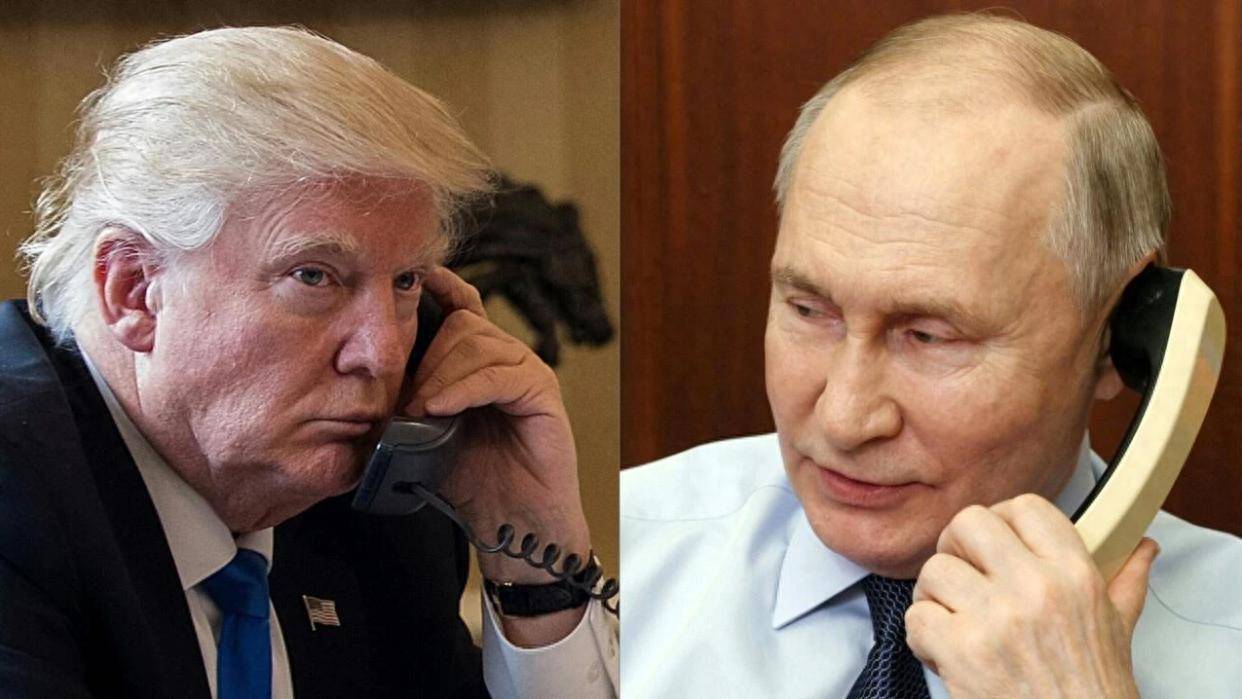
干邑白兰地

Search documents
刚拿到好处就变脸,马克龙威胁:若中国不降逆差,欧洲可能加关税
Sou Hu Cai Jing· 2025-12-08 11:50
Group 1 - Macron's visit to China from December 3 to 5 resulted in significant economic cooperation, including a €16 billion procurement agreement between COMAC and Airbus, and an increase in France's electric vehicle import quota from 50,000 to 120,000 units annually [3][5] - The EU's trade deficit with China is projected to reach a record high, surpassing that with the US, with China's trade surplus with the EU expected to surge to $310 billion from October 2024 to October 2025 [8][10] - Since 2019, China's trade surplus with the EU has nearly doubled, while its trade surplus with the US has contracted due to tariff policies, indicating a structural shift in trade dynamics [8][10] Group 2 - Goldman Sachs has raised its GDP growth forecast for China from 2025 to 2027, warning that China's strong export-driven growth may come at the expense of other high-tech producers in Europe [12] - Macron's threats of tariffs on Chinese goods reflect internal EU divisions, particularly with Germany, which has a high dependency on China and has seen a 9% decline in exports to China since 2019 [14][21] - Germany's manufacturing jobs have decreased by nearly 7% since 2019, with about 500,000 industrial jobs lost, partly due to competitive pressures from China [16]

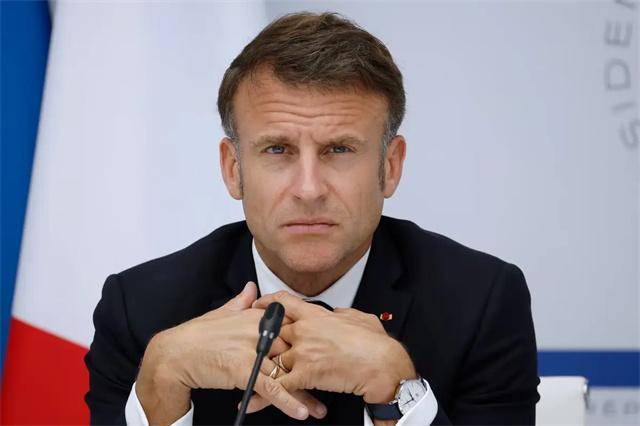
大众宝马奔驰等德国车被迫涨价但仍亏损
news flash· 2025-05-25 11:57
Group 1 - The core point of the article highlights President Trump's threat to impose a 50% tariff on goods imported from the EU, significantly impacting industries such as the German automotive sector [1] - In 2024, 13.1% of new cars exported from Germany are destined for the US market, indicating the importance of this market for German automakers [1] - Major car manufacturers like Porsche, BMW, Volkswagen, and Mercedes-Benz, which have production lines concentrated in Europe, may need to raise prices to cope with the high tariffs, potentially leading to losses [1] Group 2 - The US market is the largest export destination for French cognac, accounting for over 50% of its global sales, making it highly vulnerable to tariff changes [1] - If a 50% tariff is imposed, the French cognac industry could face annual losses exceeding 2 billion euros, with some wineries possibly exiting the US market permanently [1]
美加征关税重创欧洲多个产业 保时捷、宝马很“受伤”
Sou Hu Cai Jing· 2025-05-25 10:44
Group 1 - The U.S. President Trump threatens to impose a 50% tariff on EU imports starting June 1, significantly higher than the previously announced 20% tariff, causing turmoil in capital markets [1] - The German automotive industry is particularly affected, with 13.1% of new cars exported to the U.S. in 2024, leading to significant stock price declines for major companies like Porsche, BMW, Volkswagen, and Mercedes-Benz [1] - The French cognac industry faces severe challenges, as the U.S. market accounts for over 50% of global sales, with potential losses exceeding 2 billion euros annually if the 50% tariff is implemented [1] Group 2 - The French cosmetics industry is at risk, with the U.S. being the largest export market outside the EU, generating approximately 2.5 billion euros annually, and overall European cosmetics exports to the U.S. exceeding 18 billion euros [1] - The German chemical and pharmaceutical sectors have lowered their business expectations due to the unstable U.S. tariff policies, which reduce export opportunities for chemical products and raise concerns for pharmaceutical companies [2]
美欧关税战若升级 德国或面临2500亿欧元损失
Xin Hua Wang· 2025-05-25 02:10
Group 1: Economic Impact on Germany - The proposed 50% tariff on EU imports could lead to a cumulative loss of €200 billion for the German economy from 2025 to 2028, potentially increasing to €250 billion if the EU retaliates [3][4] - The German GDP is expected to decline by 0.1% this year due to the tariffs [3] - The automotive industry, a key sector in Germany, is particularly vulnerable, with 13.1% of new car exports going to the US in 2024 [7] Group 2: Industry-Specific Concerns - The automotive sector may face significant challenges, with companies like Porsche potentially increasing prices to offset tariffs, risking losses [7] - The French cognac industry, which relies on the US market for 50% of its global sales, could be severely impacted if tariffs are implemented [7] - Other European industries, including machinery, aerospace, chemicals, and pharmaceuticals, are also expected to suffer heavy losses due to high tariffs [11] Group 3: EU Response and Trade Relations - The EU has expressed strong dissatisfaction with the proposed tariffs, emphasizing the need for mutual respect in trade agreements [8] - EU officials have indicated that they will not make concessions on key issues and are prepared to respond to US tariffs [8] - The ongoing trade tensions are likely to create further uncertainty in the global economy, with potential negative impacts on both US and EU markets [9][11]
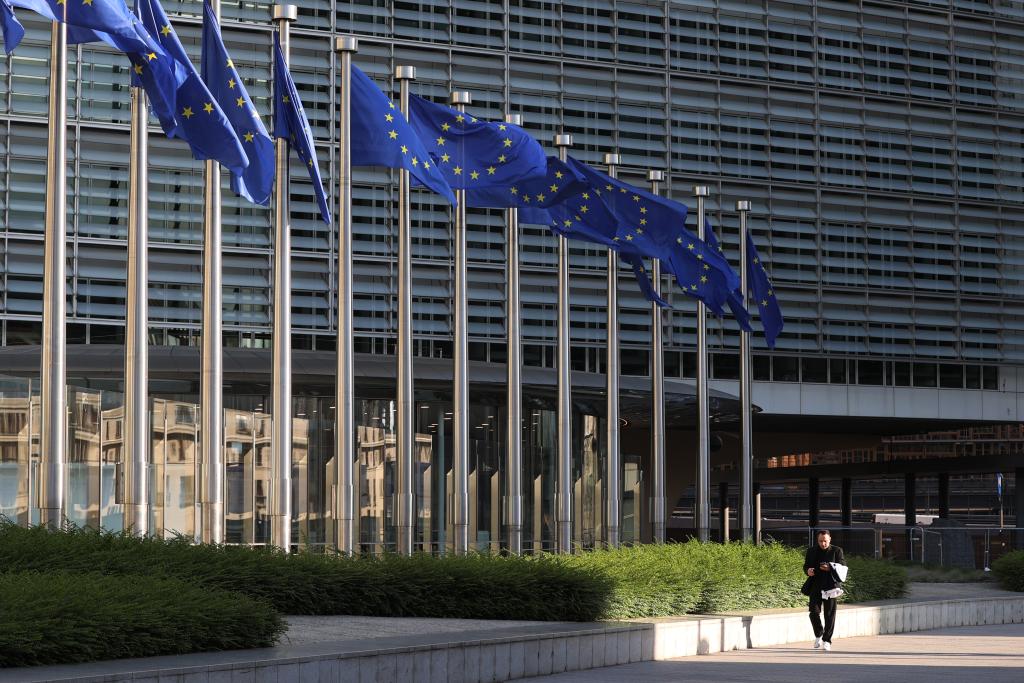
美国关税大棒下 欧洲多行业恐陷生存危机
Xin Hua She· 2025-05-24 14:06
Group 1: Automotive Industry - The automotive sector in Germany is significantly impacted by the US tariff policy, with major companies like Porsche, BMW, Volkswagen, and Mercedes-Benz experiencing stock price declines of over 3% [2] - In 2024, 13.1% of new cars exported from Germany are destined for the US, making the industry vulnerable to tariff increases [2] - Porsche, lacking a production base in the US, faces potential losses as 30% to 40% of its vehicles are exported from Germany, leading to increased prices to offset tariffs [2][5] Group 2: Spirits Industry - The French Cognac industry could face severe challenges if the US imposes a 50% tariff, as the US is the largest export market, accounting for over 50% of global sales [7] - The potential tariff could result in annual losses exceeding 2 billion euros for the French Cognac sector, with some producers possibly exiting the US market permanently [7] Group 3: Cosmetics Industry - The French cosmetics industry relies heavily on the US market, which is its largest export destination outside the EU, with annual exports valued at approximately 2.5 billion euros [10] - The imposition of tariffs could exacerbate competition from other global cosmetics exporters, putting the competitiveness of European, particularly French, cosmetics at risk [10] Group 4: Chemical Industry - The German chemical and pharmaceutical sectors are facing declining business expectations due to the uncertainty surrounding US tariff policies, which may reduce export opportunities [11][13] - The German Chemical Association is focusing on developing internal EU markets and other markets to mitigate the impact of US tariffs [11][13]
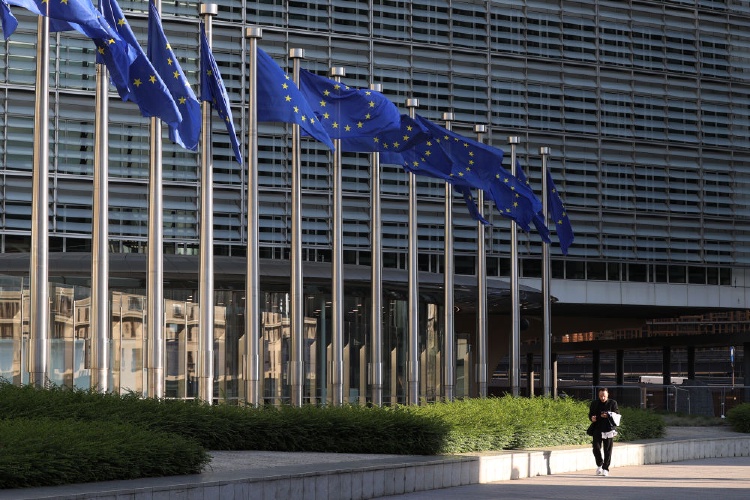
法国一通电话打到北京,替马克龙捎了句话,不想跟中方打关税战?
Sou Hu Cai Jing· 2025-03-25 06:17
Core Points - France is actively seeking to avoid a trade war with China, as indicated by a recent phone call from French President Macron's foreign affairs advisor to Chinese Foreign Minister Wang Yi, emphasizing the need for dialogue to resolve economic disputes [3][5] - The backdrop of this communication includes previous tensions where the EU imposed unreasonable tariffs on Chinese electric vehicles, which France had a significant role in instigating [3][5] - The pressure on France to engage with China also stems from domestic business groups urging the government to mitigate escalating trade tensions, particularly in light of potential tariffs from the US [5][7] Economic Context - The EU is currently facing economic pressures not only from internal disputes but also from external threats, particularly from the US regarding tariffs, prompting France to take a proactive stance in its trade relations with China [5][7] - The French cognac industry has been particularly vocal in urging the government to negotiate with China to prevent further economic fallout from trade disputes [5] Geopolitical Implications - The conversation between France and China also touched upon the ongoing situation in Ukraine, with both parties expressing a desire for a fair and sustainable peace agreement, highlighting a shared interest in regional stability [5][7] - The current geopolitical landscape, characterized by the US's direct negotiations with Russia, has left Europe feeling sidelined, which may influence its future diplomatic strategies [7][9]