技术产品

Search documents
特朗普:美印达成贸易协议,将降低印度关税,莫迪同意停购俄油
Sou Hu Cai Jing· 2026-02-02 22:52
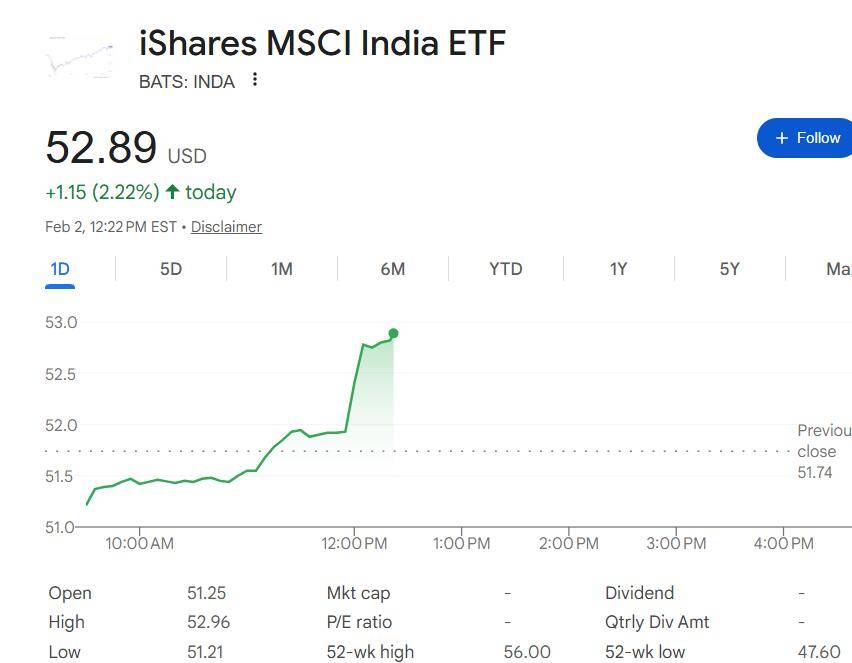
Core Insights - The United States and India have made significant progress in tariff negotiations, with President Trump announcing a trade agreement that will lower tariffs between the two countries [1][3] - The agreement includes a reduction of U.S. tariffs on Indian goods from 25% to 18%, while India will also lower its tariffs and non-tariff barriers to zero [1][3] - India has committed to purchasing over $500 billion worth of U.S. products, including energy, technology, and agricultural goods [1][3] Trade Agreement Details - The trade agreement marks a major turnaround in U.S.-India trade relations, which had been strained since August 2025 due to tariffs imposed over India's purchase of Russian oil [3][5] - The agreement is expected to open a new chapter in bilateral trade and impact the global energy market [3] - The U.S. has agreed to cancel the 25% additional tariff on Indian goods related to the purchase of Russian oil [3][5] Economic Impact - Following the announcement, Indian assets saw a rise, with the INDA ETF increasing by over 2% and the Gift Nifty index futures rising by 3.8% [1] - The bilateral trade agreement aims to double the current trade volume from $191 billion to $500 billion by 2030 [5] Energy Procurement - The diversification of energy procurement is a key aspect of the agreement, with India expected to reduce its imports of Russian oil significantly [7][8] - India is also looking to resume oil purchases from Venezuela as part of its strategy to diversify its energy sources [7] Diplomatic Engagement - Frequent interactions between U.S. and Indian officials have facilitated the progress of the trade agreement [4][5] - The agreement is seen as a result of ongoing negotiations that began in February 2025, with multiple discussions between the leaders of both countries [6]

特朗普称莫迪同意停止购买俄罗斯石油
Sou Hu Cai Jing· 2026-02-02 20:07
Group 1 - The core point of the article is the announcement of a trade agreement between the United States and India, which includes significant tariff reductions and increased procurement of American products by India [4] Group 2 - The U.S. will reduce its "reciprocal tariffs" on India from 25% to 18%, while India will lower its tariffs and non-tariff barriers to potentially zero [4] - India is expected to significantly increase its purchases of U.S. products, including over $500 billion worth of energy, technology, agricultural products, coal, and more [4] - India has agreed to stop purchasing oil from Russia and will increase its oil imports from the U.S., with potential purchases from Venezuela as well [4]
美国对外关税政策不定 白银期货行情利多
Jin Tou Wang· 2025-07-22 03:40
Group 1: Silver Market Performance - The main silver futures contract in Shanghai closed at 9249 yuan per kilogram, up 1.00%, with an intraday high of 9437 yuan and a low of 9301 yuan [1] - COMEX silver closed at 39.24 USD per ounce, up 2.12%, with an intraday high of 39.38 USD and a low of 38.37 USD [1] Group 2: COMEX Silver Inventory Data - As of July 21, 2025, COMEX silver inventory was 15478.52 tons, equivalent to approximately 497,645,563 ounces [2] - The inventory increased from 15466.03 tons on July 18, 2025, indicating a rise in silver stock levels [2] Group 3: Trade Relations and Tariffs - Indonesia is negotiating details of a new trade agreement with the U.S., with recent tariff rates on Indonesian exports reduced from 32% to 19% [2] - Indonesia is seeking exemptions for its exports of palm oil and nickel, along with other commodities like cocoa and rubber [2] - The U.S. is considering imposing tariffs of at least 15% to 20% on any agreements reached with the EU, while maintaining a 25% tariff on Japanese automobiles [3]
一场关税战,打出了一个“后美国时代”,中国式破局引发全球瞩目
Sou Hu Cai Jing· 2025-05-13 11:31
Group 1 - The Trump administration imposed significant tariffs on China, with an overall increase of 145% and specific tariffs reaching 245%, citing a trade surplus as justification [1] - The U.S. has a projected export value of approximately $140.7 billion to China in 2024, but these goods are subject to at least 125% tariffs, severely limiting market access [3] - Trump's suggestion to lower tariffs is seen as a strategic move to stimulate the U.S. stock market and appease key supporters in agriculture and automotive sectors [5] Group 2 - The trade conflict highlights the challenges of U.S. unilateralism and accelerates the restructuring of global supply chains and changes in the multilateral trade system [8] - Trump's tariff strategy aims to increase government revenue and encourage manufacturing to return to the U.S., but these goals are difficult to achieve and may lead to larger issues [8]