
日产汽车

Search documents
受多重因素影响 日产预计2025财年出现巨额亏损
Jing Ji Guan Cha Wang· 2026-02-13 04:37
Core Viewpoint - Nissan Motor Company is expected to report a net loss of 650 billion yen, approximately 33 billion yuan, for the fiscal year 2025, marking the second consecutive year of significant losses due to multiple factors including U.S. tariffs [1] Financial Performance - For the fiscal year 2024, Nissan reported a net loss of 670.9 billion yen, around 34 billion yuan [1] - The company anticipates global vehicle sales to decline to 3.2 million units in fiscal year 2025 [1] Factors Impacting Performance - The company's profits are severely impacted by a decline in global sales, substantial layoff costs, and the effects of U.S. tariff policies [1]

日本制造,拼命撤出中国?背后不简单
商业洞察· 2026-01-06 09:23
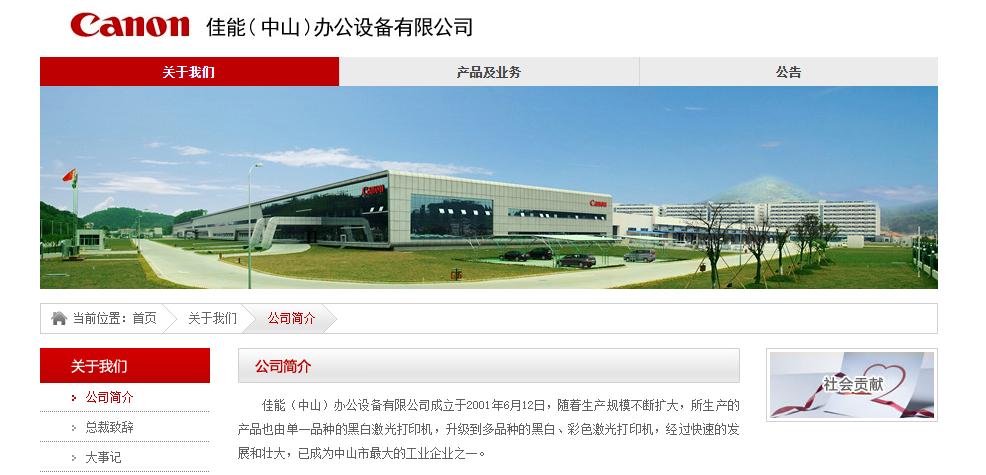
Core Viewpoint - Japanese companies are facing significant challenges in the Chinese market, leading to closures and exits from various sectors, but they are simultaneously increasing investments in high-end technology and local operations in China [4][22][29]. Group 1: Company Closures and Exits - Canon has closed its printer production base in Zhongshan, which was once a major manufacturing hub, reflecting a significant decline in its market presence [5]. - Nissan announced the closure of its Wuhan factory, which had a low production utilization rate of only 3%, leading to its acquisition by another company [6]. - Mitsubishi has completely exited the Chinese automotive market after over 40 years of operation, ceasing its vehicle production [6]. - Sony has officially withdrawn its Xperia smartphone business from China, indicating a strategic retreat from the market [6]. - Yakult closed its first factory in Guangzhou after experiencing a drastic drop in sales, with daily sales nearly halving compared to previous years [6]. Group 2: Market Dynamics and Competition - The decline of Japanese brands in China is attributed to the rapid advancement of domestic brands, which have overtaken their Japanese counterparts in various sectors [11][12]. - Japanese companies have been slow to adapt to market changes, relying heavily on their brand reputation and quality, which has diminished due to various scandals [14][17]. - The local adaptation of Japanese companies has lagged, with many failing to incorporate local consumer preferences into their product offerings [19][20]. Group 3: Strategic Shifts and Investments - Despite the closures, Japanese investment in China has surged, with a 55.5% year-on-year increase in the first three quarters of this year, leading all countries [23]. - Companies like Toyota are making significant investments in high-end technology, such as establishing a wholly-owned electric vehicle company in Shanghai [24]. - Panasonic is investing in semiconductor packaging materials in Shanghai, indicating a strategic focus on critical supply chains amid global competition [28]. - The overall trend shows a "K-shaped differentiation," where low-end capacities are exiting while high-end investments are increasing, reflecting a strategic shift in how Japanese companies view the Chinese market [29].


日本制造,拼命撤出中国?背后不简单
3 6 Ke· 2025-12-29 12:23
Core Viewpoint - Japanese companies are facing significant challenges in the Chinese market, leading to closures and exits from various sectors, but they are simultaneously increasing investments in high-end technology within China [1][9][23]. Group 1: Company Closures and Exits - Canon has closed its printer production base in Zhongshan, which was once a significant employment hub, producing millions of laser printers and generating nearly 3.2 billion in industrial output in 2022 [1][4]. - Nissan announced the closure of its Wuhan factory, which had a production capacity of 300,000 vehicles per year but struggled with low sales, achieving only 3% utilization [5]. - Mitsubishi has completely exited the Chinese automotive market after over 40 years, ceasing its joint engine project and halting vehicle production [5][7]. - Sony has officially withdrawn its Xperia smartphone business from China, and Yakult has closed its first factory in Guangzhou due to a significant drop in sales [6][7]. Group 2: Market Dynamics and Competition - The decline of Japanese brands in China is attributed to the rapid advancement of domestic brands, which have overtaken their Japanese counterparts in market share [9][11]. - Japanese companies have been slow to adapt to market changes, relying heavily on brand reputation and quality premiums, which have diminished due to various scandals [13][15]. - The market share of Japanese cars in China has dropped from nearly 25% in 2020 to 11.2% last year, while domestic brands dominate the appliance and electronics sectors [12]. Group 3: Strategic Shifts and Investments - Despite the closures, Japanese investment in China has surged, with a 55.5% year-on-year increase in the first three quarters of this year, indicating a strategic pivot towards high-end technology [17][23]. - Toyota has invested $2 billion to establish a wholly-owned electric vehicle company in Shanghai, marking a shift from joint ventures to direct investment in high-end technology [19]. - Panasonic is focusing on semiconductor packaging materials in Shanghai, reflecting a commitment to the Chinese market as a critical battleground for global electronics manufacturing [22]. Group 4: Future Outlook - The current situation represents a significant restructuring of Japanese companies in China, moving away from low-end production towards high-end sectors, indicating a fundamental strategic shift [23][24]. - Companies that can innovate and localize effectively are likely to thrive in the competitive Chinese market, which is seen as a global strategic high ground rather than just a low-cost manufacturing base [24][25].
半年亏损2219亿日元 日产计划45亿元卖掉全球总部大楼 敏实集团接手
Xin Lang Cai Jing· 2025-11-07 05:46
Core Points - Nissan has agreed to sell its global headquarters building in Yokohama for 97 billion yen (approximately 4.5 billion yuan) to a consortium supported by the automotive parts manufacturer Minth Group, which is listed in Hong Kong [1] - The headquarters building, located near Yokohama Station, was moved from Tokyo in 2009 and includes office space as well as a showroom for Nissan vehicles [1] - Nissan reported a net loss of 221.92 billion yen for the first half of the fiscal year 2025 (April to September), compared to a profit of 19.22 billion yen in the same period last year [1]
陈唱国际(00693.HK)7月31日收盘上涨8.96%,成交9.15万港元
Sou Hu Cai Jing· 2025-07-31 08:26
Group 1 - The core viewpoint of the news highlights the performance of Chen Chang International, which has shown significant stock price appreciation and financial results despite a decline in total revenue [1][2]. - As of July 31, the Hang Seng Index fell by 1.6%, while Chen Chang International's stock price increased by 8.96%, closing at 1.46 HKD per share [1]. - Over the past month, Chen Chang International has achieved a cumulative increase of 24.07%, and a year-to-date increase of 38.16%, outperforming the Hang Seng Index by 25.51% [2]. Group 2 - Financial data indicates that for the year ending December 31, 2024, Chen Chang International reported total revenue of 11.759 billion HKD, a year-on-year decrease of 8.15%, while net profit attributable to shareholders was 444 million HKD, reflecting a year-on-year increase of 70.97% [2]. - The company's gross profit margin stands at 19.82%, and its debt-to-asset ratio is 48.61% [2]. - In terms of industry valuation, Chen Chang International has a price-to-earnings ratio of 5.63, ranking second in its sector, with the average price-to-earnings ratio for the professional retail industry at -4.95 [3]. Group 3 - Chen Chang International is the exclusive distributor of Nissan vehicles in Singapore and Subaru vehicles in both Singapore and Hong Kong, in addition to being the sole distributor of Nissan diesel heavy commercial vehicles and industrial machinery in Singapore and Brunei [3]. - The company also engages in automotive leasing, tire distribution, and property investment and development [3].
5年来首次第一财季亏损,日产汽车预警:下一季度不会有所好转
第一财经· 2025-07-30 15:50
Core Viewpoint - Nissan Motor is facing a continuous loss crisis, reporting a significant decline in sales and a net operating loss for the first quarter of the fiscal year 2025 [1][2]. Group 1: Financial Performance - In the first quarter of fiscal year 2025 (April 1, 2025 - June 30, 2025), Nissan's global retail sales reached 707,000 units, a year-on-year decrease of 10.1% [1]. - The net sales amounted to 2.7 trillion yen, down 9.7%, and the operating loss was 79.1 billion yen, marking the first loss in the first quarter since 2020 [1]. - For the previous fiscal year, Nissan reported global sales of 3.346 million units and a net loss of 670.9 billion yen [2]. Group 2: Future Outlook - Nissan has adjusted its semi-annual forecast, expecting net sales of 5.5 trillion yen and a loss of 180 billion yen for the second quarter (July-September 2025), indicating no improvement in sales and profits compared to the first quarter [2]. - Despite the adjustments, the company maintains its annual sales forecast at 12.5 trillion yen [3]. Group 3: Production Capacity Reduction - Nissan is implementing a strategy to reduce production capacity by 20% by the fiscal year 2026, aiming to cut global production from 3.5 million units to 2.5 million units [3]. - The company plans to consolidate production from the CIVAC plant to the Aguascalientes facility in Mexico, with the CIVAC plant set to cease operations by the end of fiscal year 2025 [3]. - Additionally, Nissan's Yokosuka plant in Kanagawa, Japan, will end vehicle production by the end of fiscal year 2027, with production shifting to its subsidiary Nissan Motor Kyushu [3]. Group 4: Market Position - In the recently released Fortune Global 500 list, Nissan's ranking dropped from 136 to 150 [4].
210日企赴粤“相亲:AI、机器人和低空经济成”最靓的仔“
2 1 Shi Ji Jing Ji Bao Dao· 2025-06-14 03:06
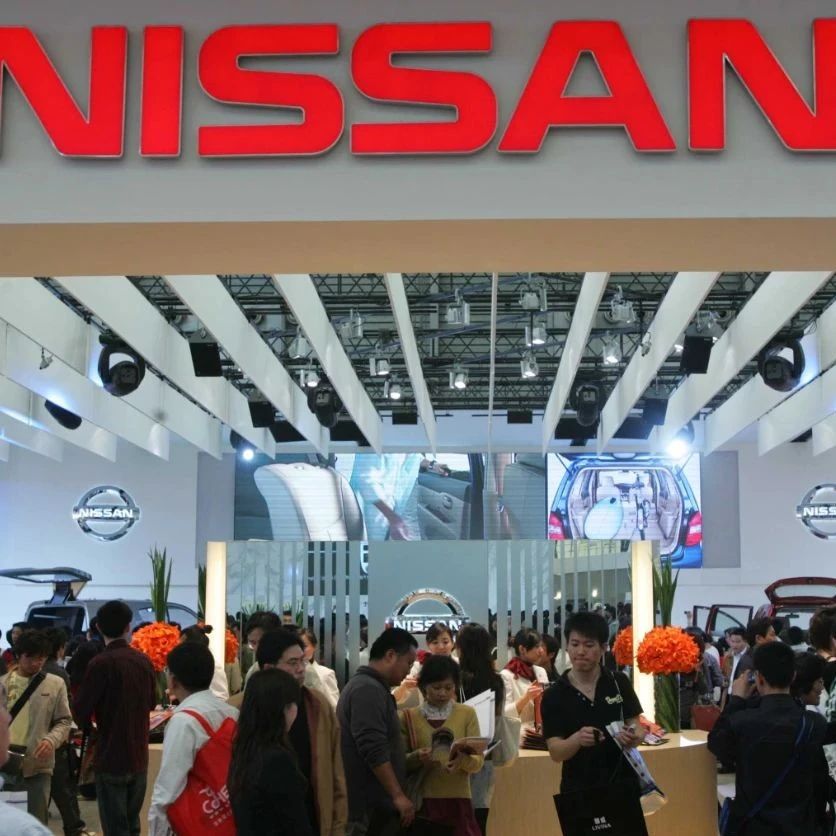
Group 1 - A high-profile "matchmaking event" was held in Guangzhou, where 210 Japanese companies explored investment opportunities in Guangdong across five key industries: low-altitude economy, artificial intelligence, automotive, biomedicine and health, and commercial services [1][2] - Guangdong is the province with the closest cooperation with Japan, having the largest trade scale and the most Japanese investment in China, with a total import and export value of 144.7 billion yuan in the first four months of this year, a year-on-year increase of 5.36% [1][3] - The province aims to attract more Japanese companies to establish regional headquarters and R&D centers, enhancing deep integration of industrial and supply chains [2][5] Group 2 - Japan has invested a total of 17 billion USD in Guangdong, with 3,155 Japanese enterprises established in the province since the reform and opening up [3][4] - The cooperation between Guangdong and Japan is evolving from "Japanese R&D + Guangdong manufacturing" to deeper industrial collaboration and high-end integration, covering advanced industries such as healthcare and biotechnology [3][6] - During the event, 68 projects were signed, with a total amount exceeding 116.6 billion yuan, involving many leading Japanese enterprises [3][5] Group 3 - The event highlighted the importance of collaboration between Chinese and Japanese companies in the face of global economic uncertainties and geopolitical risks [4][5] - Guangdong is promoting the development of low-altitude economy and artificial intelligence applications, providing market space for new technologies and products from Japanese companies [8][9] - The province has formed several internationally competitive industrial clusters, such as electronic information and automotive industries, each with an output value exceeding one trillion yuan [8]

日产考虑卖掉横滨总部大楼,用于经营重建
日经中文网· 2025-05-31 08:00
Core Viewpoint - Nissan is considering selling its headquarters building in Yokohama, Japan, valued at over 100 billion yen, to reduce high operational costs associated with its factories, proposing a "sale and leaseback" arrangement to continue using the facility after the sale [1]. Group 1 - Nissan plans to reduce its global manufacturing footprint by closing seven factories, including two in Japan and several overseas, aiming to cut fixed and variable costs by a total of 500 billion yen compared to the 2024 fiscal year [2]. - The company reported a loss of 670.8 billion yen for the 2024 fiscal year, marking its first loss in four years and the third-highest loss in its history, influenced by U.S. tariff policies [2]. - The workforce reduction will exceed 20,000 employees, with an increase of over 10,000 from previous estimates, as part of the restructuring efforts [2].
美国国家公路交通安全管理局:日产北美公司正在召回171,381美国车辆,因后视摄像头图像变形可能会降低驾驶员对车辆后方的视野,从而增加发生碰撞的风险。
news flash· 2025-05-29 09:08
Group 1 - The National Highway Traffic Safety Administration (NHTSA) has announced that Nissan North America is recalling 171,381 vehicles in the U.S. due to a potential issue with the rearview camera image distortion [1] - The distortion may reduce the driver's visibility of the area behind the vehicle, thereby increasing the risk of collisions [1]
陈唱国际(00693.HK)5月20日收盘上涨12.15%,成交6.02万港元
Sou Hu Cai Jing· 2025-05-20 08:27
Company Overview - Chen Chang International (00693.HK) closed at HKD 1.2 per share, up 12.15% with a trading volume of 51,000 shares and a turnover of HKD 60,200 [1] - The company is the exclusive distributor of Nissan and Subaru vehicles in Singapore and Hong Kong, and also distributes Nissan diesel heavy commercial vehicles and industrial machinery in Singapore and Brunei [2] Financial Performance - For the fiscal year ending December 31, 2024, Chen Chang International reported total revenue of HKD 11.759 billion, a year-on-year decrease of 8.15% [2] - The net profit attributable to shareholders was HKD 444 million, showing a significant year-on-year increase of 70.97% [2] - The gross profit margin stood at 19.82%, while the debt-to-asset ratio was 48.61% [2] Stock Performance - Over the past month, Chen Chang International has seen a cumulative increase of 9.18%, while year-to-date, the stock has risen by 4.9%, underperforming the Hang Seng Index which has increased by 16.31% [2] - The company's price-to-earnings (P/E) ratio is 4.49, ranking second in the professional retail industry, which has an average P/E ratio of 4.62 [2] Industry Context - The professional retail industry has a median P/E ratio of -0.28, with other companies in the sector showing varied P/E ratios, such as Baoguang Industrial (0.19), Baosheng International (5.4), and Chow Sang Sang (6.23) [2]