
智慧农业平台

Search documents
挥“农”墨于岭南大地,执“工”笔绘“两业融合”新篇
Nan Fang Nong Cun Bao· 2026-02-24 03:06
Core Viewpoint - Guangdong is focusing on high-quality development through the integration of manufacturing and service industries, aiming to transition from scale to quality leadership in its economy [11][12][13]. Group 1: Economic Strategy - Guangdong has been the "first engine" of the national economy for 37 consecutive years and is strategizing to maintain its leadership in the "14th Five-Year Plan" period [7][9]. - The 2026 Guangdong High-Quality Development Conference will emphasize the collaborative development of manufacturing and service industries [11]. Group 2: Industry Integration - The province is implementing measures to promote the deep integration of manufacturing and productive services, with a focus on transforming from "manufacturing" to "intelligent manufacturing" [25][30]. - Guangdong's agricultural sector is evolving by integrating agricultural equipment manufacturing with socialized agricultural services, enhancing production relationships and value chains [33][34]. Group 3: Talent Development - Guangdong is prioritizing "investment in people," emphasizing the integration of human resources with manufacturing to drive long-term economic development [73][75]. - The province is cultivating "new farmers" and rural leaders through various training programs, such as the "Rural CEO" training initiative [83][86]. Group 4: Cultural and Consumer Experience - The integration of manufacturing and service industries is redefining "Guangdong goods," transforming products into cultural experiences and consumption scenes [116][118]. - Industrial design is becoming a key driver for high-quality development, with initiatives like the "Mayor's Cup" Industrial Design Competition promoting innovation [120][123]. Group 5: Agricultural Innovation - The establishment of smart farms in Guangdong is showcasing the collaboration between manufacturing and technology services, with examples of fully automated agricultural processes [46][49]. - The province is leveraging modern logistics and digital marketing to enhance the agricultural value chain, as seen in the case of lychee production in Maoming [128][130].


“AI侦察兵”守护万亩农田
Xin Hua Ri Bao· 2026-01-27 21:52
Core Insights - The article highlights the advancements in smart agriculture through the use of drones and AI technology in Sheyang, Jiangsu Province, showcasing significant efficiency improvements in crop management [1][2] Group 1: Technology Implementation - The deployment of 7 drones in the Su Keng Agricultural Development Smart Agriculture Technology Park has increased efficiency in field monitoring by 3 to 5 times compared to traditional manual methods [1] - Drones equipped with advanced sensors capture spectral information from crops, enabling precise identification of growth anomalies and generating detailed "health reports" for field management [1] Group 2: Agricultural Innovation - The integration of a comprehensive platform, referred to as "one map, one cloud, one network," supports a closed-loop system for farming operations, enhancing resource utilization and crop yield [2] - Continuous investment in scientific innovation and collaboration with academic institutions has led to the establishment of key laboratories and innovation consortia, focusing on AI agriculture and unmanned farming technologies [2] Group 3: Future Outlook - The company aims to further enhance agricultural productivity by deepening the integration of AI and smart equipment, positioning itself as a benchmark in the industry and contributing to food security [2]

(走进中国乡村)科技赋能中国粮仓 “冬闲”变“冬忙”
Zhong Guo Xin Wen Wang· 2025-12-11 08:44
Core Viewpoint - The article highlights the transformation of traditional agriculture in Hunan Province, China, through technological empowerment, leading to a shift from a "winter idle" period to a "winter busy" season for farmers [1]. Group 1: Technological Empowerment in Agriculture - Hunan Province, a major grain-producing area, utilizes technology to enhance agricultural productivity, with a focus on smart agriculture platforms that provide real-time monitoring data [5]. - The mechanization of agriculture has led to a significant increase in efficiency, with the comprehensive mechanization rate for crops reaching 60.8% [6]. - The integration of smart machinery and digital management in rice production can save water by 30% per acre and reduce fertilizer costs while increasing yields [6]. Group 2: Economic Impact and Youth Engagement - The shift to year-round agricultural management has changed the perception of farming among the youth, attracting more young people back to rural areas [5]. - E-commerce training initiatives are helping farmers expand their sales channels, allowing them to connect directly with broader markets and achieve better prices for their products [5]. - The establishment of high-standard farmland has reached 4,397 million acres during the 14th Five-Year Plan period, contributing to the overall modernization of agriculture in Hunan [6].

今日快评丨智慧农业“最后一公里”谁来走——以实干实绩贯彻落实省委十一届十次全会精神①
He Nan Ri Bao· 2025-11-30 23:50
Core Insights - The article emphasizes the importance of modernizing agriculture in China, highlighting that agricultural modernization is essential for the overall modernization of the country [1][2] - The development of smart agriculture is positioned as a key strategy to enhance agricultural productivity and efficiency, transforming traditional practices into data-driven approaches [2][3] Group 1: Agricultural Modernization - The "14th Five-Year Plan" suggests that agricultural and rural modernization is crucial for the overall quality of China's modernization [1] - The call for building a strong agricultural province in Henan reflects a significant opportunity and responsibility for the region to transition from a large agricultural base to a strong one [1] Group 2: Smart Agriculture - Smart agriculture is characterized by precision, where data replaces traditional methods for assessing soil conditions and crop health, leading to more accurate farming practices [2] - The use of technology, such as sensors and AI, allows for real-time monitoring and analysis, significantly improving efficiency in agricultural processes [2] Group 3: Farmer Engagement and Education - The transition to smart agriculture requires farmers to understand and utilize technology effectively, indicating a need for education and hands-on experience [3] - Empowering farmers to become active participants in agricultural modernization is essential, as their engagement will harness collective wisdom and innovation [3]

摆脱“看天吃饭”,迈向“知天而作” 智慧农田带来“耕种管收”全程智能化
Zhen Jiang Ri Bao· 2025-11-17 23:41
Core Insights - The Qinglv Smart Agricultural Project in Jiepai Town, Danyang City has transitioned from construction to operation, showcasing a modern agricultural model that utilizes technology for efficient farming [1][2] - The project, covering approximately 1000 acres with a total investment of 33 million yuan, aims to achieve full-process intelligence in farming, integrating cloud computing and big data [2][3] Group 1: Project Overview - The Qinglv Smart Agricultural Project is designed to create a modern digital agricultural industrial park focused on rice, wheat, and oil production [2] - The core hardware facilities have been completed, and the smart agricultural platform is operational, enabling efficient management of agricultural activities [2][3] Group 2: Technological Integration - The project employs a network of sensors, cameras, and IoT devices to collect critical data on soil, climate, and pests, facilitating real-time monitoring and management [2][3] - The shift from traditional observation methods to data-driven approaches enhances decision-making and operational efficiency in agricultural practices [3] Group 3: Future Implications - The project aims to serve as a demonstration site, with plans to extend its benefits to approximately 6000 acres of farmland in the surrounding area [3] - The initiative is positioned as a key driver for regional agricultural modernization, promoting smart, digital, and precise farming practices among local farmers [3]
解码兵团高质量发展路径:科技赋能谋创新,出疆出海拓发展
Xin Lang Cai Jing· 2025-11-03 12:00
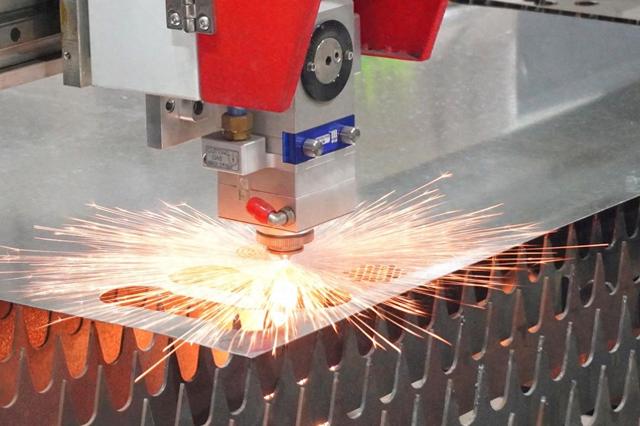
Core Insights - The article highlights the transformation of Xinjiang Production and Construction Corps (XPCC) through technological innovation and digital agriculture, showcasing a shift towards high-quality development in the region [1][3][13] Technological Innovation - Tianshan Laser Intelligent Technology Co., Ltd. has developed a laser big data platform with a comprehensive process database covering 33 types of engineering materials, connecting over 1,500 devices and forming more than 8,000 process parameter combinations [3] - The company has invested 137 million yuan and has successfully assisted over 30 enterprises in integrating laser technology with traditional processes, significantly enhancing productivity and reducing energy consumption [3] Digital Agriculture - Jiangtian Technology focuses on creating a fully traceable agricultural system and big data services, utilizing drones for real-time monitoring of soil moisture and crop growth [6] - The company has developed 26 proprietary technologies and was recognized as a national high-tech enterprise in 2019, indicating its commitment to advancing digital agriculture [6] Regional Collaboration - The integration of resources between the XPCC and local communities is exemplified by Xinye Energy, which employs over 1,800 workers and has established a circular economy system combining coal chemical, clean energy, and fine chemicals [5][8] - The collaboration has resulted in stable employment opportunities and has driven regional industrial upgrades [5] Expansion and International Trade - The XPCC is actively building international logistics hubs and enhancing open platform construction to facilitate trade, particularly targeting Central Asia and Europe [9][11] - Tianshan Laser has secured orders from Kazakhstan and is exploring opportunities in Turkey, indicating a strategic focus on international markets [9] - The Xinjiang Tianheng International Automotive Cultural City is positioning itself as a key player in exporting domestic vehicles to Central Asia, having already exported 28 vehicles [9][11]
菏泽联通以数字技术赋能农业现代化谱写乡村振兴新篇章
Qi Lu Wan Bao· 2025-10-23 09:32
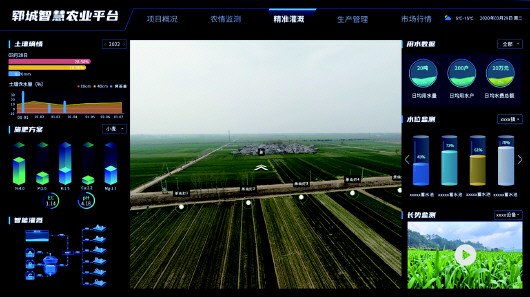
Core Viewpoint - The agricultural sector in Heze is undergoing a significant digital transformation, driven by China Unicom's implementation of smart agriculture initiatives that enhance productivity, increase farmers' income, and contribute to rural revitalization [2][8]. Group 1: Digital Transformation in Agriculture - Heze, a major agricultural city in Shandong Province, has historically relied on traditional farming methods, but is now embracing a data-driven approach to agriculture [3]. - China Unicom has established a "smart agriculture" platform that integrates various IoT devices to monitor environmental conditions and crop health, enabling farmers to make informed decisions based on real-time data [3][4]. - The platform covers 10,000 acres of high-standard farmland, providing farmers with a digital toolbox for efficient farming practices, including real-time updates on optimal planting strategies and weather conditions [4]. Group 2: Technological Integration - In Dongming County, the integration of 5G, AI, and SaaS technologies in watermelon cultivation has led to a sophisticated monitoring and control system that optimizes growing conditions [5]. - The AI algorithms used in the smart greenhouses allow for dynamic adjustments to irrigation and lighting, resulting in improved crop quality and reduced deformity rates by over 20% [5]. - A traceability system has been established for watermelons, providing consumers with detailed information about the production process, which enhances consumer trust and increases revenue by over 15% per watermelon [6]. Group 3: Enhanced Market Connectivity - In Caoxian, the use of 5G and gigabit broadband has transformed the asparagus supply chain, allowing for real-time live streaming of harvests to consumers, thereby increasing sales and consumer confidence [6][7]. - The asparagus planting area in Caoxian has reached 100,000 acres, accounting for 60% of the national total, with an annual production of 120,000 tons, showcasing the scale and quality of the industry [7]. Group 4: Improved Agricultural Management - The "digital greenhouse" system in Dingtao District allows for remote monitoring and intelligent adjustment of environmental conditions across over 300 greenhouses, significantly enhancing operational efficiency [7]. - Farmers report that digital tools have reduced their workload and improved their ability to respond to extreme weather conditions, leading to greater satisfaction and a sense of security in their agricultural practices [7]. Group 5: Future Outlook - China Unicom's initiatives in Heze represent a commitment to leveraging technology for agricultural modernization and rural revitalization, with plans to further enhance the application of 5G, IoT, big data, and AI in the agricultural sector [8].

科学田管充实“赣中粮仓”
Jing Ji Ri Bao· 2025-10-22 22:09
Core Insights - The agricultural sector in Nanchang is experiencing a bountiful harvest, with rice yields expected to exceed 1,000 kilograms per mu due to advanced farming techniques and technologies [1][2] - The implementation of precision agriculture and mechanization has significantly improved efficiency and productivity in rice farming [1] - Government support through subsidies and insurance policies has bolstered rice production and quality [2] Group 1: Agricultural Practices - The use of mechanized harvesting and advanced technologies such as drone spraying and precision fertilization has enhanced the efficiency of rice production [1] - The integration of high-quality seeds and advanced cultivation techniques has led to increased rice yields, with some varieties producing up to 1,200 jin per mu [1] Group 2: Government Support - Nanchang city has implemented a subsidy of 18 yuan per mu for early rice production, laying a solid foundation for late rice planting [2] - A total of 5.71 million yuan has been allocated for autumn grain production initiatives, including comprehensive insurance policies for rice farming [2]
新时代 新疆企业向新而行
Jing Ji Ri Bao· 2025-09-29 22:30
Group 1 - Xinjiang is leveraging technology to enhance its economic development, with enterprises adopting advanced machinery and smart agricultural platforms to improve efficiency and product quality [1][2] - The introduction of new production models is creating new demands and consumption scenarios, significantly boosting the tourism industry in Xinjiang, with projected visitor numbers exceeding 300 million in 2024 and a revenue increase of 21% [2] - Xinjiang's enterprises are increasingly focusing on global markets, driven by a shift in development philosophy and a commitment to innovation, resulting in a 21.8% growth in total import and export value in 2024 [3] Group 2 - Traditional industries in Xinjiang are being modernized, with new strategic emerging industries gaining prominence, such as the successful launch of the "Hongyan" drone by Tianyu Aviation Technology Co., Ltd. [2] - The region is developing various new tourism models, including ecological and low-altitude tourism, which are enhancing the attractiveness of Xinjiang as a travel destination [2] - The competitive landscape for Xinjiang enterprises is evolving, with a focus on international demand shaping product development and market strategies [3]
菏泽联通:以数字技术赋能农业现代化谱写乡村振兴新篇章
Qi Lu Wan Bao Wang· 2025-09-04 05:26
Core Viewpoint - The agricultural sector in Heze is undergoing a significant digital transformation, driven by China Unicom's implementation of smart agriculture initiatives that enhance productivity, increase farmers' income, and contribute to rural revitalization [1][10]. Group 1: Digital Transformation in Agriculture - Heze, a major agricultural city in Shandong Province, has historically relied on traditional farming methods, but is now embracing digital technologies to reshape production paradigms [3]. - China Unicom has established a "smart agriculture" platform in Heze, integrating IoT devices for real-time data collection on weather, soil conditions, and crop health, enabling farmers to make informed decisions [3][4]. - The platform covers 10,000 acres of high-standard farmland, providing farmers with a digital toolbox for efficient farming management through the "Hui Zhong Tian APP" [4]. Group 2: Technological Integration - In Dongming County, the integration of 5G, AI, and SaaS technologies in watermelon cultivation has created a comprehensive monitoring and control system, enhancing the quality and yield of the crops [6][7]. - The smart greenhouse system allows for precise adjustments in environmental conditions, resulting in improved watermelon quality and a reduction in deformity rates by over 20% [7]. - A full supply chain traceability system has been established, allowing consumers to access detailed growth data, thereby increasing trust and boosting sales by over 15% for individual watermelons [7]. Group 3: Market Access and Efficiency - In Caoxian, the use of 5G and gigabit broadband has transformed the asparagus industry, enabling real-time live streaming of harvests to consumers, which enhances trust and sales [8]. - The asparagus planting area has reached 100,000 acres, accounting for 60% of the national total, with an annual production of 120,000 tons [8]. - The digital infrastructure supports efficient order processing and supply chain management, allowing for rapid delivery from farm to table [8]. Group 4: Enhanced Farmer Welfare - The "digital greenhouse" system in Dingtao District provides remote monitoring and control of over 300 greenhouses, significantly reducing labor and improving disaster response capabilities [9]. - Farmers report increased ease of management and enhanced productivity due to automated systems that respond to environmental changes [9]. - The digital transformation in agriculture has led to greater farmer satisfaction and a sense of security in their livelihoods [9]. Group 5: Future Outlook - China Unicom's initiatives in Heze represent a commitment to leveraging technology for agricultural modernization and rural revitalization [10]. - The company plans to continue enhancing agricultural digitalization through the application of 5G, IoT, big data, and AI technologies, aiming to benefit more farmers and contribute to sustainable agricultural development [10].

