智能体工厂

Search documents
再获认可!三六零获评中国人工智能产业发展联盟“突出贡献单位”,领跑智能体产业化新赛道
Xin Lang Cai Jing· 2026-02-04 12:20
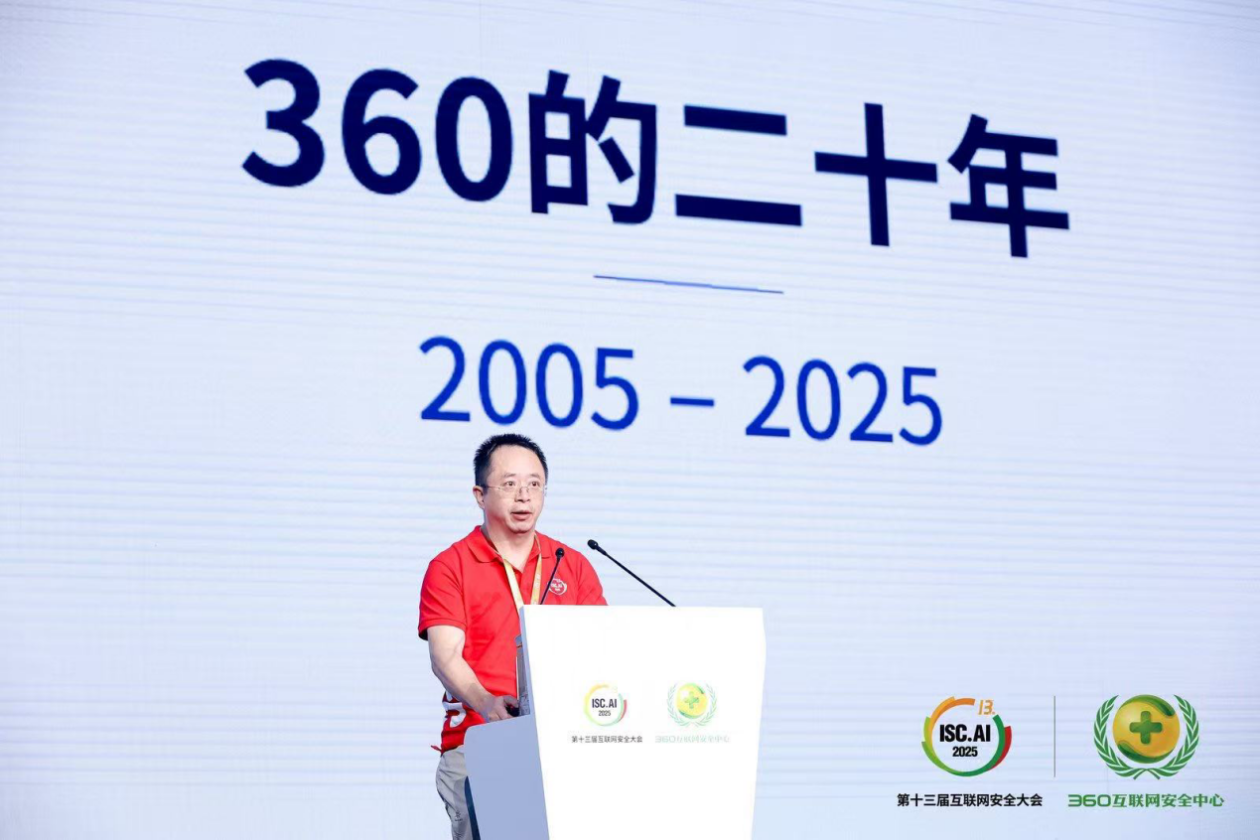
Core Viewpoint - The 360 Group has been awarded the title of "Outstanding Contribution Member Unit for 2025" by the China Artificial Intelligence Industry Development Alliance, recognizing its significant contributions in AI technology innovation, industrial implementation, and safety governance [1][8]. Group 1: Industry Recognition - The award reflects the acknowledgment of 360's ongoing efforts in the AI field and its role in promoting the integration of AI with the real economy [1][8]. - The China Artificial Intelligence Industry Development Alliance is supported by various government departments and aims to showcase the achievements of China's AI industry in terms of scale, technology, and application [3][10]. Group 2: Strategic Initiatives - 360 has proposed the "All in Agent" strategy for 2025, focusing on the development of intelligent agents as a key form of AI application in productivity [7][14]. - The company has established an "Intelligent Agent Factory" to address challenges in the large-scale application of intelligent agents, providing a comprehensive infrastructure for development, deployment, management, and security [7][14]. Group 3: Technological Advancements - 360 has pioneered a grading system for intelligent agents (L1-L5) and has advanced the practical application of "multi-agent swarms" [7][14]. - The company has created replicable and scalable benchmark cases in critical sectors such as manufacturing, energy, transportation, and government, offering clear pathways for industry implementation [7][14]. Group 4: Safety and Governance - 360 integrates safety capabilities throughout the AI lifecycle, promoting a secure and trustworthy AI industry [7][14]. - The company actively participates in the establishment of AI safety commitments, algorithm governance, and industry self-regulation mechanisms to ensure the safe application of AI [7][14]. Group 5: Future Directions - The recognition as an outstanding member unit underscores 360's pivotal role in the Chinese AI industry ecosystem [8][15]. - The company plans to leverage the alliance platform to deepen technological innovation and ecological collaboration, aiming to release greater value from AI across broader fields and contribute to new industrialization and digital China initiatives [8][15].


打通传统制造业数智转型堵点
Jing Ji Ri Bao· 2026-01-23 22:03
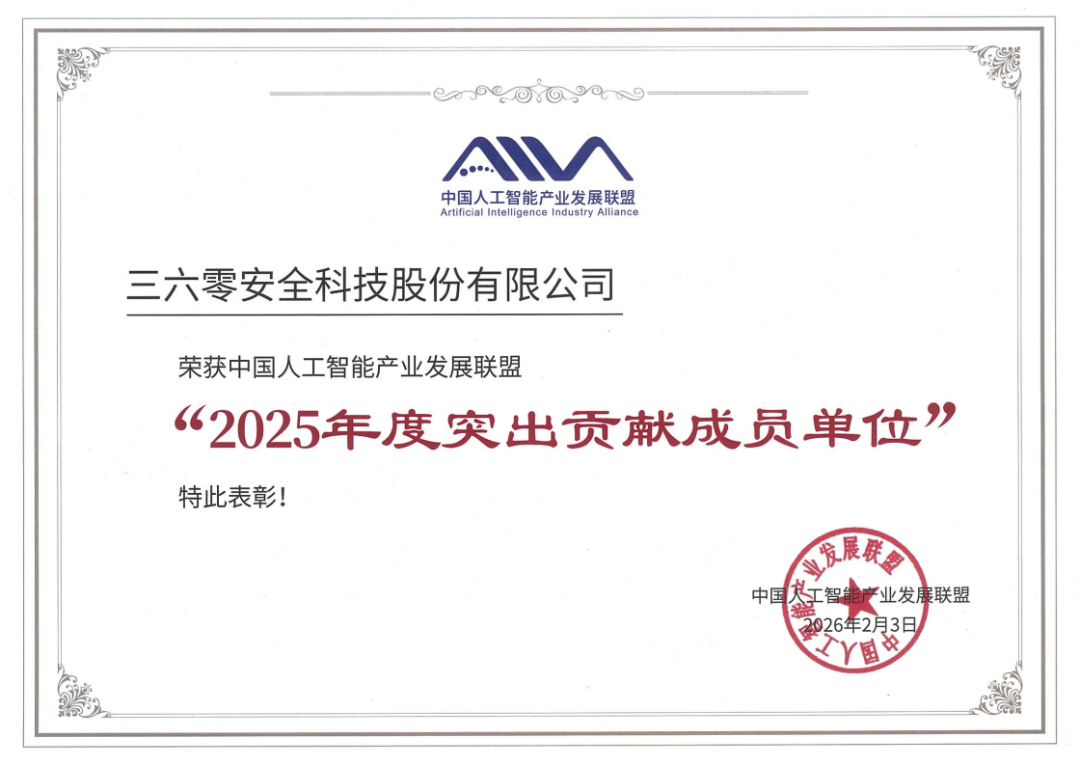
Core Viewpoint - The Chinese government is accelerating the integration of artificial intelligence in the manufacturing sector to enhance productivity and support the transition from a manufacturing powerhouse to an intelligent manufacturing leader [1] Group 1: Progress in Digital Transformation - Since the 14th Five-Year Plan, traditional manufacturing has made significant strides in digital transformation, achieving breakthroughs in industrial clusters, management reform, technological innovation, and brand building [1] - China has established over 30,000 basic intelligent factories, more than 1,200 advanced intelligent factories, and over 230 excellent intelligent factories, showcasing the emergence of benchmark enterprises in traditional manufacturing sectors [1] - By September 2025, China is expected to have 85 "lighthouse factories," leading globally in smart manufacturing standards [1] Group 2: Challenges in Digital Transformation - The digital transformation of traditional manufacturing is a long-term systemic project facing challenges such as reliance on imported core technologies like high-end chips and industrial software [2] - Many traditional enterprises lack a holistic view of smart manufacturing, leading to difficulties in integrating technology with operations and addressing the "data silo" issue [2] - There are significant disparities in smart manufacturing capabilities among enterprises, with small and medium-sized enterprises (SMEs) needing to enhance their transformation capabilities [2] Group 3: Strategies for Accelerating Transformation - The strategy involves constructing an industrial ecosystem that promotes collaboration between advanced enterprises and SMEs, focusing on innovation and shared resources [3] - Emphasis on deep integration of technology, management, and strategy to create a comprehensive smart manufacturing system that addresses the "data silo" problem [3] - The approach includes enhancing green manufacturing and service-oriented manufacturing through digital empowerment [3] Group 4: Innovation and Talent Development - Strengthening original innovation by focusing on critical areas such as high-end chips and industrial software to build a self-owned intellectual property system [4] - Cultivating full-stack intelligent manufacturing service providers to enhance systematic service capabilities and create value in collaboration with manufacturing enterprises [4] - Promoting integrated education and talent development to address the pain points of digital transformation in manufacturing, optimizing academic structures, and fostering interdisciplinary high-end talent [4]
加快高水平科技自立自强!四中全会“划重点”,企业提速布局新质生产力
Hua Xia Shi Bao· 2025-10-25 11:58
Core Insights - The Fourth Plenary Session of the 20th Central Committee of the Communist Party of China emphasized accelerating high-level technological self-reliance and building a modern industrial system centered on advanced manufacturing [1][2] - China's high-tech industry is transitioning from "following" to "running alongside" and even "leading" in certain areas, driven by technologies like AI, 5G, and cloud computing [1][2] Group 1: Industrial Development - The session highlighted the importance of strengthening the foundation of the real economy, focusing on intelligent, green, and integrated development [2] - China's semiconductor display industry has captured 70% of the global LCD market, showcasing significant progress in the sector [2] - The OLED technology is becoming the mainstream display technology, with Chinese companies like BOE and TCL investing heavily in production lines [2] Group 2: Technological Innovation - Companies like Visionox are focusing on transforming technological innovations into new productive forces, aiming to enhance China's position in the global high-end market [3] - The integration of digital supply chains is crucial for reducing costs and increasing efficiency in industries such as automotive [3][4] - JD Industrial has developed a supply chain model that significantly reduces procurement time and inventory costs for clients [4] Group 3: AI and Automation - The rise of AI large models is making artificial intelligence a focal point of global innovation, with increasing integration into B-end industries [5][6] - Intelligent agents are being widely applied across various sectors, including manufacturing, healthcare, and finance, enhancing operational efficiency [6] - The emphasis on technology innovation driving industrial innovation aims to ensure that technological advancements are effectively utilized in practical applications [6][7]

美的这次真玩大了
半佛仙人· 2025-08-28 11:15
Core Viewpoint - Midea has developed a groundbreaking "intelligent body factory" that integrates advanced automation and AI, allowing machines to make decisions and manage production processes autonomously, significantly enhancing efficiency and reducing human error [2][4][11]. Group 1: Intelligent Body Factory Overview - The intelligent body factory represents a leap beyond traditional automation and digitalization, where machines not only perform tasks but also make decisions regarding production scheduling, inventory management, and quality control [2][4]. - Midea's factory is not just a single intelligent entity but consists of 14 interconnected intelligent bodies covering 38 core production scenarios, including R&D, supply chain, manufacturing, and logistics [6][11]. Group 2: Operational Efficiency and Quality Control - The factory's centralized "brain" allows for real-time data processing and cross-scenario coordination, which minimizes quality control issues that arise from fragmented systems [7][10]. - The average efficiency of core business scenarios in Midea's factory has improved by over 80%, with critical processes achieving 100% error-proofing [15][19]. Group 3: Data Utilization and Industrial Strength - Midea leverages vast amounts of industrial data, processing approximately 3 billion real-time data points daily, to train its factory brain and enhance decision-making capabilities [13][15]. - The company has established itself as a leader in industrial technology, with a T2B revenue exceeding 100 billion, showcasing its ability to provide digital transformation solutions across various industries [15][19]. Group 4: Future Implications and Market Impact - The implementation of intelligent body factories is expected to lower production costs, leading to reduced consumer prices and potentially extending warranty periods significantly [17][19]. - As more factories adopt this model, Midea aims to position itself as a global leader in smart manufacturing, akin to industrial giants like Siemens and GE [19].

360集团创始人周鸿祎:人工智能正进入规模化商业化应用时代
Zhong Zheng Wang· 2025-08-27 07:44
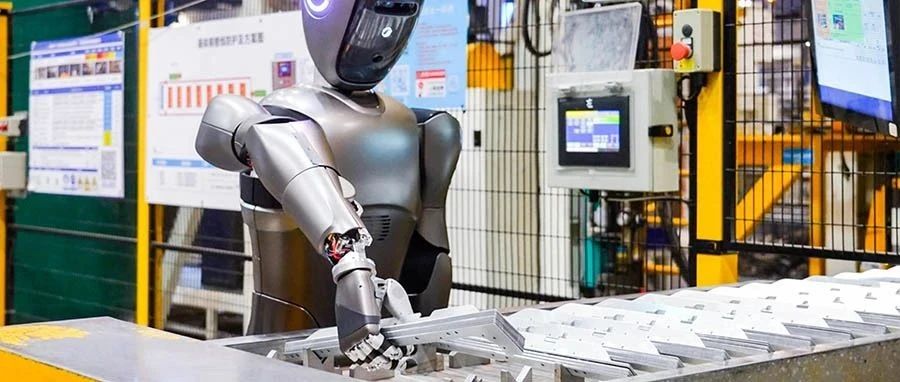
Group 1 - The core viewpoint is that artificial intelligence is entering a phase of large-scale commercialization, presenting greater opportunities than the internet [1][2] - The State Council has issued an opinion to promote the deep integration of artificial intelligence with various sectors, aiming to reshape human production and lifestyle [1] - The opinion emphasizes leveraging China's rich data resources and comprehensive industrial system to foster new productive forces and develop new business models [1] Group 2 - The industry has transitioned from a disruptive innovation phase to a period of enhancement and refinement for large models, with diminishing marginal returns on investment [2] - Intelligent agents have emerged as a crucial form of AI application, capable of using various tools and possessing memory, thus enhancing task execution [2] - The opinion supports the widespread application of intelligent agents and sets goals for their adoption rates by 2027 and 2030 [2]
如何做好AI智能体?360数智化集团CEO殷宇辉:原则是小场景大纵深十倍收益
Xin Lang Ke Ji· 2025-08-07 03:18
Core Viewpoint - 360 Group launched the "Intelligent Agent Factory" during the 13th Internet Security Conference (ISC.AI 2025), enabling enterprises to customize L3 intelligent agents without programming knowledge and to form L4 multi-agent teams through natural language [1][2] Group 1 - The company emphasizes the importance of addressing core pain points in small, high-yield scenarios when building effective intelligent agents [1] - Four key recommendations were provided by the CEO of 360 Digital Group, including focusing on small scenarios, knowledge-friendly scenarios, convergent scenarios, and markets with significant potential [2] Group 2 - The first recommendation is to identify small scenarios, as many companies struggle to implement large models effectively [2] - The second recommendation is to choose knowledge-friendly scenarios, which align with the company's trained models in safety awareness, knowledge understanding, and multi-modal analysis [2] - The third recommendation is to focus on convergent scenarios, where fewer types of solutions can yield greater returns [2] - The fourth recommendation highlights the necessity of market potential, as AI implementations must demonstrate visible value to be successful [2]
事关AI!周鸿祎最新发声
Zhong Guo Ji Jin Bao· 2025-08-06 13:32
Core Viewpoint - The chairman of 360, Zhou Hongyi, stated that AI large models must evolve into intelligent agents to become effective productivity tools rather than mere toys [2]. Group 1: Evolution of AI Models - Zhou highlighted two main pain points in enterprise applications of large models: insufficient reasoning ability and lack of independent working capability. The former has improved significantly in the past year, while the latter remains unresolved [2]. - Zhou emphasized that large models lack the ability to use tools and cannot perform tasks directly, which limits their effectiveness [2]. - The evolution of intelligent agents is outlined in stages, starting from L1 chat assistants, which are essentially chat tools, to L4 multi-agent swarms that can execute complex tasks collaboratively [3][3]. Group 2: Intelligent Agent Development - L2 low-code workflow agents have progressed from being "toys" to "tools," requiring human setup for processes while AI executes tasks [3]. - L3 reasoning agents can autonomously plan and complete tasks, functioning like specialized employees, but still face limitations in cross-domain complex problem-solving due to a lack of collaborative planning capabilities [3]. - L4 multi-agent swarms represent a breakthrough in nano AI, allowing multiple expert agents to collaborate flexibly, achieving high task success rates of 95.4% with a token consumption range of 5 million to 30 million [3]. Group 3: Company Initiatives - To enable more enterprises to benefit from intelligent agents, 360 recently launched the "Intelligent Agent Factory," allowing companies to customize their own L3 agents without programming knowledge [5]. - The platform also facilitates the formation of L4 multi-agent swarm teams, enhancing collaborative capabilities for businesses [5]. - As of August 6, 360's stock price was reported at 10.95 yuan per share, with a market capitalization of 766 billion yuan [5].
事关AI!周鸿祎最新发声
中国基金报· 2025-08-06 13:28
Core Viewpoint - The chairman of 360, Zhou Hongyi, stated that AI large models must evolve into intelligent agents to become effective productivity tools rather than mere toys [2][4]. Group 1: Pain Points and Evolution of AI Models - Zhou identified two main pain points in the application of large models: insufficient reasoning ability and lack of independent working capability. The former has improved significantly in the past year, while the latter remains unresolved [3]. - Zhou emphasized that large models lack the ability to use tools and perform tasks directly, which limits their effectiveness. He proposed that intelligent agents can address these issues by understanding goals, planning tasks, and utilizing tools to deliver complete results [4]. Group 2: Levels of Intelligent Agents - Intelligent agents are expected to evolve through several levels: - L1: Chat assistants, which are essentially chat tools providing suggestions or emotional support, are considered "toy-level" intelligent agents [4]. - L2: Low-code workflow intelligent agents have progressed from "toys" to "tools," requiring human setup for processes while AI executes tasks to enhance productivity [5]. - L3: Reasoning intelligent agents can autonomously plan and complete tasks, akin to specialized employees, but face limitations in cross-domain complex problem-solving due to a lack of collaborative planning capabilities [5]. - L4: Multi-agent swarms represent a breakthrough in nano AI, where multiple expert agents can flexibly collaborate and execute complex tasks with a high success rate of 95.4% over 1,000 steps, consuming between 5 million to 30 million tokens [5]. Group 3: Company Initiatives - To enable more enterprises to benefit from intelligent agents, 360 recently launched the "Intelligent Agent Factory," allowing companies to customize their own L3 intelligent agents using natural language without programming knowledge. This initiative aims to help every enterprise create its own intelligent agent and combine them into L4 multi-agent swarm teams [6]. Group 4: Market Performance - As of the close on August 6, 360's stock price was reported at 10.95 yuan per share, with a market capitalization of 766 billion yuan [7].

360周鸿祎使用自动驾驶分级解析AI Agent的五个级别
Huan Qiu Wang· 2025-08-06 05:12
Core Insights - The 13th Internet Security Conference (ISC.AI 2025) in Beijing focused on digital security and artificial intelligence, emphasizing the transition to an era driven by intelligent agents [1] - The founder of 360, Zhou Hongyi, highlighted two main pain points in the application of large models: insufficient reasoning ability and lack of independent operational capability, with the latter still unresolved [1][3] - The evolution from large models to intelligent agents is deemed necessary for AI to become a productive tool rather than a mere toy [1][3] Intelligent Agent Evolution Path - L1: Chat assistants are basic tools for suggestions and emotional support, categorized as "toy-level" intelligent agents, such as GPTs [3] - L2: Low-code workflow agents have evolved into tools that require human setup for task execution, enhancing productivity [3] - L3: Reasoning agents can autonomously plan and complete tasks, akin to specialized employees, but face limitations in cross-domain collaboration [3] - L4: Multi-agent swarms represent a revolutionary breakthrough, allowing multiple expert agents to collaborate flexibly, achieving high task success rates [3][4] Nano AI and Collaboration - Nano AI employs a unique "multi-agent swarm collaboration space" technology, enabling memory sharing among agents and efficient task execution [4] - The platform has gathered over 50,000 L3 agents, allowing users to create their own "Manus" through natural language [4] - The efficiency of complex tasks has drastically improved, reducing completion time from 2 hours to 20 minutes for tasks like generating a 10-minute movie [4] Intelligent Agent Factory and Security Implications - 360 Group launched the "Intelligent Agent Factory," enabling enterprises to customize L3 agents without programming knowledge [6] - The emergence of "intelligent agent hackers" poses new challenges in cybersecurity, as individual hackers can control multiple agents for automated attacks [6] - 360's security intelligent agents aim to replicate the capabilities of human security experts, marking a qualitative breakthrough in security [6] Strategic Vision - Zhou Hongyi emphasized that security is the foundation of digitalization, while AI represents its pinnacle, with 360 committed to a dual development strategy of "security + AI" [6]