桃花醉

Search documents
低度酒品类狂欢下,却赚了个寂寞
3 6 Ke· 2025-12-30 04:00
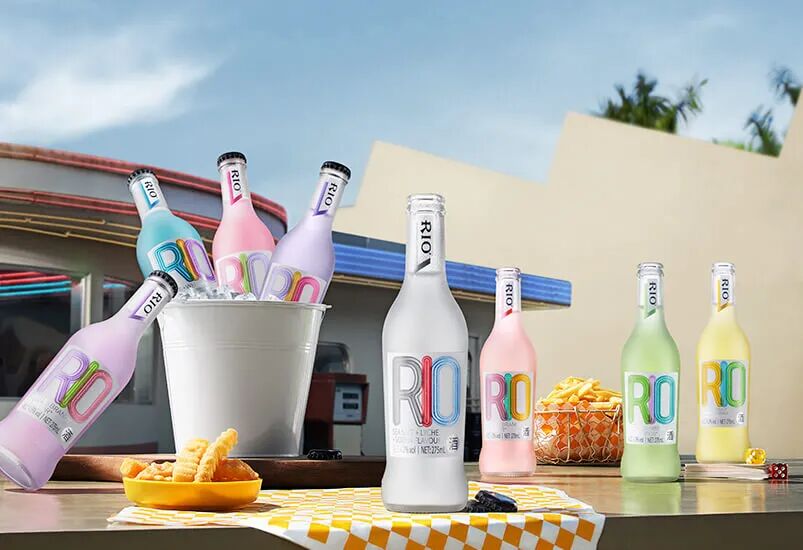
Core Insights - The low-alcohol beverage market in China has rapidly expanded, with market size projected to grow from 200 billion yuan in 2020 to over 570 billion yuan by 2024, and globally reaching 634.17 billion yuan in 2023, expected to exceed 740 billion yuan by 2025 [1][4][6] - The shift in consumer preferences from traditional high-alcohol beverages to low-alcohol options is driven by younger generations seeking healthier and more enjoyable drinking experiences [5][6][8] - The market is becoming increasingly competitive with new brands entering, including traditional liquor companies and retail chains launching their own low-alcohol products [5][9][12] Market Trends - The rise of low-alcohol beverages is characterized by a cultural shift from "drinking for social obligation" to "drinking for personal enjoyment," with 50% of consumption occurring at home and a 56% increase in outdoor activities like camping [5][6] - Young consumers aged 18-35 account for 68% of sales, with a significant portion being female [5][6] - Health concerns are a primary motivator for Gen Z consumers choosing low-alcohol options, as traditional high-alcohol spirits are viewed as outdated [6][8] Competitive Landscape - Established brands like RIO and emerging players such as Mei Jian and Bei Rui Tian Xin are competing for market share, with RIO facing challenges due to declining sales and brand fatigue [2][9][11] - Traditional liquor companies like Moutai and Wuliangye are diversifying into low-alcohol products, while retail chains like Hema and Haidilao are also launching their own offerings [5][9] - The market is characterized by a lack of standout brands, with many new entrants struggling to differentiate themselves in a crowded space [12] Consumer Behavior - Young consumers prefer low-alcohol products that are smooth and sweet, contrasting with the strong flavors of traditional spirits [8] - The use of social media has significantly increased the visibility and popularity of low-alcohol beverages, with discussions on platforms tripling in 2020 [4] - The trend towards low-alcohol beverages is not just a passing fad; it reflects a deeper cultural shift in drinking habits among younger generations [5][6]






文轩指数 | 2025上半年中国上市白酒活力排名
Sou Hu Cai Jing· 2025-09-17 23:46
Core Viewpoint - The Chinese liquor industry is at a crossroads in the first half of 2025, with leading companies showing solid financial performance, but the industry environment is changing, necessitating innovation and new development models for sustained competitiveness [2][3]. Group 1: Financial Performance - In the first half of 2025, leading liquor companies like Kweichow Moutai reported revenue of 91.094 billion yuan, a year-on-year increase of 9.16%, and a net profit of 45.403 billion yuan, up 8.89% [2]. - Among 22 listed liquor companies, 6 maintained growth in both revenue and net profit, including Kweichow Moutai, Wuliangye, Shanxi Fenjiu, and others [3]. - The total revenue of 22 listed liquor companies was approximately 242.4 billion yuan, with a total net profit of about 95.1 billion yuan [5]. Group 2: Industry Challenges - The industry is experiencing a period of "volume reduction, revenue stabilization, and profit decline," with many companies facing declining sales [3][6]. - The number of large-scale liquor enterprises decreased by over 100 year-on-year, with total sales revenue of 330.42 billion yuan and profits down by 10.93% [5]. - The market is seeing a concentration of market share towards leading companies, putting pressure on smaller enterprises [6]. Group 3: Innovation and Development - Companies are focusing on innovation to adapt to changing consumer preferences, with an emphasis on younger demographics and digitalization [4]. - R&D investments are increasing, with Wuliangye's R&D expenses reaching 210 million yuan, a year-on-year increase of 31.2% [3]. - The low-alcohol market is projected to exceed 74 billion yuan by 2025, with a compound annual growth rate of 25% [7]. Group 4: Market Trends - The trend towards low-alcohol products is gaining momentum, with companies like Wuliangye and Luzhou Laojiao launching successful low-alcohol products [7][8]. - Technological advancements are key to the success of low-alcohol products, with various companies developing innovative production techniques [8]. - The industry is shifting from channel competition to technology competition, as companies seek new growth paths [8].


金融活水精准滴灌 激活乡村新动能
Ren Min Wang· 2025-08-06 09:49
Core Viewpoint - The Bank of China Ningbo Branch is actively supporting rural revitalization by providing targeted financial resources to key areas in agriculture and rural development, thereby injecting new momentum into the local economy [1][2]. Group 1: Financial Support for Agricultural Innovation - The Bank of China Ningbo Branch has provided a loan of 10 million yuan to a high-tech agricultural company focused on modern agricultural technology, enabling the company to enhance its market expansion and technological research [1]. - This financial backing is aimed at overcoming challenges such as high costs and financing difficulties, thus promoting efficiency in local agriculture and increasing farmers' income [1]. Group 2: Innovative Financial Products for Small Farmers - The "Merchant Convenience Loan" service was introduced to address the financing challenges faced by small agricultural entities, characterized by light assets and lack of collateral [1]. - A family farm in Xiangshan benefited from this service, receiving a credit line of 200,000 yuan without traditional collateral, which helped boost the online sales of local citrus products [2]. Group 3: Commitment to Rural Revitalization - Since 2025, the Bank of China Ningbo Branch has disbursed over 20 billion yuan in loans to more than 5,700 agricultural entities, demonstrating its commitment to rural revitalization [2]. - The branch plans to continue optimizing financial supply and providing precise financial support to enhance rural development [2].

中行宁波市分行:精准滴灌农业创活力 金融赋能农民创增收
Zhong Guo Jin Rong Xin Xi Wang· 2025-08-06 09:19
Core Viewpoint - The Bank of China Ningbo Branch is actively supporting rural revitalization by providing targeted financial resources to key areas in agriculture and rural development, thereby injecting new momentum into local economies [1][2]. Group 1: Financial Support for Agricultural Innovation - The Bank of China Ningbo Branch has provided a loan of 10 million yuan to a high-tech agricultural company focused on modern agricultural technology, which has helped the company expand its production capacity and overcome financing challenges [1]. - The company specializes in the production of high-value products such as peach brandy and has been recognized as a provincial-level technology-based small and medium-sized enterprise [1]. Group 2: Innovative Financial Products for Small Farmers - The "Merchant Convenience Loan" service was introduced to address the financing difficulties faced by small agricultural entities, offering quick, unsecured loans to enhance their operational capabilities [1][2]. - A family farm in Xiangshan benefited from this service, receiving 200,000 yuan in pure credit support, which allowed it to expand its online sales of local citrus products, significantly improving the farm's and local farmers' economic benefits [2]. Group 3: Impact and Future Plans - The Bank of China Ningbo Branch has disbursed over 20 billion yuan in loans to more than 5,700 agricultural entities this year, demonstrating its commitment to rural financial services [2]. - The bank plans to continue optimizing financial supply to ensure effective support for rural revitalization efforts [2].
【论坛】李后强:外国名酒中国化对中国白酒冲击有多大?
Sou Hu Cai Jing· 2025-05-13 00:21
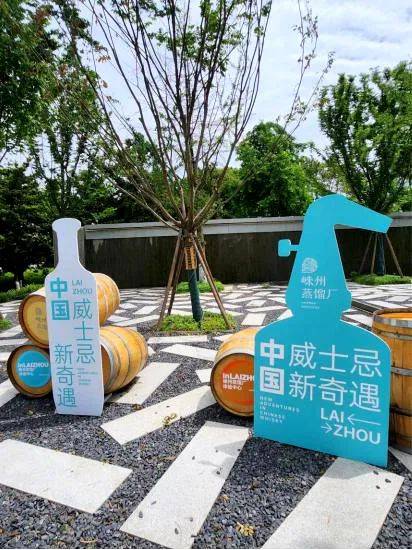
Core Viewpoint - The article discusses the significant impact of foreign spirits, particularly whiskey, on the Chinese liquor market, especially among younger consumers, due to localized production and marketing strategies [2][4]. Group 1: Advantages and Strategies of Localized Whiskey Production - International liquor companies like Pernod Ricard and Diageo are establishing production facilities in regions like Emei Mountain and Qionglai, leveraging local resources and cultural heritage to create a "Chinese whiskey" concept [4]. - These companies are innovating products to cater to Chinese consumer preferences, such as lower-alcohol and easy-to-drink options, and incorporating local elements like zodiac-themed limited editions [5]. Group 2: Impact and Challenges to Chinese Baijiu - The younger generation prefers the international branding and diverse drinking scenarios of whiskey, leading to a potential consumer shift away from traditional baijiu, which is often associated with formal business settings [7]. - In 2023, the Chinese whiskey market reached 5.5 billion yuan, with domestic production surpassing imports for the first time, although imported brands still hold over 70% of the high-end market share [7]. - Whiskey's appeal aligns with the "tipsy culture" and experiential consumption favored by young consumers, contrasting with baijiu's traditional drinking customs [7]. Group 3: Response Strategies for Chinese Baijiu - Major baijiu brands like Moutai and Wuliangye are adopting digital marketing strategies and cross-industry collaborations to engage younger consumers and expand into new consumption scenarios [9]. - Baijiu companies are accelerating internationalization efforts, promoting "Chinese flavors" through duty-free shops and overseas dining partnerships, while also adjusting product profiles to appeal to global markets [9]. - Some baijiu producers are experimenting with lower-alcohol and flavored variants to lower the entry barrier for younger consumers [10]. Group 4: Future Trends - The competition between whiskey and Chinese baijiu is expected to persist, with whiskey continuing to capture the younger market through localization, while baijiu focuses on cultural depth and product innovation [12]. - The Chinese whiskey market is projected to reach 30 billion yuan by 2030, while baijiu is expected to maintain a dominant position in the liquor market with over 700 billion yuan [12].