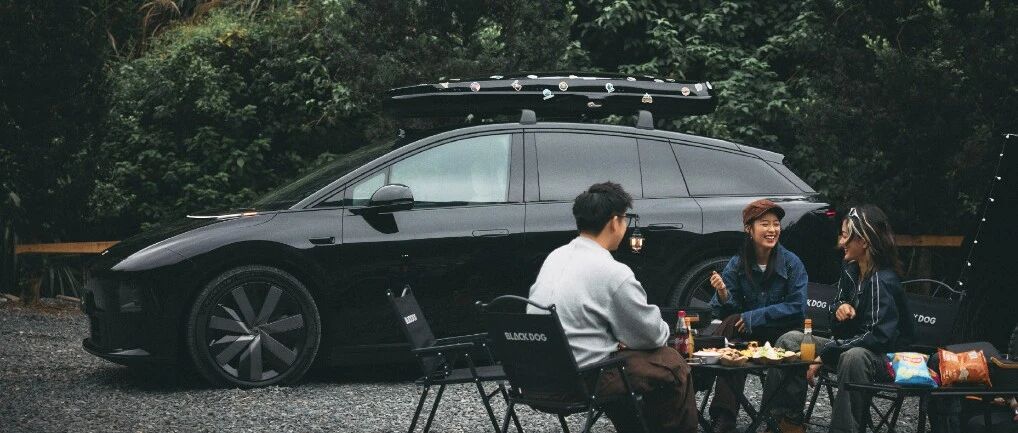
欣旺达电池

Search documents
被指“双标” 沃尔沃EX30因电池隐患全球召回:中国除外
Xin Lang Ke Ji· 2026-01-22 00:21
Core Viewpoint - Volvo is facing criticism over battery safety issues related to its EX30 model, which uses batteries from the supplier, CATL. The company has initiated recalls in several countries but has not yet addressed the concerns of Chinese customers, leading to allegations of differential treatment [1][3][4]. Group 1: Recall Information - Volvo has launched a global recall for the EX30 model due to fire risks associated with CATL batteries, affecting vehicles produced between September 6, 2024, and October 25, 2025 [3]. - The recall includes 40 vehicles in the United States, 2,815 in Australia, and 10,440 in the UK, among others [3]. - A fire incident involving a Volvo EX30 occurred in Brazil, prompting the recall and safety warnings for owners to limit battery charging to 70% until a full recall plan is established [3][4]. Group 2: Customer Concerns - Chinese EX30 owners are expressing dissatisfaction over the lack of recall information in China, feeling neglected compared to international customers [4][6]. - Social media discussions among Volvo EX30 owners indicate a strong demand for official responses from the company regarding the perceived differential treatment [6][8]. Group 3: Sales and Pricing Pressure - Volvo is experiencing significant sales pressure in China, with a reported 4% decline in overall sales for 2025, totaling 149,549 units [10]. - The company has resorted to heavy discounts on multiple models, with some vehicles being offered at nearly 50% off their original prices, indicating a struggle to maintain market share [8][9]. - The decline in sales is attributed to a 46% drop in fully electric vehicle sales and a 13% decrease in fuel vehicle sales, despite a rise in hybrid model sales [10]. Group 4: Corporate Statements and Credibility - Volvo's senior executives have previously stated that the company would not compromise on safety and quality to gain market share, yet the current situation raises questions about the credibility of these claims [11][13]. - The ongoing battery safety issues and aggressive pricing strategies suggest a potential disconnect between corporate messaging and operational realities [14].

23亿元索赔案再发酵,多国召回搭载欣旺达电池的沃尔沃EX30
Guan Cha Zhe Wang· 2026-01-13 09:17
Core Viewpoint - The lawsuit involving Geely and Xinwanda, amounting to over 2.3 billion yuan, has escalated due to safety issues related to high-voltage battery units supplied by Xinwanda, affecting 10,440 Volvo EX30 vehicles in the UK [1][4]. Group 1: Lawsuit and Financial Implications - Geely's Zeekr brand filed a lawsuit against Xinwanda for over 2.3 billion yuan, equivalent to Xinwanda's cumulative net profit for 2023 and 2024 [4]. - The lawsuit highlights systemic quality control defects in Xinwanda's production line, raising concerns about battery reliability and internal testing protocols [4][5]. Group 2: Vehicle Safety Issues - Volvo UK has advised EX30 owners not to charge their vehicles above 70% until a permanent solution is found, following safety concerns linked to the high-voltage battery units [3][12]. - A fire incident involving a Volvo EX30 in Brazil has raised alarms, with preliminary indications suggesting a potential thermal runaway of the battery pack [6][7][8]. Group 3: Recall Actions - Multiple countries have initiated recalls for the Volvo EX30 due to potential overheating issues with the high-voltage battery, with the largest recall affecting 2,815 vehicles in Australia [9]. - The UK has not yet issued a recall, but there is growing pressure from affected owners, and dealers are forced to discount the impacted EX30 models [12].

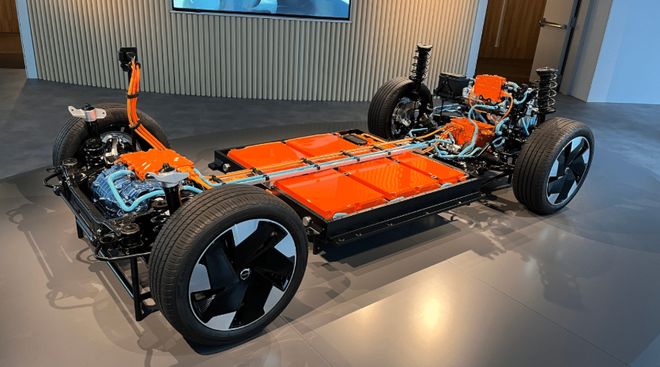
杀人诛心!吉利23.14亿天价索赔,谁还敢用欣旺达?
Xin Lang Cai Jing· 2025-12-29 11:30
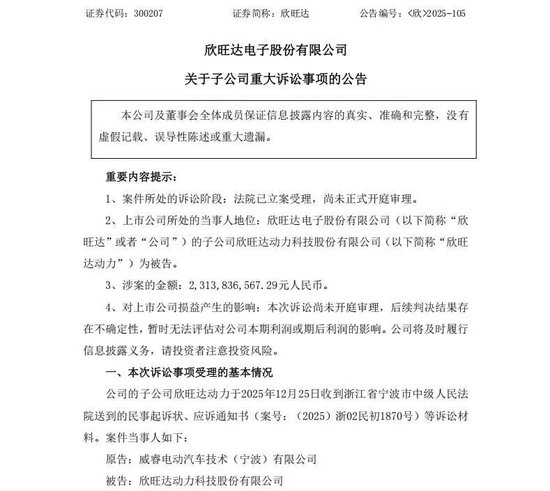
Crisis - A lawsuit from Weirui Electric Vehicle Technology Co., Ltd. has accused Xinnengda of delivering battery cells with quality issues from June 2021 to December 2023, seeking compensation of 2.314 billion yuan [4][19] - This amount is nearly equivalent to Xinnengda's total net profit for 2023 and 2024 [21] - The lawsuit has led to a significant drop in Xinnengda's stock price, falling by 15.97% and reaching a multi-month low [2][17] Fracture - Xinnengda's major clients include Geely, Li Auto, Xiaopeng, Xiaomi, Volkswagen, and Dongfeng, which dominate the Chinese automotive market [6][22] - The partnership with Li Auto began in 2017, with a 400 million yuan investment in 2020 for R&D [7][23] - Due to quality concerns, Li Auto has faced challenges in maintaining consumer trust, especially after previously offering customers a choice between Xinnengda and CATL batteries [7][24] Survival - Xinnengda has stated that the lawsuit has not yet gone to trial, and the outcome remains uncertain [9][25] - The company is actively seeking reasonable solutions and enhancing communication with relevant parties [10][26] - Financial data shows Xinnengda's battery revenue from 2021 to 2023 was 2.933 billion yuan, 12.687 billion yuan, and 10.795 billion yuan respectively [10][26] Under Currents - The lawsuit highlights the harsh realities behind the booming battery industry, where automakers are highly sensitive to battery costs [14][29] - The conflict between cost reduction and reliability is critical, as automakers prioritize safety and reliability over cost [14][29] - This crisis presents both a survival challenge and a potential transformation opportunity for Xinnengda, emphasizing the need for quality assurance and customer trust [14][30]

理想i6电池风波:3999元“鱼饵”,买通你对风险的“豁免”?
3 6 Ke· 2025-12-05 08:16
Core Viewpoint - Li Auto's recent battery choice survey for the Li Auto i6 has revealed deeper issues within the company, as it presents a dilemma for potential car owners that intertwines delivery anxiety, compensation temptations, and concerns over core component quality [1] Group 1: Consumer Choice and Marketing Strategy - The battery choice survey is designed as a psychological manipulation of consumer behavior, where the sales strategy encourages customers to opt for the cheaper A123 battery by promising faster delivery and a 3999 yuan warranty [2] - The 3999 yuan compensation is seen as an attempt to balance consumer concerns over the perceived downgrade in battery quality, raising questions about the true value of this compensation in light of potential long-term risks [7][13] Group 2: Brand Trust and Consumer Sentiment - Consumers prioritize safety, range, longevity, and cost when it comes to electric vehicles, with the trust in CATL batteries being a significant factor in their decision-making process [13] - The shift from promoting CATL to A123 raises doubts about Li Auto's commitment to quality, as past incidents involving safety issues have led to skepticism about the company's ability to maintain quality control with a second-tier supplier [14][21] Group 3: Financial Performance and Strategic Implications - Li Auto's financial struggles are evident, with Q3 2024 revenue dropping over 36% year-on-year, and a significant net loss attributed to underperforming models and warranty provisions [21][22] - The decision to include A123 in the supply chain reflects a cost-cutting strategy that may undermine the company's long-term brand integrity and consumer trust, as it contrasts with the industry's trend of enhancing product quality through partnerships with leading suppliers [23][27]

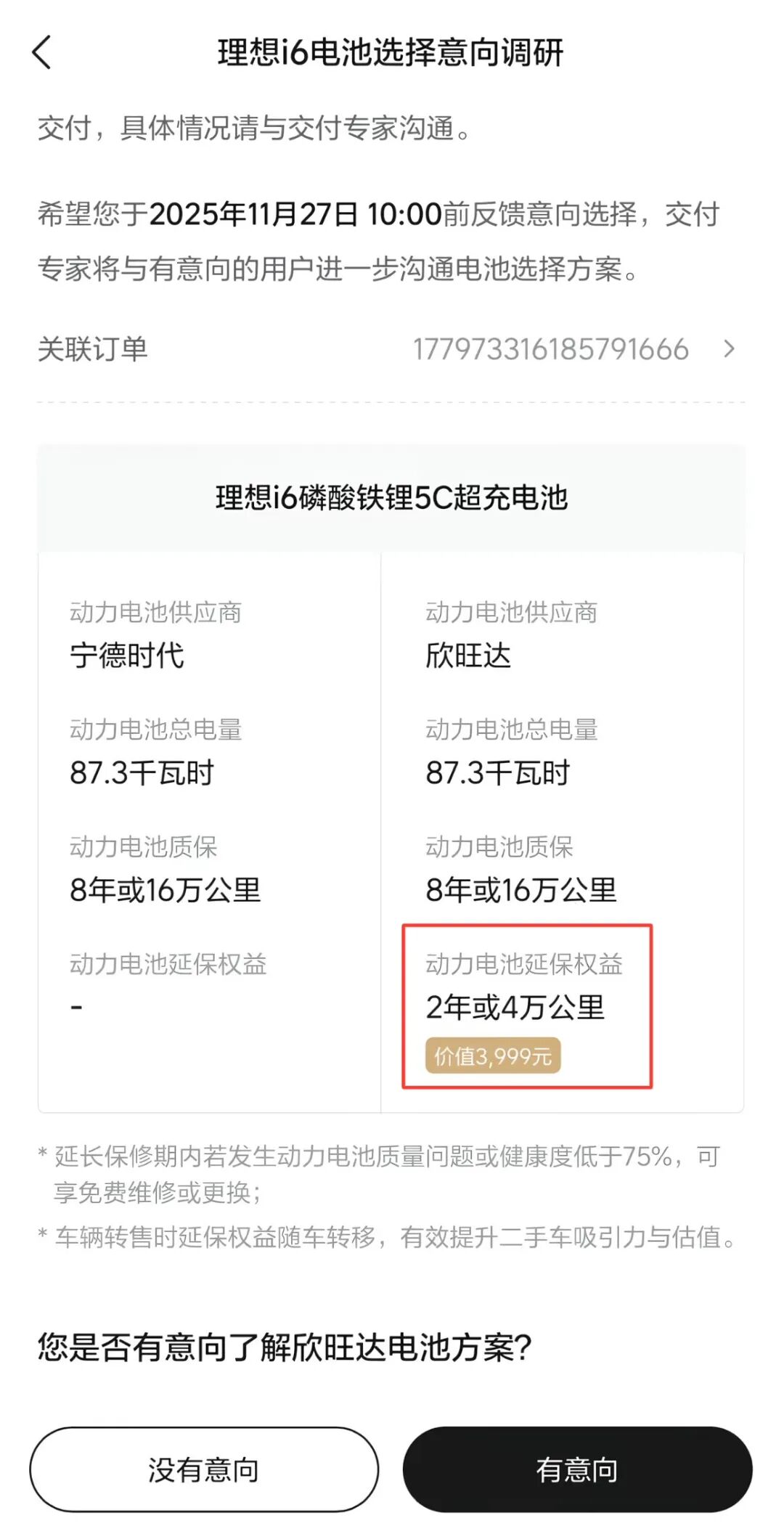
如何评价理想为i6欣旺达电池额外赠送2年4万公里质保?
理想TOP2· 2025-11-22 05:57
Core Viewpoint - The article discusses the strategic decision-making of Li Auto regarding battery suppliers, specifically comparing CATL and A123, highlighting the implications for consumer perception and supply chain security [1][2]. Group 1: Supplier Strategy - Li Auto aims to ensure long-term supply chain security by having at least two battery suppliers, which are CATL and A123 [1]. - Due to consumer preference for CATL batteries, Li Auto has committed to using CATL batteries for the i6 model until December 2025, after which A123 batteries will be supplied with an additional warranty [1][2]. Group 2: Consumer Perception - A significant portion of consumers is skeptical about Li Auto's claim that there is no difference between CATL and A123 batteries, influenced by several factors including price, market share, and advertising [3]. - Consumers often associate higher prices and market dominance with better quality, leading to doubts about A123's equivalence to CATL [3][4]. Group 3: Technical Comparisons - The article emphasizes that the differences between lithium iron phosphate (LFP) and ternary lithium batteries are minimal, suggesting that A123's batteries may not be inferior to CATL's [5][6]. - Li Auto's narrative that both battery types meet the same design standards lacks detailed data to convince skeptical consumers [6]. Group 4: Market Dynamics - The potential for consumer choice in battery brands could lead to a higher proportion of CATL batteries in the long run, which may create an imbalance in consumer satisfaction [2][4]. - The article suggests that Li Auto's strategy may face challenges in maintaining consumer trust if the perceived quality of A123 batteries does not align with consumer expectations [3][6].