法国奢侈品

Search documents
欧盟27国统一战线成真?法国加税提议遭多国暗中抵制
Sou Hu Cai Jing· 2026-02-17 17:37
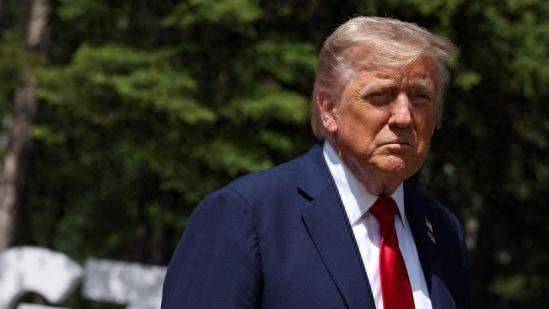
Core Viewpoint - The relationship between China and Europe has dramatically shifted, with France's recent strategic report suggesting punitive tariffs on Chinese goods, indicating a move towards a unified anti-China stance among EU member states [1][4][6]. Group 1: Strategic Report and Economic Implications - The French government's strategic report proposes a 30% punitive tariff on Chinese goods and a 30% devaluation of the euro against the yuan, signaling a unilateral economic confrontation rather than a negotiation [4][6]. - This report reflects a deep-seated fear within European industries regarding competition from China, as it could artificially inflate prices of Chinese products before they even reach the market [4][6]. Group 2: Macron's Political Strategy - Macron's dual approach of welcoming Chinese investment while simultaneously advocating for tariffs reveals a zero-sum game mentality, driven by a desire to consolidate EU power against China [6][8]. - The urgency for Macron to achieve a diplomatic "victory" stems from the upcoming 2026 elections, where he seeks to rally public support amidst a bleak economic forecast of only 0.7% growth for France in 2025 [9]. Group 3: EU Member States' Diverging Interests - The proposed anti-China stance may face resistance from other EU countries, particularly Germany, which benefits significantly from trade with China and may not support France's political ambitions [14][18]. - Eastern European nations, which have profited from China's Belt and Road Initiative, are unlikely to align with France's call for an anti-China coalition, as it threatens their economic interests [15][18]. Group 4: China's Response and Strategic Positioning - China is responding strategically by initiating anti-subsidy investigations into EU dairy products, particularly targeting France, indicating a measured approach to countering potential tariffs [20][24]. - The Chinese government is maintaining a patient stance, observing whether the EU can reach a consensus on the proposed tariffs, while also holding various countermeasures in reserve [22][24]. Group 5: Long-term Implications - The ongoing tension between China and Europe is expected to evolve into a prolonged struggle, where the ability to maintain strategic composure will be crucial for both sides [25]. - Macron's reliance on political maneuvers to address industrial shortcomings may exacerbate internal EU divisions rather than resolve the underlying economic challenges [25].

马克龙任内第四次访华,传递哪些信号
第一财经· 2025-12-03 09:37
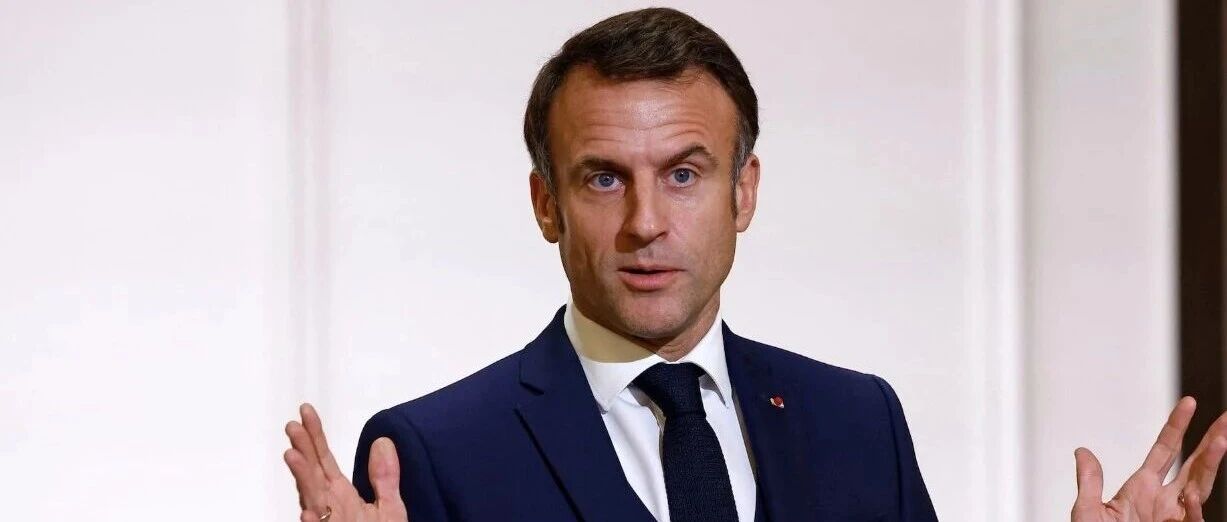
Core Viewpoint - French President Macron's visit to China aims to enhance economic and trade cooperation, focusing on sustainable and balanced growth that benefits all parties involved [3][4]. Economic and Trade Cooperation - Macron's visit will prioritize economic collaboration, particularly in the aerospace sector and agricultural products trade [3][7]. - In 2024, the bilateral trade volume between China and France is projected to be $79.58 billion, a year-on-year increase of 0.8%, with Chinese exports at $44.49 billion (up 6.9%) and imports at $35.09 billion (down 5.9%) [7]. - In the first half of 2025, the trade volume reached $39.09 billion, a 1.2% increase year-on-year, with exports at $22.89 billion (up 7.3%) and imports at $16.2 billion (down 6.4%) [7]. Agricultural Products and Market Access - France aims to expand its agricultural exports to China, leveraging initiatives like "From French Farms to Chinese Tables" [7][8]. - French wine accounts for 30% of China's imported wine, and French luxury goods hold over 35% market share in China [8]. Investment Opportunities - In 2024, Chinese investors initiated 27 new investment projects in France across various sectors [10]. - Current Chinese investment in France is only one-third of French investment in China, indicating significant potential for growth [11]. - The electric mobility sector is highlighted as a key area for future collaboration, with projects like the partnership between Xiamen Tungsten and French company [11]. Challenges in Investment - Investment from China faces regulatory scrutiny and lengthy approval processes within the EU, which can delay projects for years [12].
马克龙任内第四次访华,传递哪些信号
Di Yi Cai Jing· 2025-12-03 09:20
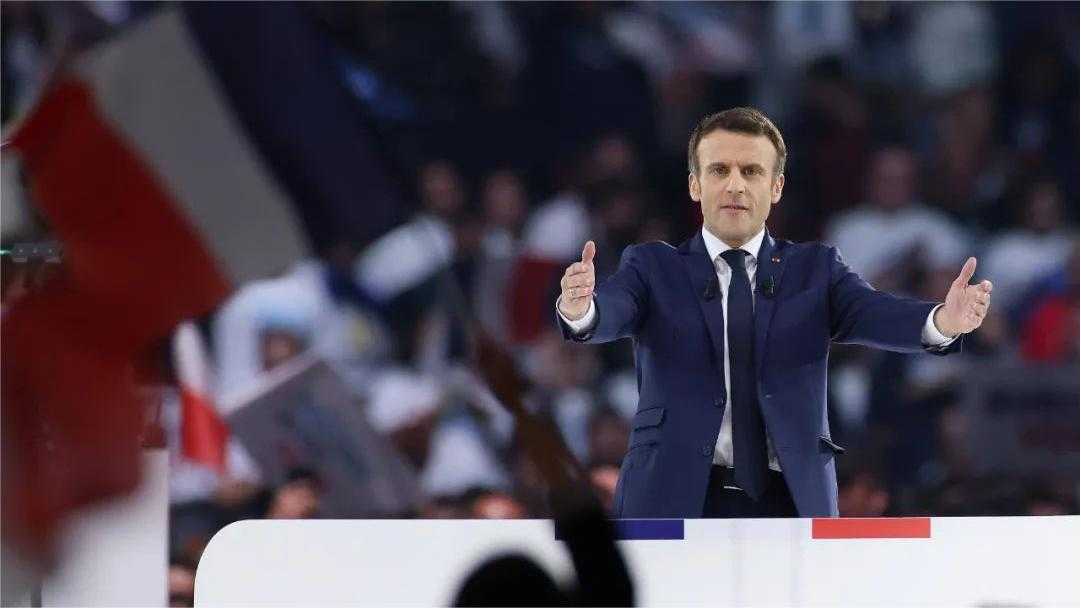
Economic Cooperation - The core agenda of President Macron's visit to China is economic cooperation, focusing on sustainable and balanced growth that benefits all parties involved [1] - France aims to enhance trade in agricultural products with China, alongside traditional cooperation in the aerospace sector [4][1] - In 2024, the bilateral trade volume between China and France is projected to reach $79.58 billion, with a year-on-year increase of 0.8%, where China's exports are expected to be $44.49 billion (up 6.9%) and imports $35.09 billion (down 5.9%) [4] Investment Opportunities - Chinese investors have brought 27 new investment projects to France in 2024, with a focus on various sectors, including electric mobility [6] - Current Chinese investment in France is only one-third of French investment in China, indicating significant potential for growth in this area [6] - The collaboration in the electric mobility sector is highlighted by projects such as the partnership between Xiamen Tungsten and French company Eonno for producing precursor materials [6] Trade Balance and Market Access - France's agricultural products, particularly wine, hold a significant share in the Chinese market, with French wine accounting for 30% of China's imported wine [5] - The French government is advocating for higher-value exports to China, as current service exports from France to China represent only 1.6% of China's total service imports [5] - There is a recognized need for France to explore new strategies for ensuring trade balance with China, particularly in agricultural exports [4][7] Strategic Dialogue and Multilateral Cooperation - The visit is seen as an opportunity to strengthen strategic communication and deepen practical cooperation between China and France [2] - France's upcoming presidency of the G7 in 2026 will also be a topic of discussion, focusing on international cooperation and global governance [1]
卢浮宫失窃背后:一个“分裂的法国”与消费市场巨变
虎嗅APP· 2025-10-22 10:12
Core Viewpoint - The recent theft at the Louvre Museum in Paris has raised significant concerns about security and governance in France, reflecting broader political and economic instability in the country [4][5][6]. Group 1: Theft Incident - Four suspects executed a brazen theft at the Louvre, stealing eight priceless items in just four minutes, highlighting vulnerabilities in museum security [4][6]. - The area where the theft occurred lacked CCTV surveillance in one-third of its rooms, raising questions about security measures in high-profile locations [4][6]. Group 2: Political Reactions - The theft has sparked strong political backlash, with President Macron and other political leaders expressing outrage and concern over the implications for national pride and security [5][6]. - The incident is seen as a reflection of France's ongoing political turmoil, including a fragmented parliament and a series of government crises [7][9]. Group 3: Economic Context - France is facing significant economic challenges, with a projected budget deficit of 5.8% of GDP and a national debt of 114% of GDP, raising concerns about fiscal stability [7]. - Recent downgrades by credit rating agencies, including S&P and Fitch, indicate growing international concern over France's economic governance and long-term growth prospects [7][8]. Group 4: Social Dynamics - The political and economic instability has led to a shift in consumer behavior, with rising poverty rates and changing consumption patterns among different social classes [11][12]. - The emergence of low-cost retail platforms like Temu reflects a growing preference for affordable goods among consumers facing economic pressures [12]. Group 5: Cultural and Ideological Shifts - The political landscape in France is increasingly polarized, with traditional parties losing influence to extreme political movements, reflecting deep societal divisions [9][10]. - The younger generation in France is leaning towards anti-consumerism and environmentalism, impacting their purchasing decisions and brand preferences [10][11].

美国特使撒弥天大谎,特朗普再向北约喊话,要求必须“对华动手”
Sou Hu Cai Jing· 2025-09-17 07:46
Group 1 - The U.S. government is pressuring allies to impose high tariffs of 50-100% on Chinese goods, but both the EU and G7 have largely ignored these calls due to their deep economic ties with China [1] - The U.S. is attempting to shift focus to China amid difficulties in mediating the Russia-Ukraine conflict, claiming that China should be held responsible for the war [3] - Trump's call for NATO members to collectively impose tariffs on China is seen as an inappropriate extension of a military alliance into economic disputes, with no NATO country responding to this request [5] Group 2 - The U.S. strategy to extend NATO's influence into economic matters contradicts its founding principles and undermines international rules, as it seeks to contain China's rise through trade barriers [7] - Major NATO members, such as Germany and France, have significant economic dependencies on China, and following the U.S. in imposing tariffs could lead to increased costs and loss of market share for European companies [9] - Some NATO countries, like Hungary, are resistant to U.S. demands, indicating a divide within the alliance regarding the approach to China [9]
美国关税90天大限将至,中方强硬表态,损害利益必遭坚决反击
Sou Hu Cai Jing· 2025-07-01 07:59
Group 1 - The article discusses the impending deadline for trade agreements, with a total trade value of €380 billion hanging in the balance due to potential tariffs imposed by the U.S. [1][5] - The U.S. is using a strategy of divide and conquer, pressuring countries to sign agreements quickly to avoid high tariffs, which could range from 25% to 50% [5][7] - Countries like Germany, France, and Japan are feeling the pressure, with Japan reconsidering its stance on tariffs and discussing "non-core concessions" [7][39] Group 2 - The article highlights the "poison pill" clauses in trade agreements, such as the U.K.-U.S. temporary trade arrangement, which includes restrictions on re-exporting Chinese goods [9][11] - The U.S. is encouraging other nations to adopt similar restrictive measures, particularly regarding "origin rules" that would limit Chinese manufacturing [13][18] - India's negotiations show signs of concessions on key issues, raising concerns about its alignment with U.S. strategies [15][41] Group 3 - China has firmly stated its opposition to sacrificing its interests for U.S. tariff reductions, indicating a strong stance against external pressures [20][22] - The article emphasizes China's significant trade relationships, with over $800 billion in trade with the EU and a 24% trade dependency with Japan, giving it leverage in negotiations [25][27] - Recent talks between the U.S. and China have shown some progress, suggesting that both sides are cautious about escalating tensions further [27][29] Group 4 - The article discusses the internal divisions within the EU, with countries like France advocating for strong resistance against U.S. pressures, while Germany seeks stability and is more willing to compromise [33][35] - Japan's potential cooperation with the U.S. in critical resource areas could significantly impact China's interests, especially in rare earths and key minerals [39][18] - The article warns that if global supply chains are disrupted, emerging economies could see GDP growth decline by 0.7% to 1.3%, leading to significant economic losses [45]