消费级外骨骼机器人VIATRIX

Search documents
从保姆到管家:家庭机器人的“图灵测试”时刻
机器人大讲堂· 2026-03-04 09:13
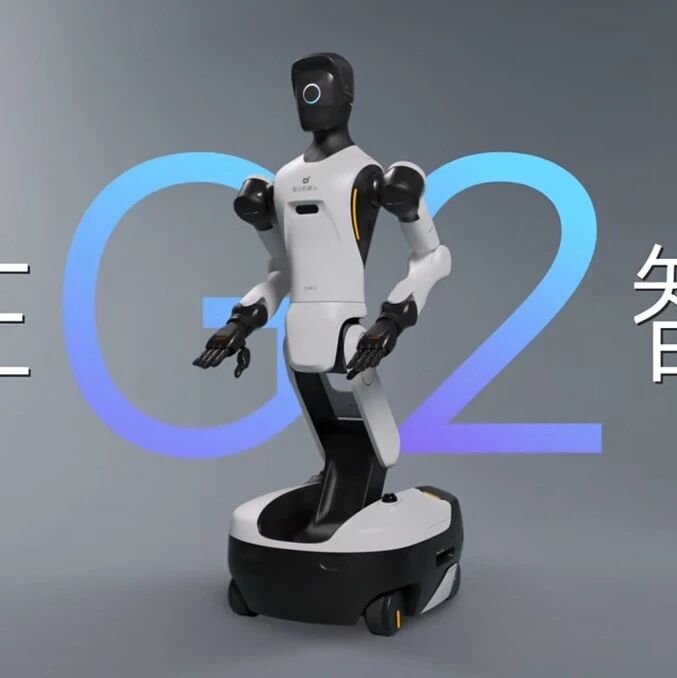
Core Viewpoint - The article discusses the evolution of household robots from simple cleaning devices to multifunctional "butler" robots that can assist with various daily tasks, particularly in the context of an aging population in China. Group 1: Transition from Cleaning Robots to Multifunctional Assistants - The introduction of cleaning robots marked the first recognition of robots in Chinese households, but their limitations were evident in fixed paths and single tasks [2] - A significant transformation is underway, with companies like Zhiyuan Robotics focusing on developing robots that can perform a variety of household tasks, including emotional interaction and health monitoring [2][4] - The new generation of robots aims to manage entire home life, moving beyond repetitive actions to provide comprehensive services [1][4] Group 2: Aging Population and Silver Economy - By the end of 2025, China's population aged 60 and above is expected to reach 323 million, accounting for 23% of the total population, with projections indicating it will exceed 400 million by 2035 [5] - The increasing aging population has prompted government initiatives to promote the integration of robotics technology in elder care, emphasizing emotional support and daily assistance [5] - Policies are being implemented to support the development of emotional companionship robots and intelligent care robots, with subsidies available for these technologies [5] Group 3: Emotional Companionship and Technological Empowerment - Companies are shifting focus from speed and efficiency to emotional companionship, creating robots that can understand and respond to human emotions [6] - Technologies are being developed to provide personalized care for the elderly, including health monitoring and emotional support, through advanced interaction capabilities [6][7] - The integration of multi-modal perception allows robots to understand context and emotions, enhancing their ability to provide meaningful companionship [9] Group 4: Future of Robotics in Daily Life - The article envisions a future where intelligent robots provide medical support, daily assistance, and emotional companionship to the elderly [9] - The development of precise motion control algorithms and advanced navigation technologies is crucial for creating robots that can effectively integrate into daily life [9] - The balance between efficiency and human-like interaction is essential for the success of robots in elder care and household environments [9]

新赛道!这一金融产品“上新”啦!
Jin Rong Shi Bao· 2025-10-15 07:36
扭秧歌、跑马拉松、参加运动会……今年以来,人形机器人以各种形式出现在公众视野,让人们看到了 具身智能赛道新业态的发展潜力。但产业蓬勃发展的同时,技术复杂度高、应用场景新所带来的"不敢 用、怕用坏、赔不起"等市场顾虑也愈发突出,成为产业规模化发展的现实瓶颈。 7月初,人保财险宁波鄞州中心支公司为当地一家生产人形机器人关键零部件企业定制专属方案,提供 涵盖产品责任险与产品质量险的综合保障,总保额达400万元。 7月底,在2025世界人工智能大会现场,大家 保险 宣布,为国内消费级外骨骼公司上海傲鲨智能科技有 限公司发布的首款量产型消费级外骨骼机器人VIATRIX提供承保服务;其旗下养老社区为傲鲨智能提供 可落地的养老应用实验与实践场景。 先是政策层面支持举措密集出台。8月,国务院正式印发《关于深入实施"人工智能+"行动的意见》,进 一步作出系统部署,标志着我国人工智能产业正式进入国家战略加速期。与此同时,北京、上海、广 东、成都等地也积极响应。 在政策引导下,产业快速发展,保险业也不断加大支持力度,相关创新产品密集出台。 据了解,该产品在设计上具有三大核心创新:一是场景全覆盖,首创贯通"产、销、租、用"全链条的风 ...

机器人带火新需求,机器人保险是新蓝海吗
Bei Jing Shang Bao· 2025-08-18 13:06
Core Insights - The rapid integration of robots into various sectors is creating new demands for risk management and insurance solutions [1][3] - The insurance market is witnessing innovation to address the unique risks associated with robot applications, moving beyond traditional property insurance to comprehensive risk coverage [1][4] Group 1: New Market and Demand - The first World Humanoid Robot Games highlighted the performance and risks associated with robots, emphasizing the need for insurance to manage potential liabilities [3][4] - Incidents during competitions, such as a robot losing control and injuring a technician, underscore the importance of risk management in robotic applications [3][4] Group 2: Insurance Innovations - Experts suggest that future robot insurance should cover four key areas: product liability, property loss, cybersecurity, and research and development risks [4][5] - Insurance companies are actively developing diverse insurance products tailored to various robotic applications, including consumer-grade robots and logistics robots [5][6] Group 3: Policy Support and Challenges - Regulatory bodies are promoting insurance product innovation in the robotics sector through policies and subsidies to support technological advancements [6][7] - Despite the promising outlook for robot insurance, challenges remain, particularly in risk assessment due to a lack of historical data and the complexity of robotic operations [6][7] Group 4: Data Sharing and Collaboration - Industry experts advocate for enhanced communication and data sharing between insurance companies and robot manufacturers to improve risk assessment and product development [8] - Establishing a shared platform for accident data collection is crucial for developing accurate risk models and insurance products tailored to specific applications [8][9] Group 5: Market Potential - The increasing penetration of robots across industries presents significant growth opportunities for the robot insurance market, necessitating comprehensive insurance solutions throughout the robot lifecycle [8][9]



WAIC现场,消费企业成 AI 落地 “显眼包”
虎嗅APP· 2025-07-30 15:00
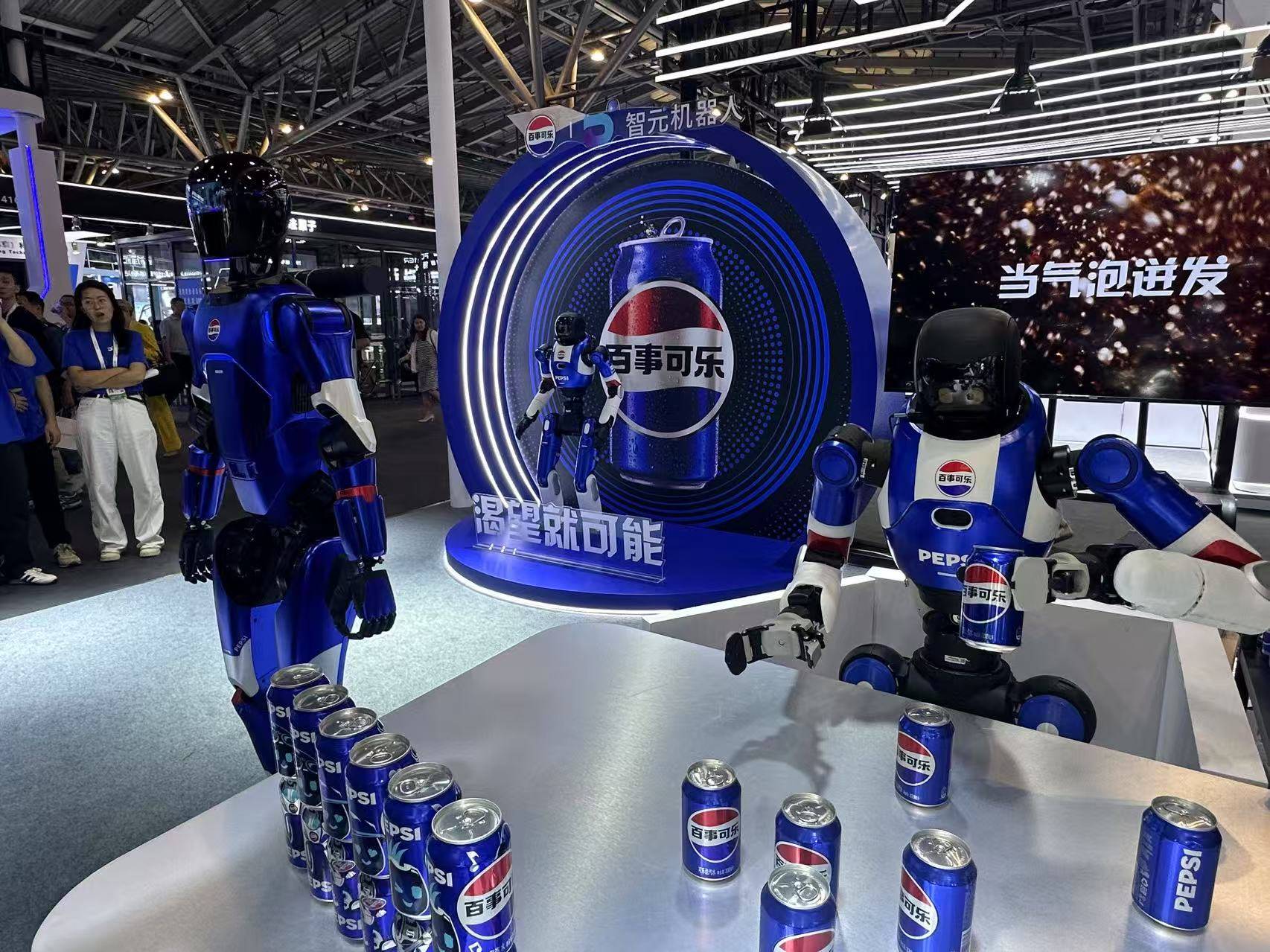
Core Viewpoint - The integration of AI into consumer products is evolving from a technical novelty to a part of daily life, but the journey remains challenging and superficial in many areas [3][8][22]. Group 1: AI in Fast-Moving Consumer Goods (FMCG) - Major FMCG companies are showcasing AI innovations, such as Yili's real-time AI supply chain system and Feihe's AI-driven safety and nutrition enhancements for infant formula [6][5]. - Unilever launched the "AI for Science" platform, which includes six AI models for product development and ingredient selection [6]. - PepsiCo's booth featured humanoid robots that engage with visitors, highlighting the entertainment aspect of AI in consumer interactions [6][8]. Group 2: Smart Glasses and Fashion - The AI glasses segment is gaining popularity, with products shifting towards lightweight and personalized designs to appeal to younger consumers [10][12]. - Alibaba's Quark AI glasses integrate various services, such as navigation and payment, enhancing user convenience [12]. - Despite the excitement, no domestic AI/AR glasses brand has achieved significant market success yet, indicating that the market is still in its infancy [16][22]. Group 3: AI in Sports and Fitness - AI fitness devices, like the "AI personal trainer mirror," are gaining traction, providing real-time feedback on exercise form [19]. - The introduction of consumer-grade exoskeletons, such as the VIATRIX, marks a significant step into the civilian market for AI-assisted physical activities [20]. - The beauty industry is also leveraging AI for personalized skincare solutions, as demonstrated by the AI skin analysis robot [20]. Group 4: AI in Content Creation and Office Efficiency - AI tools are enhancing workplace productivity, with features like automatic video editing and real-time translation [21]. - The "Giant AI Super Intelligent Entity" from Botao Technology is designed to interact with tourists, showcasing the potential of AI in the tourism sector [21]. Group 5: Future of AI in Consumer Experience - The relationship between AI and consumers is evolving beyond mere product purchases to include experiences, emotional value, and engagement [22]. - The 2025 WAIC event highlighted the ongoing transformation of AI from a background technology to a central element in consumer lifestyles [22].
WAIC现场,消费企业成 AI 落地 “显眼包”
Hu Xiu· 2025-07-30 13:36
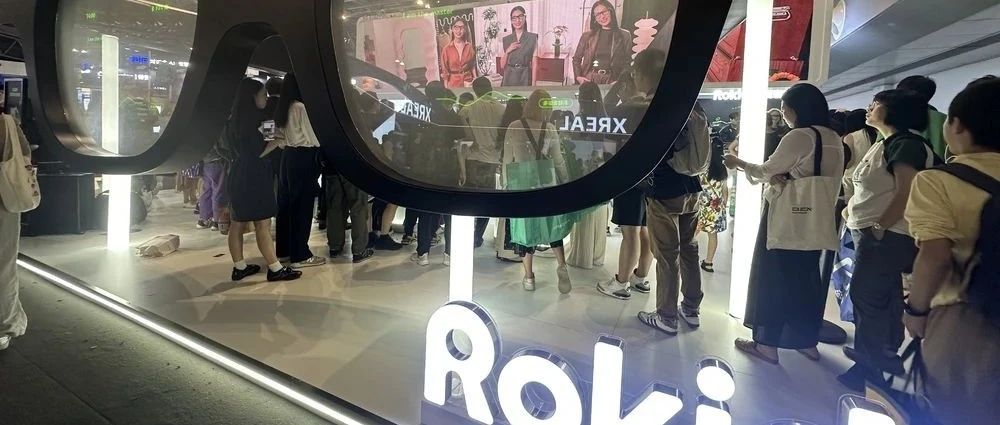
Core Insights - The integration of AI into consumer products is evolving from a technical concept to a part of daily life, with various brands showcasing their innovations at the WAIC 2025 [1][22] - Despite the excitement surrounding AI, many applications in the consumer goods sector remain superficial, lacking strong connections to the products themselves [5][22] Group 1: Consumer Goods and AI Integration - Major consumer brands are leveraging AI to enhance their product offerings and supply chain efficiency, as seen with companies like Yili and Feihe showcasing AI-driven supply chain systems and health monitoring for dairy cows [2][3] - Unilever introduced the "AI for Science" platform, which includes six AI models for product development, indicating a shift towards data-driven innovation in consumer goods [3] - PepsiCo's interactive humanoid robots at their booth highlight the trend of using AI for consumer engagement and brand interaction [3] Group 2: AI in Fashion and Wearables - The AI eyewear segment is gaining traction, with products focusing on lightweight and personalized designs to appeal to younger consumers, as demonstrated by Halliday Glasses and Alibaba's Quark AI glasses [6][8] - The trend of "de-teching" smart glasses aims to make them more fashionable and integrated into daily life, moving away from the perception of being purely technical devices [8][16] Group 3: AI in Fitness and Outdoor Activities - AI fitness devices, such as the "AI personal training mirror," are becoming popular, providing real-time feedback on exercise form and promoting a more interactive fitness experience [18] - The introduction of consumer-grade exoskeletons like VIATRIX indicates a growing interest in AI applications beyond traditional fitness settings, targeting outdoor enthusiasts [19] Group 4: AI in Beauty and Personal Care - The beauty industry is focusing on personalized solutions, with AI skin detection robots offering tailored skincare recommendations based on individual assessments [21] - AI innovations in office productivity tools aim to enhance efficiency, addressing common workplace challenges through smart features [21] Group 5: Future of AI in Consumer Experience - The overall trend indicates that AI is not just about technology but about enhancing consumer experiences, emotional engagement, and participation in the brand narrative [22][23] - The journey of integrating AI into everyday life is just beginning, with significant potential for future developments in various sectors [23]