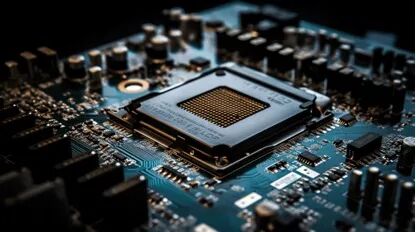
理想M100芯片

Search documents
理想这次入选的ISCA Industry Track门槛真挺高的
理想TOP2· 2026-03-30 08:31
2025年6月29日TOP2发文 不用给理想入选ICCV高评价, 牛的是理想的工作, 不是ICCV ,这里核心锚点是现在ICCV一年要录用两三千篇论文,对于理想这 种体量的公司而言,在头部会议Main Track发多篇论文是认真做就能做到的事。 ISCA Industry Track则不同,从2020年开始有独立的评审委员会和专门的标识,一年只录取4-6篇左右,要求第一作者必须是工业界,必须是真实量产或准 量产成果。 即这不是说理想M100芯片这事投稿就一定能被录取的,确实是一个挺高的硬门槛。 Camera-Ready时间是2026年5月9日,推测M100芯片的论文会在4月上arXiv,上arXiv后TOP2会尽快向读者分享相关内容。 以下为此前入选ISCA Industry Track的论文,主要内容,后续影响,公司名。 | 公司名 | 主要内容 | 后续影响 | 论文名 | | --- | --- | --- | --- | | IBM | 介绍 IBM POWER9 和 z15 处理器上的硬件数据 | 显著降低了企业级存储的 | Data Compression Accelerator on | | | ...

智驾芯片变天,蔚小理“集体”放弃英伟达
Xin Lang Cai Jing· 2026-01-23 10:25
Core Viewpoint - Chinese automotive companies are reevaluating their reliance on Nvidia's smart driving chips, with companies like XPeng and Li Auto shifting towards self-developed chips, indicating a significant change in the industry landscape [1][4]. Group 1: Shift to Self-Developed Chips - XPeng Motors launched four new models equipped with its self-developed Turing AI chip, marking a departure from previous models that used Nvidia chips [1]. - Li Auto plans to use its self-developed M100 chip in the major redesign of its L9 model, which is expected to enter mass production in Q1 2025, offering performance that surpasses Nvidia's Thor-U chip [1]. - NIO has calculated that its reliance on Nvidia's Orin chips will cost over $300 million in 2024, prompting a shift to its self-developed Shenji chips to reduce costs by approximately 10,000 yuan per vehicle [2]. Group 2: Market Dynamics and Competition - The trend of "de-Nvidia" among new automotive forces is gaining momentum, with NIO, XPeng, and Li Auto accelerating their transition away from Nvidia [4]. - By 2025, the combined sales of NIO, XPeng, and Li Auto are projected to exceed 1.16 million units, driven by partnerships with Huawei and the expansion of smart driving technologies into entry-level models [4][9]. - Nvidia's market share in China is expected to decline from 39% in 2024 to 25% in 2025, as its Orin architecture is considered outdated and its Thor chip faces performance issues [5]. Group 3: Future Trends in the Automotive Industry - The Chinese automotive market is anticipated to see a significant increase in L2-level assisted driving vehicles, with a projected 21.2% year-on-year growth in new car sales featuring these capabilities by 2025 [5]. - The competition in the high-end market is intensifying, with local brands increasingly adopting self-developed chips, reducing their dependency on Nvidia [9]. - The automotive industry's shift from "regulatory control" to "end-to-end" smart driving technology is expected to reshape the landscape by 2025 [4].


探访理想常州工厂:“被放假”是常态,这个春节很难
3 6 Ke· 2026-01-23 02:30
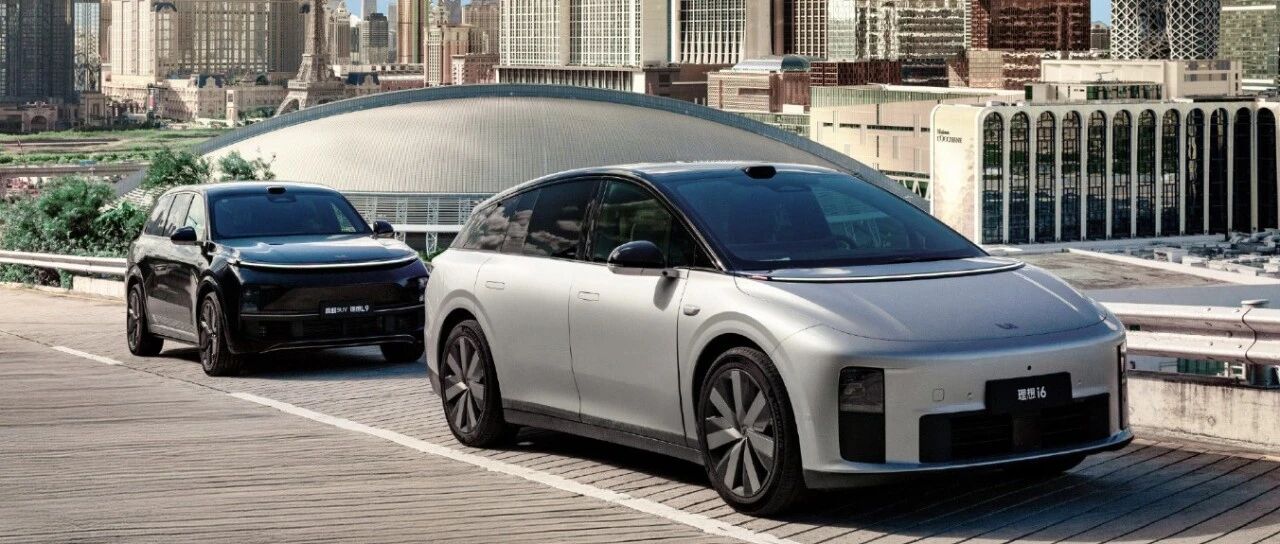
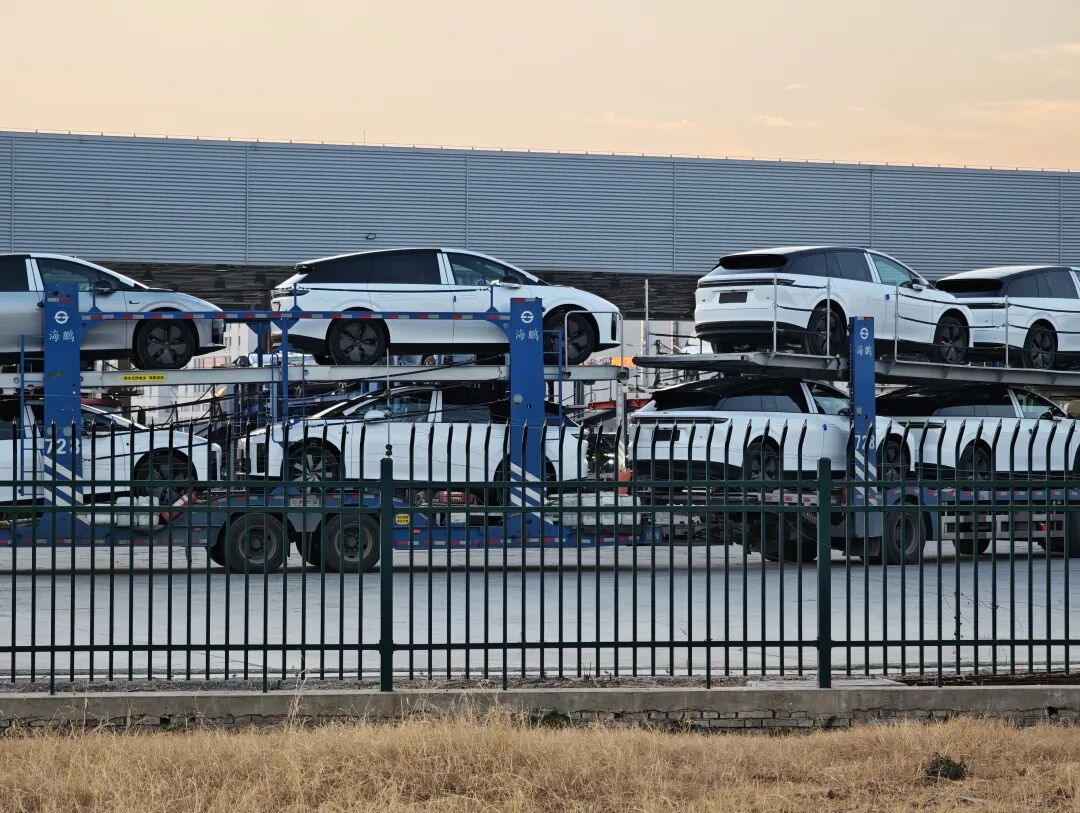
Core Insights - The current operational status of Li Auto's Changzhou factory reflects significant production challenges, with workers experiencing reduced working hours and income due to low orders for key models L7 and L8 [2][4][14] - The company is facing a broader industry trend of production capacity underutilization, particularly in January, which is traditionally a slow season for auto sales [18][19] - Li Auto is adjusting its product strategy to focus on both range-extended and entry-level electric vehicles, aiming to regain market share and improve production efficiency [19][20][21] Group 1: Current Operational Challenges - Workers at Li Auto's Changzhou factory are experiencing a "three days on, four days off" schedule due to low demand for L7 and L8 models, leading to concerns about income and job security [2][4][14] - External workers, such as students hired for temporary jobs, are also facing similar issues, with many considering leaving due to insufficient work [3][14] - The disparity in workload between different production areas within the factory highlights the impact of model performance on operational efficiency [4][5][7] Group 2: Market Performance and Strategic Adjustments - Li Auto's sales in 2025 are projected to decline by 19%, with significant drops in the sales of L7 and L8 models, indicating increased competition from rivals [19][26] - The company is shifting its focus back to range-extended vehicles and high-end markets, while reducing the number of model variants to streamline production [20][21] - Organizational changes are being implemented to enhance internal manufacturing capabilities and reduce reliance on external suppliers, which may lead to short-term disruptions for local suppliers [22][26] Group 3: Financial Position and Future Outlook - Li Auto maintains a strong cash reserve of over 51.1 billion yuan and significant R&D investments, providing a foundation for potential recovery and growth [26][27] - The company is under pressure to fulfill its commitment to increase worker salaries to match those in developed countries, with time running out to meet this promise [26][27] - The upcoming changes in production rhythm and strategic adjustments are critical for Li Auto's ability to navigate current challenges and achieve long-term success [27]
货不对版!京东国民好车陷「批量退订潮」;李想承认犯错,理想汽车将回归创业模式;黄仁勋内部讲话泄露:少用AI?你们疯了吗?
雷峰网· 2025-11-27 00:28
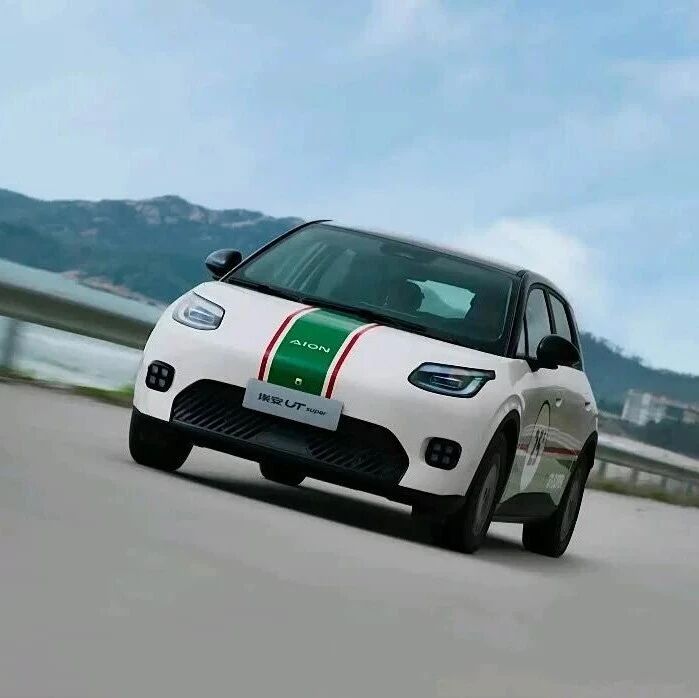
Group 1 - Jensen Huang, CEO of NVIDIA, encourages employees to use AI more, opposing management's request to reduce AI usage, stating that all tasks that can be automated should be automated [4][5] - NVIDIA continues to hire aggressively, with plans to increase its workforce from 29,600 at the end of FY2024 to 36,000 by the end of FY2025 [5] - The company has expanded its global offices and aims to recruit approximately 10,000 more employees [5] Group 2 - JD.com's exclusive sale of the "National Good Car" Aion UT Super has faced a refund wave due to discrepancies between advertised and actual vehicle configurations, leading to consumer dissatisfaction [7][8] - The controversy centers around missing features such as a sunroof and undisclosed battery rental mileage limits, prompting JD to remove misleading promotional images [8] - After initial refusals, JD eventually apologized and processed refunds following public outcry [8] Group 3 - Li Xiang, CEO of Li Auto, announced a return to a startup management model after acknowledging past mistakes, aiming to enhance adaptability in a volatile market [11] - The company reported Q3 revenue of 27.4 billion yuan, a 36.2% year-over-year decline, with a net loss of 620 million yuan [11] - Li Auto plans to deliver its self-developed M100 chip by 2026, which will enable proactive service capabilities in vehicles [11] Group 4 - Xiaomi has expanded its robotics team, hiring members from Tesla's Optimus team to accelerate the development of its dexterous robots [9][10] - The company has been actively investing in robotics, with a focus on bionic robots and plans for mass production of its humanoid robot CyberOne [10] - Xiaomi's robotics division is currently recruiting for various positions related to dexterous hand technology [10] Group 5 - HP announced plans to lay off 6,000 employees by 2028, aiming to save $1 billion annually through increased AI integration [34][35] - The company reported a 4% revenue growth in Q4, reaching $14.65 billion, with a full-year revenue of $55.3 billion [34] - HP's restructuring will involve a $650 million investment, with $250 million allocated for FY2026 [34] Group 6 - Long-term plans for Great Wall Motors include establishing its first complete vehicle factory in Europe, targeting an annual production of 300,000 vehicles by 2029 [41][42] - The company is evaluating locations in Spain and Hungary for the new factory, aiming to enhance its competitive position against rivals like BYD [41][42] - Great Wall Motors has set a goal of achieving 1 million overseas vehicle sales by 2030, emphasizing the need for a faster European strategy [42] Group 7 - Epic Games' CEO Tim Sweeney highlighted the rising prices of memory components, which could significantly impact the gaming industry in the coming years [37] - The price of DDR5-6000 memory has surged, with costs exceeding 4,000 yuan, affecting consumer access to gaming hardware [37] - Sweeney attributed the price increase to manufacturers prioritizing AI-related production over consumer electronics [37] Group 8 - Tesla's VP clarified that the company is not eliminating Chinese suppliers, emphasizing that supplier selection is based on quality and cost rather than geographic origin [36] - Tesla's Shanghai Gigafactory has been instrumental in providing competitive pricing for its vehicles in the Chinese market [36]