
瑜伽服饰

Search documents
体育产业发展水平跃升
Jing Ji Ri Bao· 2026-01-29 22:29
Group 1 - The core viewpoint of the articles highlights the rapid growth of the sports industry in China, driven by increasing consumer demand for sports services and experiences rather than just products [1][2][3] - The sports service sector, including training, fitness guidance, and rehabilitation, is becoming a major driver of the sports industry, indicating a shift towards consumers paying for experiences and health [1] - The sports goods manufacturing industry is moving towards the high end of the value chain, with trends towards specialization, segmentation, and smart technology in sports equipment [1] - Domestic sports brands are gaining market share and brand influence by quickly adapting to local consumer needs and innovating in product development [1] Group 2 - The development of sports facilities is crucial for the growth of the sports industry, with local governments focusing on efficient utilization and high-quality provision of sports venues to meet diverse public fitness needs [2] - The economic contribution of the sports industry is becoming more significant, with major events driving consumption growth and benefiting related industries such as accommodation, dining, and transportation [2] - The government aims to cultivate world-class sports enterprises and events by 2030, with the sports industry expected to exceed a total scale of 7 trillion yuan, playing a vital role in the new development pattern [3]
MAIA ACTIVE更换话事人,由安踏集团二代掌舵
Xi Niu Cai Jing· 2026-01-20 09:47
Group 1 - MAIA ACTIVE will adjust its reporting structure starting in 2026, with brand operations reporting directly to Ding Shaoxiang, the son of Anta Group's chairman [2] - Ding Shaoxiang will oversee MAIA ACTIVE but will not participate in daily operations as CEO; the current president remains Zhao Guangxun [2] - MAIA ACTIVE was established in 2016, focusing on yoga apparel designed for Asian women, and Anta Group acquired 75.1% of its shares in October 2023 [2] Group 2 - Following the acquisition, co-founder and design head Ou Yirou left the company, and co-founder and former CEO Wang Jiayin is set to depart in early 2024 [2] - Zhao Guangxun was appointed as president of MAIA ACTIVE in May 2024, reporting directly to Anta's CEO Xu Yang, and has a background in managing New Balance's China operations [2] - Under Zhao's leadership, MAIA ACTIVE has expanded its offline store presence, focusing on high-end shopping malls to strengthen its premium and diverse brand perception [2] Group 3 - MAIA ACTIVE's revenue is projected to grow approximately 30% year-on-year in 2024, with continued high double-digit growth in Q1 2025 [3] - Zhao Guangxun has publicly stated a goal of achieving a 50%-60% compound annual growth rate over the next five years [3]


安踏体育(02020.HK):具备扎实运营实力及丰富品牌矩阵应对环境变化
Ge Long Hui· 2026-01-17 20:38
Group 1: Company Strategy and Performance - Anta Group's core growth engine is a differentiated and complementary multi-brand combination, focusing on a "single focus, multi-brand, globalization" strategy to enhance global expansion and steady growth [1] - The company has integrated AI technology into its shoe supply chain, promoting business innovation and green transformation, establishing a VR technology platform for efficient collaboration across the supply chain [1] - Anta's revenue projections for 2025-2027 are estimated at 78.4 billion, 87 billion, and 96.3 billion RMB, with net profits of 13.2 billion, 14.2 billion, and 16.8 billion RMB respectively, reflecting a slight adjustment due to external uncertainties [3] Group 2: Market Environment and Consumer Trends - The Chinese macroeconomic environment remains stable with a GDP growth of 5.2% in the first three quarters of 2025, and retail sales of consumer goods reaching 45.6 trillion RMB, a 4% increase [1] - Despite challenges, the Chinese sports goods market shows resilience, particularly in the outdoor sports segment, which is expected to maintain a favorable growth trend [2] - High-quality lifestyle demands from Chinese consumers are driving growth for premium sports brands, with DESCENTE achieving satisfactory growth through product innovation and effective membership systems [2]

Alo挖角DIOR总经理,背后透露品牌豪华化战略意图直指Lululemon
Jing Ji Guan Cha Bao· 2026-01-12 09:31
Core Insights - Alo has appointed Benedetta Petruzzo as CEO of its international business, marking a strategic shift towards global expansion and luxury branding [1][2] - The appointment is seen as a direct challenge to Lululemon, indicating Alo's intent to strengthen its position in the high-end market [1][3] Group 1: Leadership and Experience - Benedetta Petruzzo brings extensive experience from the luxury sector, having previously held significant roles at Dior and Prada, where she drove substantial growth [2] - Her background in luxury brands is expected to enhance Alo's competitiveness in the global luxury activewear market [2][5] Group 2: Luxury Strategy - Alo's luxury strategy includes launching high-end products, such as a leather handbag line priced at $3,600, and opening a flagship store on the Champs-Élysées in Paris [3] - This move reflects Alo's ambition to capture high-end consumers and differentiate itself from Lululemon, which has a stronghold in functional and comfortable activewear [3][4] Group 3: Global Expansion - Alo has expanded its international presence, shipping to 128 countries and operating over 100 stores in 26 countries, with plans to open stores in Shanghai and Beijing [4] - The choice of high-end locations for new stores indicates Alo's strategy to target affluent and fashion-conscious consumers [4][5] Group 4: Competitive Landscape - Alo's luxury positioning aims to challenge Lululemon's dominance in the activewear market, which has been bolstered by its strong brand recognition and product quality [5][6] - The competition between Alo and Lululemon is expected to intensify, with Alo focusing on high-end consumer segments and innovative product offerings [6]

Lululemon转型困局,创始人威尔逊向董事会发起“逼宫”
Jing Ji Guan Cha Bao· 2026-01-07 09:18
Core Insights - Lululemon is facing a significant power struggle as founder Chip Wilson initiates a proxy fight to restructure the board, reflecting his dissatisfaction with the current management's strategic direction [1][2] - Wilson aims to nominate three independent directors to the board and advocates for annual board elections, believing these candidates can revitalize the brand and enhance shareholder value [1][2] Company Strategy and Brand Positioning - The proxy fight highlights a conflict between short-term commercial growth and long-term brand integrity, with concerns that pursuing a "mass market" strategy may dilute Lululemon's high-end market advantages [2][8] - Wilson criticizes the current leadership for failing to maintain brand innovation and high-end positioning, leading to a loss of competitive edge and consumer loyalty [3][4][5] Financial Performance - Under CEO Calvin McDonald, Lululemon's revenue grew from $3.3 billion to over $10 billion, with a 10% revenue increase in fiscal year 2024, reaching $10.6 billion and a net profit of $1.815 billion, up 17% [6] - However, growth has slowed in fiscal year 2025, with Q1 revenue at $2.371 billion, a 7.32% increase, and net profit down 2.13%, indicating a shift to a slower growth phase [6][7] - Despite overall performance decline, Lululemon has seen significant growth in the Chinese market, with Q2 and Q3 revenues increasing by 25% and 46% respectively, becoming a key driver for international business [7][8] Market Competition and Strategic Choices - Lululemon faces increasing competition from both international brands like Nike and Adidas and local brands such as Anta and Li Ning, which are enhancing their offerings in the yoga apparel sector [8] - The brand is at a critical strategic juncture, needing to decide whether to return to its innovative roots and high-end positioning or continue its mass-market expansion [8]
一条瑜伽裤卖了20亿
投资界· 2026-01-06 07:45
Core Viewpoint - The article highlights the ongoing trend of mergers and acquisitions (M&A) in the consumer sector, emphasizing significant deals and the strategic movements of investment firms like Bain Capital in the Asian market [4][9]. Group 1: Recent M&A Activities - Bain Capital announced the acquisition of Andar's parent company, Echo Marketing, for a total consideration of 5000 billion KRW (approximately 2.4 billion RMB) [4]. - The acquisition will occur in two phases: first, Bain Capital will purchase 43.66% of shares for 2166 billion KRW (approximately 1 billion RMB), followed by a tender offer for the remaining 56.4% at a premium of 49.5% over the last closing price [5]. - Andar, known as the "Korean version of Lululemon," has seen its sales reach a historical high of 1358 billion KRW in the first half of 2025 [5]. Group 2: Market Trends and Insights - The consumer M&A landscape has been active, with notable transactions such as Sequoia China acquiring a controlling stake in the fashion brand Golden Goose, and Starbucks selling 60% of its China business for a total of $4 billion [9]. - The article notes that many high-quality companies are currently available at significant discounts due to market adjustments since 2022, making the current M&A environment attractive for investors [11]. - There is a growing sentiment among investors that the time for M&A in the Chinese market has arrived, driven by industry upgrades and increasing consolidation [10][11]. Group 3: Bain Capital's Strategy - Bain Capital has a history of successful investments in the consumer sector, including the acquisition of Canada Goose in 2013 for $250 million, which later saw a peak market value exceeding $7.8 billion [7]. - The firm also acquired a majority stake in the Japanese fashion and lifestyle group Mash for approximately 10 billion RMB, marking one of the largest PE acquisitions in Japan's fashion sector [7]. - Bain Capital's strategy appears to focus on identifying and capitalizing on undervalued assets in the consumer market, particularly in Asia [6][10].

Lululemon夺权风暴
Bei Jing Shang Bao· 2025-12-30 16:04
Core Viewpoint - Lululemon's founder Chip Wilson has initiated a proxy fight to restructure the board, expressing dissatisfaction with the company's current direction and performance under the existing management [1][3]. Group 1: Founder’s Discontent - Chip Wilson plans to nominate three independent board candidates for the 2026 shareholder meeting, citing a lack of visionary leadership in the current board [3]. - Wilson believes that Lululemon needs creative leadership to regain stakeholder confidence and business growth momentum, which he feels is currently lacking [3]. - The recent resignation of CEO Calvin McDonald, effective January 31, 2026, marks a significant leadership change, as he has been credited with growing Lululemon's revenue from $3.3 billion to over $10 billion [3][6]. Group 2: Strategic Challenges - Lululemon has expanded from a niche yoga brand to a broader lifestyle brand, facing challenges in balancing professionalism and fashion, as well as extending its brand appeal to male consumers [4]. - Wilson has criticized the current management for causing a "loss of cool" for the brand, emphasizing the need for creative talent rather than purely financial-focused leadership [4]. - The proxy fight reflects a strategic debate over whether Lululemon should pursue a premium brand positioning or a more value-oriented approach in a polarized consumer market [5]. Group 3: Financial Performance - In fiscal year 2024, Lululemon reported a 10% year-over-year revenue increase to $10.6 billion and a net profit of $1.815 billion, up 17.06% [6]. - However, revenue growth has slowed in fiscal year 2025, with Q1 revenue at $2.371 billion (up 7.32%) and Q3 revenue at $2.57 billion (up 7%), while net profit declined by approximately 12.8% in Q3 [6][9]. - The Americas market saw a 2% revenue decline to $1.7 billion in Q3 2025, which constitutes 68% of total revenue, indicating challenges in the core market [9]. Group 4: Market Dynamics in China - Lululemon's performance in China has been a bright spot, with Q2 revenue growth of 25% and Q3 growth of 46%, making it a key driver for international business [7]. - Despite strong growth, Lululemon faces increasing competition from both international brands like Nike and Adidas and local brands such as Anta and Li Ning [7][8]. - The brand's market share in China is still under 20% of total revenue, suggesting that while the Chinese market is performing well, it may not significantly impact overall growth [9].
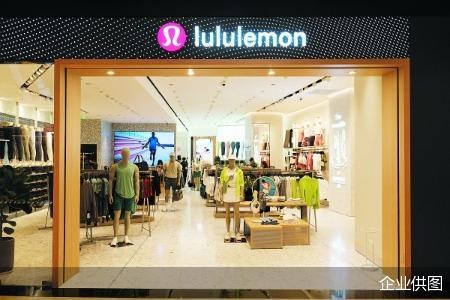
换帅、博弈,Lululemon的“多事之秋”
Bei Jing Shang Bao· 2025-12-30 13:22
Core Viewpoint - Lululemon's founder Chip Wilson has initiated a proxy battle to restructure the board, expressing dissatisfaction with the company's current direction and management, which he believes is causing a loss of the brand's original intent and vision [2][4]. Founder’s Discontent - Chip Wilson plans to nominate three independent board candidates for the 2026 shareholder meeting, citing a lack of visionary leadership in the current board [2]. - Wilson criticizes the board and CEO Calvin McDonald for failing to regain stakeholder confidence and for the company's inability to restore growth momentum [2][5]. - He has publicly stated that the current management is overly focused on financial performance at the expense of creativity and innovation, leading to a loss of top talent and internal capabilities [5]. Leadership Changes - Calvin McDonald will step down as CEO and board member effective January 31, 2026, after leading the company for seven years, during which Lululemon's revenue grew from $3.3 billion to over $10 billion [3][5]. - The transition is seen as a potential turning point for Lululemon's strategic direction, allowing new leadership to implement fresh strategies [6]. Business Performance - For fiscal year 2024, Lululemon reported a 10% year-over-year revenue increase to $10.6 billion and a net profit of $1.815 billion, up 17.06% [5]. - However, growth has begun to slow, with Q1 2025 revenue at $2.371 billion, a 7.32% increase, and Q3 2025 revenue at $2.57 billion, a 7% increase, while net profit declined by approximately 12.8% [5][6]. Market Dynamics - The Chinese market has shown strong growth, with a 25% revenue increase in Q2 2025 and a 46% increase in Q3 2025, making it a key driver for international growth [6][7]. - Despite the positive performance in China, Lululemon faces increasing competition from both international brands like Nike and Adidas and local brands such as Anta and Li Ning [6][7]. - Lululemon's brand positioning is at risk as it pursues scale and efficiency, potentially diluting its premium image in the market [7]. Strategic Implications - The ongoing proxy battle reflects a broader strategic debate within Lululemon regarding its future direction, balancing short-term growth with long-term brand integrity [4][6]. - The company's ability to navigate these challenges will be crucial for its success in a polarized consumer market [4].
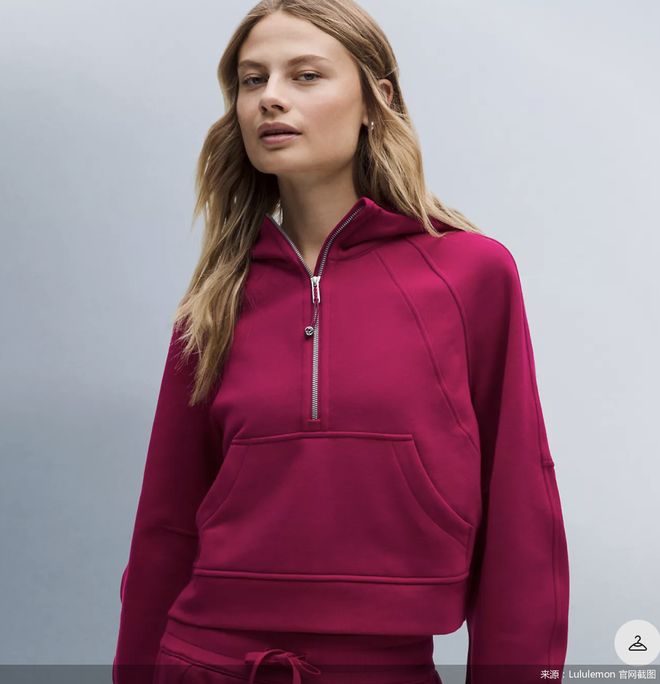
换帅、博弈……Lululemon的“多事之秋”
Bei Jing Shang Bao· 2025-12-30 13:15
Core Viewpoint - Lululemon's founder Chip Wilson has initiated a proxy fight to restructure the board, expressing dissatisfaction with the company's current direction and performance under the existing management [2][3]. Group 1: Founder’s Discontent - Chip Wilson plans to nominate three independent board candidates for the 2026 shareholder meeting, citing a lack of visionary leadership in the current board [3]. - Wilson believes that Lululemon needs creative leadership to regain stakeholder confidence and restore business growth, criticizing the current board for being financially focused [3][4]. - The resignation of CEO Calvin McDonald, effective January 31, 2026, marks a significant leadership change, with McDonald having led the company to surpass $10 billion in annual revenue from $3.3 billion during his tenure [3][7]. Group 2: Strategic Direction and Challenges - Lululemon has expanded from a niche yoga brand targeting affluent, health-conscious women to a broader lifestyle brand, which has led to challenges in maintaining its original brand identity [5][6]. - The proxy fight represents a conflict between short-term business growth and long-term brand integrity, with concerns about the management's focus on financial metrics over strategic innovation [6]. - Recent financial performance shows a slowdown, with Q1 2025 revenue growth at 7.32% and Q3 2025 revenue growth at 7%, alongside a decline in net profit [7]. Group 3: Market Performance and Opportunities - The Chinese market has been a bright spot for Lululemon, with Q2 2025 revenue growth of 25% and Q3 growth of 46%, making it a key driver for international business [8][9]. - Despite strong performance in China, Lululemon faces increasing competition from both international brands like Nike and Adidas and local brands such as Anta and Li Ning [8][9]. - Lululemon's brand positioning is at risk of becoming too mainstream, which could undermine its premium image as the "Hermès of yoga" [9].
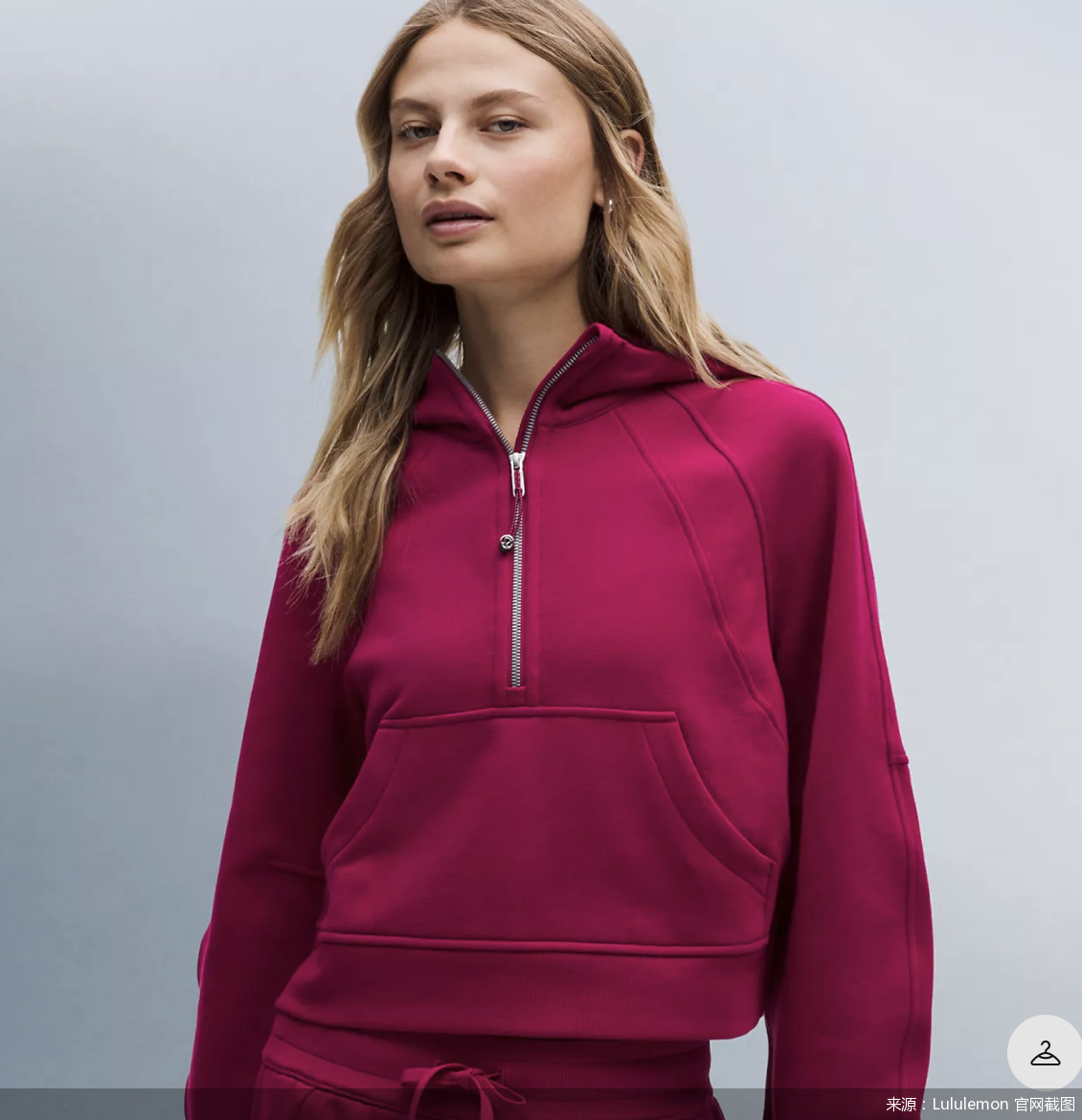
赚不到更多美国人的钱,lululemon的CEO辞职了
3 6 Ke· 2025-12-13 04:10
Core Viewpoint - The sudden resignation of lululemon's CEO Calvin McDonald raises concerns about the company's leadership transition and ongoing growth pressures, particularly in the competitive market landscape [1][2]. Group 1: Leadership Changes - Calvin McDonald plans to resign as CEO and board member effective January 31, 2026, with a transition period as a senior advisor until March 31, 2026 [1]. - The board chair, Marti Morfitt, will serve as interim executive chair, while CFO Meghan Frank and CBO André Maestrini will act as co-CEOs after McDonald's departure [1]. - The company is currently working with a top executive search firm to find McDonald's successor [1]. Group 2: Financial Performance - For the first nine months of fiscal year 2025, lululemon's net revenue increased from $6.977 billion to $7.462 billion, while operating profit decreased from $1.464 billion to $1.398 billion [2]. - Net profit fell from $1.066 billion to $992 million, and overall gross margin declined from 58.6% to 57.4% [2]. - Since McDonald's tenure began in fiscal year 2018, lululemon's net revenue has nearly tripled from $3.288 billion to an estimated $10.588 billion for fiscal year 2024 [2]. Group 3: Market Challenges - The founder, Chip Wilson, has publicly criticized lululemon for stagnation in product innovation and over-commercialization, indicating a disconnect between the brand's core values and its current direction [3]. - Increased competition from brands like Alo Yoga and Vouri, as well as traditional giants like Nike and Adidas, is impacting lululemon's market share, particularly among young female consumers [4]. - Revenue growth in the Americas has slowed, with projections indicating a potential decline of 1% to 2% in fiscal year 2025 [4]. Group 4: Strategic Adjustments - China remains a crucial market for lululemon, with expected revenue growth of 20% to 23% for fiscal year 2025, although this is a significant slowdown from over 40% growth in fiscal year 2024 [5]. - The company is adapting its sales strategies in China, participating more frequently in e-commerce promotions and adjusting in-store sales tactics to maintain market share amid increasing competition [5].