
瓜果

Search documents
河南方城:便捷交通赋能乡村振兴提质增效
Zhong Guo Jing Ji Wang· 2026-02-09 09:57
Core Insights - The article highlights the successful integration of transportation infrastructure improvements with agricultural development in Guzhuangdian Town, Henan Province, leading to increased efficiency and economic benefits for local farmers [1][2] Group 1: Agricultural Development - The town has established 44,000 acres of high-standard farmland and developed a 3,500-acre fruit and vegetable picking garden, enhancing the online sales channels for quality agricultural products [2] - The steel onion cultivation area in Cangli Village has reached hundreds of acres, becoming a key industry for local economic growth [2] - The introduction of modern agricultural practices, including the use of over 100 facility agriculture greenhouses, has led to the successful staggered planting and marketing of crops like tomatoes and peppers, ensuring year-round income from the land [2] Group 2: Transportation Infrastructure - The completion of the G345 line reconstruction has significantly reduced travel time from the county seat to the town from 40 minutes to 15 minutes, facilitating better access for external buyers [1] - The new road network has decreased logistics costs for agricultural products by approximately 30%, improving the efficiency of transporting fresh produce to markets [1] - The ongoing investment in rural road construction has resulted in the new and upgraded rural roads totaling 3,291.32 kilometers, providing strong support for the development of specialty agriculture [2] Group 3: Economic Impact - The improved transportation has stimulated the growth of the "road economy," with service industries such as dining, lodging, and auto repair clustering along the new routes [1] - The integration of transportation and agricultural development has created a virtuous cycle, promoting both economic growth and rural revitalization [2] - The town's approach to combining agriculture with tourism and leisure activities is seen as a model for rural economic development, leveraging local resources for broader economic benefits [2]
这7种食物看似没坏但可能“有毒”,快检查你家有没有
Xin Lang Cai Jing· 2026-01-20 12:46
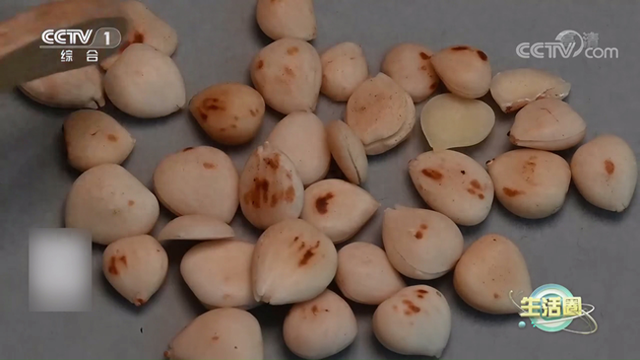
Group 1 - The article highlights the potential health risks associated with consuming certain foods that may appear safe but can lead to food poisoning [1][4][6] - It emphasizes the dangers of improperly stored nuts, which can develop harmful toxins like aflatoxin and cyanide from bitter almonds [1][3] - The article warns against consuming long-soaked wood ear mushrooms due to the risk of mycotoxin poisoning, particularly from the bacteria producing heat-resistant toxins [4][5] Group 2 - It discusses the hazards of eating sprouted potatoes, which contain solanine, a natural toxin that increases significantly when potatoes sprout or turn green [6][7] - The article points out that bitter fruits and vegetables can contain cucurbitacin, a toxin that affects the nervous system and is not destroyed by cooking [7][8] - It advises against consuming partially rotten or moldy fruits and vegetables, as they can harbor harmful bacteria and toxins like nitrites and mycotoxins [8][9] Group 3 - The article mentions the risks associated with red-hearted sugarcane, which indicates mold contamination and the presence of 3-nitropropionic acid, a potent neurotoxin [9][10] - It warns about the dangers of consuming dead crabs, which can accumulate histamines that remain toxic even after cooking, leading to allergic reactions [11][12]

这些食物看似没坏,可能“有毒”!再节省也千万别吃......
Xin Lang Cai Jing· 2026-01-19 11:01
Group 1 - The article highlights the health risks associated with consuming seemingly safe but actually spoiled foods, emphasizing the importance of food safety and awareness [1][2] - Nuts can become rancid and may contain aflatoxins, which are highly toxic and carcinogenic, especially if they develop a bitter taste [2] - Sprouted potatoes and bitter fruits can contain harmful toxins that are not destroyed by cooking, posing serious health risks [3][4] Group 2 - Consuming partially rotten or moldy fruits and vegetables can lead to contamination with harmful substances like nitrites and mycotoxins, which can affect liver function and blood oxygen transport [8][9] - Red heart sugarcane is a sign of mold contamination, which can lead to severe health issues if consumed [10][11] - Dead crabs pose a significant risk of food poisoning and should be avoided [13]
前三季度全省农林牧渔业总产值同比增长3.5% 农业加速跑 增速比上半年加快 0.2个百分点
Si Chuan Ri Bao· 2025-10-27 00:21
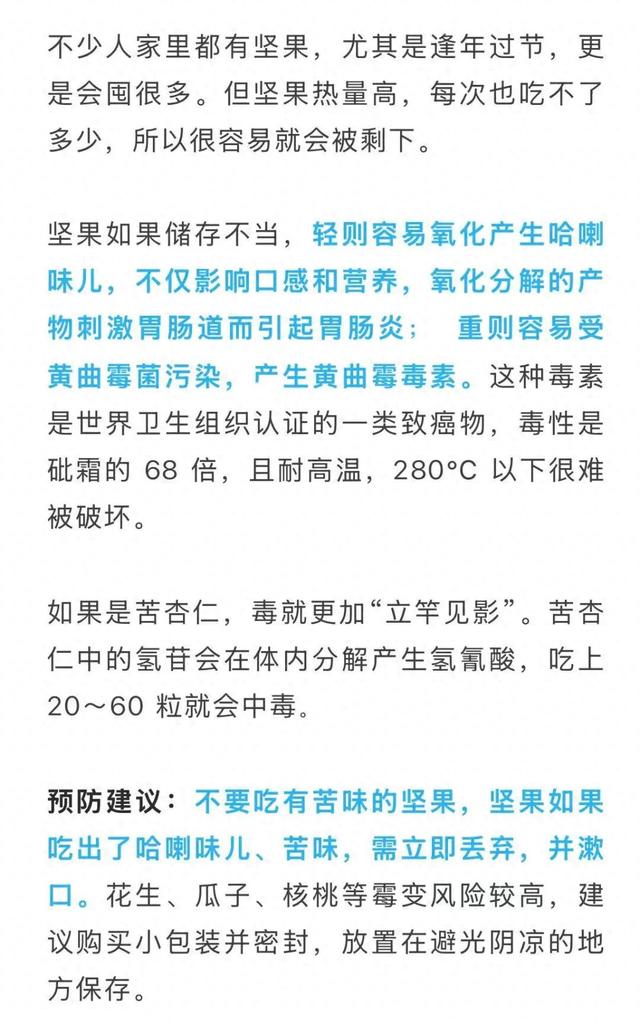
Core Viewpoint - Sichuan's agricultural sector shows steady growth, with a total output value of 825.77 billion yuan in the first three quarters, reflecting a year-on-year increase of 3.5% and a slight acceleration compared to the first half of the year [3] Group 1: Agricultural Production Growth - The agricultural industry in Sichuan has demonstrated a positive growth trajectory, with vegetable and edible fungus production increasing by 4.4% year-on-year, and livestock output also showing improved growth rates [4] - The planting industry achieved an output value of 541.02 billion yuan, with a year-on-year growth of 3.6%, driven primarily by economic crops such as vegetables, fruits, and tea, which contributed 97% to this growth [5] - Sichuan's grain production is expected to exceed the annual target of 72.5 billion jin, supported by enhanced subsidy policies and competitive high-yield initiatives [5] Group 2: Livestock and Other Sectors - Sichuan is the leading province in China for pig farming, with livestock output value reaching 196.73 billion yuan, a year-on-year increase of 1.4%, indicating a recovery in the livestock sector [6] - Forestry and fishery sectors also showed growth, with forestry output value increasing by 9.8% to 37.54 billion yuan, and fishery output value rising by 6.6% to 29.81 billion yuan [6] Group 3: Industry Chain Enhancement - Sichuan's agricultural enterprises are actively participating in the China International Agricultural Products Trade Fair, showcasing over 200 products and achieving significant sales [7] - The province is focusing on integrating production, processing, and branding within its agricultural sectors, particularly in ten key industries, to enhance overall value [8] - A comprehensive plan has been initiated to strengthen the agricultural industry chain, with significant investments and support for key enterprises [9] Group 4: Policy Support and Future Outlook - High-quality policies are being implemented to boost the agricultural sector, including equipment upgrades and efficient breeding technology promotion, which have led to profitability for large-scale farming enterprises [10] - Ongoing efforts to address issues such as low processing rates and short supply chains are expected to further enhance the agricultural output and value in Sichuan [10]

陕西今年上半年休闲农业和乡村旅游接待游客5508.86万人次
Zhong Guo Xin Wen Wang· 2025-10-15 19:50
Group 1 - The core viewpoint of the articles highlights the growth of leisure agriculture and rural tourism in Shaanxi Province, with 55.09 million visitors and revenue of 3.77 billion yuan in the first half of the year, reflecting a year-on-year increase of 2.69% [1] - Shaanxi Province has prioritized agricultural and rural development, focusing on "strong agriculture, beautiful countryside, and wealthy farmers," and is actively developing characteristic industries to modernize agriculture and increase farmers' income [1] - The agricultural characteristic industries in Shaanxi are showing stable growth, with meat production reaching 640,000 tons, a year-on-year increase of 2.1%, and vegetable planting area at 4.59 million acres, with a production of 9.16 million tons, up by 3.8% [1] Group 2 - Despite the positive trends, Shaanxi faces challenges such as insufficient income generation efficiency, small-scale and scattered characteristic industries, and a lack of strong leading enterprises, with only three companies in the national top 500 agricultural enterprises [2] - Recommendations include accelerating industrial integration to enhance value generation, promoting the development of characteristic industries, and fostering deep integration of agriculture, culture, and tourism [2] - There is a need to broaden income channels for farmers, encouraging diversified employment opportunities and strengthening county-level characteristic industries [2]
苏州张家港到金昌物流公司苏州张家港至金昌专线
Sou Hu Cai Jing· 2025-10-02 11:36
Core Insights - The logistics line from Zhangjiagang to Jinchang connects important port cities in the Yangtze River Delta with the northwest's non-ferrous metal industrial hub, facilitating a comprehensive logistics solution for three major industries: non-ferrous metals, chemicals, and specialty agricultural products [6][22] Non-Ferrous Metal Logistics - Jinchang's non-ferrous metal industry has strict transportation requirements for nickel and copper raw materials, including corrosion prevention and collision protection [7] - A recent shipment involved transporting 800 tons of nickel concentrate and 500 tons of electrolytic nickel plates, emphasizing the need for moisture and oxidation prevention [7][10] - The logistics team implements five core measures to ensure safe transportation, including specialized protective designs and route optimization [8][10] Chemical Logistics - The chemical industry in Jinchang requires high compliance and safety standards for transporting sulfuric acid and fertilizers, with a focus on leak prevention and corrosion protection [11] - A shipment of 600 tons of concentrated sulfuric acid and 400 tons of compound fertilizer was executed with strict adherence to safety protocols [11][14] - The logistics team employs four core measures for chemical transportation, including tiered protection and compliance control [12][14] Specialty Agricultural Products Logistics - Jinchang's agricultural sector focuses on the transportation of specialty products like barley and fruits, necessitating cold chain preservation and timely delivery [15] - The logistics team has established a distribution center in Jinchang to facilitate efficient delivery to farmers and cooperatives [16][21] - The transportation process ensures minimal product loss, with a reported loss rate of only 0.6% for agricultural products [21] Integrated Logistics Solutions - The logistics line has developed a "nine-step closed-loop service process" to cater to the needs of the non-ferrous metal, chemical, and agricultural industries, enhancing efficiency in logistics operations [22][24] - In 2024, the logistics service is projected to transport over 60,000 tons of goods, supporting more than 150 enterprises and fostering industrial collaboration between Zhangjiagang and Jinchang [22][23]
浑南这场农民丰收节“丰”味十足,欢笑满场
Ren Min Wang· 2025-09-28 03:00
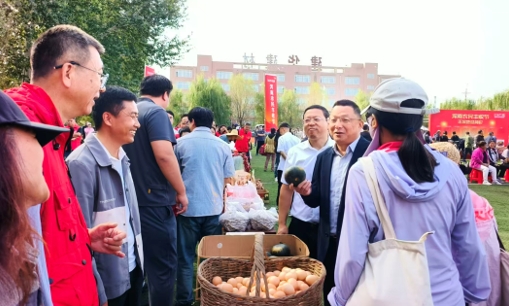
Core Viewpoint - The harvest festival in Hunnan District showcased local agricultural products and provided a platform for farmers to promote their goods, enhancing community engagement and supporting rural revitalization efforts [1][8]. Group 1: Event Highlights - The harvest festival featured vibrant performances, including traditional dances and songs, celebrating the joy of harvest and life [3]. - The event was live-streamed, allowing online viewers to experience the festivities and local culture [3]. - A bustling agricultural product exhibition attracted many visitors, with local leaders promoting various fresh produce and homemade goods [3][5]. Group 2: Featured Products - Wangbin sweet potatoes were highlighted as a star product, with a dedicated display area and a popular tasting session that drew many attendees [5]. - The agricultural product competition showcased large pumpkins, plump corn, and colorful fruits, with judges evaluating based on quality, yield, and appearance [5][6]. Group 3: Economic Impact - The total sales at the festival exceeded 150,000 yuan, demonstrating the economic benefits of the event for local farmers [8]. - The festival not only highlighted the achievements of Hunnan's agricultural development but also provided farmers with opportunities for self-promotion and collaboration, boosting their income and motivation [8].
砥砺奋进七十载 天山南北谱华章丨各民族携手一心 共筑富裕路
Yang Shi Xin Wen Ke Hu Duan· 2025-09-22 10:25
Core Viewpoint - The article highlights the collaborative efforts of various ethnic groups in Xinjiang, showcasing significant improvements in living standards, economic development, and social cohesion over the past 70 years, particularly since the 18th National Congress of the Communist Party of China [2][21]. Economic Development - Xinjiang's collective income for 2024 is projected to exceed 2.3 million yuan, reflecting the successful implementation of local agricultural and tourism initiatives [12]. - The region has seen a rise in new industries, with the new energy sector expected to have the largest installed capacity in the country by 2024, alongside the establishment of a billion-level wind power equipment industry cluster and over 30 AI data centers [24]. - Xinjiang's import and export volume has surpassed 100 billion yuan for three consecutive years since 2022, positioning the region as a key hub for the Belt and Road Initiative [28]. Social Welfare - More than 70% of fiscal spending in Xinjiang is directed towards social welfare, ensuring stable employment for all capable individuals in urban and rural areas [22]. - The standardization rate of township health clinics and village health rooms has reached 100%, with remote diagnosis services available in all townships, and the retention rate for compulsory education remains above 99% [22]. Environmental Improvement - The construction of the world's longest ecological barrier around the Taklamakan Desert has been completed, contributing to significant environmental restoration and the transformation of barren land into productive agricultural areas [26]. Community Cohesion - Residents of various ethnic backgrounds in Xinjiang have formed strong community bonds, likening their unity to that of pomegranate seeds, which symbolizes their collective efforts towards prosperity [10][20].
砥砺奋进七十载 天山南北谱华章 | 贫困村→小康村 各民族携手一心共筑富裕路
Yang Shi Wang· 2025-09-22 02:05
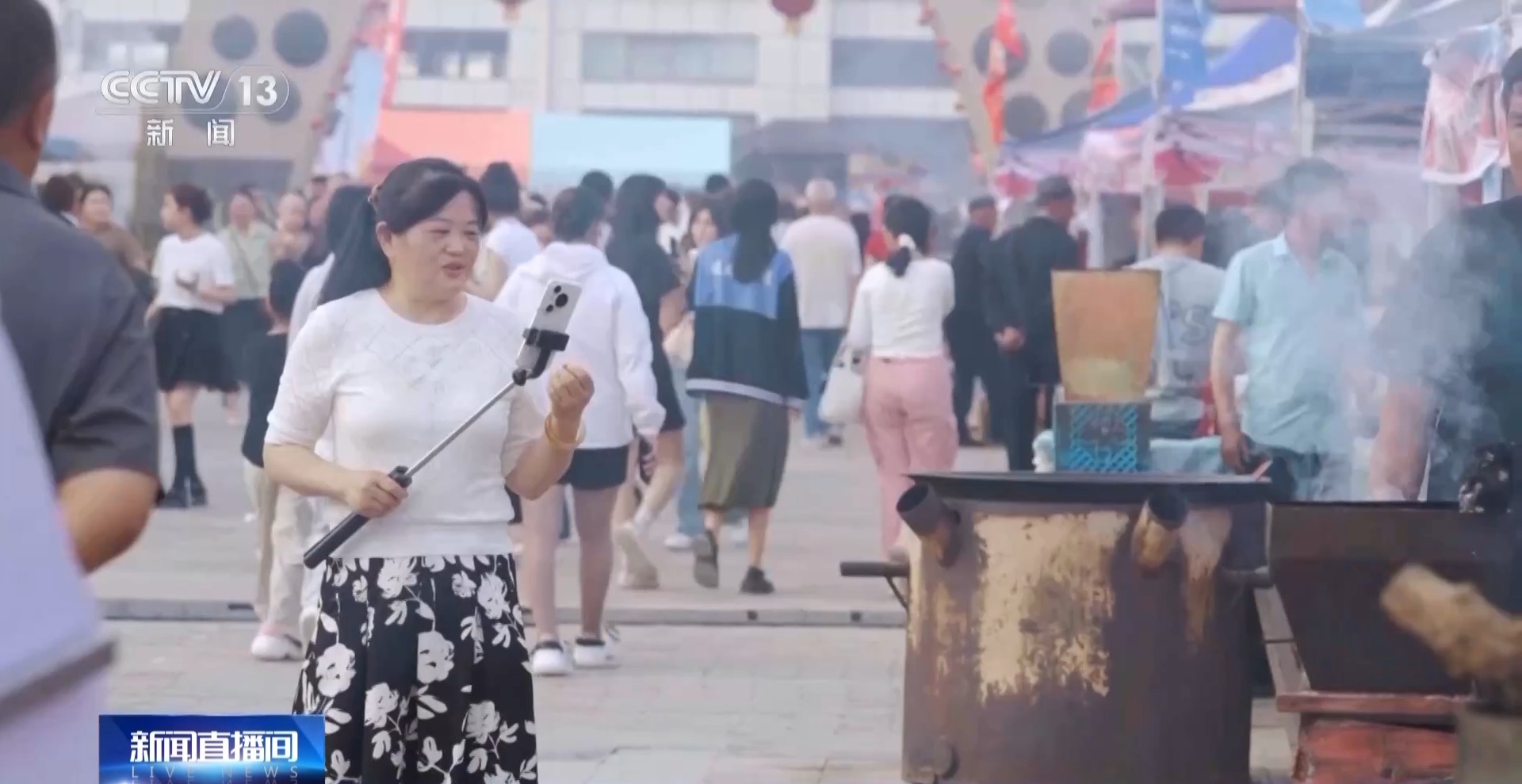
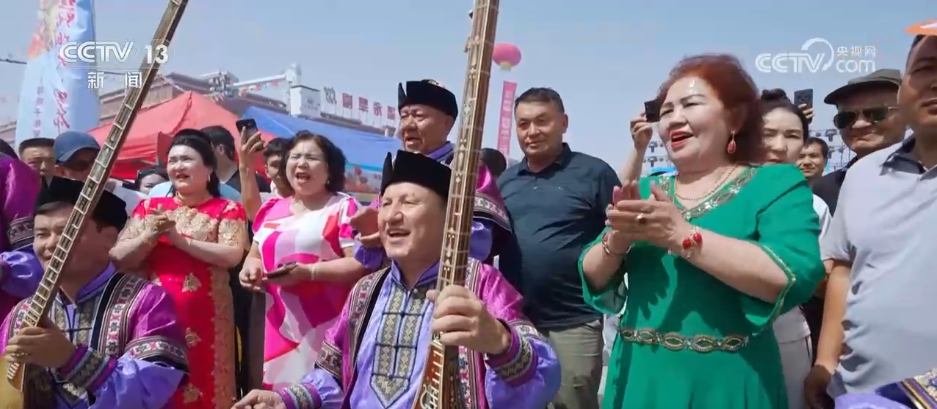
Group 1 - Xinjiang has been a multi-ethnic region for a long time, with various ethnic groups working together towards prosperity, especially since the 18th National Congress of the Communist Party of China [1] - The series of reports titled "Striving Forward for Seventy Years, Writing a Chapter in the South and North of Tianshan" highlights the collaborative efforts of different ethnic groups in Xinjiang to build a prosperous future [1] Group 2 - Wang Xiaohong, a pioneer in e-commerce, is helping villagers sell local products like honey and fruits, emphasizing the importance of collective development [3] - In Daxi Village, local specialties such as barbecued meat and fish attract many tourists, and Wang Xiaohong has successfully sold hundreds of tons of unsold pears [3] Group 3 - The collaboration between neighbors in Daxi Village, such as Abulikemu and Zhou Jinshan, showcases the spirit of mutual learning and support in agricultural practices, leading to improved livelihoods [5] - The village has transformed from barren land to productive fields, generating over 2.3 million yuan in collective income in 2024 [7] Group 4 - Similar transformations are occurring in many villages and communities across Xinjiang, such as in Ayagemangan Village, where residents have improved their living standards through the cultivation of fruits and flowers [9] - In Yining City, the Six Star Street, a national-level tourism and leisure area, has seen residents from various ethnic groups collaborate to enhance the tourism experience [11]
酷玩推荐官·节日kuku吃:七夕
人民网-国际频道 原创稿· 2025-08-29 05:21
Group 1 - The Qixi Festival, also known as the "Double Seventh Festival," is a traditional Chinese festival celebrated on the seventh day of the seventh lunar month, characterized by its romantic themes [2] - The festival has evolved from natural celestial worship and the legend of the Cowherd and the Weaver Girl into a day filled with rich customs and meanings [2] - Traditional foods associated with the festival include "Qiaoguo," a crispy and sweet snack symbolizing skill and ingenuity, along with other treats like sugar and fruits [2] Group 2 - The Qixi Festival was included in the first batch of national intangible cultural heritage in 2006, highlighting its cultural significance [2] - The festival has transcended its origins in China, becoming an international cultural symbol over the past two thousand years [2] - In Japan, people celebrate by writing wishes on colored paper and hanging them on bamboo branches, symbolizing the delivery of wishes to the celestial river [2]