电动汽车电机

Search documents
盯上6000米深海稀土!日本派船探查,距中国加强两用物项出口管制不到一周
Mei Ri Jing Ji Xin Wen· 2026-01-13 07:23
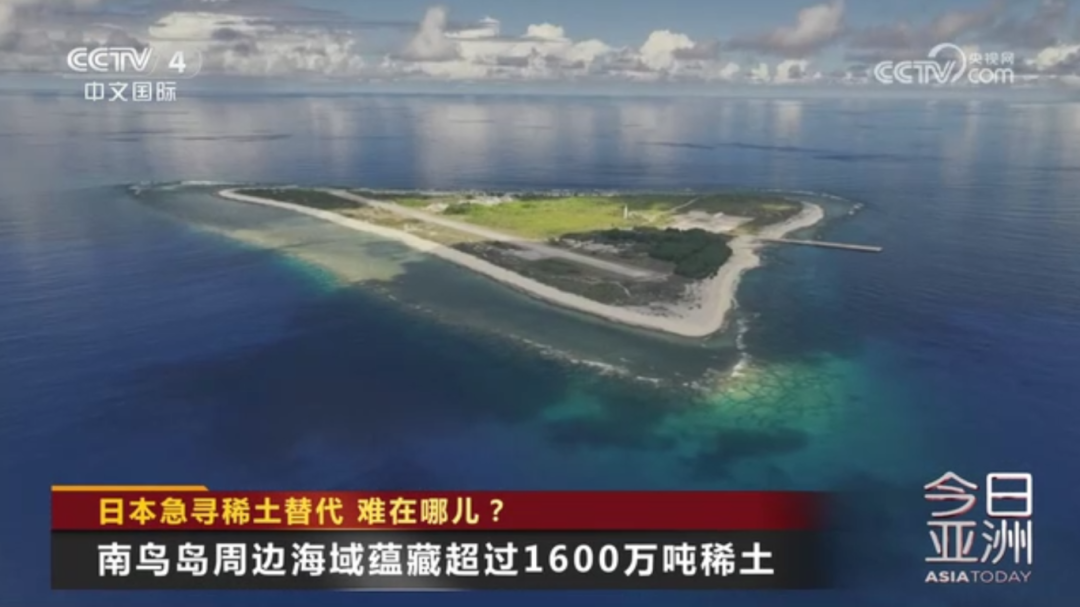
Group 1: Political Developments in Japan - Japanese Prime Minister Sanna Takashi has decided to dissolve the House of Representatives on January 23 and hold early elections, with an official announcement expected soon [1][27] - Takashi's cabinet approval ratings remain high, prompting calls within the ruling Liberal Democratic Party (LDP) for an early dissolution of the House [1] - Critics within the LDP and opposition parties argue that Takashi is prioritizing party interests over national concerns, particularly regarding the impact on the 2026 budget [1][30] Group 2: Rare Earth Exploration and Extraction - Japan has initiated the world's first deep-sea rare earth trial mining at a depth of 6000 meters near Minami-Torishima, with the aim of extracting approximately 350 tons of rare earth mud daily [3][5] - The area surrounding Minami-Torishima is estimated to contain over 16 million tons of rare earth elements, which could significantly reduce Japan's reliance on imports [7][9] - The project aims to diversify Japan's rare earth supply sources and enhance its strategic position in the global market, with commercial mining expected to start by February 2027 if trials are successful [9][19] Group 3: Challenges in Rare Earth Mining - The feasibility of deep-sea rare earth mining is questioned due to high technical difficulties and costs, with deep-sea extraction being over ten times more expensive than land-based mining [11][14] - Environmental concerns are significant, as the extraction process may produce hazardous chemical and radioactive waste, necessitating careful management [14] - Nissan is collaborating with Waseda University to develop technology for recovering rare earth elements from scrapped electric vehicle motors, aiming for practical application around 2030 [15][17] Group 4: Economic Implications of Rare Earth Dependency - Japan currently relies on China for over 70% of its rare earth imports, with heavy rare earths being nearly 100% dependent on Chinese supply [19][23] - Potential export controls from China could lead to significant economic losses for Japan, estimated at 2.6 trillion yen if restrictions last for a year [23][25]

盯上6000米深海稀土!日本派船探查,距中国加强两用物项出口管制不到一周!高市早苗已决定提前大选
Mei Ri Jing Ji Xin Wen· 2026-01-13 07:03
Group 1: Political Developments in Japan - Japanese Prime Minister Fumio Kishida has decided to dissolve the House of Representatives and hold early elections on January 23, with an official announcement expected soon [1][29] - Kishida's cabinet approval ratings remain high, prompting calls within the ruling Liberal Democratic Party (LDP) for an early dissolution of the House [1][29] - Critics within the LDP and opposition parties argue that Kishida is prioritizing party interests over national concerns, particularly regarding the timing of the budget [1][31] Group 2: Rare Earth Exploration and Extraction - Japan has initiated the world's first deep-sea rare earth trial extraction at a depth of 6000 meters near Minami-Torishima, with an estimated 16 million tons of rare earth resources in the surrounding waters [3][7] - The trial, conducted by the deep-sea drilling vessel "Chikyu," aims to assess the feasibility of extracting rare earth mud, with a target of daily extraction of 350 tons [5][9] - If successful, commercial mining could begin by February 2027, potentially allowing Japan to diversify its rare earth supply sources and reduce dependence on specific countries [9][21] Group 3: Challenges in Rare Earth Extraction - The feasibility of deep-sea rare earth extraction is questioned due to significant technical challenges, including high costs and environmental risks [11][14] - The extraction process is expected to be ten times more expensive than land-based rare earth mining, with commercial viability projected to take over a decade [11][14] - Japanese automaker Nissan is collaborating with Waseda University to develop technology for recycling rare earth elements from scrapped electric vehicle motors, aiming for practical application around 2030 [15][19] Group 4: Economic Implications of Rare Earth Dependency - Japan currently relies on China for over 70% of its rare earth imports, with heavy rare earths being nearly 100% dependent on Chinese sources [21][25] - Recent export controls imposed by China on dual-use items could lead to significant economic losses for Japan, estimated at 2.6 trillion yen if the restrictions persist for a year [20][25] - The potential for Japan to produce its own rare earths could enhance its strategic position and bargaining power in international markets [9][25]
柬埔寨下调多项进口商品税率 助力产业升级与民生改善
Shang Wu Bu Wang Zhan· 2025-12-24 12:30
Core Insights - Cambodia's government is implementing strategic adjustments to import tariffs and special taxes on certain goods, effective January 1, 2026, aimed at reducing import costs for key materials and enhancing the business environment [1] Group 1: Tax Adjustments - Multiple goods will see a "zero tariff" policy, including live poultry, computers and related peripherals, antenna equipment, laboratory instruments, and related testing equipment, with tariffs reduced from 15% or 7% to 0% [1] - Significant reductions in tariffs for daily consumer and industrial goods, such as sanitary napkins, diapers, rice cookers, fruit blenders, and luxury cars, with tariffs dropping from 15% to 7% and from 35% to 7% respectively [1] Group 2: Green Energy and Technology Incentives - Special tax reductions for electric vehicle (EV) components, with the special tax rate for electric vehicle motors, vacuum cleaners, and audio equipment reduced from 10% to 0%, and for electric vehicle batteries from 10% to 5% [1] Group 3: Economic Impact - The tax reforms reflect the Cambodian government's policy direction of benefiting the public, promoting production, and advocating for environmental protection, which is expected to lower retail prices, alleviate inflation, and improve living standards [2] - The zero tariff policy on computers and laboratory equipment will significantly lower the barriers for corporate research and digital transformation [2] - The reduction in tax rates for core components of electric vehicles will accelerate the green transition of transportation in Cambodia and attract more investments in the new energy sector [2]
日本军工面临停摆,90%产能被咱掌控,稀土成反制利器,认错已晚
Sou Hu Cai Jing· 2025-12-11 05:39
Core Insights - Japan's anxiety stems from delays in rare earth export application approvals, which are critical for its high-end manufacturing sector [3][4][5] - The unique physical and chemical properties of rare earth elements make them indispensable in various high-tech industries, including automotive and electronics [4][5] - Japan's reliance on Chinese rare earth supplies remains high, with over 90% of rare earth separation and purification capacity concentrated in China [14][15] Group 1: Impact of Delays - The sudden halt in the approval process for rare earth exports has heightened tensions within Japan's manufacturing industry, as any disruption in supply could lead to significant operational challenges [3][5] - The approval delays are perceived as a potential warning from China, especially following Japan's Prime Minister's controversial remarks regarding Taiwan, which may have triggered a diplomatic response [7][9][10] Group 2: Japan's Dependency Issues - Japan has struggled to reduce its dependency on Chinese rare earths despite efforts to diversify its supply sources since the 2010 Senkaku Islands incident [12][17] - The challenges in establishing a domestic rare earth industry are compounded by strict environmental regulations and limited local resources, making it difficult for Japan to achieve self-sufficiency [14][15] Group 3: Diplomatic Context - The recent delays in rare earth export approvals reflect a broader geopolitical struggle between China and Japan, with economic measures being used as a means of political signaling [19][20] - Japan's high level of external dependency on rare earths highlights structural vulnerabilities in its resource security, which could have long-term implications for its manufacturing capabilities [22]

路透社:七国集团考虑制定稀土价格下限,以对抗中国的主导地位
Sou Hu Cai Jing· 2025-09-29 03:51
【全球稀土争夺战升级:G7联手设价格防线,中国如何接招?】 一场牵动全球产业链的稀土暗战正在白热化。路透社最新爆料显示,G7集团与欧盟正秘密筹划史无前例的干预方案——拟对稀土设定全球最低售价,甚至 考虑征收特别关税,矛头直指供应全球70%稀土的中国。消息一出,国际商界哗然,有分析师将此比作经济领域的珍珠港事件,更有产业领袖警告21世纪最 危险的资源博弈已拉开帷幕。 这场较量的导火索可追溯至今年4月:中国商务部突然对镝、铽等7种战略稀土实施出口管制,要求企业申报最终用户及具体用途。看似简单的行政手续,却 在全球供应链引发连锁反应——日本某汽车制造商高管透露:我们突然要提交长达20页的终端使用承诺书,生产线差点因审批延迟停摆。 9月的芝加哥关键矿产峰会上,西方国家的焦虑彻底爆发。闭门会议中,各国代表传阅着一份标有绝密字样的评估报告,其中用加粗字体标注:中国掌控着 92.3%的稀土精炼产能,我们的F-35战机每10个零件就有3个含中国稀土。据与会者回忆,当投影仪亮出中国稀土磁体在欧美军工装备中的渗透率时,整个会 场安静得能听见咖啡机滴水声。 中国在稀土领域的统治力绝非偶然。在内蒙包头的稀土工业园区,工人三班倒操作着 ...