
石化原料

Search documents
Barclays:中东向全球供应30种关键产品,远不止石油和天然气
美股IPO· 2026-03-12 00:38
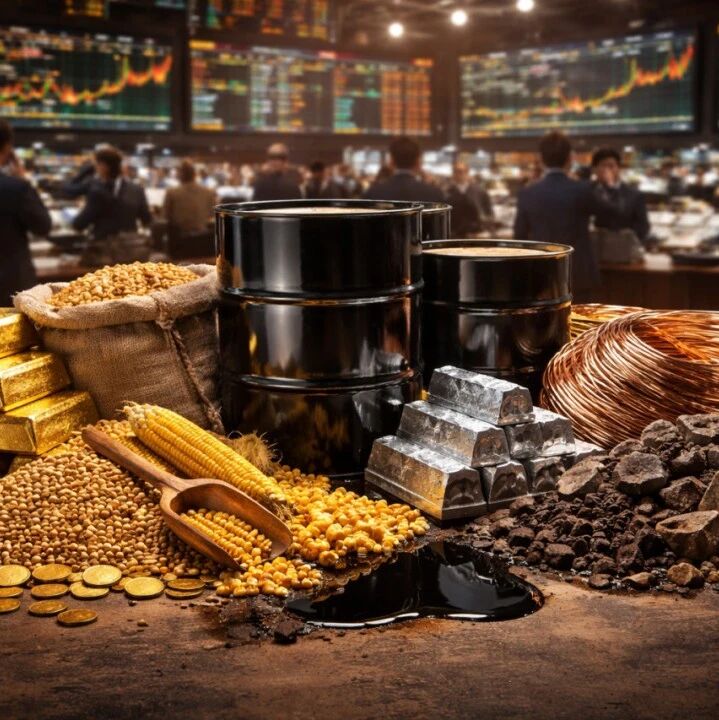
Core Insights - The Middle East plays a significant role in global supply chains beyond oil and gas, with 30 key products accounting for over 10% of global trade value [1][8] Group 1: Trade Analysis - Barclays analyzed 2.8 million trade channels and 1,200 products from 70 major economies, highlighting significant but underrecognized risk exposures in chemicals, construction, agriculture, and basic manufacturing [3][4] - The region is crucial due to its dependence on key industrial inputs, with the Middle East supplying 62% of global limestone flux, approximately 50% of sulfur, 23% of nitrogen fertilizers, and about 20% of key petrochemical feedstocks [5][6] Group 2: Risk Exposure - The risk exposure extends beyond the energy sector, with industrial raw materials primarily flowing to India, China, and the United States [6] - Vulnerabilities in the chemicals sector include methanol, aromatics, phenols, and polyolefins, as well as construction materials like limestone, gypsum, and aluminum products [9] - The agriculture sector faces risk exposure through nitrogen, phosphorus, and compound fertilizers, while smaller but still significant risks exist in metals, shipping, and luxury goods, including aluminum, ships, diamonds, and gold [10]


深圳不敢干的它干,香港没完成的它接!海南接盘11万亿海外资本
Sou Hu Cai Jing· 2026-01-10 03:37
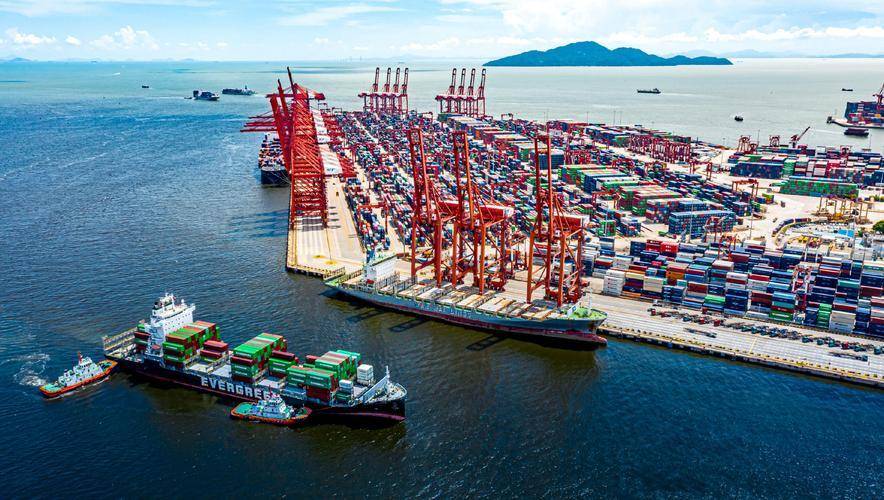
Group 1 - The Hainan Free Trade Port officially commenced its operations on December 18, 2025, coinciding with the anniversary of China's reform and opening-up in 1978 [1] - The initial phase focused on institutional innovations, such as easing foreign investment access and simplifying administrative approvals, with zero-tariff lists covering numerous goods by 2023 [1][3] - The first week of zero-tariff imports saw a value exceeding 400 million yuan, significantly reducing costs for enterprises [3] Group 2 - The free flow of goods has transformed Hainan into a hub for trade, with over 10,000 new enterprises, primarily in trade and technology sectors, established following the policy implementation [3][5] - Economic indicators post-implementation are promising, with duty-free sales during the New Year holiday exceeding 700 million yuan, doubling year-on-year [7] - The integration of Hainan's policies with Shenzhen's innovation and Hong Kong's financial experience is expected to attract 11 trillion yuan in overseas capital, enhancing the island's role as a new gateway for China's openness [5][9] Group 3 - The local government is actively investing in infrastructure, including undersea cables to improve internet speed, which is crucial for attracting international businesses [5] - The emergence of offshore finance and the establishment of international business operations by banks indicate a growing financial sector [7][9] - The overall transformation of Hainan is leading to improved public services, including international schools and hospitals, enhancing the quality of life for residents [9]
海南封关,油气产业影响几何?
Zhong Guo Chan Ye Jing Ji Xin Xi Wang· 2026-01-06 00:16
Core Viewpoint - The successful customs clearance of petrochemical raw materials at Yangpu Port marks the official launch of Hainan Free Trade Port's full island customs closure operation, injecting new momentum into the oil and gas industry under a new institutional framework [1] Group 1: Policy Impact - The "processing value-added tax exemption" policy allows enterprises registered in Hainan Free Trade Port to enjoy tax exemptions if their products exceed a 30% value-added rate, significantly reducing production costs and enhancing competitiveness [2] - The first day of customs closure saw 17.9 million tons of "zero tariff" petrochemical raw materials valued at nearly 400 million yuan, saving enterprises approximately 10 million yuan in costs [2] - The "zero tariff" list has expanded from about 1,900 to approximately 6,600 tax items, covering around 74% of the import and export goods in Hainan Free Trade Port, allowing most imported production materials and equipment to enjoy tax exemptions [3] Group 2: Industry Upgrades - The "processing value-added tax exemption" policy facilitates a virtuous cycle of R&D, value addition, and revenue generation, encouraging investment in new technologies that convert low-value by-products into high-value chemicals [4] - The zero tariff policy significantly lowers the financial barriers for importing expensive equipment and experimental instruments necessary for technological upgrades in the oil and gas industry, particularly in deep-sea exploration and new energy materials [4][5] - The action plan aims for the petrochemical new materials industry in Hainan to exceed 160 billion yuan in output value by 2027, emphasizing a clear path for industrial transformation [6] Group 3: Future Development - The transition from fuel-type to material-type in refining is a trend in the industry, focusing on the development of high-end chemical new materials and biodegradable materials [7] - The action plan outlines strategies to expand the olefin industry chain and develop high-end chemical new materials, which are areas where the value-added processing policy can be most effective [7] - The customs closure is viewed as a new starting point for the oil and gas industry in Hainan, with policies expected to transform into technological advantages and industry competitiveness, driving significant value enhancement [7]
IEA:2024年石油消费占比创新低
Zhong Guo Hua Gong Bao· 2025-03-31 01:47
Group 1 - The International Energy Agency (IEA) reports that in 2024, the share of oil in global energy consumption will fall below 30% for the first time, primarily due to slow post-pandemic recovery in oil demand and growth driven by aviation fuel and petrochemical feedstock [1] - Global oil demand is projected to increase by 830,000 barrels per day in 2024, significantly lower than the 2.1 million barrels per day growth in 2023, and slightly below the 900,000 barrels per day forecast by S&P Global Commodity Insights [1] - Road transport oil demand growth has significantly slowed, contributing only 5% to global oil demand growth since 2022, due to the rise of alternative fuels like electric vehicles and liquefied natural gas [1] Group 2 - In the latest monthly oil market report, the IEA predicts that global oil demand growth will slightly exceed 1 million barrels per day in 2025, while S&P Global Commodity Insights expects a growth of 1.3 million barrels per day [2] - The IEA forecasts a 2.2% increase in total global energy demand in 2024, with electricity consumption being the main driver, supported by increased generation from natural gas, coal, nuclear, and renewable energy sources [2] - All major fuels are expected to see an increase in demand in 2024, with renewable energy having the highest share, followed by natural gas [2]