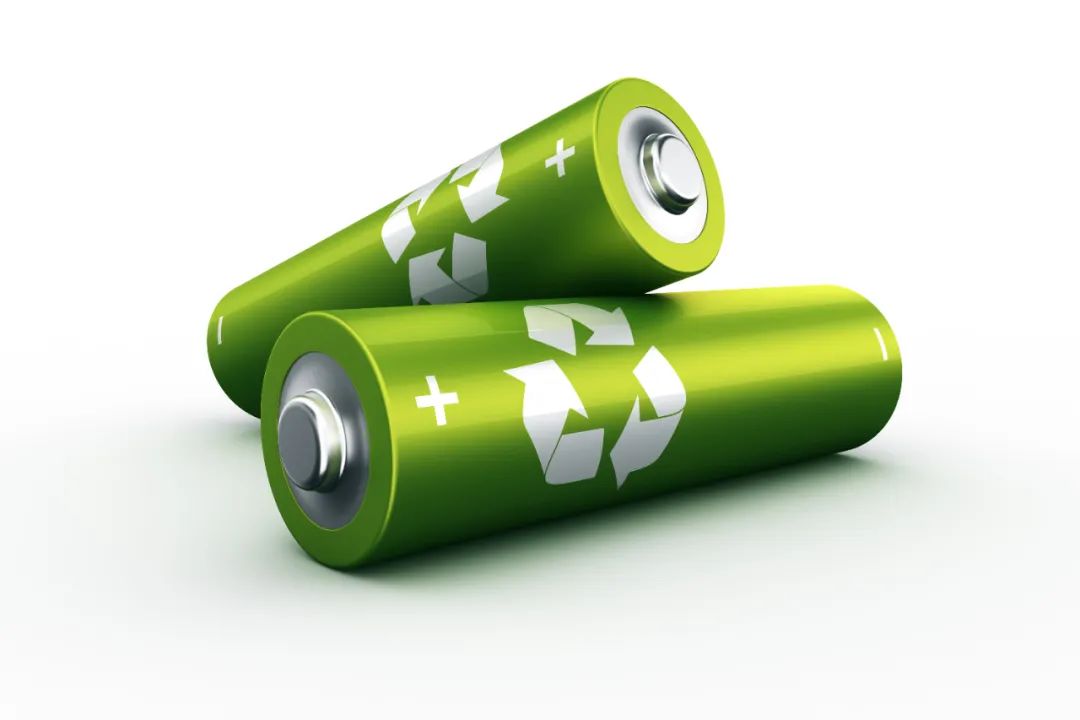
磷酸铁锂刀片电池

Search documents
破解“进出水”难题:比亚迪兆瓦闪充带火“高倍率电芯”赛道
中关村储能产业技术联盟· 2026-03-14 01:08
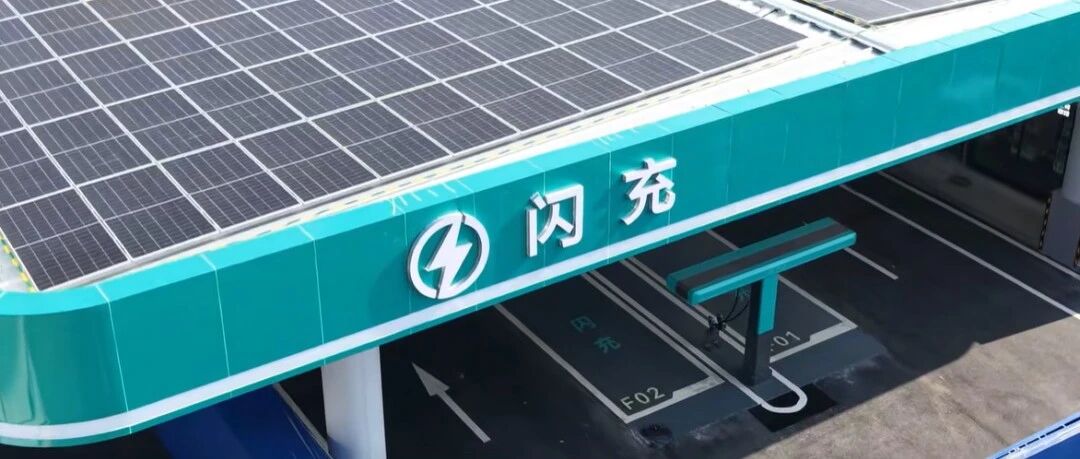
Core Viewpoint - The article discusses the innovative approach of BYD's megawatt-level fast charging stations, which utilize a dynamic energy storage system to manage high power demands during electric vehicle charging, effectively preventing depletion of energy reserves [4][21]. Group 1: Charging Station Dynamics - BYD's megawatt-level fast charging station operates like a giant "dynamic water reservoir," featuring a 1000kW charging pile supported by two 225kWh energy storage cabinets [4][10]. - The charging power for smaller vehicles, such as those with 69kWh batteries, does not maintain peak power continuously, allowing the grid to support charging without relying heavily on energy storage [7][10]. - For larger battery vehicles like the Tengshi Z9 GT with a 122kWh battery, the energy storage cabinets can provide significant power during peak demands, with a theoretical peak discharge capacity of 1600kW [10][14]. Group 2: Energy Management and Efficiency - The energy storage cabinets act as "power substitutes," only engaging during high power demands and quickly reverting to grid supply, thus optimizing energy use [14][20]. - During charging intervals, the grid can recharge the energy storage cabinets, allowing for efficient energy management and minimizing the risk of depletion [16][20]. - The overall efficiency of the charging station remains high, with BYD's DCDC and ACDC modules achieving efficiencies above 99% and 98% respectively, contributing to a total station efficiency of around 90% [17][33]. Group 3: High-Power Battery Development - The article highlights the shift towards high-rate batteries designed for instantaneous high power scenarios, which are becoming crucial in energy storage and backup power applications [22][27]. - BYD's second-generation megawatt fast charging system will feature high-power energy storage cabinets capable of rapid discharge, addressing the needs of high-demand charging environments [28][33]. - Other companies, such as EVE Energy and Shuangdeng Group, are also developing high-rate battery solutions tailored for data centers and high-power applications, indicating a competitive landscape in this sector [29][30][32].


欧企:中国造太香,就买
Guan Cha Zhe Wang· 2026-02-03 01:09
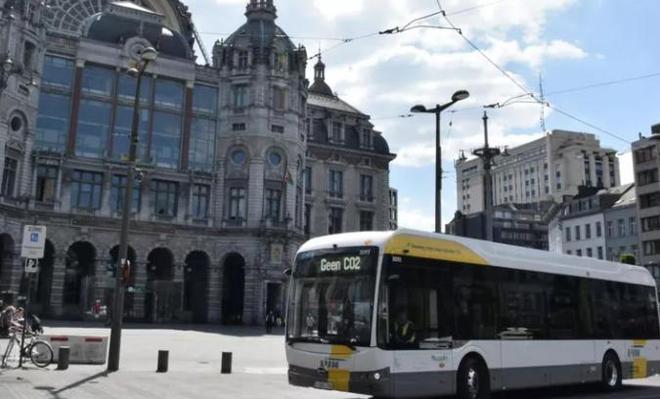
Core Viewpoint - Despite European concerns about Chinese companies controlling infrastructure, Chinese electric buses are gaining popularity in Europe due to their lower prices and higher quality compared to local brands [1][7]. Group 1: Market Trends - Chinese electric buses, particularly from BYD and Yutong, are increasingly being purchased by European countries such as Germany, Belgium, and Austria, with operators praising their cost-effectiveness and quality [1][2]. - A report by McKinsey indicates that by 2024, Chinese electric buses will hold a 21% market share in Europe, with BYD and Yutong accounting for the majority [2]. Group 2: Product Features - BYD's electric buses can operate for 8 hours on a full charge and are approximately €100,000 cheaper than similar German models, which typically cost around €600,000 [2]. - The design of BYD buses places three out of five battery packs under the floor, lowering the center of gravity and enhancing safety, especially in the event of an accident [2]. Group 3: Contracts and Collaborations - In Belgium, the public transport operator De Lijn has awarded BYD a contract for up to 500 electric buses, with an initial order of 268 buses, marking a significant step in their electrification strategy [5]. - BYD plans to assemble these buses in Hungary to meet EU local value creation requirements and is set to build a second assembly plant to increase production capacity to 1,250 electric buses and trucks annually [5]. Group 4: Political and Regulatory Environment - Some European politicians have raised concerns about Chinese companies, citing issues like data privacy and strategic dependency, particularly in relation to Yutong's contracts [7][8]. - The Chinese government has emphasized its commitment to data privacy and security, urging European countries to provide a fair and non-discriminatory business environment for all companies [8].

比亚迪方程豹要掀了整个市场 竟然一口气发布5款新车
Xin Lang Cai Jing· 2026-01-29 00:59
Core Insights - The company, Fangchengbao, has rapidly gained market traction with its Ti7 model, selling over 50,000 units in just 80 days, prompting competitors like BYD to adjust production lines to meet demand [1] - However, the average selling price of its vehicles has decreased significantly, from 330,000 to 240,000, indicating a shift towards lower-end models [1] - In 2026, Fangchengbao plans to launch five new models, expanding its price range and targeting various consumer segments [2][3][4] Model Launches - The first model, Ti3 DM-i, is priced in the mid-teens and aims for a fuel consumption of 2.6 liters with a range of 2,000 kilometers, targeting consumers considering models like Haval H6 and Changan CS75 [2] - The second model, Ti5, is a mid-size SUV priced between 180,000 and 220,000, designed to compete with Tesla Model Y and AITO M5, focusing on practicality and unique design [2] - The third model, Mg7, is Fangchengbao's first sedan with a price range of 230,000 to 280,000, boasting over 1,000 kilometers of electric range and advanced features [3] - The fourth model, Ti9, is a flagship vehicle priced above 300,000, equipped with high-end technologies and targeting high-end family users [3] - The fifth model is an updated version of the Leopard 5, aimed at maintaining the brand's core market while enhancing comfort and technology [4] Technological Advancements - Fangchengbao's vehicles will utilize BYD's fifth-generation DM hybrid system, achieving over 46% thermal efficiency and reducing fuel consumption to below 3 liters [4] - The company is also implementing advanced driving technologies across its lineup, including the "Tianshen Eye" hardware for intelligent driving capabilities [5] - Interior features include a standardized 15.6-inch rotating central control screen and eco-friendly materials, with a focus on user experience [6] Market Positioning - Fangchengbao's brand positioning has evolved from being a "BYD off-road brand" to a "full-scenario technology brand," with a product line covering various vehicle types and price ranges from 130,000 to 350,000 [6] - The company has observed a 15% decrease in foot traffic for Tesla Model Y following the announcement of new models, indicating a shift in consumer interest [6] - Fangchengbao aims to deliver 500,000 vehicles in 2026, significantly increasing production capacity and supply chain efficiency [8] Competitive Strategy - Fangchengbao is strategically targeting competitors' weaknesses, such as offering hybrid technology at lower prices and enhancing interior comfort compared to rivals [7] - The company has received over 20,000 pre-orders for the Ti3 DM-i within a week of its announcement, with a significant portion coming from consumers initially considering traditional fuel SUVs [7] - The rapid product development cycle, taking only 18 months from design to production, showcases Fangchengbao's vertical integration capabilities within BYD [8]
宁德/亿纬/多氟多/国轩披露三季报;吉利落子湖南;富士康储能迎重磅进展;五家国企50亿成立储能产投公司;比亚迪88亿电池项目投产
起点锂电· 2025-10-26 11:15
Group 1 - The 2025 Solid-State Battery Industry Annual Conference and the Golden Ding Award Ceremony will take place from November 6 to November 8, 2025, in Guangzhou, focusing on new technologies and ecosystem building [5][6] - The event will feature over 1000 participants and includes a concurrent CINE Solid-State Battery Exhibition and Sodium Battery Exhibition [6] - Major companies participating include CATL, BYD, Ganfeng Lithium, and others, indicating strong industry interest and collaboration [5] Group 2 - Chuangneng New Energy has secured over 80GWh in new orders for 2025, with nearly 50GWh of overseas orders, showcasing robust international growth [8] - CATL reported a revenue of approximately 283.07 billion yuan for the first three quarters of 2025, a year-on-year increase of about 9.3%, with a net profit of approximately 49.03 billion yuan, up 36.2% [9] - Guoxuan High-Tech's revenue for the first three quarters reached 29.508 billion yuan, a year-on-year increase of 17.21%, with a net profit of 2.533 billion yuan, up 514.35% [10] Group 3 - Multiple leading lithium battery companies are expanding production capacity in response to surging demand, with companies like CATL, BYD, and Guoxuan High-Tech initiating new capacity projects [17] - A new 20GWh lithium-ion battery manufacturing base has been established by Guoxuan High-Tech in Nanjing, with a total investment of 4 billion yuan [19] - A significant investment of 88 billion yuan has been made by BYD in a new battery project in Taizhou, which will have an annual production capacity of 22GWh [15][16] Group 4 - Fujitsu has launched a new series of energy storage products with a combined capacity of 261kWh, 522kWh, and 4.32MWh, aiming for high efficiency and simplified operations [20] - XINWANDA is investing in three energy storage projects, with a total capacity of 200MW/400MWh, to enhance its energy storage capabilities [21][22] - Zhuhai Guanyu has successfully mass-produced high-silicon anode batteries, achieving an energy density of 900Wh/L, positioning itself as a leader in the industry [24] Group 5 - The domestic market for battery recycling is rapidly growing, with nearly 192,300 related companies established as of October 22, indicating a significant rise in the sector [42] - A strategic partnership has been formed between Beijing Dinos and EVE Energy to build a nationwide lithium battery recycling network, marking a crucial step in the industry's closed-loop construction [43] - A new project for recycling used lithium batteries has been completed in Tengzhou, focusing on efficient recovery and reuse of battery materials [44]





比亚迪88亿元项目全面投产!
鑫椤锂电· 2025-10-23 08:28
Group 1 - The core viewpoint of the article highlights the significant investment and production capabilities of the Taizhou Fudi New Energy Power Battery project, which is a strategic base for BYD Group's new generation lithium iron phosphate blade battery production [1] - The project covers an area of 1,500 acres with a planned investment of 8.8 billion yuan, including 8 billion yuan in fixed asset investment, and aims to achieve an annual production capacity of 22 GWh of power batteries for new energy vehicles [1] - The project is one of the largest single manufacturing investments in Taizhou in recent years, playing a crucial role in enhancing the development level of the automotive industry chain in Taizhou and establishing a high ground for the new energy vehicle industry [1] Group 2 - In the domestic market, from January to September this year, China's cumulative installed capacity of power batteries reached 493.9 GWh, representing a year-on-year growth of 42.5% [2] - BYD's installed capacity during the same period was 111.21 GWh, accounting for 22.57% of the total installed capacity in the country [2]

比亚迪88亿电池项目全面投产!
起点锂电· 2025-10-22 10:28
Core Insights - The article highlights the upcoming 2025 Solid-State Battery Industry Conference and the Solid-State Battery Golden Ding Award Ceremony, emphasizing the focus on new technologies and ecosystem building [4] - It discusses the significant investment and production capacity of the Taizhou Fudi Battery project, which is part of BYD's strategy in the new energy vehicle battery sector [5][6] - The article outlines BYD's expansion plans, projecting a battery production capacity of 655 GWh by 2025, with potential growth to 810 GWh in the next 1-2 years to meet the demand for electric vehicles and energy storage [7][8] Event Details - The event will take place on November 8, 2025, at the Guangzhou Nansha International Convention Center, with an expected attendance of over 1,000 participants [4] - Concurrent activities include the CINE Solid-State Battery Exhibition and the 2025 Sodium Battery Industry Conference [4] BYD's Production and Market Performance - The Taizhou Fudi project covers an area of 1,500 acres with a total investment of 8.8 billion yuan, aiming for an annual production capacity of 22 GWh of new energy vehicle batteries [5][6] - BYD's battery output has significantly increased, with a total installed capacity of approximately 203.251 GWh in the first three quarters of 2025, marking a nearly 60% year-on-year increase [8] - The company has also seen a remarkable growth in overseas markets, particularly in Europe, where battery installation reached 8.6 GWh in the first half of 2025, a 263.1% increase year-on-year [8] Expansion of Battery Supply Business - BYD's external battery supply has reached 12.7 GWh in the first five months of 2025, matching the total for the entire year of 2024, with expectations for a more than twofold increase in annual supply [9] - The global energy storage lithium battery shipments reached 315.8 GWh in the first half of 2025, with BYD ranking fourth in the market [9] Technological Advancements - BYD launched its new energy storage system "Haohan," which features a minimum unit capacity of 14.5 MWh, setting a global record for capacity [10] - The system utilizes a specialized battery cell with a capacity increase of over 300% compared to conventional storage batteries, positioning BYD as a leader in the global energy storage market [10]

慕尼黑车展观察|BBA困于“昂贵”,中国车企“平价”猛攻
高工锂电· 2025-09-13 09:52
Core Viewpoint - The 2025 Munich IAA Auto Show marks a significant turning point in the global automotive industry's transition to electric vehicles, highlighting the tension between traditional European automakers and the aggressive strategies of Chinese manufacturers [1][2][18]. Group 1: European Automakers' Challenges - European automakers face a complex dilemma of slow transition and high costs, with electric vehicle prices remaining high and manufacturing costs, particularly for batteries, difficult to reduce quickly [19][33]. - The European Automobile Manufacturers Association (ACEA) warns that mandatory electric vehicle transitions could lead to a hollowing out of the supply chain, potentially impacting over 800,000 jobs [4][5]. - The shift to electric vehicles is complicated by a lack of charging infrastructure and consumer anxiety over range, which may drive consumers to purchase more fuel vehicles before the 2035 ban on combustion engines [6][27]. Group 2: Competitive Landscape - Traditional giants like BBA (BMW, Benz, Audi) are experiencing pressure from both internal and external competition, particularly from rapidly advancing Chinese electric vehicle manufacturers [7][9]. - Data shows that LGES remains the largest battery supplier for Volkswagen, providing 14.8 GWh of batteries, while Panasonic and SK On also have significant supply agreements with major automakers [11][12][13]. - A complex competitive landscape is emerging, with Japanese and Korean battery manufacturers holding significant existing and new orders, while Chinese companies are still establishing their foothold [17]. Group 3: Strategic Responses - Volkswagen is actively responding to market pressures by showcasing new entry-level electric vehicles at the IAA, aiming for a 70% share of electric vehicles in Europe by 2030 and investing €20 billion in battery factories [23][21]. - Mercedes-Benz is reevaluating its luxury strategy due to a 56% drop in profits, indicating a need to balance market share and cash flow while investing in various drive technologies [26][27]. - BMW is focusing on technological advancements with its "Neue Klasse" platform, investing over €10 billion to enhance its competitive edge in the electric vehicle market [28][31]. Group 4: Chinese Manufacturers' Strategies - Chinese brands are making unprecedented inroads into the European market, with a record 5.7% market share in the UK and Europe, and 10.7% in the electric vehicle segment [35][36]. - BYD is implementing a differentiated strategy in Europe, targeting both high-end and budget segments while committing to local production in Hungary and Turkey [40][41][42]. - Other Chinese manufacturers, such as Leap Motor and GAC, are also establishing local production and distribution networks, indicating a broad and deep penetration strategy in the European market [44][45].

港股上市,宁德时代的野心扩张
Sou Hu Cai Jing· 2025-05-21 12:27
Core Insights - CATL's recent Hong Kong IPO raised approximately 35.3 billion HKD (around 32.5 billion RMB), marking the largest IPO globally in 2023 [3] - The company achieved a market capitalization of 1.39 trillion HKD on its first trading day, with a stock price increase of 16.43% [3] - CATL maintains a dominant position in the global battery market, holding a 41% market share in 2024, despite a decline in revenue [6][4] Group 1: Financial Performance - In 2024, CATL's revenue is projected to be 362 billion RMB, a decrease of 9.7% year-on-year, with declines in both power and energy storage battery segments [6] - The company is experiencing a rare situation of "profit without revenue growth," attributed to slowing demand and increased competition [6][8] Group 2: Competitive Landscape - Many automakers are diversifying their battery supply sources to reduce reliance on CATL, a trend referred to as "de-Ninghua" [8] - Competitors like BYD are gaining ground, particularly in the lithium iron phosphate battery segment, which has seen increased market share [10] Group 3: Global Expansion Strategy - CATL's IPO proceeds will primarily fund its Hungarian project, aimed at enhancing local supply capabilities in Europe, marking the beginning of its "globalization phase" [11] - The company has seen significant growth in overseas revenue, which increased from less than 1 billion RMB in 2018 to over 100 billion RMB by 2024, with overseas clients now comprising three of its top five customers [13] Group 4: Challenges in Globalization - CATL's overseas expansion faces challenges, including lengthy construction timelines and regulatory pressures, as seen with its German factory [16] - The company is also exposed to geopolitical risks that could impact its global supply chain and project execution [16][18]
或成为近四年来港股最大规模IPO!宁德时代今起招股,九成募资将投向匈牙利项目
Mei Ri Jing Ji Xin Wen· 2025-05-12 05:44
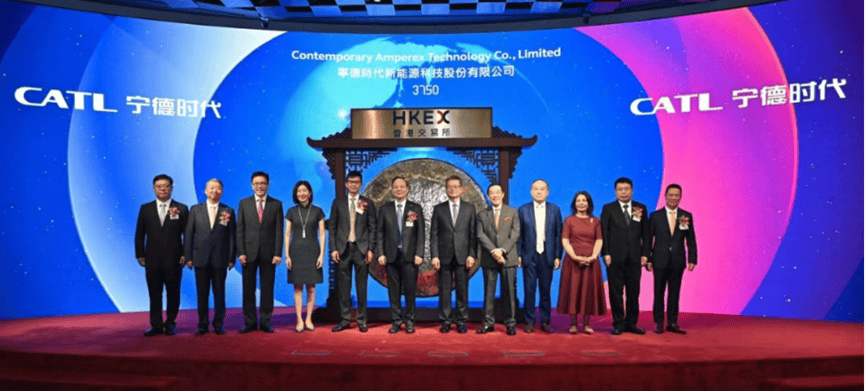
Core Insights - CATL has officially launched its Hong Kong IPO, with an expected fundraising amount of $4 billion to $5 billion, making it one of the largest IPOs in the Hong Kong market in recent years [1] - The funds raised will primarily support overseas capacity expansion and international business development, aligning with the company's long-term internationalization strategy [1][6] - The company faces increasing competition in the domestic battery market, prompting a need for global expansion and diversification of supply chains [2][9] Fundraising and Utilization - The IPO price range is set at HKD 263.00 per share, with a total expected fundraising of $4 billion to $5 billion [1] - 90% of the raised funds will be allocated to the construction of projects in Hungary, enhancing local supply capabilities [3] Market Position and International Strategy - CATL's global market share is projected to be 37.9% in 2024, with 30.5% of its revenue coming from overseas markets [4] - The company has been exploring entry into the U.S. market through technology licensing, while also investing in resource projects in Indonesia to stabilize its supply chain [2][7] Challenges and Competition - CATL's domestic market share has been declining, from 52.1% in 2021 to 44.5% in 2023, due to rising competition from companies like BYD and others [9][11] - The shift in automotive manufacturers towards diversified supply chains and alternative battery technologies poses a significant challenge to CATL's market dominance [11][12] Financial Reserves and Currency Needs - As of June 2024, CATL's foreign currency reserves are $6.735 billion in USD and €3.858 billion in EUR, which may not be sufficient for extensive overseas investments [6] - The IPO is expected to enhance the company's foreign exchange reserves, providing necessary support for international projects [6] Future Outlook - The company's ability to navigate geopolitical risks and localize production will be crucial for its success in international markets [7][12] - CATL is focusing on balancing technological innovation with cost control to maintain its competitive edge amid evolving market dynamics [12]
海外动力电池回收是新蓝海吗
Zhong Guo Qi Che Bao Wang· 2025-05-08 01:56
Core Viewpoint - Chinese automotive and battery companies are actively expanding into overseas battery recycling markets, forming strategic partnerships to establish a global recycling and after-sales service network [2][3][8]. Group 1: Strategic Partnerships - Guoxuan High-Tech and JinJing New Energy have formed a strategic partnership to build a battery recycling and after-sales service system, aiming to establish 100 service points globally [2][3]. - Huayou Recycling has signed a memorandum of understanding with France's Suez to explore battery recycling cooperation in Europe, indicating a trend of international collaboration in this sector [4][8]. Group 2: Market Expansion - Companies like BYD and Guoxuan High-Tech are entering the overseas battery recycling market, with BYD signing a three-year exclusive recycling agreement in Australia [6][8]. - The global market for battery recycling is expected to grow significantly, with projections indicating that by 2030, the European battery market could reach hundreds of billions of euros [11]. Group 3: Technological and Regulatory Challenges - The EU's new battery regulations impose strict requirements on battery manufacturers, including extended producer responsibility and high recovery rates for key metals [16][17]. - Chinese companies face challenges in logistics efficiency and high transportation costs when operating overseas, which can impact recovery efficiency and overall costs [12][16]. Group 4: Future Outlook - The increasing demand for battery recycling is driven by the growing number of electric vehicles, with predictions of significant volumes of retired batteries in the coming years [11][12]. - The establishment of a robust recycling network and compliance with international regulations will be crucial for Chinese companies to succeed in the global battery recycling market [20][21].