
福特级航母

Search documents
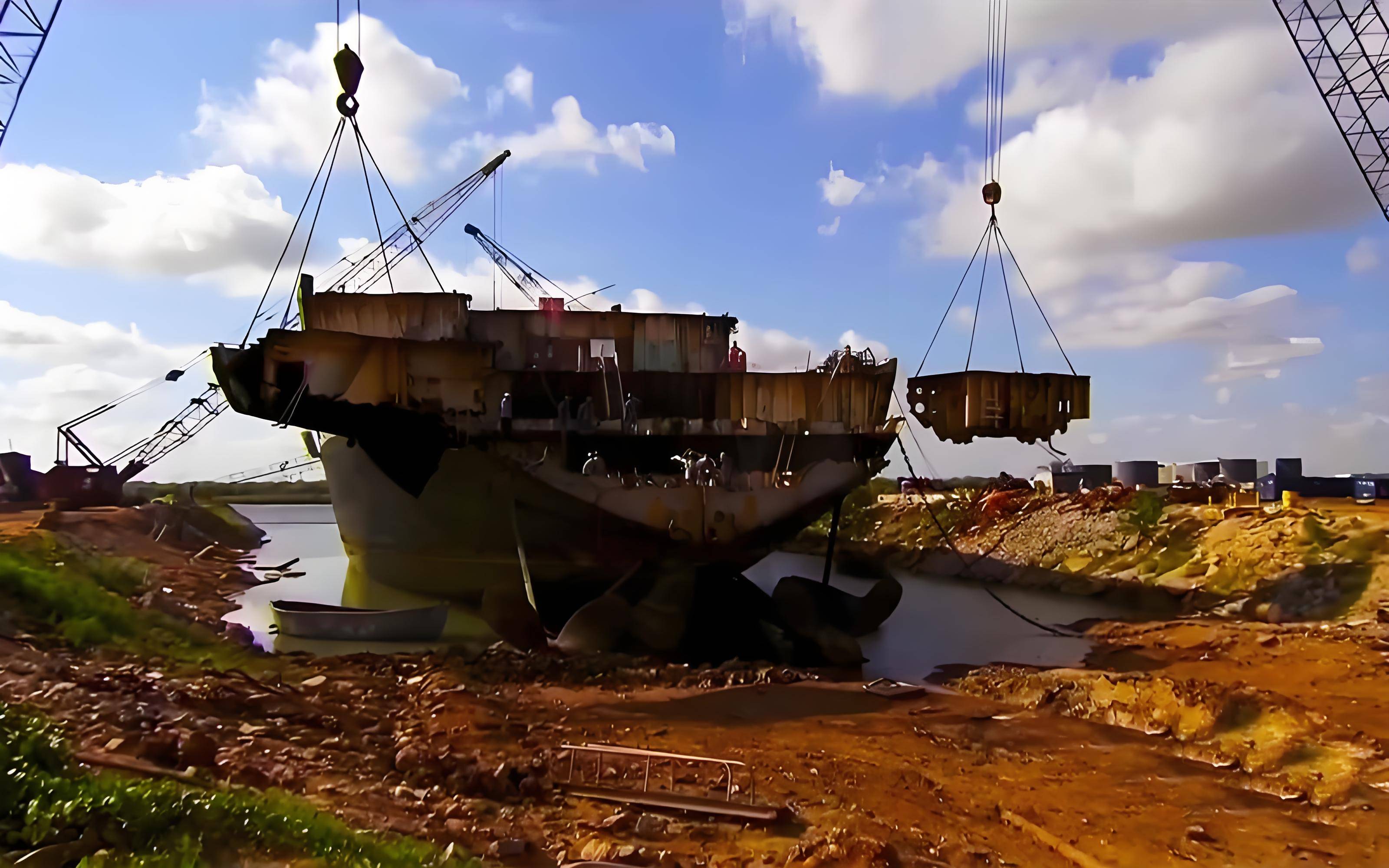
跨越半世纪的工业大退潮,美国造船能力是如何被中国甩开230倍!
Sou Hu Cai Jing· 2026-02-13 05:09
Core Viewpoint - The decline of the U.S. shipbuilding industry is starkly illustrated by the comparison with China's rapid advancements, highlighting a 230-fold gap in capabilities, particularly in military shipbuilding [1][9]. Group 1: Historical Context - The decline of the U.S. shipbuilding industry began as early as the 1950s and 1960s, long before China's shipbuilding capabilities developed [3]. - Post-World War II, Japan and South Korea gained a competitive edge in the global commercial shipbuilding market due to government support and cost advantages, leading to the U.S. losing its market share [3]. - By the 1970s, the U.S. held an 8% share of the global commercial shipbuilding market, which has now dwindled to nearly zero by 2024 [3]. Group 2: Current Challenges - The U.S. shipbuilding industry faces significant challenges, including an aging workforce with an average age of 52, and a lack of interest from younger generations in joining the industry [3]. - The supply chain for U.S. shipbuilding is fragmented, with a low integration rate of only 41%, and labor costs are 4.3 times higher than those in China [3][8]. - Trade protection policies, such as the Jones Act, have failed to revitalize the U.S. shipbuilding industry and instead contributed to its decline by limiting competitiveness in the international market [3]. Group 3: Technological Advantages - Despite challenges in the commercial sector, the U.S. retains significant advantages in high-end military shipbuilding technologies, including nuclear power, stealth technology, and advanced weapon systems [5]. - The U.S. excels in smart manufacturing and industrial 4.0 technologies, which are crucial for military applications, although automation in civilian shipbuilding lags behind [5]. Group 4: Future Prospects - The U.S. theoretically retains some wartime mobilization capabilities, supported by the Defense Production Act, but practical challenges remain in rapidly scaling up production capacity [8]. - The U.S. has only four military shipyards left, and the significant barriers to quickly expanding capacity include labor shortages, supply chain disruptions, and aging infrastructure [8]. - The inconsistency of U.S. government policies poses a major obstacle to long-term investment in the shipbuilding industry, contrasting sharply with China's stable and strategic industrial policies [9].

俄罗斯看透特朗普:美国在全球横行霸道,唯独不敢碰中国!
Sou Hu Cai Jing· 2026-01-11 05:08
Group 1 - The article discusses the geopolitical tensions involving the United States and China, highlighting that the U.S. is unlikely to engage in direct military conflict with China due to its military capabilities and the economic interdependence between the two nations [1][10][12] - The U.S. has attempted to exert economic pressure on China through tariffs and sanctions, but these measures have backfired, leading to significant domestic discontent and inflation in the U.S. [3][10] - The U.S. defense budget for fiscal year 2026 has reached $900 billion, with a core objective of containing China's development, including measures like capital restrictions on investments in key Chinese sectors [12][14] Group 2 - The article notes that the U.S. is constructing a global supply chain blockade against China, prohibiting collaborations in critical technology sectors and aiming to cut off supply chains [14] - The U.S. military is facing challenges in maintaining its naval capabilities, with a significant reduction in shipbuilding capacity compared to China, which has the largest navy in the world [9][14] - Despite U.S. efforts to contain China, the latter is enhancing its technological innovation and defense capabilities, positioning itself to effectively respond to external threats [14]
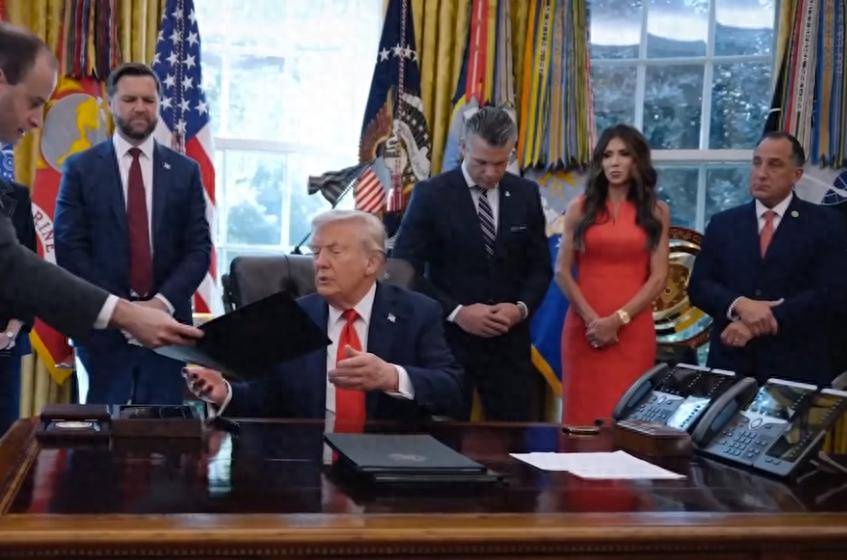
特朗普要造战列舰,真能造出来吗?
Xin Lang Cai Jing· 2025-12-28 13:11
Group 1 - The U.S. President Trump announced the construction of a new battleship named "Trump-class," which he claims will be the fastest and largest warship in the U.S. Navy [1][2] - The estimated cost of the "Trump-class" battleship is over $15 billion, exceeding that of the Ford-class aircraft carrier [2] - The design and review process for the new battleship is expected to take 72 months, or 6 years, and it will replace the previous DDG(X) next-generation destroyer project [1][2] Group 2 - The "Trump-class" battleship will not be a traditional multi-turret battleship but will primarily use missiles as its main weapon, featuring advanced systems such as the MK-41 vertical launch system and hypersonic missile launchers [2] - Military experts express skepticism about the feasibility of the "Trump-class," citing challenges in integrating various advanced weapon systems that are still in development [3] - The construction of the "Trump-class" battleship raises concerns about the U.S. Navy's ability to deliver on such ambitious projects, given past difficulties with new vessel designs [3][5]
马克龙和特朗普先后宣布要建新航母
Xin Lang Cai Jing· 2025-12-23 01:17
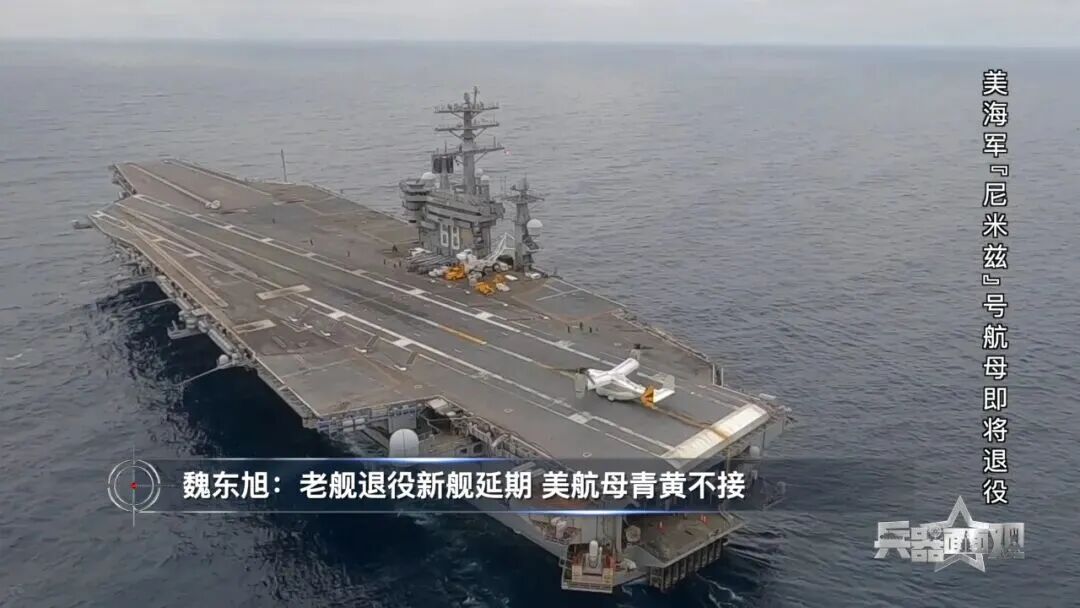
Group 1: U.S. Naval Expansion - President Trump announced the approval for the construction of two new warships for the U.S. Navy and indicated an increase in the number of aircraft carriers [1][7] - The U.S. currently operates 11 aircraft carriers, consisting of 10 Nimitz-class nuclear-powered carriers and 1 Ford-class nuclear-powered carrier [1][7] - The U.S. military plans to build 10 Ford-class carriers by 2058 to replace the Nimitz-class carriers [1][7] Group 2: French Naval Development - President Macron announced the decision to equip France with a new aircraft carrier, part of a significant military spending plan [4][10] - The estimated cost for building the new aircraft carrier is approximately €10 billion, with plans for it to be operational by 2038, replacing the Charles de Gaulle, which was commissioned in 2001 [5][10] - The new aircraft carrier will be approximately 310 meters long and have a displacement of about 78,000 tons, compared to the Charles de Gaulle's 261 meters and 42,000 tons [5][10]
美国这匹老马只能说是“病马”,离死还远着呢
Sou Hu Cai Jing· 2025-10-13 04:04
Economic Overview - The United States remains the world's largest economy, with a projected GDP of $28.78 trillion by 2025, significantly surpassing China's $18.53 trillion by over $10 trillion [1] - The U.S. GDP accounts for one-third of the total economic output of the OECD member countries, which includes 38 nations [3] Military Capability - The U.S. military maintains a dominant position globally, with a significant advantage in military technology and industrial capacity, despite criticisms regarding specific projects and equipment [3][5] - The U.S. possesses a vast arsenal, including over 1,800 fighter jets, 124 strategic bombers, and 11 supercarriers, which reinforces its military superiority [7] Global Comparison - The relative economic and military conditions of other countries are often worse than those of the U.S., leading to a situation where the U.S. appears to be more successful simply by comparison [7] - The challenges faced by other nations in military and economic development highlight the U.S.'s unique position, which is bolstered by historical accumulation of resources and capabilities [5][9]
军费多不代表花得对!美国军费近9000亿,军工产业还是走进死胡同
Sou Hu Cai Jing· 2025-09-27 04:51
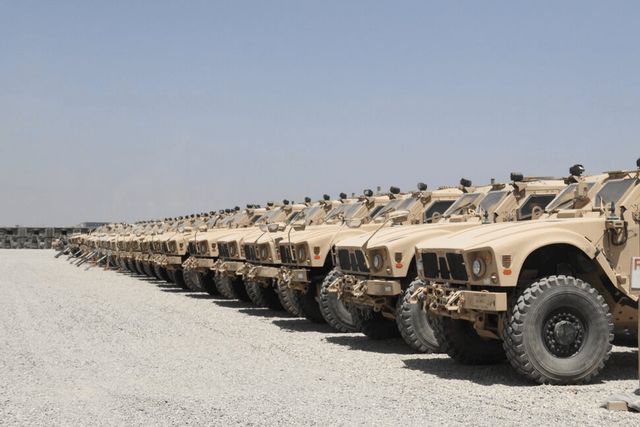
Core Insights - The U.S. military-industrial complex is facing significant challenges despite a record military budget of $895.2 billion for FY2025, which exceeds the combined military budgets of China, Russia, and seven other military powers [1] - The current state of U.S. military production is marked by delays and inefficiencies, with notable examples including the Ford-class aircraft carrier and the F-35 fighter jet, which has seen production halts [1] Group 1: Market Competition and Monopolization - The decline of competition in the U.S. military-industrial sector has led to a monopolistic environment, reducing innovation and increasing costs for the Pentagon [3][5] - Historical market competition during and after World War II fostered a diverse range of manufacturers, but deregulation in the 1980s led to a consolidation of firms, resulting in fewer players like Lockheed Martin and Boeing dominating the market [5] - The lack of competition has allowed companies to increase prices and reduce accountability, exemplified by Lockheed Martin's pricing strategies and Boeing's failed E-7 early warning aircraft tests [5] Group 2: Budget Allocation Issues - The U.S. military's budget allocation is heavily skewed towards ammunition and immediate operational needs, with a 24% increase in ammunition procurement budget to $30.6 billion for FY2024 [7][9] - This focus on short-term needs has led to a neglect of research and development funding, causing significant projects like the F/A-XX sixth-generation fighter and Constellation-class frigate to be delayed or canceled [9] Group 3: Supply Chain Challenges - The U.S. military-industrial complex is heavily reliant on global supply chains, with 19 out of 35 critical minerals sourced primarily from China, impacting production capabilities [10][12] - Supply chain disruptions have contributed to delays in the construction of key military assets, such as the Zumwalt-class destroyer and the F-35 fighter jet [12] Group 4: Export Market Vulnerabilities - The export market for U.S. military equipment is under threat, with 26% of Lockheed Martin's $65.9 billion revenue coming from exports, and Raytheon's export ratio at 39% [14] - Restrictions on exporting advanced equipment like the F-22 and competition from other nations developing their own military technologies further complicate the export landscape [14] Conclusion - The systemic issues within the U.S. military-industrial complex, including monopolization, budget misallocation, and supply chain vulnerabilities, suggest that merely increasing military spending will not resolve the underlying problems [15] - A sustainable military power requires a robust industrial system, effective resource allocation, and a collaborative approach, rather than a focus on arms races [15]


美国三大死穴曝光!GDP注水、航母生锈、国债压顶
Sou Hu Cai Jing· 2025-06-05 11:21
Economic Weakness: Financial Magic of Wall Street - The U.S. boasts a GDP exceeding $29 trillion, yet its manufacturing sector has shrunk to only 11% of the economy, relying on foreign countries like Japan for essential materials [4][6] - The comparison of purchasing power reveals that China accomplishes tasks with $18 trillion GDP that the U.S. requires $29 trillion to achieve [4] - During the pandemic, the U.S. struggled to produce basic medical supplies, highlighting a significant gap in capabilities compared to China [4] Military Illusion: Rusty Aircraft Carriers and Overpriced Supplies - Despite having 11 aircraft carriers, only about 4 are operational, with high failure rates in advanced systems like the Ford-class carrier [6] - The Pentagon faces corruption issues, with exorbitant prices for basic items, indicating inefficiencies in military spending [6] - The U.S. military's performance in conflicts has been poor, exemplified by the 20-year engagement in Afghanistan that ended with a swift Taliban takeover [6] Debt Crisis: $36 Trillion Debt Burden - The U.S. government faces immense pressure from daily interest payments of $2 billion, with total national debt sufficient to purchase the entire European Union [7][8] - A significant portion of the population lacks health insurance, and many middle-class families struggle to survive financially during unemployment [7] - The decline of the dollar's credibility is evident as countries increasingly turn to alternative currencies for trade, with central banks selling U.S. debt and accumulating gold [7]
