美团快乐猴超市

Search documents
北京350+首店大战:合生汇太古里争第一,大悦城荟聚紧追
3 6 Ke· 2026-02-05 02:21
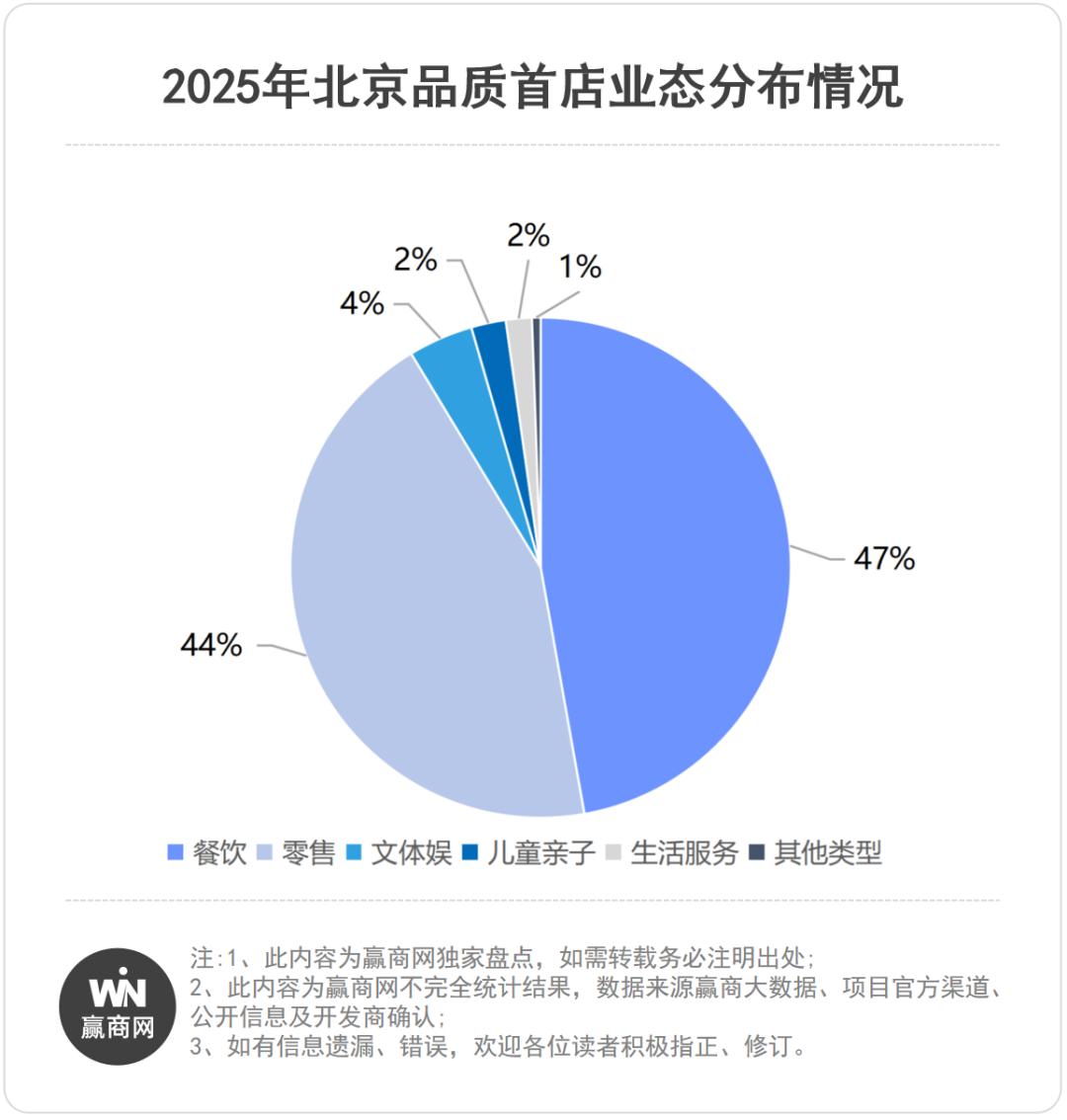
Core Insights - The 2025 consumer market in Beijing is characterized by keywords such as consumption stratification, emotional economy, national trends, instant retail, and AI reshaping, indicating a shortening brand metabolism cycle and the expansion of quality brands into larger platforms [1] - A total of 358 quality flagship stores entered the Beijing market in 2025, a significant increase of 60% compared to 219 in 2024, with 57 national flagship stores, 25 North China flagship stores, and 276 Beijing flagship stores [1][3] Retail Sector - The retail flagship store matrix in Beijing continues to expand, featuring a diverse ecosystem of flagship and concept stores, with 158 new retail flagship stores, including 45 fashion lifestyle brands and 103 clothing brands [9][19] - The luxury brand segment is undergoing significant adjustments, with major openings in Sanlitun Taikooli, including flagship stores for brands like Hermès and Louis Vuitton, marking a focal point for the Beijing market in 2025 [9][11] - New entrants in the outdoor sports category and the emergence of high-end community department stores are reshaping the retail landscape, with innovative concepts and a focus on organic products gaining traction [16][19] Dining Sector - The dining sector saw the opening of 169 new flagship stores in 2025, a 70% increase from the previous year, with casual dining leading the way [19][21] - Chinese cuisine is well-represented, with 51 new stores, while international dining options are also expanding, with notable entries in sushi and Western cuisine [21][23] - The competition in the dessert and bakery segment is intensifying, with several popular brands choosing key commercial projects as their entry points into Beijing [23][25] Entertainment & Children's Activities - The entertainment and children's sectors are experiencing structural adjustments, with 15 new entertainment flagship stores and a focus on immersive experiences and technology integration [26][28] - The demand for children's activities is shifting towards comprehensive growth, with shopping centers evolving into family entertainment hubs [29] - Policies supporting Beijing's development as a global launch center are being implemented, with initiatives aimed at enhancing the city's commercial appeal and consumer experience [29]


京东折扣超市北京首秀 硬折扣赛道迎变
Bei Jing Shang Bao· 2025-12-17 15:42
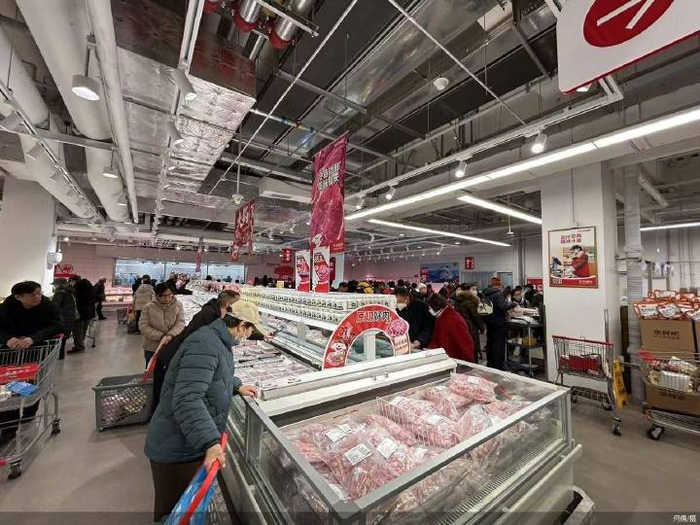
Core Viewpoint - The e-commerce industry is shifting from scale expansion to efficiency and sustainability as major players like JD.com, Meituan, and Alibaba compete in the "minute-level fulfillment" space, focusing on hard discounts and local life increments [1] Group 1: Competitive Landscape - JD.com opened its first discount supermarket in Beijing's Mentougou district, featuring over 5,000 SKUs and local specialties to attract consumers [3][6] - Meituan's Happy Monkey supermarket, located just 5 minutes away from JD's new store, is facing pressure as both companies compete for foot traffic in overlapping product categories [3][4] - Despite having smaller store sizes, Meituan is rapidly expanding its discount format, with plans for a third store opening soon [4][5] Group 2: Supply Chain and Logistics - JD.com emphasizes the importance of logistics infrastructure in its store locations, allowing for quick replenishment and fresh product availability [6][10] - The discount supermarkets are designed to cater to family consumers who prioritize price and quality, with a focus on essential goods [7][8] - Both JD.com and Meituan are adopting strategies that include self-owned brands and hard discount pricing to meet consumer demand for quality-price ratios [8][9] Group 3: Industry Trends - The discount format has become a hot trend among internet giants, with companies like JD.com and Meituan entering the market to capture offline growth opportunities [8][9] - There is a renewed interest in physical retail among internet companies, reminiscent of the "new retail" era, as they seek to optimize operational efficiency and resource collaboration [9] - The supply chain systems for e-commerce discount formats are expected to upgrade significantly in the coming year, with increased investment in self-owned brand development [9]


京东折扣超市北京首店开业,硬折扣赛道迎来变数
Bei Jing Shang Bao· 2025-12-17 15:28
Core Insights - The e-commerce industry is shifting from scale expansion to efficiency and sustainability as major players like JD, Meituan, and Alibaba compete in the "minute-level fulfillment" space [1] - The competition is intensifying as JD and Meituan launch discount supermarkets in Beijing, focusing on logistics efficiency and low pricing strategies to attract family and commuting customers [1][3] Group 1: Market Dynamics - JD opened its first discount supermarket in Beijing's Mentougou district, featuring over 5,000 SKUs and local specialties to cater to local consumers [3][5] - Meituan's Happy Monkey supermarket, which opened shortly before JD's, is facing declining foot traffic and is also competing in similar product categories [4][6] - Both companies are targeting the suburban market around Beijing, indicating a strong interest in expanding their presence in this area [5] Group 2: Supply Chain and Product Strategy - JD's discount supermarket emphasizes a large store size and comprehensive SKU coverage to attract family shoppers, while maintaining low prices on essential goods [6][9] - Meituan's strategy mirrors JD's, focusing on stable pricing for essential items and offering private label products to meet consumer quality demands [6][8] - Both companies are enhancing their supply chain capabilities, with JD leveraging local logistics to ensure quick replenishment of fresh products [5][9] Group 3: Competitive Landscape - The discount retail format has become a focal point for major internet companies, with JD, Meituan, and Hema (盒马) all vying for market share [7][8] - The competition is characterized by rapid store openings and a focus on integrating online and offline sales channels to drive growth in instant retail [8] - Industry experts predict that the supply chain systems for discount retail will undergo significant upgrades in the coming year, with increased investment in private label development [8]
京东折扣超市北京首店开业!大厂为何都盯上五环外?
Bei Jing Shang Bao· 2025-12-17 14:54
Core Insights - Major companies like JD.com and Meituan are intensifying competition in the discount supermarket sector, particularly in the outskirts of Beijing, indicating a strong interest in this market segment [3][4][11] Group 1: Company Strategies - JD.com opened its first discount supermarket in Beijing's Mentougou district, featuring over 5,000 SKUs and a focus on local products to attract consumers [4][8] - Meituan's Happy Monkey supermarket is also expanding rapidly, with plans for multiple new locations in Beijing, indicating a strategy of quick replication and market penetration [6][11] - Both companies are leveraging their supply chain capabilities to ensure quick restocking and maintain product freshness, with JD.com claiming a one-hour turnaround for fresh produce [8][10] Group 2: Market Dynamics - The competition is characterized by a focus on low prices and a wide range of essential goods, appealing to price-sensitive consumers [10][11] - The discount supermarket format has become a key growth area for internet giants, as they seek to capture offline market share and adapt to changing consumer preferences [11][13] - The trend reflects a broader shift in the retail landscape, with companies aiming to enhance operational efficiency and resource collaboration while expanding their physical presence [13][14]
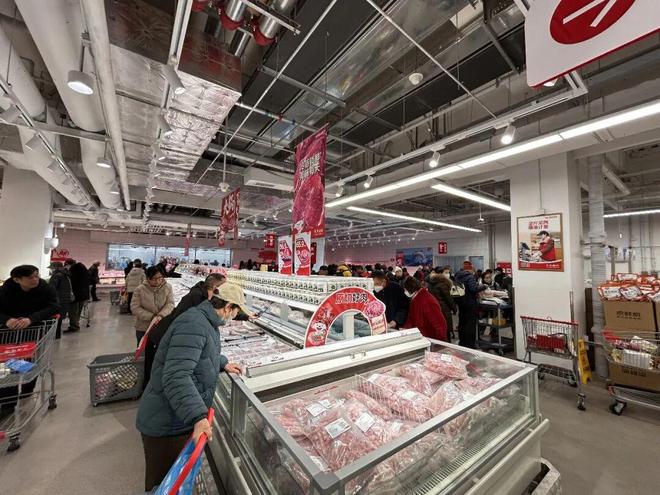
京东折扣超市北京首店开业 硬折扣赛道迎来变数
Bei Jing Shang Bao· 2025-12-17 14:50
Core Insights - The e-commerce industry is shifting from scale expansion to efficiency and sustainability as it enters a period of stock competition, with major players like JD, Meituan, and Alibaba competing in "minute-level fulfillment" and hard discount strategies [1] Group 1: Market Competition - JD opened its first discount supermarket in Beijing's Mentougou district, featuring over 5,000 SKUs and local specialties to attract consumers [3][5] - Meituan's Happy Monkey supermarket, which opened shortly before JD's, is facing declining foot traffic and is competing directly with JD in overlapping product categories [4][5] - Both companies are focusing on logistics efficiency and local market adaptation to capture family and commuting customer segments [5][6] Group 2: Supply Chain and Strategy - JD's discount supermarket strategy emphasizes a large store footprint and a wide range of products to attract family shoppers, while maintaining low prices on essential goods [6][7] - Meituan's Happy Monkey also employs a similar strategy, maintaining stable prices on essential items and leveraging local sourcing for fresh produce [6][7] - The competition in the discount retail space is intensifying as both companies aim to optimize supply chain capabilities and enhance operational efficiency [7][8] Group 3: Future Outlook - Experts predict that the discount retail sector will see upgrades in supply chain systems and increased investment in private label products in the coming year [8] - Both JD and Meituan are expected to accelerate the opening of discount stores and integrate online platforms to boost instant retail business growth [8]
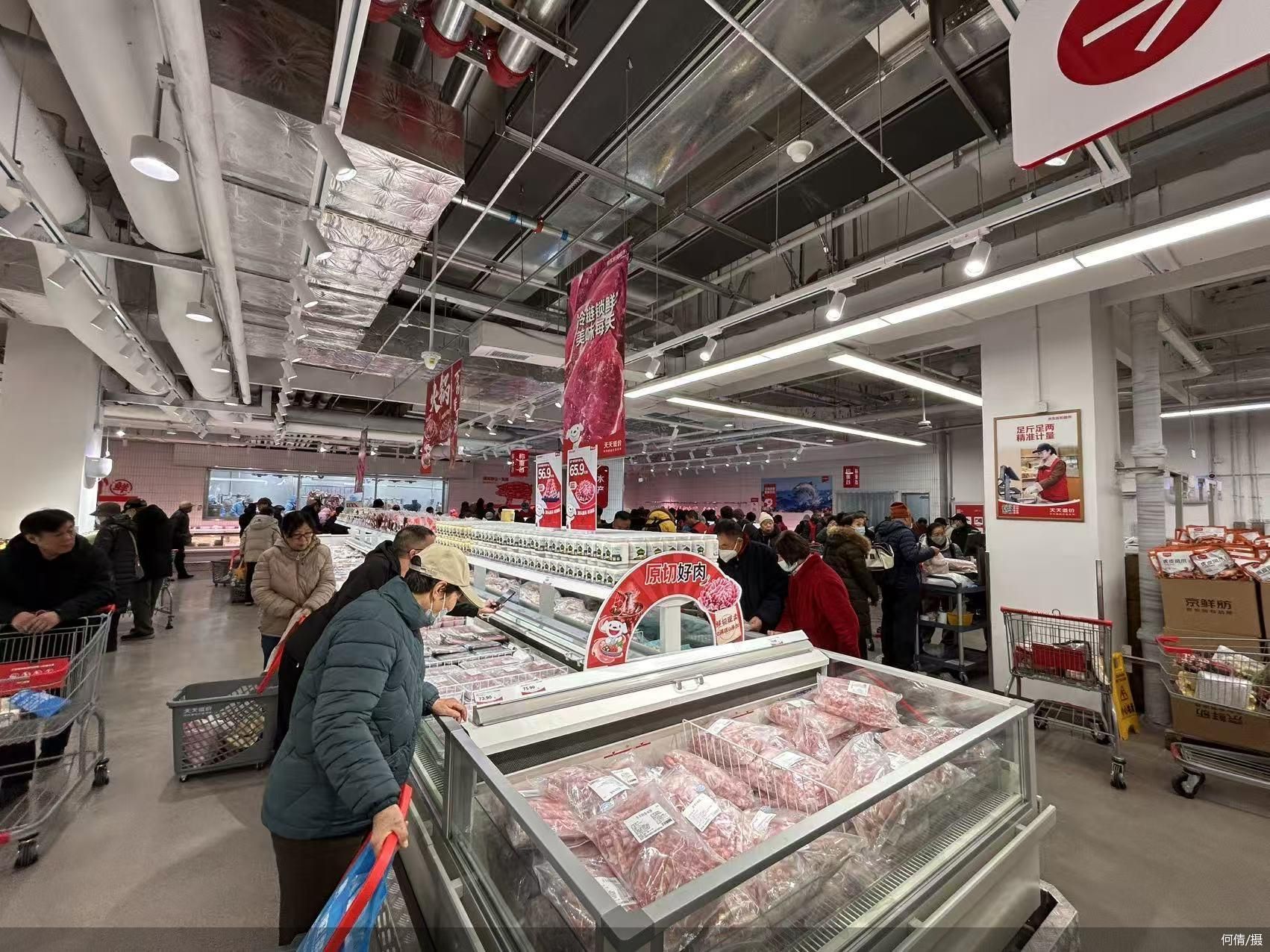
2025电商之变 | 京东折扣超市北京首店开业 硬折扣赛道迎来变数
Bei Jing Shang Bao· 2025-12-17 14:42
Core Insights - The e-commerce industry is shifting from scale expansion to efficiency and sustainability, with major players like JD, Meituan, and Alibaba competing fiercely in the discount retail sector [1] Group 1: Market Dynamics - JD opened its first discount supermarket in Beijing, featuring over 5,000 SKUs and local specialties to attract consumers [3][4] - Meituan's Happy Monkey supermarket is facing pressure as it competes directly with JD's offerings, with overlapping product categories leading to intense customer competition [4][5] - Both companies are focusing on logistics efficiency and local market adaptation to enhance their competitive edge in the discount retail space [5][6] Group 2: Strategic Approaches - JD's discount supermarket strategy emphasizes a large store footprint and a wide range of products to attract family shoppers, while maintaining low prices on essential goods [6][7] - Meituan is rapidly expanding its discount supermarket model, with plans for multiple new locations in a short timeframe, indicating a strategy of quick replication [4][8] - The competition is characterized by a focus on supply chain capabilities, with both companies aiming to optimize logistics and product freshness to meet consumer demands [5][8] Group 3: Future Outlook - The discount retail sector is expected to see significant upgrades in supply chain systems and increased investment in private label products as companies adapt to changing consumer preferences [8] - E-commerce giants are re-engaging with physical retail, aiming to capture market share in local and community-based commerce while enhancing operational efficiency [8][9] - The integration of online and offline platforms is anticipated to drive growth in instant retail, with companies like JD and Meituan leveraging their respective strengths in this evolving landscape [8]
京东折扣超市落地北京门头沟,对快乐猴“贴脸开大”
东京烘焙职业人· 2025-11-17 08:35
Core Viewpoint - The competition between JD's discount supermarket and Meituan's "Happy Monkey" supermarket in Beijing's Mentougou district highlights the struggle of internet giants to penetrate the community retail market, aiming for both traffic and profit amidst rising online customer acquisition costs [4][9]. Group 1: Market Dynamics - JD's discount supermarket is strategically located in Mentougou, targeting the untapped consumer potential in suburban areas, where operational costs are lower compared to core urban areas [5][6]. - The proximity of JD and Meituan stores indicates a fierce competition for community retail, which is seen as a testing ground for business models due to its high-frequency and essential consumption characteristics [4][8]. Group 2: Business Models - JD adopts a "large store, multiple SKUs" strategy with its first store covering approximately 5000 square meters and offering over 5000 SKUs, aiming to create a "one-stop shopping" experience [11][16]. - In contrast, Meituan's "Happy Monkey" focuses on a smaller footprint of about 1000 square meters with around 1000 SKUs, emphasizing immediate access to high-frequency essential goods [12][14]. Group 3: Competitive Strategies - JD's model leverages its mature supply chain to achieve direct sourcing and lower costs, while Meituan capitalizes on its local life services and instant delivery capabilities [15][17]. - Both companies face the challenge of maintaining profitability in a low-margin environment, with industry average profit margins ranging from 1.5% to 5% [18][19]. Group 4: Challenges and Opportunities - The hard discount model, while promising, faces significant challenges such as low profit margins, high operational costs, and intense competition leading to homogenization in offerings [21][22]. - Companies must differentiate themselves through unique supply chain advantages, digital capabilities, and service quality to avoid being eliminated in the competitive landscape [23][24]. Group 5: Future Outlook - The ongoing competition between JD and Meituan in Mentougou is indicative of a broader trend in the retail industry, with both companies expanding their hard discount models across various regions [26][27]. - The hard discount model presents dual appeal for consumers and businesses, serving as a litmus test for the evolution of instant retail [27].
紧邻美团,京东折扣超市北京首店将落地门头沟 为何大厂偏爱五环外
Bei Jing Shang Bao· 2025-11-10 14:32
Core Insights - The competition in the instant retail sector is intensifying as major players like JD.com and Meituan are establishing physical stores in close proximity to each other, targeting community commerce as a key battleground [1][5][7] - The focus on essential consumer goods and 30-minute delivery services is aimed at capturing daily purchasing needs, particularly in suburban areas where operational costs are lower and market gaps exist [1][6][8] Group 1: Market Dynamics - JD.com is set to open its first discount supermarket in Beijing's Mentougou district, strategically located near Meituan's "Happy Monkey" supermarket, highlighting the competitive landscape of physical retail [4][5] - Both companies are leveraging their brand power to attract consumers in community settings, with JD.com focusing on essential goods and Meituan emphasizing fresh produce and baked goods [5][8] - The trend of hard discount models is gaining traction, with major retailers like Yonghui and Meituan introducing private label products to enhance consumer appeal [6][9] Group 2: Strategic Positioning - The new JD.com discount supermarket will be part of a larger shopping center that includes various services, aiming to create a comprehensive community lifestyle hub [7][8] - Meituan's "Happy Monkey" supermarket has already gained significant visibility since its opening, indicating a strong initial consumer response [5][6] - Both companies are avoiding saturated urban core areas and instead focusing on suburban markets where they can test their discount models with lower pressure [6][14] Group 3: Consumer Behavior - The shift towards community-focused retail is driven by the need for high-frequency consumer interactions, with both companies aiming to meet the demand for essential goods in densely populated residential areas [8][9] - The competitive landscape is characterized by a focus on cost control and operational efficiency, as retailers streamline their offerings to maintain profitability in a price-sensitive market [9][10] - The collaboration between e-commerce giants and local shopping centers is seen as a way to revitalize community commerce and enhance the shopping experience for consumers [11][12]
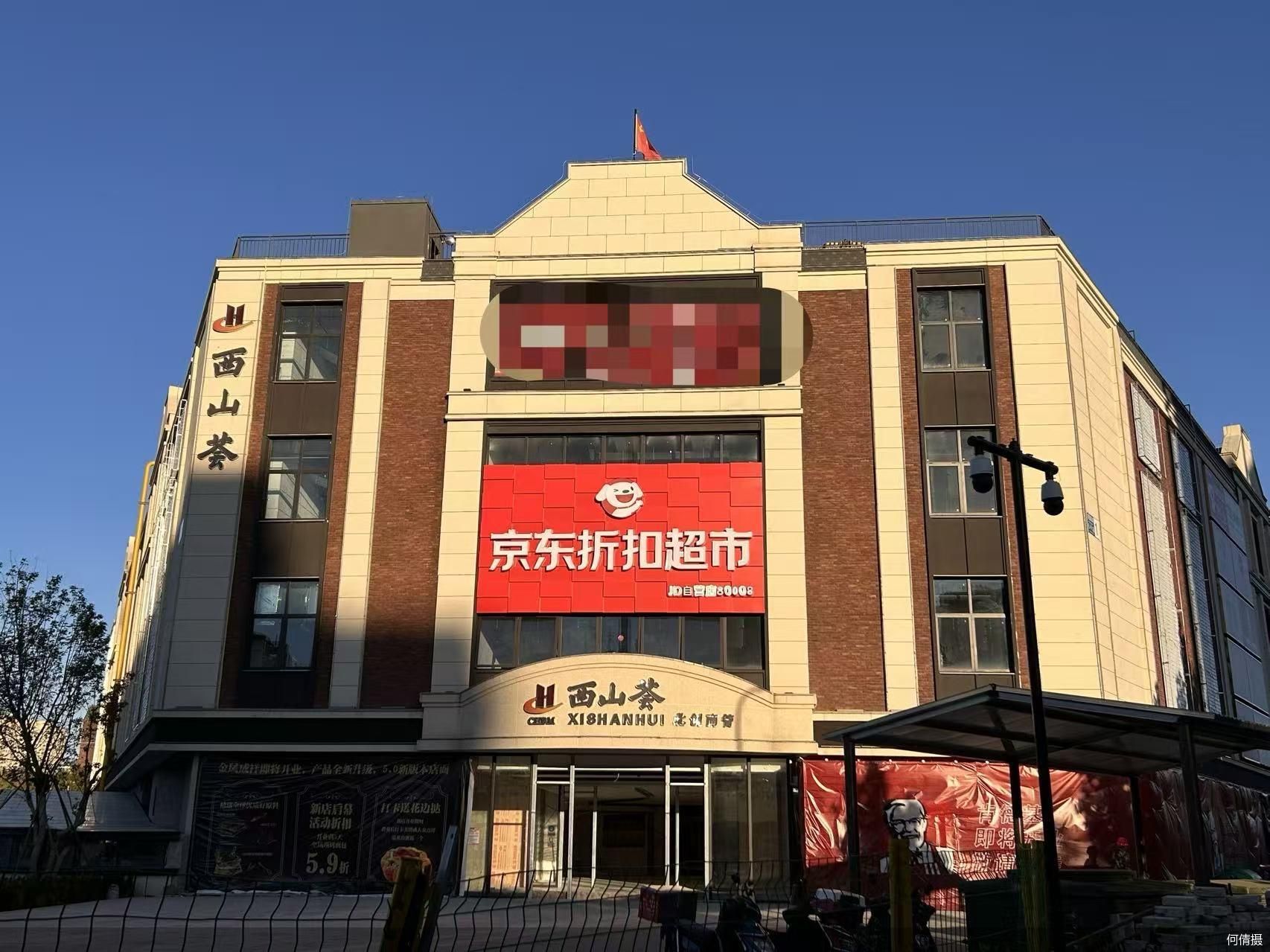
“双11”本地之战 | 紧邻美团,京东折扣超市北京首店将落地门头沟 为何大厂偏爱五环外
Bei Jing Shang Bao· 2025-11-10 14:31
Core Insights - The competition in the instant retail sector is intensifying as major players like JD.com and Meituan are establishing physical stores in close proximity to each other, targeting community commerce as a key battleground [1][3][6] - The focus on community retail is driven by the need to meet high-frequency, essential consumer demands, with both companies leveraging their existing traffic to stimulate local markets [1][4][7] Group 1: Market Dynamics - JD.com is set to open its first discount supermarket in Beijing's Mentougou district, strategically located near Meituan's "Happy Monkey" supermarket, highlighting the competitive landscape [2][3] - The shift towards hard discount models is gaining traction, with companies like Yonghui and Meituan introducing private label products to attract consumers [4][8] - The community retail strategy is characterized by a focus on essential goods and quick delivery, with both JD.com and Meituan aiming to capture local consumer needs [6][7] Group 2: Strategic Positioning - The new JD.com discount supermarket will occupy a space of 47,000 square meters, indicating a significant investment in the community retail sector [2] - Meituan's "Happy Monkey" supermarket, which opened earlier, emphasizes fresh produce and baked goods, showcasing a similar business model [3] - Both companies are avoiding saturated urban core areas and instead targeting suburban markets where operational costs are lower and consumer demand is high [11][12] Group 3: Consumer Behavior - The community-focused retail approach is designed to cater to the needs of densely populated residential areas, with both companies aiming to provide better services to local residents [6][7] - The trend towards discount retailing is a response to changing consumer preferences for value and quality, prompting retailers to streamline operations and reduce costs [8][10] - The collaboration between e-commerce giants and local shopping centers is expected to enhance the shopping experience and drive foot traffic [9][10]
巷战硬折扣 京东、美团追赶盒马NB
Jing Ji Guan Cha Wang· 2025-08-18 14:17
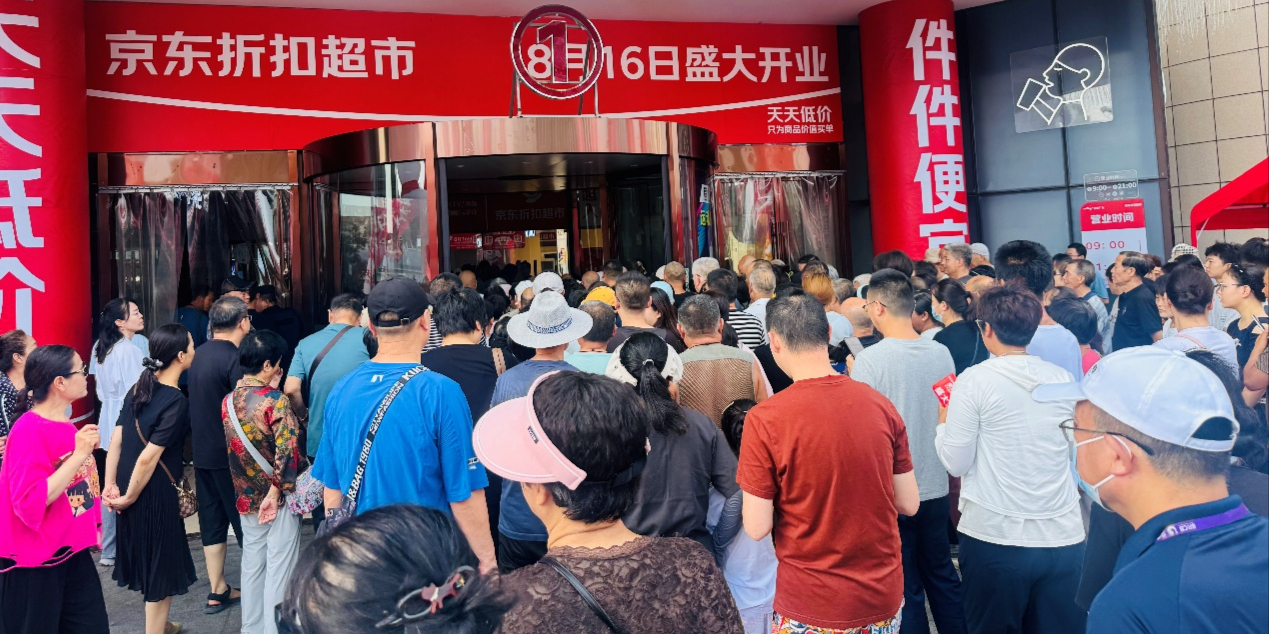
Group 1 - JD opened its first discount supermarket in Zhuozhou, Hebei, on August 16, attracting nearly 60,000 customers on its first day, with the local population being approximately 630,000 [2] - The discount supermarket features low prices on various products, such as 30 eggs for 9.9 yuan and 1.999 yuan per jin for Northeast rice [2] - JD plans to expand its discount supermarket model to other regions, including Tianjin, Anhui, and Henan, following the opening of five stores in August [4][5] Group 2 - Meituan is also entering the hard discount supermarket sector with its "Happy Monkey" brand, set to open on August 29 in Hangzhou, with plans for a nationwide rollout of 1,000 stores in the coming years [4][5] - The hard discount retail market in China is expected to reach 2.3 trillion yuan by 2025, indicating significant growth potential [10] - Both JD and Meituan are leveraging their supply chain capabilities to compete in the hard discount space, with JD's integrated supply chain being a key advantage [12][15] Group 3 - JD's discount supermarket model is based on large-scale procurement and supply chain optimization to maintain sustainable low prices, differentiating it from "soft discount" models [5] - The competition between JD and Meituan is intensifying, with both companies focusing on price-sensitive consumers in first-tier and lower-tier markets [5][11] - JD's acquisition of Huaguan Supermarket in 2021 has provided it with operational capabilities in Beijing and Hebei, facilitating its entry into the hard discount market [14]