
肌酸

Search documents
卖蛋白粉年入16.9亿,湖南富豪跑出一个IPO
3 6 Ke· 2026-02-26 03:03
Core Viewpoint - Xizi Health is attempting to go public on the Hong Kong Stock Exchange, aiming to become the first stock in the "Douyin live streaming + sports nutrition" sector, despite facing significant challenges related to its business model and financial health [1][3]. Group 1: Business Model and Growth - Xizi Health's revenue is heavily reliant on Douyin, with over 60% of its income tied to the platform, and nearly half of its revenue spent on marketing, while R&D investment remains below 1% [3][10]. - The company transitioned from being a third-party product agent to developing its own brands, achieving rapid growth with brands like FoYes and fiboo, which reached over 500 million in sales within 20 months of launch [4]. - In 2023, Xizi Health reported revenues of 1.447 billion, projected to grow to 1.692 billion in 2024, with Q1-Q3 2025 revenues nearing 1.609 billion, indicating strong sales momentum [4]. Group 2: Profitability and Financial Metrics - The gross margin has significantly increased from 44.4% in 2023 to 59.5% in the first nine months of 2025, indicating a shift towards higher profitability [5]. - Marketing expenses have surged, with sales costs rising from 472 million in 2023 to 756 million in Q1-Q3 2025, leading to a decrease in net profit margin from 8.9% in 2024 to 7.4% in 2025 [10]. Group 3: Market Position and Competition - Xizi Health ranks third in the retail sales of sports nutrition products in China as of 2024, showcasing its competitive position in the market [6]. - The company's growth is primarily driven by online sales, with nearly 99% of revenue coming from this channel, and Douyin accounting for 62.8% of online sales in Q1-Q3 2025 [8][9]. Group 4: Risks and Challenges - The company faces significant risks due to its heavy reliance on Douyin for revenue, with over 60% of income coming from this single channel, making it vulnerable to changes in Douyin's policies [12]. - Xizi Health's supply chain is also highly concentrated, with the top five suppliers accounting for over 45% of purchases, posing risks related to supply disruptions [13]. - The ownership structure is heavily family-controlled, which may lead to governance issues and lack of checks and balances in decision-making [13]. Group 5: Future Outlook - The listing of Xizi Health represents a case study of rapid scaling through a single platform, but the company must address its reliance on Douyin, increase R&D investment, and improve supply chain management to ensure long-term sustainability [14][15].

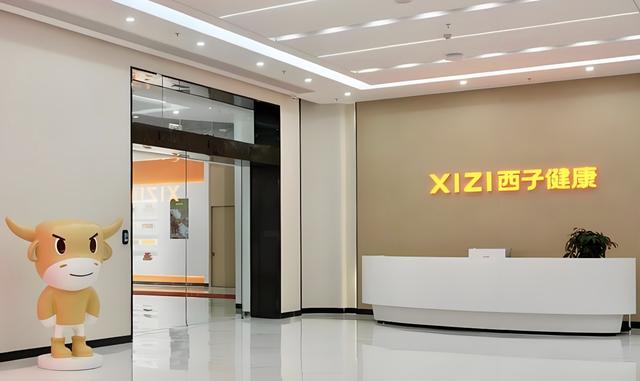
智能制造赋能品牌增长,西子健康递交港股上市申请
Cai Fu Zai Xian· 2026-02-24 01:58
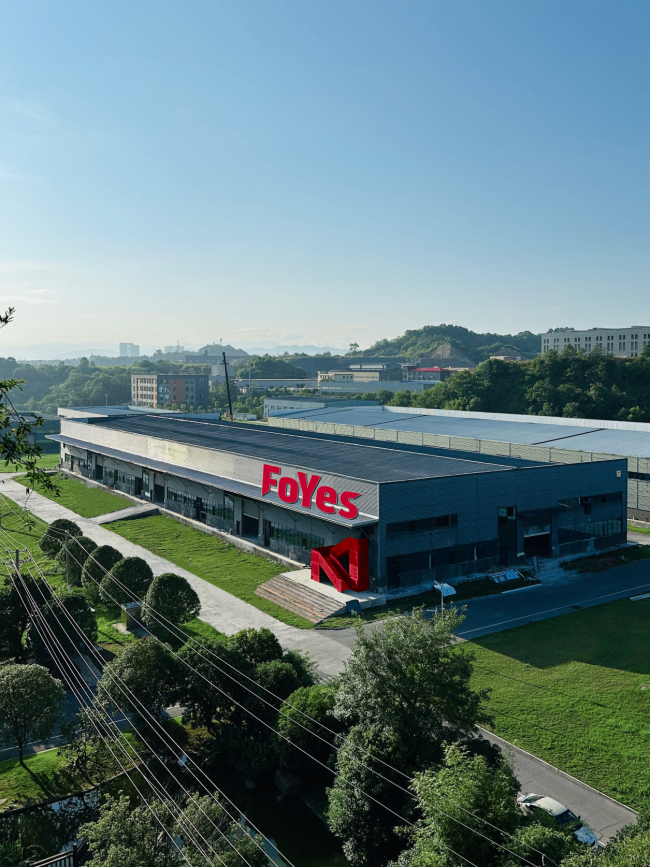
Core Viewpoint - Xizi Health has submitted its listing application to the Hong Kong Stock Exchange, marking a significant step in its capital expansion process and aiming for high-quality development in the sports nutrition industry [1] Company Overview - Xizi Health operates as a professional sports nutrition brand operator, focusing on industry trends and developing four core brands: FoYes, fiboo, Gu Ben Ri Ji, and HotRule, creating a diverse product matrix [1] - The product range includes core categories such as protein powder, compound whey protein powder, and creatine, as well as trendy functional foods like functional gummies and coffee, targeting various consumer groups [1] Financial Performance - In the first three quarters of 2023, 2024, and 2025, Xizi Health achieved revenues of 1.447 billion yuan, 1.692 billion yuan, and 1.609 billion yuan respectively, with net profits of 93.856 million yuan, 149 million yuan, and 118 million yuan, indicating steady revenue growth and improving profitability [1] Market Trends - The nutrition and health food market in China is experiencing a golden development period, with the market size projected to grow from 297.9 billion yuan in 2020 to 405.7 billion yuan in 2024, reflecting a compound annual growth rate of 8.0% [2] - Consumer health demands are becoming more diversified and personalized, pushing the industry towards specialization and refinement [2] Manufacturing Capabilities - Xizi Health emphasizes smart manufacturing as a core competitive advantage, establishing a high-standard, intelligent production system to ensure stable product supply and quality [2] - The manufacturing base in Jiangxi has a production area of 19,200 square meters and a flexible capacity of 7.35 million barrels of protein powder, allowing for efficient response to diverse market orders [2] Technological Integration - The manufacturing base integrates advanced technologies such as big data, cloud computing, and AI, achieving a production automation level of 95%, which enhances efficiency and reduces costs while maintaining product quality [4] - The company plans to expand production capacity through new production lines and facilities, aiming for rapid product iteration and stringent cost control [4] Quality Control Initiatives - Xizi Health is committed to building a comprehensive quality management system across the entire supply chain, enhancing consistency in quality from procurement to delivery [4]
营养健康赛道IPO密集落地 | 庶正智库【1月号】
Sou Hu Cai Jing· 2026-02-10 12:16
Core Insights - The Chinese nutrition and health industry is experiencing a surge in IPO activities, indicating a shift from local operations to global expansion and a focus on scientific validation [4][5]. IPO Developments - In 2025, several companies in the nutrition and health sector are set to go public, covering the entire supply chain from raw materials to manufacturing and branding [4]. - Dongpeng Beverage plans to list on the Hong Kong Stock Exchange in early 2026, aiming to raise over HKD 10.1 billion, marking the largest IPO in the non-alcoholic beverage sector in Hong Kong history [4]. - Xianle Health is advancing its H-share listing while optimizing its global CDMO platform by divesting non-core assets [4]. - Ruoyuchen has submitted its application to the Hong Kong Stock Exchange, focusing on its proprietary brand FineNutri to transition from a service provider to a brand owner [4]. - Other companies like Jiyuan Group and Hengmei Health are also pursuing listings to enhance their production capacities and market presence [4][5]. Regulatory Updates - The National Market Supervision Administration has released several guidelines and regulations affecting the health and nutrition sector, including the review of special medical formula food production licenses and the management of live-streaming e-commerce [6][7]. - New regulations have been introduced to ensure compliance in the marketing of health products, including a ban on certain food sales in live-streaming environments [6]. Market Trends - There is a notable increase in demand for health supplements, with sales of ginseng and other tonic products rising by 55% year-on-year during the New Year holiday [17]. - The import of medical and health products has also seen significant growth, with a 70.4% increase in imports in Hubei province in 2025 [17]. Industry Insights - The current wave of capital influx is not merely for financing but signals a critical transition in the industry towards scientific validation and global operations [4]. - Companies with genuine research capabilities, compliant product systems, and international perspectives are expected to gain a competitive edge in high-quality development [4].



靠抖音撑起“半边天”的西子健康冲刺港交所:99%营收依赖线上,研发投入不足1%
YOUNG财经 漾财经· 2026-01-29 14:50
Core Viewpoint - Xizi Health, a sports nutrition food brand heavily reliant on Douyin for its growth, has submitted its listing application to the Hong Kong Stock Exchange, with 99% of its revenue coming from online sales and less than 1% invested in R&D [2][9]. Group 1: Company Overview - Xizi Health primarily offers products such as protein powder, creatine, and functional gummies, with a brand portfolio that includes FoYes, fiboo, Gu Ben Ri Ji, and Hot Rule [2]. - The company has transitioned from a third-party brand operator to a brand owner, achieving significant sales milestones within months of launching its products [4][5]. Group 2: Financial Performance - Revenue from self-owned brands surged from 613 million RMB in 2023 to 1.497 billion RMB in 2024, marking a 144% year-on-year growth, and further increased to 1.566 billion RMB in the first three quarters of 2025, a 38.7% increase from the same period in 2024 [4][5]. - Gross profit margin improved from 44.4% in 2023 to 59.5% in the first three quarters of 2025, with gross profits rising from 642 million RMB in 2023 to 957 million RMB in 2025 [5]. Group 3: Marketing and Sales Strategy - Marketing expenses have risen significantly, accounting for over 40% of total revenue, leading to a decline in net profit margin from 8.9% in 2024 to 7.4% in 2025 [6][8]. - Nearly 99% of Xizi Health's revenue is generated from online direct sales, with Douyin contributing over 60% of this revenue [10][12]. Group 4: Supply Chain and Risks - The company faces supplier concentration risk, relying on a few suppliers for a significant portion of its products, which could adversely affect its supply chain and operations [17].
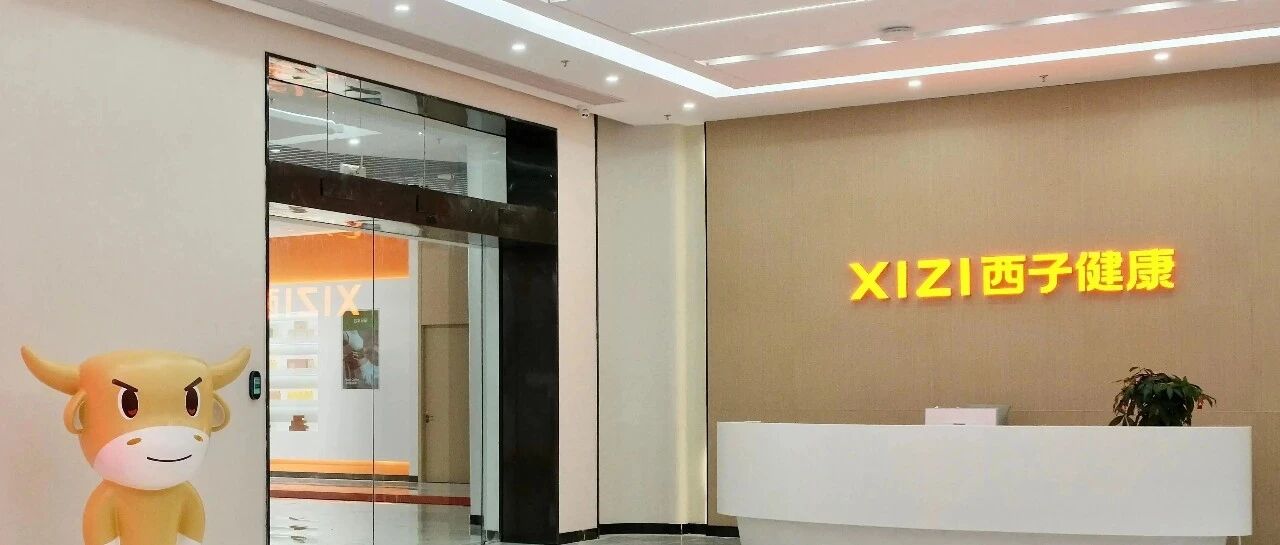
西子健康:年入超16亿元VS 99%收入靠线上,“成也抖音,忧也抖音”?
Zhi Tong Cai Jing· 2026-01-14 02:16
Industry Overview - The health and nutrition food industry in China is experiencing significant growth, with retail sales increasing from RMB 297.9 billion in 2020 to an expected RMB 405.7 billion in 2024, representing a compound annual growth rate (CAGR) of 8.0%. By 2029, the market is projected to reach RMB 645.2 billion, with a CAGR of 9.7% [1]. Company Profile - Xizi Health, established in 2013, is a leading player in the sports nutrition food sector in China, focusing on the research, production, and sales of sports nutrition products. The company operates four major brands: FoYes, fiboo, Guben Diary, and HotRule, covering various product categories such as whey protein powder, creatine, functional gummies, and energy supplements [2][3]. Marketing Strategy - Xizi Health employs a data-driven marketing strategy, utilizing online traffic operations and customized strategies for different brands and sales channels. The company has built an efficient multi-channel sales network centered on direct-to-consumer (DTC) sales, which has allowed it to effectively reach consumers [3]. Financial Performance - The company's revenue has shown substantial growth, with figures of RMB 1.447 billion in 2023, RMB 1.692 billion in 2024 (up 16.9% year-on-year), and RMB 1.609 billion in the first nine months of 2025 (up 23.0% year-on-year). The net profit also increased, reaching RMB 94 million in 2023, RMB 149 million in 2024, and RMB 118 million in the first nine months of 2025, with growth rates of 58.5% and 1.9% respectively [4]. Cost Structure - Despite high revenue growth, Xizi Health faces challenges related to rising marketing expenses, which increased from RMB 473 million in 2023 to RMB 756 million in the first nine months of 2025. The sales expense ratio rose from 32.7% in 2023 to 47% in the first nine months of 2025, impacting profit margins [5]. Cash Flow and Operational Efficiency - The company's operating cash flow has declined from RMB 270 million in 2023 to RMB 66 million in the first nine months of 2025, indicating that high growth has come at the cost of significant working capital usage [6]. Strategic Transition - Xizi Health has successfully transitioned from third-party brand operations to a self-owned brand model, with self-owned brand revenue increasing from RMB 614 million in 2023 to RMB 1.498 billion in 2024, a growth of 144.0%. By the first nine months of 2025, this revenue further increased to RMB 1.567 billion, up 38.7% year-on-year [7]. Revenue Concentration - The company's revenue is highly concentrated in online channels, with online sales accounting for approximately 99.4% in 2023, 99.0% in 2024, and 98.9% in the first nine months of 2025. Notably, Douyin (TikTok) is a critical revenue source, contributing 45.5% to 62.8% of total sales during the same periods [8].
新股前瞻|西子健康:年入超16亿元VS 99%收入靠线上,“成也抖音,忧也抖音”?
智通财经网· 2026-01-14 02:12
Industry Overview - The health and nutrition food industry in China is experiencing significant growth, with retail sales increasing from 297.9 billion RMB in 2020 to an expected 405.7 billion RMB in 2024, representing a compound annual growth rate (CAGR) of 8.0%. By 2029, the market is projected to reach 645.2 billion RMB, with a CAGR of 9.7% [1]. Company Profile - Xizi Health, established in 2013, is a leading player in the sports nutrition food sector in China, focusing on the research, production, and sales of sports nutrition products. The company operates four major brands: FoYes, fiboo, Guben Diary, and HotRule, covering various product categories such as whey protein powder, creatine, functional gummies, and energy supplements [2][3]. Marketing Strategy - Xizi Health employs a data-driven marketing strategy, utilizing online traffic operations and customized strategies for different brands and sales channels. The company has built an efficient multi-channel sales network centered on direct-to-consumer (DTC) sales, which has allowed it to effectively reach consumers [3]. Financial Performance - The company's revenue has shown substantial growth, with figures of 1.447 billion RMB in 2023, 1.692 billion RMB in 2024 (up 16.9% year-on-year), and 1.609 billion RMB in the first nine months of 2025 (up 23.0% year-on-year). Net profit also increased, reaching 94 million RMB in 2023, 149 million RMB in 2024 (up 58.5% year-on-year), and 118 million RMB in the first nine months of 2025 (up 1.9% year-on-year) [4]. Cost Structure - The company's sales expenses have risen significantly, from 473 million RMB in 2023 to 756 million RMB in the first nine months of 2025, leading to an increase in the sales expense ratio from 32.7% in 2023 to 47% in 2025. This has impacted profit growth, with net profit growth lagging behind revenue growth due to rising sales expenses [5]. Cash Flow and Operational Efficiency - Xizi Health's operating cash flow has declined from 270 million RMB in 2023 to 66 million RMB in the first nine months of 2025, indicating that high growth has come at the cost of significant working capital usage [6]. Strategic Transition - The company has successfully transitioned from third-party brand operations to a self-owned brand model, with self-owned brand revenue increasing from 614 million RMB in 2023 to 1.498 billion RMB in 2024 (up 144.0% year-on-year) and further to 1.567 billion RMB in the first nine months of 2025 (up 38.7% year-on-year). The gross margin has also improved, rising from 44.4% in 2023 to 59.5% in the first nine months of 2025 [7]. Revenue Concentration - Xizi Health's revenue is highly concentrated in online channels, with online sales accounting for approximately 99.4% in 2023, 99.0% in 2024, and 98.9% in the first nine months of 2025. The company heavily relies on Douyin, which contributed 45.5% to 62.8% of total revenue during the same periods. The DTC sales model accounted for about 88.4% in 2024 and 89.8% in the first nine months of 2025 [8].
收入依赖线上 西子健康冲刺港交所
Bei Jing Shang Bao· 2026-01-12 15:26
Core Viewpoint - Xizi Health Group has submitted its listing application to the Hong Kong Stock Exchange, with a significant reliance on online sales channels, particularly through Douyin, raising concerns about its business model amid rising traffic costs [1][3]. Group 1: Financial Performance - Xizi Health's projected revenues for 2023, 2024, and the first nine months of 2025 are approximately 1.447 billion, 1.692 billion, and 1.609 billion yuan, respectively, with net profits of 94 million, 149 million, and 118 million yuan during the same periods [1]. - The company ranks third among Chinese sports nutrition food brand operators and is noted as one of the fastest-growing brands in the sector from 2022 to 2024 [2]. Group 2: Revenue Sources - Approximately 99% of Xizi Health's revenue comes from online channels, with Douyin accounting for over 60% of this income, indicating a heavy reliance on digital platforms for sales [3]. - The company's main brands include FoYes, fiboo, Gu Ben Diary, and HotRule, with FoYes and fiboo contributing 35% and 36.7% to revenue, respectively, in the first three quarters of 2025 [2]. Group 3: Marketing and R&D - Xizi Health's marketing expenses have increased significantly, with sales costs rising from approximately 473 million to 756 million yuan, representing an increase in the sales expense ratio from 32.7% to 47% [4]. - R&D expenditures are notably low, with only 0.5% to 0.7% of revenue allocated to R&D, raising concerns about the company's technological capabilities and potential for product differentiation [4][5]. Group 4: Production and Quality Control - The company primarily relies on third-party manufacturers for its products, which raises concerns about quality control and supply chain management [5]. - Complaints regarding product quality, including safety issues, have been reported by consumers, indicating potential risks associated with the company's reliance on external production [5].
西子健康赴港IPO,线上依赖成焦点
Bei Jing Shang Bao· 2026-01-12 14:11
Core Viewpoint - Xizi Health Group has submitted its listing application to the Hong Kong Stock Exchange, with a significant reliance on online sales channels, particularly through Douyin, raising concerns about its business model amid rising traffic costs [1][5]. Financial Performance - Xizi Health's projected revenues for 2023, 2024, and the first nine months of 2025 are approximately 1.447 billion, 1.692 billion, and 1.609 billion yuan respectively, with net profits of 94 million, 149 million, and 118 million yuan for the same periods [1]. - Sales expenses have increased significantly, reaching approximately 473 million, 751 million, and 756 million yuan for the respective years, with the sales expense ratio rising from 32.7% to 47% [6]. Revenue Sources - The company generates 99% of its revenue from online channels, with Douyin accounting for over 62.8% of its income, indicating a heavy dependence on a single platform [5][6]. - The main brands under Xizi Health include FoYes, fiboo, Guben Diary, and HotRule, with FoYes and fiboo contributing 35% and 36.7% to revenue respectively [4]. Market Position - Xizi Health ranks third among Chinese sports nutrition food brand operators and is noted as one of the fastest-growing brands in the sector from 2022 to 2024 [4]. - The company has achieved top rankings in GMV for its products on Douyin, indicating strong market presence [4]. Marketing and R&D - The company employs a "data-driven marketing" strategy, focusing on direct-to-consumer sales while maintaining a low R&D expenditure, which is less than 1% of revenue [6][7]. - Concerns have been raised regarding the low R&D investment, which may affect long-term growth potential and investor confidence [7][8]. Production and Quality Control - Xizi Health relies heavily on third-party manufacturers for its product lines, which raises concerns about quality control and product safety, as evidenced by consumer complaints [7][8].
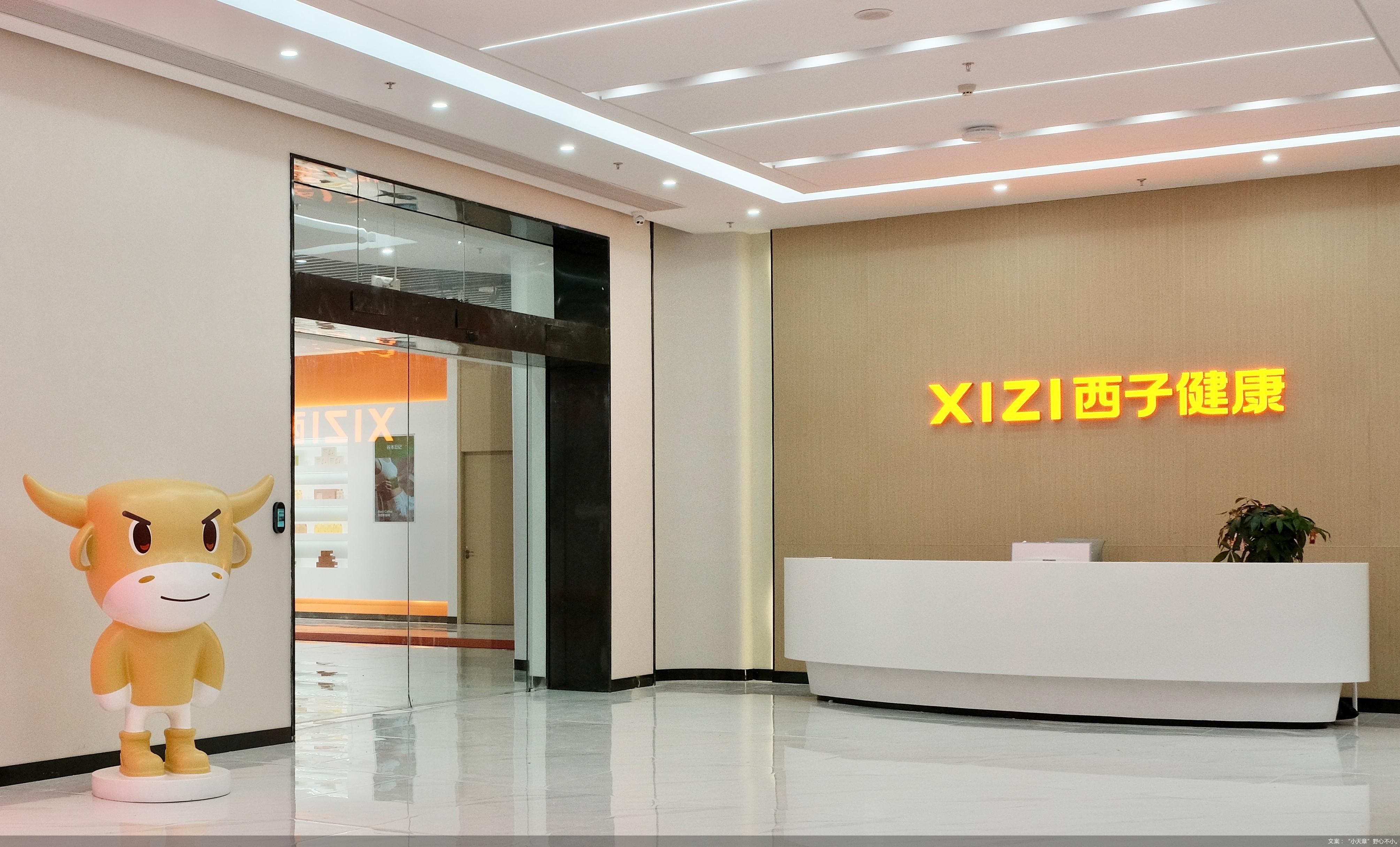
长沙老板卖蛋白粉,9个月入账16亿
2 1 Shi Ji Jing Ji Bao Dao· 2026-01-10 11:21
Core Viewpoint - Hunan Xizi Health, led by entrepreneur Liu Jianwei, is preparing for an IPO on the Hong Kong Stock Exchange, aiming to capitalize on the growing market for sports nutrition products [1][2]. Company Overview - Hunan Xizi Health has submitted its listing application to the Hong Kong Stock Exchange, with CITIC Securities as the sole sponsor [2]. - The company operates in the sports nutrition sector, owning four proprietary brands: FoYes, fiboo, Guben Diary, and Hot Rule, offering products such as protein powders, functional gummies, and coffee [2]. Leadership and Background - Liu Jianwei, the chairman and founder, is a self-made entrepreneur who graduated from Hunan Engineering Vocational and Technical College with a degree in logistics management [3][4]. - He has spent over a decade building a successful nutrition brand, with annual revenue exceeding 10 billion yuan [4]. Brand Development - Initially focused on third-party brand operations, Liu identified opportunities in the nutrition market and pivoted to develop proprietary brands [5]. - The four brands cover various segments, including professional training, health maintenance, weight management, and daily nutrition needs [6]. Product Performance - The fiboo brand, launched in 2021, targets women's health and has seen significant sales, with its top-selling iron-rich gummies priced around 90 yuan and over 200,000 units sold [6]. - As of November 2025, fiboo ranked first in GMV for various vitamins and minerals on Douyin [7]. - FoYes, launched in 2024, focuses on high-quality protein products, while Hot Rule, introduced in April 2025, aims at Gen Z consumers with trendy flavors [8][9]. Financial Performance - The revenue share from proprietary brands increased from 42.4% in 2023 to 97.3% by September last year [10]. - For the first nine months of 2025, the company reported revenue of 1.609 billion yuan, surpassing the total revenue for 2024, with a net profit of 127 million yuan and a record high gross margin of 59.5% [10]. - The company's shareholders include institutions like Dacheng Caizhi and Zhongguang Tianze, with Liu holding a direct stake of 12.4% and an indirect stake of approximately 57% through Xizi Technology [10]. Sales Strategy - The company's sales strategy is heavily focused on online channels, with 99% of revenue generated from online sales, primarily through Douyin [10]. - If the IPO is successful, the funds raised will be used to expand sales channels and distribution networks, solidifying its position in the sports nutrition and functional food markets [10].
西子健康冲刺港股IPO:FoYes收入暴增364%,研发投入不足1%引担忧
Xin Lang Cai Jing· 2026-01-09 04:27
Core Viewpoint - The company has successfully transformed its business model from third-party brand agency to self-owned brand operation, significantly increasing its revenue and profitability through a strong focus on its proprietary brands [1][5][17]. Business Operations and Model - Xizi Health is a sports nutrition and functional food company with products including protein powder, creatine, and functional gummies, operating under four proprietary brands: FoYes, fiboo, Gu Ben Ri Ji, and Hot Rule [1]. - The revenue share from self-owned brands surged from 42.4% in 2023 to 97.3% in the first nine months of 2025, becoming the main revenue driver [1]. Revenue and Growth - The company reported a revenue of 1.692 billion yuan in 2024, a 17.0% increase from 1.447 billion yuan in 2023, with revenue for the first nine months of 2025 reaching 1.609 billion yuan, reflecting a 23.0% year-on-year growth [2][3]. - The core brand FoYes showed exceptional performance, generating 562 million yuan in the first nine months of 2025, a staggering increase of 364.2% year-on-year, accounting for 35.0% of total revenue [2]. Profitability Metrics - The gross margin improved from 44.4% in 2023 to 59.5% in the first nine months of 2025, driven by the higher margin of self-owned brands, which reached 60.3% compared to 30.8% for third-party brands [3][4]. - Net profit for 2024 was 149 million yuan, a significant increase of 59.0% from 94 million yuan in 2023, but only a slight increase of 1.9% to 118 million yuan in the first nine months of 2025 [3][4]. Revenue Structure Changes - Self-owned brand revenue in 2024 was 1.498 billion yuan, a 144.0% increase from 614 million yuan in 2023, and further increased to 1.567 billion yuan in the first nine months of 2025, a 38.7% year-on-year growth [5]. - In contrast, revenue from third-party brands plummeted by 76.5% to 194 million yuan in 2024 and further declined to 43 million yuan in the first nine months of 2025 [5]. Customer and Supplier Concentration - The concentration of customers decreased significantly, with the top five customers accounting for only 8.1% of revenue in the first nine months of 2025, down from 21.6% in 2023 [6]. - Supplier concentration remains high, with the top five suppliers accounting for 45.0% of purchases, indicating potential supply chain risks [6]. Management and Shareholding Structure - The company's shareholding is highly concentrated, with major shareholders controlling 77.85% of the equity, posing a risk of major shareholder influence [7]. - The core management team has an average industry experience of 15 years but lacks international market experience, which may hinder overseas expansion plans [7]. Research and Development Investment - R&D spending is notably low, with only 0.7% of revenue allocated to R&D in 2025, significantly below industry standards [9][10]. Financial Challenges - The company faces financial challenges, including high sales expenses, with a sales expense ratio of 47.0%, which is significantly above the industry average [15]. - Operating cash flow has been declining, dropping from 2.70 billion yuan in 2023 to 0.66 billion yuan in the first nine months of 2025, a decrease of 75.6% [11][12].