舒芙蕾

Search documents
烟火市集酿出消费新潮流
Xin Hua Ri Bao· 2026-02-24 13:53
Core Insights - The rise of various themed markets in Jiangsu during the Spring Festival has revitalized local cultural tourism consumption, blending tradition with modern trends [1][4][6] Group 1: Market Popularity - Unique handmade products, such as the foldable lamps from Jiji Cultural Creation, have driven consumer interest, with sales reaching over 20 units daily during the holiday [1][2] - The market in Huai'an saw a significant increase in foot traffic, with daily sales averaging around 3,000 yuan, reflecting a 30% year-on-year increase [3] - The popularity of traditional snacks, like Mei Hua cake, has also surged, with daily sales reaching 600 to 700 portions, emphasizing the importance of authentic ingredients [3] Group 2: Consumer Engagement - Markets like "Meili Good Market" attract 30,000 to 50,000 visitors daily by integrating local culture and appealing to younger consumers with modern food options [4] - The "Nanjing East Market" showcases local crafts and traditional snacks, enhancing the cultural experience for visitors [5] - The emotional and social aspects of markets provide a unique atmosphere that contrasts with online shopping, fostering community connections [6] Group 3: Brand Differentiation - Some markets face challenges due to a lack of local cultural depth and originality, leading to consumer fatigue from similar offerings [7] - Successful vendors emphasize product quality, freshness, and presentation to attract customers, highlighting the importance of visual appeal in food sales [7][8] - Innovative approaches, such as integrating local heritage with modern design, are essential for attracting younger audiences and maintaining market vitality [8][9] Group 4: Cultural Integration - Deep exploration of local culture and history is crucial for creating a unique market identity that resonates with consumers [9] - The integration of markets with local attractions enhances visitor engagement and extends their stay, contributing to the overall cultural tourism experience [10]
收尾还得是甜品
Xin Lang Cai Jing· 2026-01-31 07:08
Group 1 - The article reflects on the evolution of dessert preferences in Shanghai over the past two decades, highlighting the significance of desserts in dining experiences [1][2][4] - The popularity of specific desserts like Tiramisu and Yangzhi Ganlu is emphasized, showcasing their unique flavors and textures that contribute to their status [2][4] - The distinction between Western and Chinese desserts is noted, with specific criteria for evaluating their quality, such as the emotional satisfaction they provide [4][5] Group 2 - The narrative includes personal anecdotes related to dessert experiences, particularly the enjoyment of Double Skin Milk, which is portrayed as a memorable culinary highlight [5][6] - The article suggests that the quality of ingredients and the chef's ambition can significantly influence the dessert offerings in restaurants, indicating a trend towards higher culinary standards [4][5] - The emotional connection to desserts is explored, suggesting that they can evoke memories and feelings of belonging or solitude [6]
“95后”剑桥毕业生开出两家“网红”甜品店
Hang Zhou Ri Bao· 2026-01-14 02:38
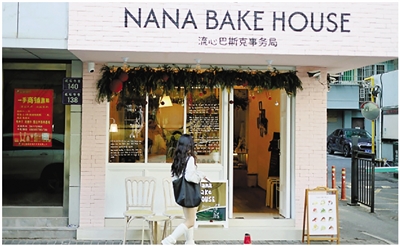
Core Insights - The article highlights the unique blend of modern and traditional elements in the Jietan Temple Alley, located in the heart of the Wulin business district, showcasing a vibrant local culture alongside high-end commercial establishments [2][3] Company Overview - Summer, a 95-born entrepreneur with dual degrees in Art History and Finance from Cambridge, transitioned from venture capital to open two distinct dessert shops in Jietan Temple Alley, emphasizing a comprehensive consumer experience rather than merely selling cakes [3][4] - The dessert shops have gained popularity, with significant sales figures reported, including 855 Basque cakes sold in the first week of opening, attributed to effective pre-launch marketing strategies [4][5] Industry Trends - The emergence of small, unique businesses in Jietan Temple Alley reflects a growing trend where local shops complement larger commercial entities, catering to both residents and tourists seeking differentiated experiences [6] - The alley has developed a diverse consumer ecosystem, featuring various establishments such as cafes and vintage shops, appealing particularly to younger demographics [6]

大侠后宫:“无意间看到男友给自己的备注...?”啊啊啊这到底是细心还是养的鱼太多分不清!
猿大侠· 2025-11-02 07:54
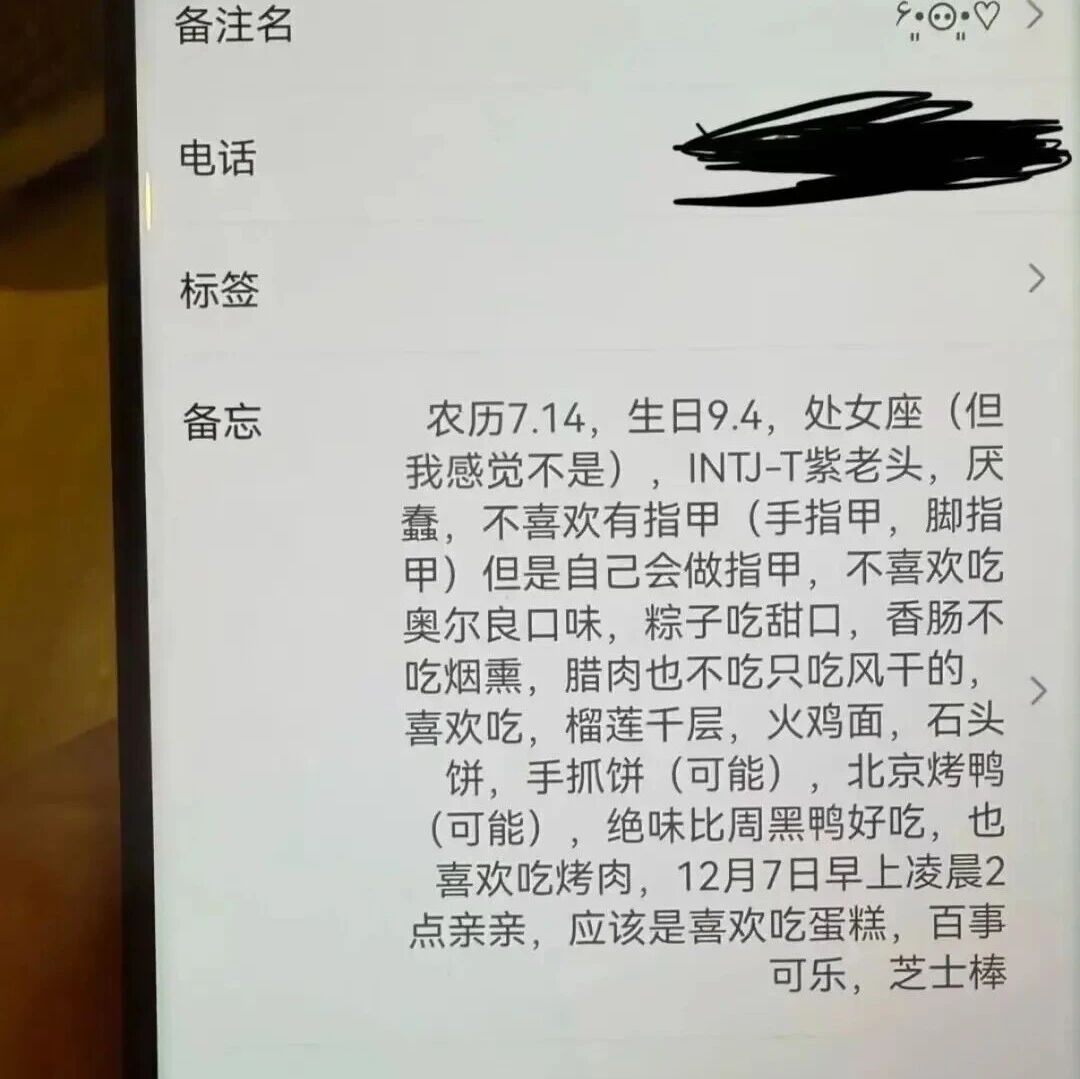
Group 1 - The article discusses the humorous and relatable experiences of individuals regarding their relationships and interactions, highlighting the quirks of human behavior in romantic contexts [1][2][3] - It emphasizes the idea that people often keep track of details about their partners to remind themselves of their feelings and priorities [2][4] - The commentary includes various anecdotes and reactions from readers, showcasing a mix of humor and personal reflections on relationships [6][7][8] Group 2 - The article features a nostalgic look at the influence of teachers and the lasting impact they have on students, even years after graduation [8][9] - It highlights the importance of educators who continue to support their former students by providing resources and guidance [8][10] - The emotional connection between teachers and students is underscored, illustrating how these relationships can shape one's life and career [8][11]
夜市摆摊:站着进场,跪着出来
Hu Xiu· 2025-05-12 02:14
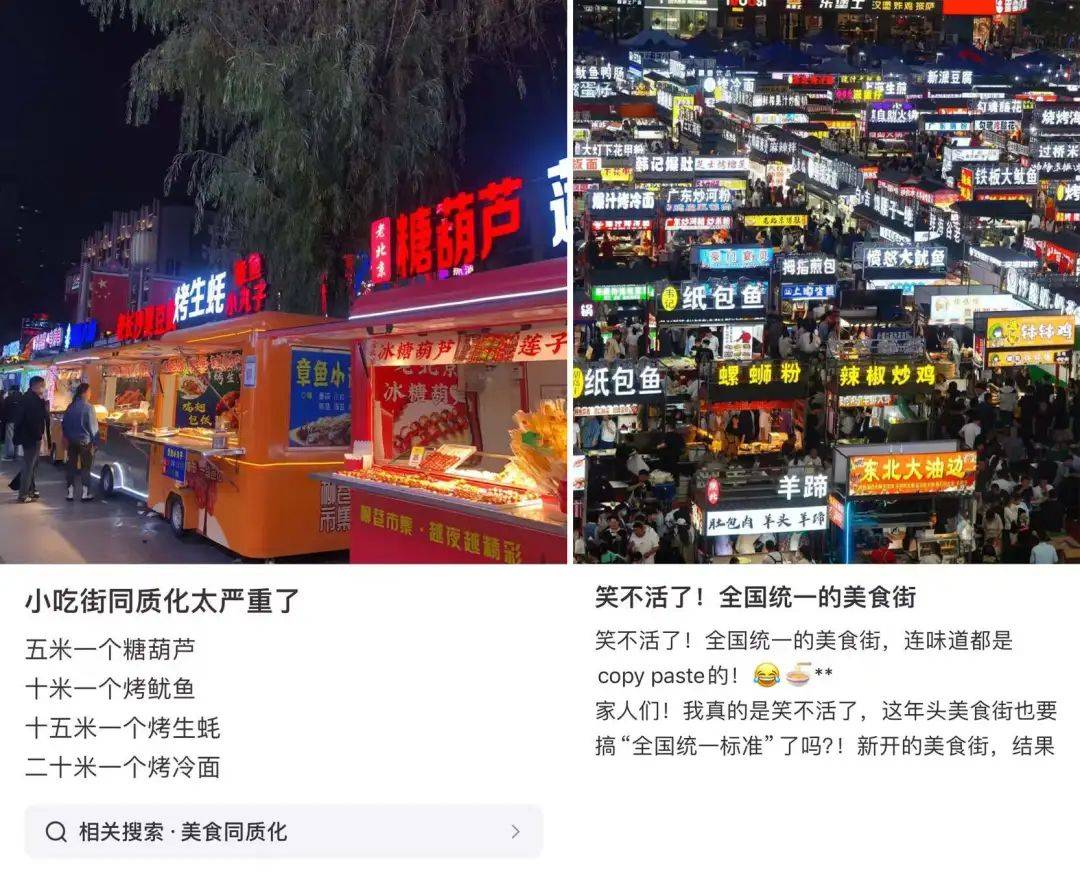
Group 1 - The core viewpoint is that the night market in Zibo has undergone a significant transformation, evolving from a traditional food market into a vibrant commercial complex that attracts large crowds [2][3][4] - The new commercial complex "Zhe You Ju Er" features a blend of traditional and modern aesthetics, maintaining high popularity despite the changes [3][5] - The revitalization of Zibo's night market reflects a broader trend across various cities in China, where night markets and street vendors are being embraced to enhance urban life and economic activity [6][11] Group 2 - The booming night market scene is attributed to multiple factors, including supportive government policies that encourage the development of night markets and street vendors as indicators of urban livability [13][14] - The rise of night markets provides opportunities for ordinary individuals to start low-barrier entrepreneurial ventures, especially in the context of rising unemployment among youth [16][18] - Consumers are drawn to night markets for their authentic atmosphere, social interaction, and the appeal of casual dining experiences [19][20] Group 3 - Despite the apparent success of the street vendor economy, many entrepreneurs face challenges, including product homogenization and intense competition leading to price wars [23][26] - Issues such as food safety concerns and the emergence of overpriced vendors are causing consumer dissatisfaction, which could dampen the enthusiasm for night markets [28][30] - The entrepreneurial landscape is complicated by the presence of misleading "get-rich-quick" schemes that lure inexperienced individuals into the market without proper guidance [32][34] Group 4 - While starting a street vending business is relatively easy, success requires careful planning, product differentiation, and a strong understanding of market dynamics [40][42] - The night market environment is not merely a casual venture; it demands hard work and resilience from vendors who must navigate various operational challenges [41][43] - Ultimately, the street vending scene serves as both an entrepreneurial platform and a reflection of market realities, emphasizing the importance of sustainable practices and customer loyalty [43]