蒸馏酒

Search documents
第二十四届中国国际酒业博览会3月19日启幕 专设酒业数智化创新展区
Si Chuan Ri Bao· 2026-02-28 00:26
Core Insights - The 24th China International Wine Expo will be held from March 19 to 22 at the Luzhou International Convention and Exhibition Center, featuring the theme "Raise a Glass to China, Taste the World" [1] Group 1: Event Overview - The expo will highlight five key features: regionalization, quality, socialization, industrialization, and internationalization [1] - There will be ten exhibition areas and an additional demonstration area for production regions, showcasing over 51 major activities, including 10 key events, 23 specialized activities, and 18 activities integrating wine, culture, and commerce [1] - The exhibition area will exceed 80,000 square meters, with nearly 1,000 enterprises from around 50 countries and regions participating [1] Group 2: Technological Innovations - A dedicated area for digital innovation in the wine industry will be set up, showcasing applications such as AI brewing, intelligent blending, precision marketing, and anti-counterfeiting traceability [1] Group 3: International Participation - Thailand will be the guest country of honor, featuring a 500 square meter national pavilion to showcase well-known brands like Singha beer and Thai whiskey, as well as quality products such as specialty rice wine and distilled beverages [1] - The expo will also promote investment opportunities in Thailand's Eastern Economic Corridor, providing a platform for companies interested in investing in Thailand [1] Group 4: Historical Context - Luzhou has hosted wine industry events for 40 years since the first "Luzhou Famous Wine Festival" in 1987, evolving from a local celebration to an international exhibition [1] - The scale of participation has grown from over 7,000 attendees to 560,000 last year, with the exhibition scope expanding to over 50 countries and regions, making it a significant window for China's wine industry in terms of openness, quality leadership, and cultural dissemination [1]
专设酒业数智化创新展区
Xin Lang Cai Jing· 2026-02-27 22:32
Group 1 - The 24th China International Wine Expo will be held from March 19 to 22 at the Luzhou International Convention Center, featuring the theme "Raise a Glass to China, Taste the World" [1] - The expo will highlight five key features: regionalization, quality, socialization, industrialization, and internationalization, with a total exhibition area exceeding 80,000 square meters and nearly 1,000 enterprises from around 50 countries and regions participating [1] - The event will include 51 major activities, comprising 10 important events, 23 specialized activities, and 18 activities integrating wine, culture, and commerce [1] Group 2 - Luzhou has hosted the "Luzhou Famous Wine Festival" since 1987, evolving from a local celebration to an international exhibition, with attendance growing from over 7,000 to 560,000 last year [2] - The expo serves as an important platform for China's wine industry to promote openness, quality leadership, and cultural exchange [2]
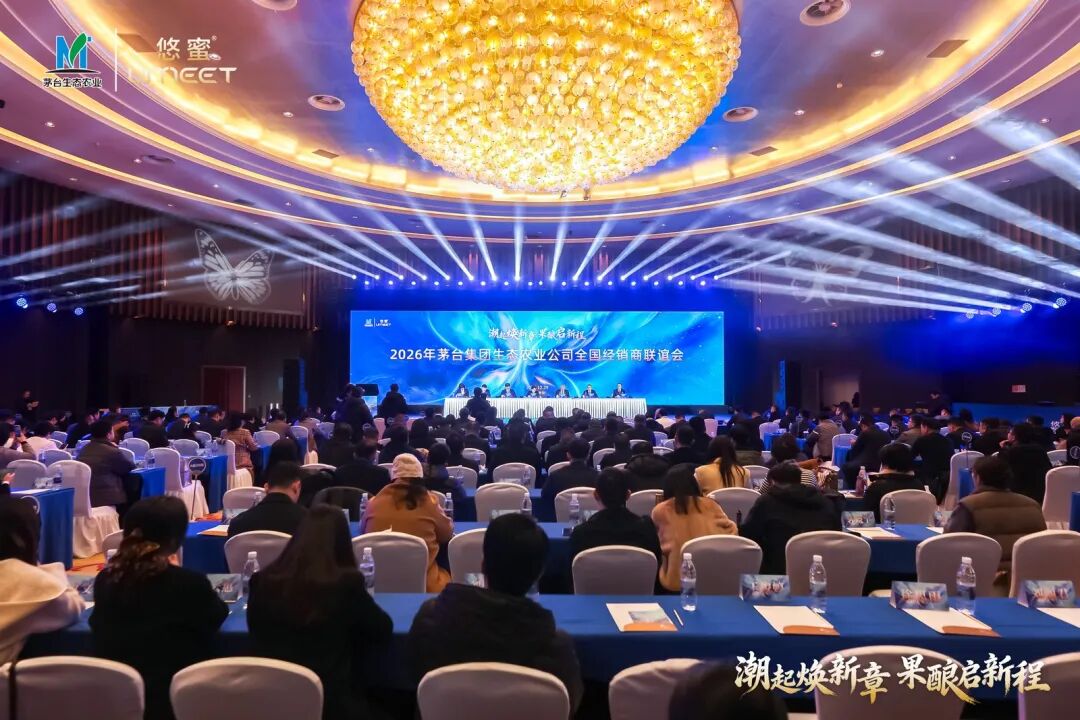
2026年茅台生态农业重点发力蒸馏酒、配制酒
Xin Lang Cai Jing· 2025-12-29 05:44
Core Viewpoint - Guizhou Moutai (Group) Ecological Agriculture Development Co., Ltd. is focusing on transformation and change in response to industry adjustments, with a strategic direction of "health, youth, and internationalization" for the year 2026, marking the beginning of the 14th Five-Year Plan [1][3]. Product Policy - The company is concentrating on deepening product categories and optimizing systems, building a diversified product ecosystem with a focus on distilled spirits, prepared wines, and fermented beverages, while also exploring the health value of fruit juices [3][8]. - The distilled spirits series centers around UMEET with a full product range from 40% vol to 70% vol, implementing marketing calendar and tiered policy measures [8]. - The prepared wine series aims to establish a comprehensive price range layout, utilizing a flexible supply chain and exclusive policies to drive growth [8]. - New products in the fermented beverage series are being launched with an emphasis on technological innovation, while the fruit juice series focuses on functionality and mass appeal, collaborating with research institutions to develop new products [8]. Market Strategy - The company is advancing a regionally focused and intensive operational strategy, with the core goal of "consolidating existing markets and expanding new ones," implementing targeted strategies for different regions and clarifying resource allocation and channel development priorities [3][8]. Brand Building - Moutai is enhancing brand influence and market conversion efficiency through tiered investment policies, celebrity endorsements, refined online channel operations, and precise marketing of main products, while exploring a "content-driven sales" model [6][11]. Service Assurance - The company emphasizes both strict management and quality service, strengthening market management and digital traceability, optimizing training and logistics support, and introducing a "low-threshold, light-asset, high-return" cooperation model to empower distributors [6][11].


农场破产数量攀升,农民面临多重压力,美国政府拟投150亿美元援助农民
Huan Qiu Shi Bao· 2025-10-08 23:07
Core Viewpoint - The U.S. government is expected to announce a $15 billion aid plan for farmers to alleviate economic difficulties caused by record corn harvests and rising costs, amidst challenges such as tariffs and labor shortages [1][2][4]. Group 1: Economic Challenges Facing Farmers - Rising costs, retaliatory tariffs, and labor shortages due to immigration policies are significantly impacting U.S. agriculture [1][2]. - The USDA projects that U.S. agricultural production costs will reach $467.4 billion by 2025, an increase of $12 billion from the previous year [1]. - The number of farm bankruptcies in the U.S. has reached its highest level since 2021 in the first half of this year [1]. Group 2: Impact of Harvest Season - The current harvest season has not improved the situation for farmers, with oversupply leading to lower prices for corn and soybeans [2]. - Farmers are facing estimated losses of $45 billion for major crops like corn, soybeans, and wheat before government subsidies take effect [2]. - Many farmers have been operating at a loss for several years, with expectations that conditions will worsen in 2025 [2]. Group 3: Government Aid and Industry Reactions - The Trump administration's aid plan, initially set to be announced, may face delays due to potential government shutdowns [2][3]. - While some farmers welcome the aid, others express that it is a temporary solution and emphasize the need for market rebuilding rather than reliance on government support [3]. - The agricultural sector is divided on the issue of aid, with some farmers willing to accept assistance while others prefer to sustain themselves through market means [3]. Group 4: Broader Industry Concerns - Previous government aid has been substantial, with projections of over $40 billion in subsidies for farmers in 2025, the second-highest since 1933 [4]. - Other affected industries, such as distilled spirits and canned goods, are voicing concerns about being overlooked in the aid discussions, highlighting the broader economic impact of tariffs [5].
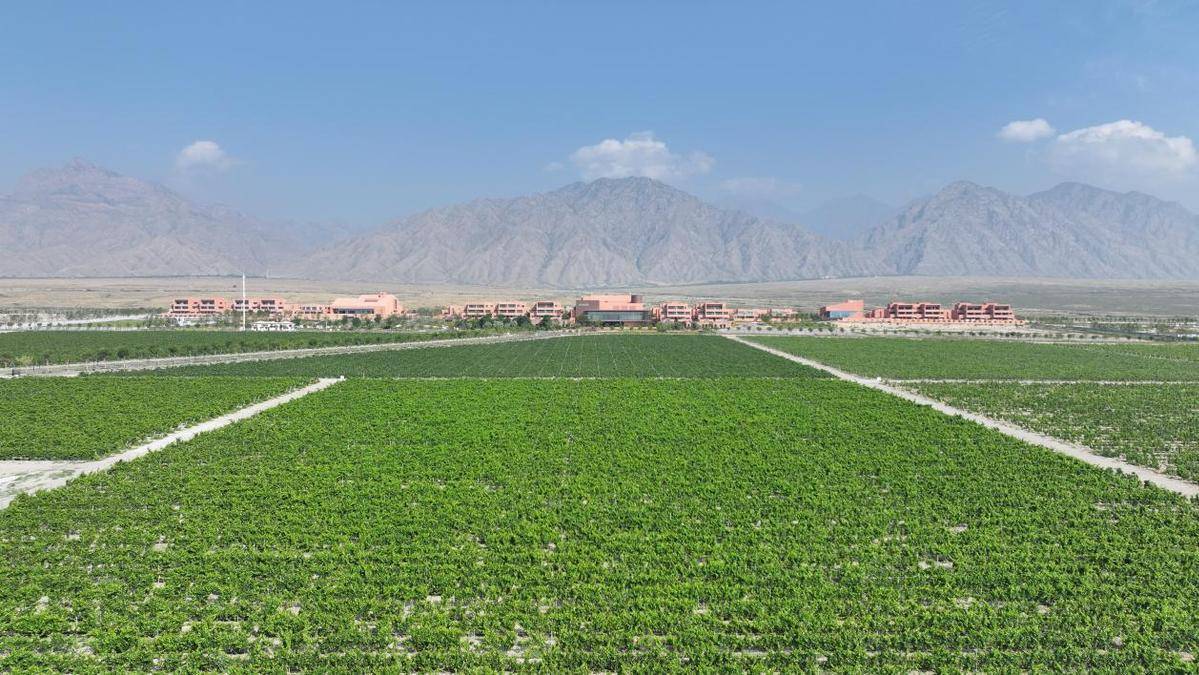
看宁夏贺兰山东麓8个酿酒葡萄产区发展规划
Sou Hu Cai Jing· 2025-08-07 12:53
Core Viewpoint - The planning document outlines the development, protection, and utilization of the Ningxia wine industry, designating a million acres for growth over the next decade [2] Summary by Sections Planning Scope - The planning area spans approximately 5,890 square kilometers, covering four prefecture-level cities and twelve counties, including key regions such as Shizuishan, Wuzhong, and Yinchuan [2] Key Development Areas - The wine grape production will focus on eight designated regions, with a target of 1,006,400 acres of wine grape cultivation by 2035, including 710,000 acres specifically for wine grape planting [5] Regional Development Plans - **Xixia Region**: Current area of 79,000 acres, with plans to expand by 60,900 acres by 2035, focusing on premium wine production and tourism integration [7] - **Yongning Region**: Current area of 213,900 acres, with an additional 47,500 acres planned, emphasizing high-end wine production and a comprehensive wine industry center [9] - **Helan Region**: Current area of 34,000 acres, with plans for 124,300 acres of new development, promoting ecological wine production and health tourism [10] - **Shizuishan Region**: Current area of 11,200 acres, with an expansion of 16,400 acres planned, focusing on enhancing existing vineyards and developing cultural tourism [12] - **Hongshibao Region**: Current area of 55,100 acres, with plans for 70,000 acres of new development, aiming for a blend of cultural and ecological tourism [13] - **Tongxin Region**: Current area of 41,800 acres, with an expansion of 62,100 acres planned, focusing on cultural and creative tourism [14] - **Qingtongxia Region**: Current area of 165,100 acres, with plans for 19,200 acres of new development, integrating cultural and technological elements into wine tourism [15] - **Zhongwei Region**: Current area of 5,900 acres, focusing on enhancing existing vineyards and integrating wine with tourism experiences [16]