蟹棒

Search documents
新疆乌苏市市场监管局开展火锅餐饮安全专项检查 守护好群众“舌尖上的温暖与安全”
Zhong Guo Shi Pin Wang· 2025-10-16 10:12
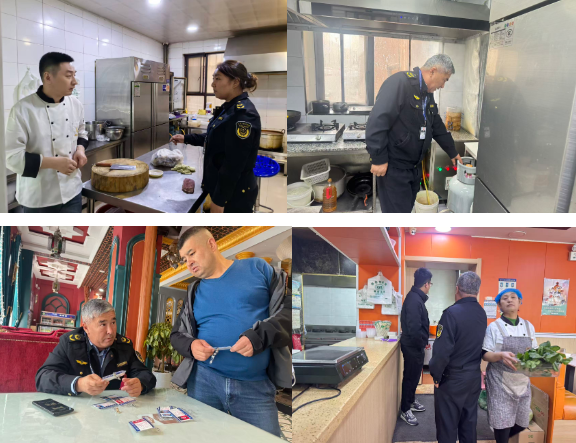
Core Viewpoint - The article highlights the increased popularity of hot pot as a dining choice during winter, while also addressing the safety risks associated with its unique cooking and operational methods. The Urumqi Market Supervision Administration is taking proactive measures to ensure food safety by conducting a special inspection campaign targeting hot pot ingredients. Group 1: Inspection Campaign - The campaign focuses on combating "three no's" (no date, no label, no invoice) and "four poor's" (poor quality, poor hygiene, poor labeling, poor storage) in hot pot food ingredients [1][3] - Enforcement personnel are conducting thorough checks on food suppliers' qualifications and purchase invoices to ensure the traceability of ingredients like beef, lamb, vegetables, and hot pot base [3] - The inspection includes monitoring storage conditions, labeling of bulk foods, and kitchen hygiene to prevent cross-contamination [3] Group 2: Safety Measures - Safety checks on hot pot heating equipment are being conducted to prevent accidents such as fires, burns, and carbon monoxide poisoning [3] - The cleanliness and disinfection of dining utensils are being verified, ensuring compliance with washing processes and proper functioning of disinfection facilities [3] - Immediate corrective action is being taken against establishments found with disorganized food storage, unsanitary kitchen conditions, and incomplete disinfection records [3] Group 3: Regulatory Commitment - The Urumqi Market Supervision Administration emphasizes the importance of strengthening regulatory efforts to eliminate potential safety hazards and maintain order in the hot pot dining market [4] - The administration aims to create a safe and reassuring dining environment for consumers, particularly during the winter season [4]

中国冷链立大功!帝王蟹价格大跳水,欧美奢侈食材沦为地摊小吃
Sou Hu Cai Jing· 2025-10-02 12:42
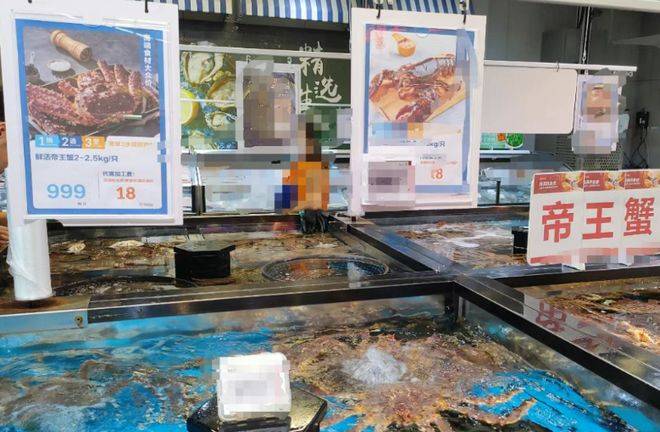
Core Insights - The global king crab market is experiencing a stark contrast, with prices soaring to historical highs in the U.S. due to supply shortages, while prices in China have nearly halved due to increased supply from Russia [1][3] - This phenomenon is attributed to a technological and supply chain revolution led by China, reshaping the global high-end consumer goods market [1][8] Market Dynamics - In the U.S. market, king crab has become a luxury symbol, surpassing Boston lobster in popularity due to supply constraints from Alaska [1] - Conversely, Russian king crab is being imported to China at significantly lower prices, indicating a shift in supply dynamics [1] Pricing Factors - The high price of king crab is not solely due to scarcity; rather, it is influenced by the dangerous nature of crab fishing and the challenges of aquaculture [3] - The fishing profession has a death rate 50 times higher than that of ordinary workers, leading to high labor costs [3] - The inability to commercially farm king crab due to strict environmental requirements has historically allowed Western countries to dominate pricing through advanced air logistics [3] Technological Advancements - Chinese companies have made significant strides in logistics and technology, enabling them to reshape the king crab market [8][9] - The establishment of a cost-effective sea and land logistics network has facilitated the import of large quantities of live king crab to China [9] - Breakthroughs in cold chain logistics and live storage technology have allowed for stable supply and reduced losses, giving China a strong bargaining position in the global market [10] Market Strategy - Chinese crab merchants are now focusing on deep processing and exporting products like crab sticks, indicating a shift from passive acceptance to proactive market engagement [12] - This transition reflects a broader trend across various industries, showcasing China's growing capabilities and ambitions on the international stage [12]
200亿,大学老师辞职卖鱼丸,又去IPO了
创业家· 2025-07-04 10:05
Core Viewpoint - Anjuke Foods, a leading player in the frozen food industry, has successfully listed on the Hong Kong Stock Exchange, marking a significant milestone in its growth trajectory and reflecting the increasing trend of companies from Xiamen going public in Hong Kong [3][4]. Company Overview - Anjuke Foods was founded in 2001 and has become the largest frozen food company in China, holding a market share of 6.6% as of 2024. It leads the frozen prepared food market with a 13.8% share, significantly outpacing its closest competitor [3]. - The company reported a revenue of 15.127 billion yuan in 2024, a 7.7% increase from the previous year, while its net profit saw a marginal increase of 0.46% to 1.485 billion yuan [13]. Historical Growth - Anjuke Foods' revenue has grown from 3.484 billion yuan in 2017 to 15.127 billion yuan in 2024, showcasing a remarkable growth trajectory over eight years [3]. - The company has strategically avoided direct competition with major players by focusing on niche markets and leveraging its geographical advantages in Fujian [7][9]. Market Challenges - Despite its strong market position, Anjuke Foods faces challenges such as increased competition from new brands and fluctuating raw material prices, which have impacted its profit margins [14]. - The company's revenue growth rate has been declining, with a significant drop in net profit growth from 61.44% in 2022 to just 0.47% in 2024 [13][14]. Strategic Initiatives - To address its performance challenges, Anjuke Foods is increasing its R&D investments to innovate and launch new products that meet evolving consumer demands [14]. - The company is also focusing on expanding its market presence in Southeast Asia, particularly in Indonesia and Malaysia, where it sees significant growth potential [15]. IPO Trends in Xiamen - Anjuke Foods is part of a broader trend of Xiamen-based companies going public in Hong Kong, with over 20 companies currently in the pipeline for IPOs [4][17]. - The successful listing of Anjuke Foods is expected to enhance the visibility and attractiveness of Xiamen as a hub for capital market activities [17].

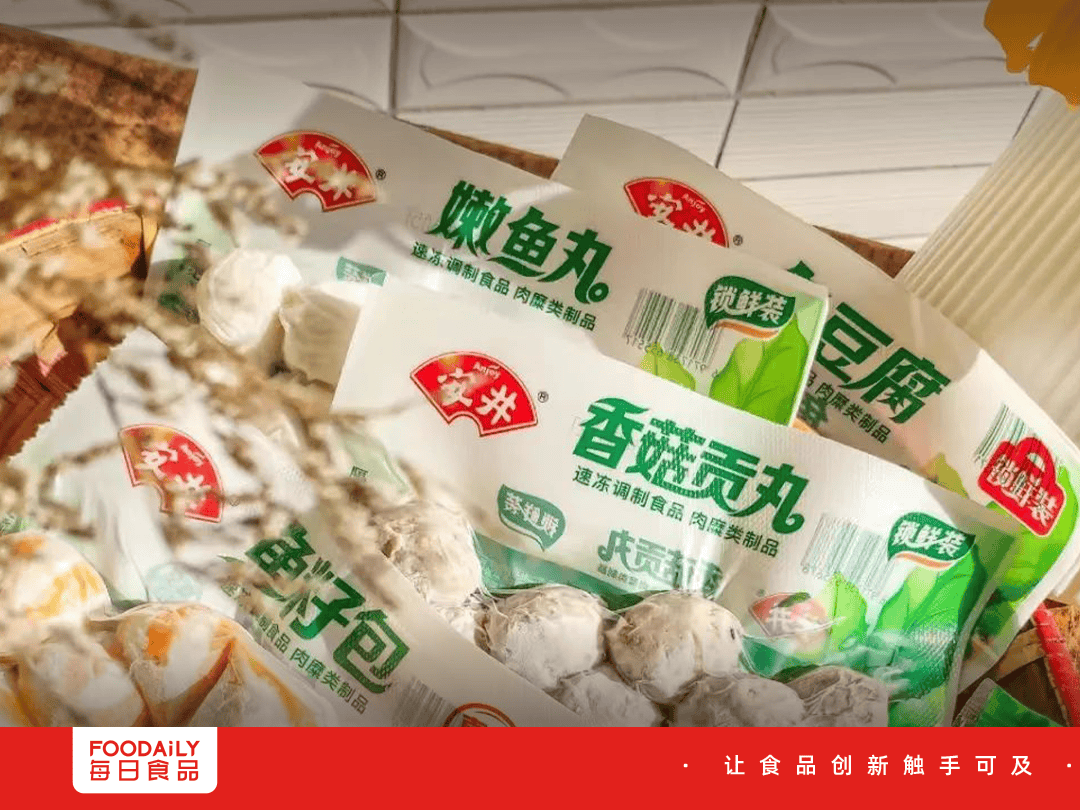
靠卖丸子年入百亿,预制菜之王,拿下10万家餐饮店
Sou Hu Cai Jing· 2025-06-06 01:26
Core Viewpoint - Anjiu Foods has established itself as a leading player in the frozen food industry, with a robust supply chain and a diverse product range that caters to various market segments, including restaurants and retail stores, achieving significant revenue growth even amid industry challenges [2][7][14]. Group 1: Company Overview - Anjiu Foods operates 12 production bases across China, covering 97% of prefecture-level cities, and supplies over 100,000 restaurants and retail outlets [2][8]. - The company has maintained a revenue scale in the hundreds of millions for the past three years, reporting revenue of 15.127 billion yuan and a net profit of 1.485 billion yuan last year [2][14]. - Anjiu Foods plans to pursue a dual listing on the A-share and Hong Kong stock exchanges to enhance its international presence and financing capabilities [3][23]. Group 2: Business Strategy and Growth - The company has successfully differentiated itself by focusing on hot pot ingredients and pre-prepared dishes, leveraging its strong supply chain and production capabilities [8][12]. - Anjiu Foods has adopted a strategy of "production and sales integration," ensuring stable raw material supply while expanding its product offerings and sales channels [13][18]. - The company has seen significant growth in its pre-prepared food segment, which has become its second-largest business line, contributing to its overall revenue growth [20][21]. Group 3: Market Expansion and Internationalization - Anjiu Foods has initiated international expansion efforts, including acquiring a majority stake in a UK-based company to penetrate the European market [22][25]. - The company established an import-export department and is setting up local production facilities in Southeast Asia to enhance its global footprint [25][26]. - From 2021 to 2023, Anjiu's overseas revenue has shown substantial growth, indicating a successful entry into international markets [25][26].