
谷子(动漫周边商品)

Search documents
对话市政协委员吴宜夏:将二次元产业打造成为北京新兴消费增长极
Bei Jing Shang Bao· 2026-01-27 08:10
Core Insights - The Chinese ACG (Anime, Comic, Game) market is experiencing explosive growth, with a projected user base of 503 million by 2024 and a market size of 597.7 billion yuan [2][3] - There are challenges in creating a world-class, culturally unique ACG consumption hub in Beijing, including a lack of diverse consumption scenarios and insufficient depth of experience [1][2] Group 1: Market Growth and Consumer Behavior - The ACG market has seen significant growth, with "post-90s" individuals being the primary demographic driving this trend [2] - The rise of "谷子经济" (Guzi Economy) illustrates how ACG enthusiasts are willing to travel for limited-time events, boosting local consumption in transportation, accommodation, and dining [2][3] Group 2: Challenges in Local IP Development - The current ACG ecosystem in Beijing lacks a systematic approach, with low commercial conversion efficiency and weak local IP incubation capabilities [3] - There is a disconnect between content creation and commercialization, leading to situations where there are popular works but no corresponding industry development [3] Group 3: Recommendations for Improvement - To address the single consumption scenario challenge, it is suggested to create immersive theme destinations and year-round operational ACG complexes to meet the social and emotional needs of younger consumers [4] - The proposal includes establishing a "Beijing Original IP Theme Pavilion" to promote local ACG works and derivatives, integrating various cultural elements and creating a continuous offline attraction [5]
漫展热潮涌动广州,二次元经济激活新消费
2 1 Shi Ji Jing Ji Bao Dao· 2025-07-22 13:05
Core Insights - The 36th Firefly Animation and Game Carnival and the 4th KKWORLD Comic Paradise attracted significant attendance, with 1.5 million people attempting to purchase tickets online, showcasing the popularity of the event and the growing interest in the domestic animation industry [1][2] Industry Overview - The event took place from July 18 to July 21, despite adverse weather conditions, indicating strong consumer enthusiasm for anime culture [2] - The diverse lineup of guests, including creators, voice actors, and cross-industry stars, highlights the event's role in bridging various entertainment sectors and enhancing fan engagement [2][4] Economic Impact - The "goods economy" related to anime and gaming merchandise has become a significant part of new consumption trends, with fans purchasing various small, affordable items to express their connection to their favorite IPs [3] - The event stimulated related industries such as cosplay costume rentals and makeup services, contributing to the "manga exhibition economy" and providing substantial income opportunities for service providers [4] Regional Significance - Guangzhou has established itself as a hub for large-scale anime exhibitions, hosting multiple events annually, which enhances its cultural and economic landscape [6][7] - The Firefly Animation Carnival has grown in scale since its inception in 2011, with projections for future events indicating continued growth in attendance and brand participation [6][7] Industry Statistics - In 2023, Guangzhou's animation industry generated revenue of 25 billion yuan, accounting for one-fifth of the national animation market, while the gaming industry reached 105 billion yuan, representing one-third of the national gaming market [7]
知名连锁品牌济南一门店,运营一年后闭店
Sou Hu Cai Jing· 2025-06-07 21:19
Core Insights - The "Guzi Economy" is undergoing a significant industry reshuffle, with over a hundred stores closing nationwide in the first five months of the year, indicating a challenging market environment [1][3][6] Industry Overview - The closure of the "Guzi" stores, including the well-known chain "Chigu She," reflects a strategic business adjustment rather than a complete failure, as the founder cites high operational costs and intense competition as key factors [1][6] - The "Guzi" market, which focuses on merchandise related to anime, games, and pop culture, has seen a rapid rise in popularity, but the saturation of the market has led to declining profits for many retailers [9][10] Market Dynamics - The first five months of 2023 have seen a notable increase in store closures, with over half of the closed stores being well-known chains, highlighting the competitive pressures within the industry [6][9] - The average daily revenue for some stores has dropped significantly, with reports of daily earnings as low as 100 yuan during slow periods, despite high foot traffic during holidays [8][11] Future Outlook - The "Guzi Economy" is projected to grow, with estimates suggesting a market size of 168.9 billion yuan in 2024, a 40.63% increase from 2023, and potentially exceeding 300 billion yuan by 2029 [9][10] - The industry is expected to experience further consolidation, with a potential wave of closures anticipated post-summer, which may ultimately benefit the remaining quality brands [12]

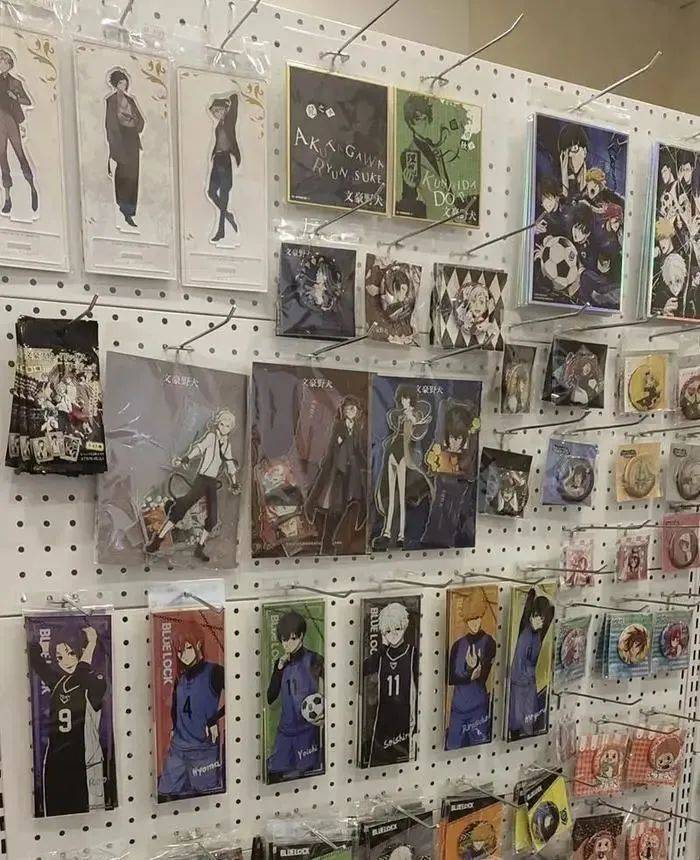
快倒闭的老商场,被二次元盘活
Hu Xiu· 2025-05-29 01:05
Core Insights - The revival of the once-declining Diwang Plaza in Guangzhou is attributed to the emergence of the "Guzi" market, which focuses on selling merchandise related to the ACG (Anime, Comic, and Game) culture, particularly appealing to the younger demographic [6][11][12] - The "Guzi" economy is experiencing significant growth, with projections indicating a market size of 1.689 billion yuan in 2024, reflecting a 40.63% increase from 2023, and expected to surpass 3 trillion yuan by 2029 [13] - Despite the initial success of the Guzi market, concerns about sustainability and market saturation are emerging, as many vendors rely on selling second-hand items and face challenges in maintaining customer interest [67][70][77] Group 1: Market Dynamics - The Guzi market has transformed Diwang Plaza from a once-popular shopping destination into a vibrant hub for ACG enthusiasts, with over 100 stalls operating during peak times [18][11] - The market features a diverse range of vendors, including older individuals and students, creating a community atmosphere where shared interests in anime and related merchandise foster social interactions [8][9][40] - The pricing strategy in the Guzi market is notably competitive, with stall fees ranging from 13 yuan to 30 yuan per day, making it accessible for many vendors [20][22] Group 2: Consumer Behavior - The demographic of the Guzi market has shifted, with a significant increase in female consumers, indicating a broader appeal beyond traditional male collectors [60] - Consumers are increasingly seeking affordable merchandise, leading to a preference for smaller, less expensive items over traditional collectibles, which has resulted in a decline in sales for higher-priced goods [61][64] - The market's atmosphere encourages price comparison and negotiation, with customers often using their phones to check prices online, reflecting a savvy consumer base [23][69] Group 3: Challenges and Concerns - The initial excitement surrounding the Guzi market is waning, with vendors reporting decreased sales compared to the previous year, raising questions about the long-term viability of the market [68][69] - The increasing homogeneity of products offered by vendors is contributing to a decline in consumer interest, as many stalls feature similar items week after week [70] - The commercial space for vendors is becoming more limited, with reports of increased competition for stalls and the potential for larger retailers to dominate the market, threatening the grassroots nature of the Guzi economy [76][77]

新消费派 | 日均客流暴涨5倍!二次元“爆改”老商场
Xin Hua Cai Jing· 2025-05-21 11:45
Core Insights - The article highlights the rapid growth of the "Guzi Economy," driven by the popularity of ACGN (Animation, Comics, Games, Novels) related products and the emergence of dedicated commercial spaces catering to this demographic [2][9][10] Group 1: Market Overview - The "Guzi Economy" market size in China is projected to reach 168.9 billion yuan in 2024, reflecting a 40.63% increase from 2023, with expectations to exceed 300 billion yuan by 2029 [2] - Shanghai is identified as the city with the highest concentration of ACGN enthusiasts, with various commercial spaces like the First Department Store and ZX Chuangqu Center becoming hotspots for fans [3][4] Group 2: Commercial Developments - The ZX Chuangqu Center has transformed from an old shopping mall into a leading ACGN commercial hub, featuring over 60 stores, with nearly 80% being first stores in Shanghai or even globally [4][6] - The center achieved sales of 300 million yuan in its opening year, with a significant increase in foot traffic and membership numbers in subsequent years [6] Group 3: Consumer Behavior - The phenomenon of "eating Guzi" refers to the purchasing of ACGN-related merchandise, with consumers forming communities to share and discuss their interests [2][10] - The rise of domestic IPs has led to a shift in consumer preferences, with "Guzi" products based on Chinese IPs gaining popularity due to lower price points compared to Japanese counterparts [10][11] Group 4: Industry Trends - The article notes a compound annual growth rate of 16% in China's pan-entertainment toy industry from 2019 to 2024, indicating a robust market for ACGN-related products [9] - The number of registered "Guzi" related enterprises in China exceeded 1.3 million by the end of 2024, marking a year-on-year increase of over 100% [8] Group 5: Future Outlook - The ongoing transformation of traditional shopping centers into ACGN-themed spaces is expected to continue, with new projects and renovations planned across various cities [8][9] - Analysts predict that the "Guzi Economy" will maintain its growth trajectory, particularly as companies develop long-term IP creation and operation mechanisms [11]
杭州赚钱却不在杭州花?消费十强的“吊车尾”寻求破局
2 1 Shi Ji Jing Ji Bao Dao· 2025-05-13 10:18
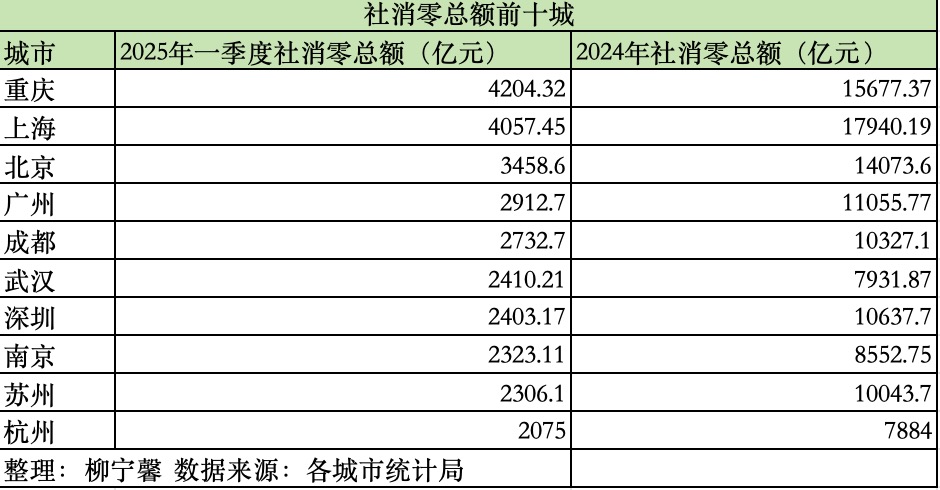
Core Insights - Hangzhou is experiencing a paradox where it has high per capita consumption but lower total retail sales compared to other major cities, indicating that residents earn but do not spend their money locally [1][4][5] Group 1: Consumption Data - In Q1 2024, Hangzhou's total retail sales reached 207.5 billion yuan, a year-on-year increase of 6.3%, ranking it 10th among Chinese cities [2] - By 2024, Hangzhou's total retail sales are projected to be 788.4 billion yuan, maintaining its position as the 10th largest city in terms of retail sales [4] - The per capita consumption expenditure in Hangzhou for 2024 is expected to be 52,996 yuan, surpassing Shanghai and making it the highest in the country [3] Group 2: Reasons for Consumption Discrepancy - Hangzhou's high per capita consumption is attributed to a cultural tendency towards investment and property ownership, leading to lower consumer spending [5][6] - High-end consumption is often directed to Shanghai and other nearby cities, resulting in a lower total retail sales figure for Hangzhou [4][5] - The lack of high-end consumption venues and a relatively high debt rate among residents contribute to the lower total retail sales [5][6] Group 3: Future Strategies - The local government aims to enhance consumption through initiatives like the "City of Events and Shopping Paradise" plan, targeting a retail sales goal of over 900 billion yuan by 2027 [6][7] - Experts suggest that Hangzhou should leverage its strengths in digital economy and artificial intelligence to attract young consumers and international tourists [7] - The city is focusing on revitalizing shopping districts by incorporating elements that appeal to younger demographics, such as anime and technology [8][11] Group 4: Urban Development and Consumer Experience - Hangzhou is actively upgrading its traditional shopping areas to improve consumer experience and attract more visitors [13][15] - The city is implementing a comprehensive urban renewal plan that includes enhancing the functionality and accessibility of shopping districts [15] - Despite the vibrant shopping scene, there are complaints about the enclosed nature of some commercial spaces, which affects the overall shopping experience [12][13]
一季度国风“谷子经济”在闲鱼销量暴涨167%
news flash· 2025-04-24 04:45
Core Insights - The "2025 Xianyu Guzi Trend Report" indicates that millet consumption will enter an explosive growth phase in 2024, with annual transaction volume expected to increase by 105% [1] Group 1: Market Performance - In the first quarter of this year, Xianyu millet transaction volume reached a historical high, with domestic IP millet surpassing Japanese millet in popularity, achieving a transaction volume 1.2 times that of Japanese millet [1] - The sales of national style millet on Xianyu surged by 167% in the first quarter [1] - Sales of Nezha IP millet experienced a dramatic increase of 2346.2% [1] Group 2: Consumer Trends - Current millet consumption trends are characterized by a focus on female consumers, youth, high frequency, and rapid growth [1] - The proportion of female consumers increased from 67% in 2023 to 78% in 2025 [1]