
足金福袋挂坠

Search documents
黄金市场热了,但也乱了
Sou Hu Cai Jing· 2026-02-09 12:41
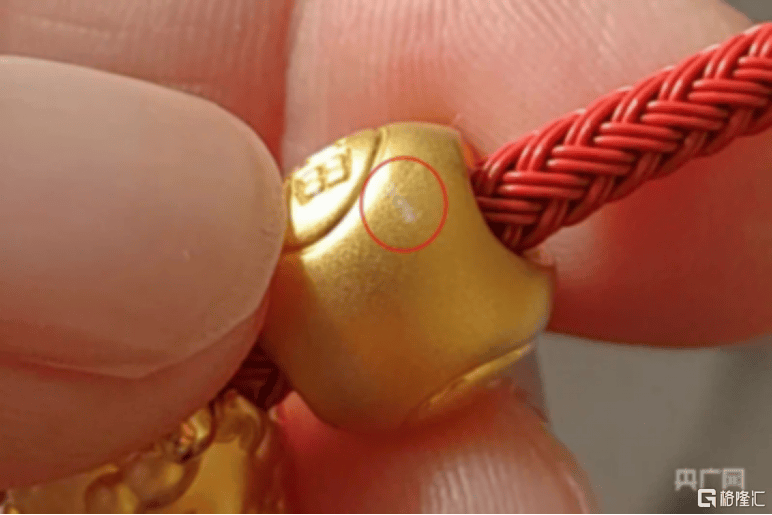
Core Insights - The surge in international gold prices has led to a renewed public interest in gold as a means of wealth preservation, but this has also resulted in significant market chaos and fraudulent activities [1][11][27] Group 1: Market Dynamics - Gold consumption in China has become chaotic, with reports of poor-quality products, such as a gold pendant from Chow Sang Sang that failed to meet purity standards [1][3] - The gold market has seen a rise in counterfeit products and fraudulent certificates, with a significant increase in consumer complaints related to "fake gold" [5][8] - In 2025, China's gold consumption was reported at 950.096 tons, a 3.57% decrease year-on-year, while gold bar and coin consumption increased by 35.14% to 504.238 tons [22][25] Group 2: Fraud and Scams - The rise of fraudulent activities in the gold market has created a complete industry chain of deception, including the use of low-quality metals disguised as gold [5][11] - A notable case involved the "Jie Wo Rui" platform, which promised high returns and "no processing fees," ultimately leading to a collapse that left many consumers defrauded [15][27] - The Shanghai market regulatory authority found a 36.7% non-compliance rate in gold products during inspections, particularly in online sales channels [8][10] Group 3: Regulatory Challenges - Despite existing regulations governing gold production, sales, and recycling, enforcement has been inadequate, allowing fraudulent practices to persist [35] - The need for stricter and more transparent standards in the gold market has been highlighted, especially concerning illegal fundraising and trading activities [35][36] - The recent surge in gold prices has intensified scrutiny on regulatory bodies to address the emerging challenges in the gold market [33][36]

黄金热了,但也乱了
Ge Long Hui· 2026-02-09 12:26
Core Insights - The surge in international gold prices has led to a renewed public interest in gold as a means of wealth preservation, but this has also resulted in significant market chaos and fraudulent activities [1][23][29] Group 1: Market Dynamics - The gold consumption market has become chaotic, with reports of low-quality gold products being sold, such as the case of Chow Sang Sang's gold pendant that showed significant purity discrepancies [2][4] - The demand for gold has shifted, with investment in gold bars and coins increasing by 35.14% in 2025, while gold jewelry consumption dropped by 31.61% [24] - The domestic gold ETF saw a substantial increase in holdings, with a 149.91% rise in annual accumulation from 2024 to 2025, indicating a strong investment trend [27] Group 2: Fraud and Scams - A complete industry chain of gold fraud has emerged, including physical adulteration of gold and the sale of counterfeit certificates, leading to widespread consumer deception [6][12] - The case of Jie Wo Rui, a gold recycling platform, highlights the risks in the market, where promises of high returns led to significant financial losses for consumers when the platform collapsed [14][22] - Complaints regarding "fake gold" have surged, with nearly 4,000 related complaints reported in a three-month period, indicating a growing issue in consumer trust [9] Group 3: Regulatory Challenges - Despite existing regulations on gold production, sales, and recycling, enforcement has been weak, allowing fraudulent practices to proliferate [40][41] - The need for stricter and more transparent standards in the gold market is emphasized, particularly in response to illegal fundraising and trading activities disguised as gold transactions [41]
王小卤霉变、麦当劳翻车、周生生纠纷、好想来扣人:消费市场的信任防线与品牌危机
Sou Hu Cai Jing· 2026-02-07 02:16
Group 1 - The core issue for Wang Xiaolu is the contradiction between high pricing and weak quality control, leading to consumer skepticism about "high price, low quality" products due to ineffective supply chain management [3][8] - McDonald's faces a cultural misalignment in its marketing strategy, where the superficial use of traditional elements fails to resonate with local cultural sensitivities, resulting in public backlash [3][11] - Chow Sang Sang's response to quality complaints about its gold products highlights a disconnect between brand promises and actual product quality, damaging consumer trust through inadequate crisis management [4][13] Group 2 - The incident involving Hao Xiang Lai reveals significant management flaws in protecting consumer rights, particularly regarding minors, as the rapid expansion of the chain has led to insufficient training and oversight [5][17] - The essence of the Wang Xiaolu issue is a failure in quality control due to a marketing-heavy approach that neglects supply chain integrity, which could lead to long-term brand damage as consumer loyalty wanes [8][20] - The McDonald's controversy illustrates the pitfalls of cultural appropriation in marketing, where a lack of genuine understanding of local customs can lead to negative consumer perceptions and brand ridicule [11][20] Group 3 - The crisis response from Chow Sang Sang demonstrates a tendency to evade direct accountability, which can further erode consumer trust rather than restore it [4][13] - The management incident at Hao Xiang Lai underscores the risks associated with prioritizing rapid growth over effective management practices, particularly in safeguarding consumer rights [5][18] - The overarching lesson for brands is the necessity of balancing short-term marketing strategies with long-term trust-building through genuine quality assurance and cultural respect [20][21]

反转来了!周生生涉事黄金挂坠确认为足金
Guo Ji Jin Rong Bao· 2026-02-06 14:57
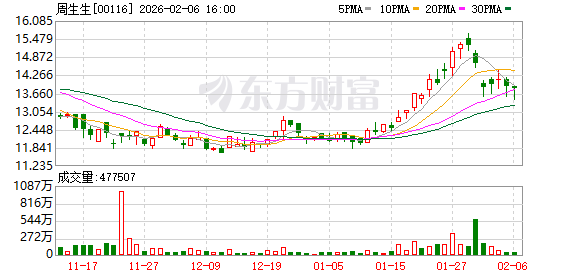
Core Viewpoint - The controversy surrounding the purity of Chow Sang Sang's (00116.HK) gold pendant has reached a significant turning point, with official testing confirming the product's compliance with purity standards [2][6]. Group 1: Incident Overview - The issue began when consumer Ms. Li complained about her newly purchased gold pendant, which showed signs of wear and raised doubts about its gold content [3]. - Initial tests conducted by a local gold recycling store indicated discrepancies in gold content, leading to further scrutiny [4]. Group 2: Official Response and Testing - Chow Sang Sang's official response included a statement acknowledging the customer's concerns and detailing their commitment to resolving the issue [6]. - The local market supervision authority intervened, facilitating a third-party test that confirmed the pendant met the national gold purity standards [2][6]. Group 3: Financial Performance - Chow Sang Sang reported a revenue of HKD 11.04 billion for the first half of 2025, a decrease of 2.45% year-on-year, while net profit rose by 71.44% to HKD 902 million, reversing previous declines [8]. - The improvement in profitability was attributed to rising gold prices and strategic adjustments in product offerings, leading to a 5.2 percentage point increase in gross margin to 33.5% [8].
足金“不足”?鉴定有点难
Sou Hu Cai Jing· 2026-02-06 09:44
Core Viewpoint - The recent controversy surrounding Chow Sang Sang's gold jewelry highlights significant consumer trust issues in the gold market, with many consumers questioning the reliability of well-known brands due to quality complaints and deceptive practices [1][3]. Group 1: Consumer Complaints - There are over ten thousand complaints related to gold quality on a complaint platform, involving well-known brands like China Gold and Lao Feng Xiang, with online purchases showing a particularly high incidence of issues [3]. - Consumers have reported cases where gold jewelry changed color after a short period of use, with sellers often attributing the problem to improper wear or exposure to chemicals, rather than acknowledging potential quality issues [3][6]. - Online stores frequently engage in deceptive practices, such as selling items that appear to be solid gold but contain inferior metals, leading to significant consumer losses when these stores close shortly after sales [3][6]. Group 2: Challenges in Quality Verification - Consumers face difficulties in verifying the quality of gold jewelry due to a confusing array of certification bodies, with many not being recognized by sellers, leading to a lack of accountability [4][6]. - The cost of professional appraisal can be prohibitive, often exceeding the value of the jewelry itself, discouraging consumers from pursuing claims [6]. - Many consumers find themselves unable to seek redress as sellers may have already closed their shops or provided false information, complicating the process of claiming refunds or replacements [6]. Group 3: Legal Protections and Regulatory Actions - According to consumer protection laws, sellers are obligated to provide accurate information about product materials and purity, and failure to do so can result in liability for damages [7]. - If discrepancies in gold purity are found, consumers can demand refunds and may be entitled to additional compensation if fraud is proven [7]. - Regulatory bodies have begun to take action against fraudulent practices in the gold market, with significant penalties imposed on non-compliant institutions [7].
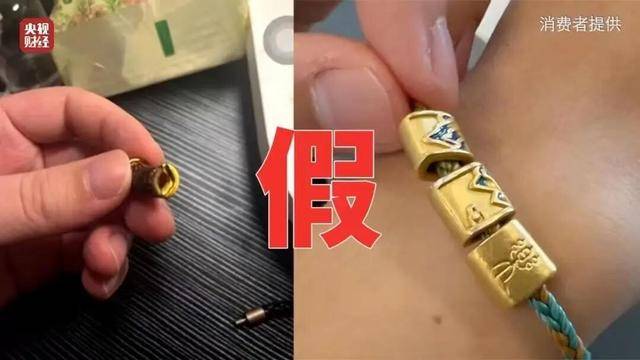
无需送检、5元就能定制:掺假贵金属背后的“鉴定证书”乱象调查
Sou Hu Cai Jing· 2026-02-06 08:30
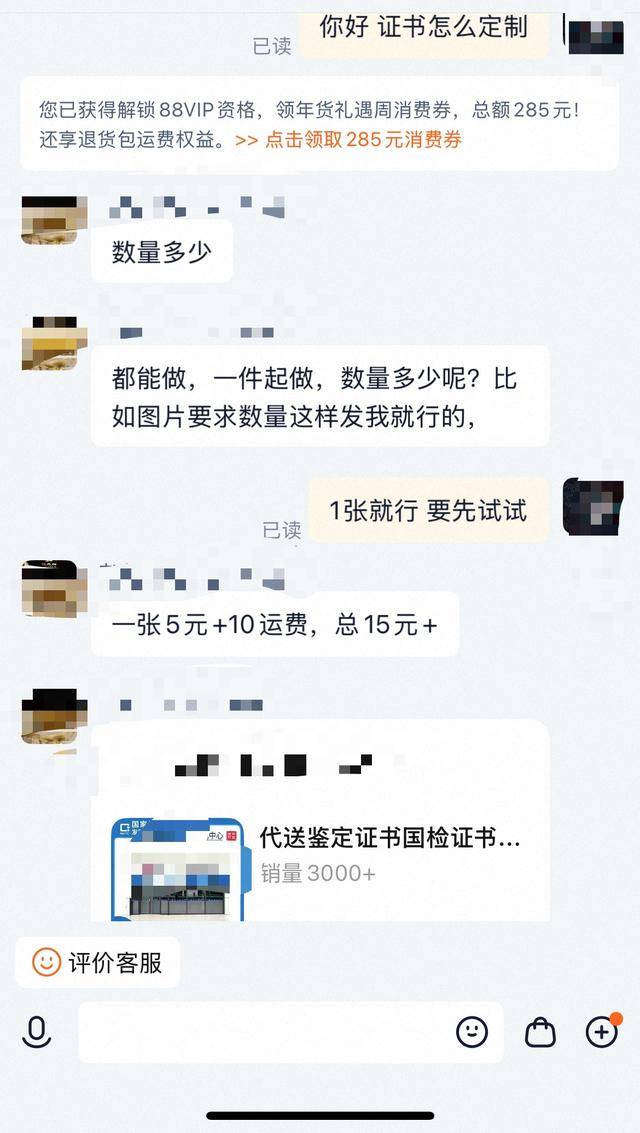
Core Viewpoint - The article highlights the growing trend of consumers turning to gold and silver as a hedge against risk and a means of preserving value amid rising prices, while also exposing the risks associated with counterfeit certification in the precious metals market [1][2]. Group 1: Market Trends - The international prices of gold and silver have been experiencing significant volatility, leading consumers to view these metals not just as jewelry but as investment assets that can be liquidated easily [2]. - There is a notable increase in consumer complaints regarding counterfeit precious metals and fraudulent certification, indicating a troubling trend in the market [2][3]. Group 2: Certification Issues - The article reveals that certification, which should serve as a safeguard for consumers, has become a marketing tool, with some vendors offering customized certificates for as little as 5 yuan without requiring actual samples [4][7]. - Many of these certificates are produced by unregistered or illegitimate organizations, misleading consumers into believing they are purchasing verified products [16][19]. Group 3: Consumer Behavior - Consumers are increasingly drawn to online platforms and live-streaming sales, where the allure of low prices and limited-time offers can obscure critical information about product purity and quality [3][20]. - The article emphasizes the importance of consumers verifying the authenticity of certification through official channels, as many counterfeit certificates lack proper verification mechanisms [23]. Group 4: Regulatory Environment - Some e-commerce platforms are beginning to implement stricter regulations, such as requiring pre-shipment testing of high-value items, but these measures do not cover all online sellers, particularly those operating in a less regulated manner [20][21]. - The article notes that the lack of stringent oversight in the live-streaming sales environment increases the risk of fraud, as sellers can easily change their identities and evade accountability [18].
周生生“足金不足”事件反转,给我们上了一堂什么课
第一财经· 2026-02-06 06:45
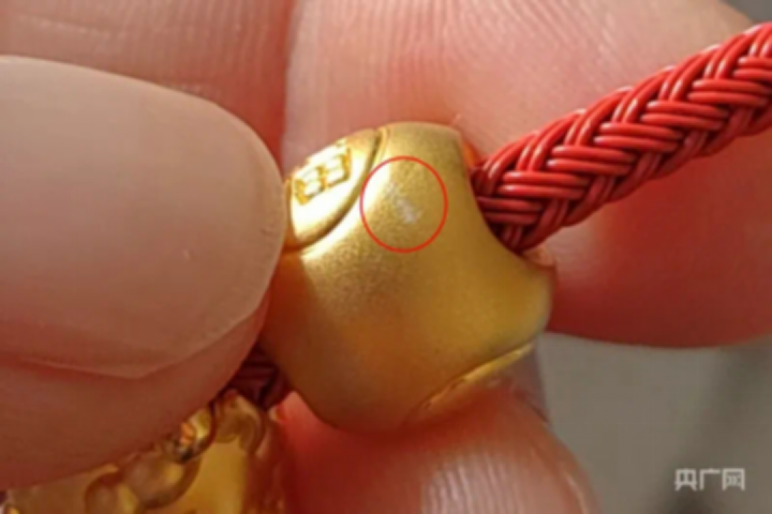
Core Viewpoint - The incident involving consumer complaints against Chow Sang Sang jewelry highlights the importance of reliable quality assessments and the potential repercussions of consumer rights actions on brand reputation [3][6]. Group 1: Incident Overview - Consumer Li reported quality issues with a Chow Sang Sang gold pendant, claiming it was scratched and showed white marks after one day of wear [3][4]. - Initial testing by a local gold recovery store indicated varying gold purity levels, leading Li to believe the product was defective [4]. - Chow Sang Sang maintained that the product met gold standards, supported by a report from a national jewelry testing organization confirming it as pure gold [4][5]. Group 2: Testing Methodology - The testing method used by the gold recovery store, X-ray fluorescence spectroscopy, is known for its speed but has limitations in accuracy, particularly for light elements [5][6]. - This method is primarily suitable for preliminary screening rather than definitive assessments, which contributed to the misunderstanding of the product's quality [5]. Group 3: Brand Impact and Consumer Education - The incident caused significant negative publicity for Chow Sang Sang, with public opinion initially skewed against the brand before the authoritative testing results were released [6]. - The situation serves as a lesson for consumers about the importance of ensuring that their rights are defended through proper and accurate means to avoid unintended consequences [6]. - For brands, the incident underscores the necessity of maintaining integrity and trustworthiness to withstand scrutiny and protect their reputation [6].
周生生回应足金材质质疑:第三方检测确认符合国家标准
Xin Lang Cai Jing· 2026-02-06 05:49
Core Viewpoint - The recent controversy surrounding Chow Sang Sang's gold product highlights the importance of brand transparency and quality assurance in the jewelry industry, as the company responded promptly to consumer concerns and confirmed the product's compliance with national standards [1][4][12]. Company Summary - Chow Sang Sang (China) Commercial Co., Ltd. issued a statement on February 5, confirming that the gold content of the questioned product meets the national standard for "pure gold" [1][8]. - The company emphasized its commitment to quality and integrity, stating that all products undergo multiple quality inspections before leaving the factory [1][8]. - Following consumer feedback, Chow Sang Sang cooperated with market regulatory authorities to have the product tested by a designated third-party institution [1][4]. Incident Origin - The issue began when a consumer in Guangdong reported discrepancies in the gold content of a newly purchased Chow Sang Sang pendant, which led to independent testing revealing significant variations in gold content, with a maximum of 99.99% and a minimum of 64.37% [4][10]. - The local market supervision authority intervened and facilitated the testing of the disputed product after the consumer's complaint [4][10]. Legal Implications - Legal experts indicated that if the testing by an authoritative body found discrepancies between the product's actual composition and its labeling, it could constitute consumer fraud [5][11]. - The official testing results confirmed the product as "pure gold," thereby alleviating potential legal risks for the company [5][11]. Industry Observation - The incident reflects a growing consumer sensitivity towards product quality, weight, and brand reputation in the gold jewelry market, emphasizing the need for transparency and trust [6][12]. - Analysts noted that the timely response from brands and the involvement of authoritative testing can help protect consumer rights and enhance industry quality control [6][12]. - Chow Sang Sang reiterated that consumer trust is its most valuable asset and committed to improving service details and consumer experience in the future [6][12].
足金挂坠争议有新进展!周生生再发声明:检测结果显示为足金
Nan Fang Du Shi Bao· 2026-02-06 02:41
Core Viewpoint - The company, Chow Sang Sang, has addressed consumer concerns regarding the gold content of its products, confirming that the disputed item meets national standards for gold purity [2][4]. Group 1: Company Response - Chow Sang Sang issued a statement emphasizing its commitment to consumer rights and quality control, stating that all products undergo rigorous quality checks before leaving the factory [2]. - The company has pledged to enhance communication and service details to improve consumer experience and maintain high product quality standards [2]. Group 2: Regulatory Actions - The market supervision authority in Qingyuan City has accepted the complaint regarding the gold jewelry and organized mediation, leading to a third-party testing of the item in question [4]. - The testing results confirmed that the jewelry met the GB11887-2012 national standard for gold purity, with the report delivered to both the consumer and the company [4]. Group 3: Testing Results - Initial consumer complaints indicated discrepancies in gold content, with varying purity levels detected at different points on the pendant, ranging from 64.37% to 99.99% [4][5]. - The testing also revealed the presence of other metals such as iron, silver, and palladium in the pendant [5].
周生生争议挂坠,最新检测结果公布
Huan Qiu Wang· 2026-02-05 14:29
Core Viewpoint - The article discusses a dispute regarding the quality of gold jewelry sold by Chow Sang Sang, which has been resolved through third-party testing confirming the jewelry meets national standards [1][2][6]. Group 1: Consumer Complaint and Resolution - A consumer, Ms. Li from Guangdong Qingyuan, reported that her newly purchased gold pendant from Chow Sang Sang was scratched and showed white marks, leading her to question its gold content [3]. - The Qingyuan Market Supervision Administration accepted the complaint and organized mediation, resulting in the jewelry being sent for third-party testing [1]. - The testing conducted by the Zhuhai Quality Measurement Supervision and Testing Institute confirmed that the jewelry was pure gold, complying with the relevant national standards [1][2]. Group 2: Company Response - Chow Sang Sang acknowledged the consumer's concerns and conducted a review of the production batch's destructive testing report, which indicated that the quality met national standards [6][13]. - On February 3, the company sent the same batch of pendants for testing at the National Gemstone and Jewelry Testing Center (NGTC), which confirmed the gold content as 99.99% [6][13]. - The company expressed gratitude for public scrutiny and assured that they would cooperate fully with relevant authorities [6].
