配电网

Search documents
中国银河证券:国网十五五期间将保持较高投资强度 重点关注特高压和主网等核心方向
智通财经网· 2026-03-25 08:56
Core Viewpoint - The State Grid Corporation of China has announced that its fixed asset investment during the 14th Five-Year Plan (2021-2025) is expected to reach 4 trillion yuan, a significant increase of 40% compared to the 13th Five-Year Plan, with an average annual investment of 800 billion yuan. If combined with the investment from the Southern Power Grid, the total investment for the national grid during the 14th Five-Year Plan could approach 5 trillion yuan, with an average annual investment exceeding 1 trillion yuan [1][2]. Group 1: Investment Strength and Direction - Under the dual carbon goals, the energy transition on the supply side and the rapid increase in demand from sectors like AIDC and new energy vehicles are the core drivers for the upgrade of the power system [2]. - During the 14th Five-Year Plan, the planned investment was 2.4 trillion yuan, while the actual investment reached approximately 2.85 trillion yuan. For the 15th Five-Year Plan, with a planned investment of 4 trillion yuan, the corresponding annualized CAGR is around 6%. Optimistically, considering historical experience, the investment could reach 5 trillion yuan, corresponding to an annualized CAGR of about 13% [2]. Group 2: High Voltage and Main Network - Strengthening investment in high voltage and main networks to enhance the resource allocation capability of the grid is the primary task during the 15th Five-Year Plan. The State Grid aims to expedite the commissioning of 15 planned high voltage direct current lines, increasing inter-provincial transmission capacity by 35% and expanding regional interconnection capabilities by more than double [3]. Group 3: Distribution Network - The main goals for upgrading the distribution network include enhancing the capacity to accommodate new energy sources and increasing the space for distributed generation access. The 15th Five-Year Plan will focus on addressing shortcomings in the distribution network, aiming to increase capacity by over 90 million kilovolt-amperes [4]. - The plan includes promoting demonstration projects for source-based distribution networks in counties and microgrid projects in towns, facilitating the integration of distributed renewable energy sources [4]. Group 4: Smart Grid - Investment in digital platform construction will be advanced, establishing an integrated intelligent scheduling and monitoring platform for new energy, breaking down barriers in scheduling, trading, and consumption [5]. - The focus will be on enhancing smart control technology investments, particularly in precise forecasting for new energy, while promoting the industrial application of flexible control and proactive support technologies [5].

【招银研究|行业点评】国网投资规划超预期,“主配微”协同带来金融服务机遇——国家电网“十五五”投资规划点评
招商银行研究· 2026-02-06 11:27
Investment Overview - The State Grid has announced a fixed asset investment plan of 4 trillion yuan for the "14th Five-Year Plan" period, representing a significant increase of 40% compared to the "13th Five-Year Plan" period, which exceeds previous market expectations of a 10%-20% growth [1][4] - The total investment from the three major grid companies during the "14th Five-Year Plan" period is expected to reach around 5 trillion yuan, with the State Grid's investment alone projected at 4 trillion yuan [1][4] Investment Drivers - The increase in investment is driven by the mismatch in growth rates between source-side and grid-side investments, alongside the rigid demand for the continuous construction of a new power system [1][8] - During the "13th Five-Year Plan" period, the average annual growth rate of source-side investment was 22.7%, significantly outpacing the 6.8% growth rate of grid-side investment, leading to bottlenecks in cross-regional transmission capacity and local consumption space [1][8] Investment Structure Changes - The investment structure for the "14th Five-Year Plan" has shifted from focusing primarily on the high-voltage backbone network to a collaborative development of the main grid, distribution network, and smart microgrid [1][8] - The investment in the main grid is expected to account for about 30% of the total investment, with an estimated amount of 1.2 trillion yuan, aimed at enhancing cross-regional transmission capabilities by over 30% compared to the end of the "13th Five-Year Plan" [1][10] Distribution Network Investment - The investment in the distribution network is projected to reach around 2 trillion yuan, accounting for approximately 50% of the total investment during the "14th Five-Year Plan," marking a 33% increase from the previous period [1][11] - The construction of the distribution network will cover urban, rural, and remote areas, enhancing flexibility and capacity to accommodate distributed renewable energy and meet the needs of 35 million charging facilities [1][11] Smart Microgrid and Digitalization - Investment in digitalization and smart microgrids is expected to account for 15%-20% of the total investment, with a clear focus on the development of smart microgrids for the first time [1][13] - The new grid platform will require continuous investment in digital infrastructure to support high levels of renewable energy integration and power electronics, with initiatives like the "Artificial Intelligence+" program being implemented [1][14]

国家电网“十五五”投资4万亿!五大职业赛道+核心专业,高中生志愿填报必看
Sou Hu Cai Jing· 2026-01-28 06:42
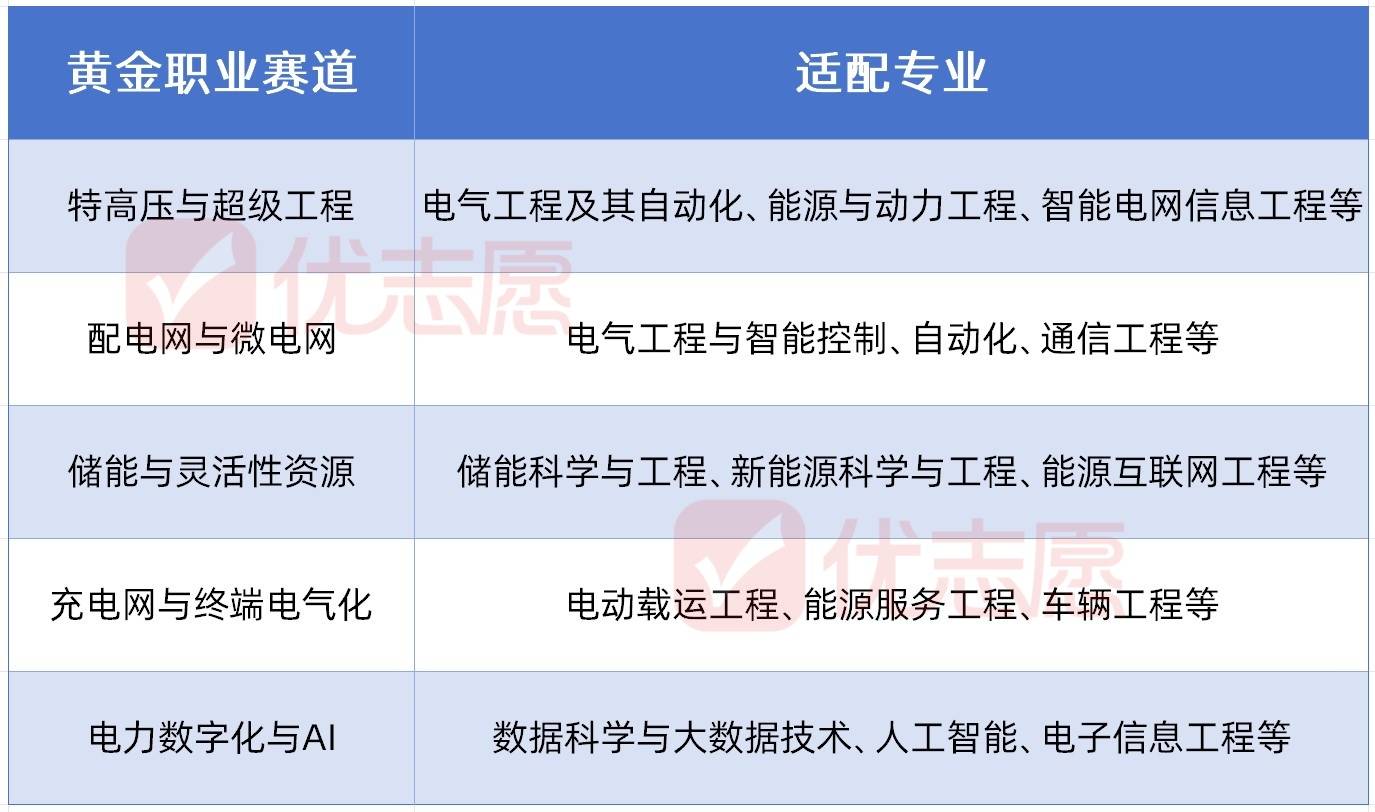
Core Viewpoint - The State Grid has announced a plan to invest 4 trillion yuan during the "14th Five-Year Plan" period, representing a 40% increase compared to the previous plan, focusing on five key areas: ultra-high voltage backbone network upgrades, distribution networks and microgrid improvements, digitalization and AI in electricity, large-scale energy storage systems, and deep electrification of end-use energy [1]. Investment Focus Areas - The investment will cover all aspects of power supply in urban and rural areas, emphasizing automation in distribution networks, integration of distributed energy, and design of microgrid systems [5]. - The five key career tracks in the power industry have been identified, with a growing demand for specialized talent in these areas [1]. Career Tracks and Corresponding Majors - **Ultra-High Voltage and Super Engineering**: Relevant majors include Electrical Engineering and Automation, Energy and Power Engineering, and Intelligent Technology [2]. - **Distribution Networks and Microgrids**: Relevant majors include Electrical Engineering and Intelligent Control, Automation, and Communication [2]. - **Energy Storage and Flexible Resources**: Relevant majors include Energy Storage Science and Engineering, New Energy Science and Engineering, and Energy [2]. - **Charging Networks and End Electrification**: Relevant majors include Electric Vehicle Engineering, Energy Service Engineering, and Vehicle Engineering [2]. - **Digitalization and AI in Electricity**: Relevant majors include Data Science and Big Data Technology, Artificial Intelligence, and Electronics [2]. Talent Demand and Employment Opportunities - The demand for talent in high-voltage electrical design, DC transmission technology, and super engineering project management is rapidly increasing due to the launch of key ultra-high voltage projects [2]. - Graduates from Electrical Engineering and Automation can engage in ultra-high voltage project planning, operation and maintenance of converter stations, and grid dispatching [3]. - Graduates from Electrical Engineering and Intelligent Control can participate in smart grid inspections and precision operation and maintenance in urban and rural areas [6]. Specialized Training and Skills Development - The Energy Storage Science and Engineering major focuses on core technologies and system applications, preparing students for roles in energy storage companies and power engineering firms [8]. - The Electric Vehicle Engineering major emphasizes charging technology development and network planning, aligning with the explosive growth in end electrification [10]. - The Artificial Intelligence (Power Direction) major is designed to meet the emerging needs of the power industry, focusing on AI technology integration with power systems [12]. Recommendations for Students - Students are advised to solidify their foundation in physics and mathematics during high school to prepare for future studies in electrical, energy, and AI-related fields [15]. - It is recommended to build a "T-shaped" knowledge structure in university, deepening expertise in electrical and energy fields while expanding skills in programming and data analysis [15]. - Gaining practical experience through internships with state grid companies and leading energy firms is encouraged to enhance hands-on skills [15].
国家电网发布4万亿创纪录投资计划
Di Yi Cai Jing· 2026-01-16 01:55
Core Viewpoint - The State Grid's fixed asset investment during the "14th Five-Year Plan" is expected to reach 4 trillion yuan, a 40% increase compared to the previous plan, marking a historical high in investment [2]. Investment Focus - The investment will focus on creating a smarter and greener grid system, emphasizing energy green transition, strengthening grid platforms, and enhancing technological empowerment [3]. - Key investment directions include promoting renewable energy consumption and improving the reliability of cross-regional power transmission [3]. Energy Distribution Challenges - The uneven distribution of energy resources and load centers in China necessitates a long-term "West-to-East Power Transmission" and "North-to-South Supply" energy allocation pattern [3]. - Data from the Power Industry Planning Research and Monitoring Center indicates that in 2025, the utilization rates for photovoltaic power in Tibet, Gansu, and Qinghai are only 65.8%, 89.6%, and 83.5% respectively, with wind power utilization in Tibet at 69.3%, highlighting the mismatch between rapid renewable energy installation and grid consumption capacity [3]. Grid Development Plans - The State Grid plans to establish a new type of grid platform during the "14th Five-Year Plan," enhancing the "West-to-East" and "North-to-South" energy transmission network [4]. - The investment strategy aims to ensure the construction of a new power system, with a target of optimizing grid resource allocation capabilities by 2030 [4]. Industry Impact - Following the announcement of increased investment, the electric grid equipment sector saw significant stock price increases, with companies like Baobian Electric and TBEA rising over 8% [5]. - The increased investment in the grid is expected to directly benefit related companies in the supply chain, with historical investment records showing a consistent rise in funding [6]. Future Projections - The State Grid's investment in 2025 is projected to exceed 650 billion yuan, with a cumulative completion of 42 ultra-high voltage projects, enhancing cross-regional transmission capacity to 370 million kilowatts [6]. - The expected increase in investment will catalyze orders and performance for companies closely related to ultra-high voltage and distribution network construction [6]. Strategic Directions - The State Grid emphasizes the need for a collaborative development approach across its four major sectors: transmission and transformation, renewable energy, energy, and new materials [7]. - The approval and commencement of cross-regional transmission projects are anticipated to accelerate due to the pressure of renewable energy consumption [7].
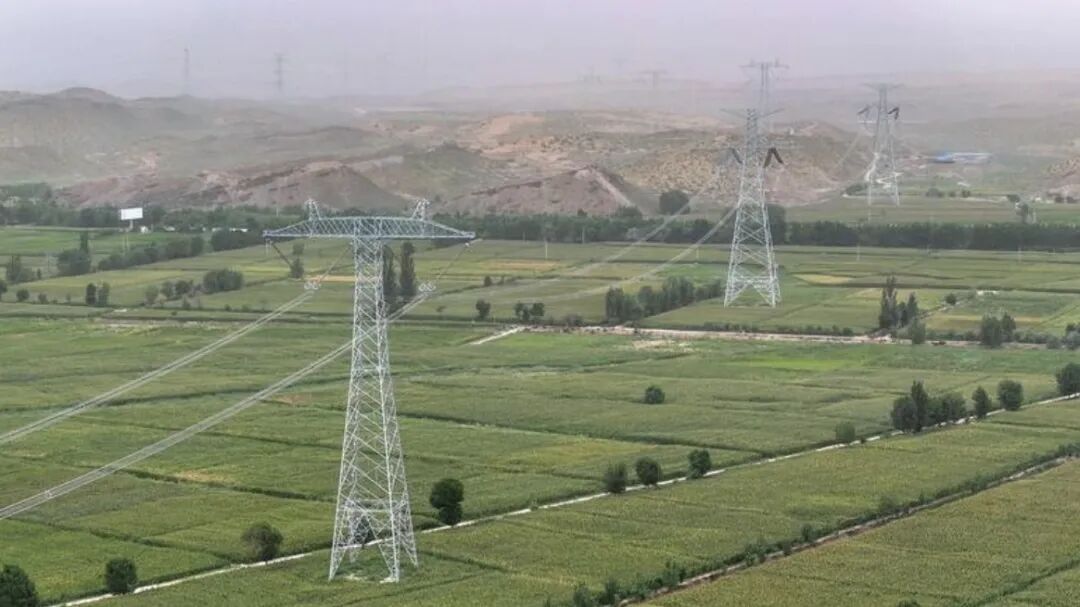
国家电网发布4万亿创纪录投资计划
第一财经· 2026-01-16 01:01
Core Viewpoint - The National Grid's fixed asset investment during the "14th Five-Year Plan" is expected to reach 4 trillion yuan, a 40% increase compared to the previous plan, marking a historical high in investment [3]. Investment Focus - The investment will focus on creating a smarter and greener grid system, emphasizing energy green transformation, strengthening the grid platform, and enhancing technological empowerment [4]. - Key investment directions include promoting renewable energy consumption and improving the reliability of cross-regional electricity transmission [4][5]. Energy Distribution Challenges - The uneven distribution of energy resources and load centers in China necessitates a long-term energy allocation pattern of "West-to-East Power Transmission" and "North-to-South Supply" [4]. - Data from the Power Industry Planning Research and Monitoring Center indicates that the utilization rates of photovoltaic power in Tibet, Gansu, and Qinghai are only 65.8%, 89.6%, and 83.5%, respectively, with wind power utilization in Tibet at 69.3% and abandonment rates exceeding 10% [4]. Grid Development Plans - The National Grid plans to establish a new grid platform during the "14th Five-Year Plan," enhancing the "West-to-East Power Transmission" network and increasing cross-regional transmission capacity by over 30% compared to the end of the previous plan [5][6]. - The investment strategy aims to ensure effective utilization of the 4 trillion yuan investment by controlling construction costs, optimizing resource allocation, and focusing on quality and efficiency [6]. Industry Benefits - Following the announcement of increased investment, the grid equipment sector saw significant stock price increases, with companies like Baobian Electric and TBEA rising over 8% [8]. - The continuous growth in investment during the "14th Five-Year Plan" has led to record-breaking investment amounts, with 2022 surpassing 500 billion yuan and projections for 2025 exceeding 650 billion yuan [8][9]. - The investment is expected to directly benefit related companies in the supply chain, with significant profit growth reported by companies like TBEA and China XD Electric [9]. Future Outlook - The National Grid's chairman emphasized the importance of leveraging grid infrastructure to stimulate domestic demand and stabilize growth, aligning with national strategic initiatives [10].
国家电网发布4万亿创纪录投资计划 重点方向明确
Di Yi Cai Jing· 2026-01-16 00:47
Core Viewpoint - The State Grid's fixed asset investment during the "14th Five-Year Plan" period is expected to reach 4 trillion yuan, a 40% increase compared to the "13th Five-Year Plan," marking a historical high in investment [1] Investment Focus - The investment will focus on creating a smarter and greener grid system, emphasizing energy green transformation, strengthening grid platforms, and enhancing technological empowerment [2] - Key investment directions include promoting renewable energy consumption and improving the reliability of cross-regional electricity transmission [2] - The investment aims to address the mismatch between rapid growth in renewable energy installations and the grid's capacity to absorb this energy, particularly in regions like Tibet, Gansu, and Qinghai [2] Infrastructure Development - The State Grid plans to accelerate the construction of distribution networks in urban, rural, and remote areas, exploring models for end-user supply and off-grid microgrids [3] - By 2030, the grid's resource optimization capacity is expected to significantly enhance, with the "West-to-East Power Transmission" scale exceeding 420 million kilowatts and new inter-provincial power exchange capacity of around 40 million kilowatts [3] Industry Impact - Following the announcement of increased investment, the electric grid equipment sector saw significant stock price increases, with companies like Baobian Electric and TBEA rising over 8% [4] - The continuous growth in investment during the "14th Five-Year Plan" has led to record-breaking investment figures, with 2022 seeing investments surpassing 500 billion yuan and projections for 2025 exceeding 650 billion yuan [4][5] - The investment surge is expected to catalyze orders and performance for companies in the supply chain, with notable profit growth reported by companies like TBEA and China XD Electric [5] Future Outlook - The approval and commencement of cross-regional transmission channels are anticipated to accelerate due to the pressure of renewable energy consumption, with a focus on high-voltage direct current (HVDC) projects [6] - The State Grid emphasizes the importance of leveraging its foundational support and investment to stimulate domestic demand and stabilize growth, aligning closely with national strategic initiatives [6]
国家电网发布4万亿创纪录投资计划,重点方向明确
Di Yi Cai Jing· 2026-01-16 00:45
Core Viewpoint - The State Grid is expected to invest 4 trillion yuan during the 14th Five-Year Plan period, marking a 40% increase compared to the previous plan, which is a historical high for investment [1][7]. Investment Focus - The investment will focus on creating a smarter and greener grid system, emphasizing energy green transformation, strengthening the grid platform, and enhancing technological empowerment [2][8]. - The investment aims to address the mismatch between rapid growth in renewable energy installations and the grid's capacity to absorb this energy, particularly in regions like Tibet, Gansu, and Qinghai, where solar and wind energy utilization rates are low [2][8]. Infrastructure Development - The State Grid plans to establish a new type of grid platform during the 14th Five-Year Plan, enhancing the "West-to-East Power Transmission" and "North-to-South Power Supply" networks, with a target to increase cross-regional transmission capacity by over 30% compared to the end of the previous plan [2][9]. - The investment will also accelerate the construction of distribution networks in urban, rural, and remote areas, exploring models for microgrids [3][9]. Industry Impact - The announcement of increased investment has positively impacted the stock prices of companies in the grid equipment sector, with several stocks rising over 8% [4][10]. - The investment is expected to directly benefit various upstream and downstream enterprises in the energy supply, electrical equipment, and raw materials sectors [4][10]. - The State Grid's investment has been consistently increasing, with significant milestones reached in recent years, including surpassing 500 billion yuan in 2022 and 600 billion yuan in 2024 [4][10]. Performance Metrics - The cumulative capacity for cross-regional power transmission has reached 370 million kilowatts, with a projected bidding amount for transmission and transformation equipment of 918.8 billion yuan in 2025, reflecting a 25.3% year-on-year increase [5][11]. - Companies in the grid equipment sector have shown significant profit growth, with net profits for major players increasing by 28%, 20%, and 73% year-on-year in the first three quarters of 2025 [11]. Strategic Alignment - The State Grid aims to leverage its foundational support and investment to stimulate domestic demand and stabilize growth, aligning closely with national strategic initiatives [6][12].
从“毛细血管”到“主战场”:配电网的角色之变与破局之路
中国能源报· 2025-12-05 10:52
Core Viewpoint - The transformation and upgrading of distribution networks are closely linked to China's "dual carbon" strategy and energy development framework, emphasizing the critical role of distribution networks in the new energy system [4]. Group 1: Importance of Distribution Networks - Distribution networks are identified as the "main battlefield" for energy transition and renewable energy consumption, serving as the last mile for both energy consumption and new load aggregation [4]. - The statement "whoever controls the distribution network controls the future of the new power system" highlights the essential role of distribution networks in the new energy landscape [3][4]. Group 2: Practical Examples and Success Stories - The Xu Xu New Area incremental distribution network, one of the first 106 pilot projects, has been operational for six years, demonstrating the value of distribution network reform by optimizing power supply services and integrating distributed solar power [6]. - The project has saved approximately 150 million yuan in electricity costs for enterprises, showcasing the balance of social and economic benefits [6]. - The Shanshan Stone Park distribution network has significantly supported the development of local industries, proving the critical impact of efficient distribution networks on regional economic growth [7]. Group 3: Challenges and Recommendations - Current challenges in the development of distribution networks include unresolved issues regarding the status of operating entities, incomplete pricing mechanisms, and barriers to green electricity access [9]. - Pricing mechanisms are identified as the core bottleneck for the development of incremental distribution networks, with suggestions for transitional measures to improve pricing structures [9]. - Legal frameworks are deemed essential for supporting marketization in the energy sector, with calls for transparency and the use of legal tools to address potential monopolistic behaviors [9].
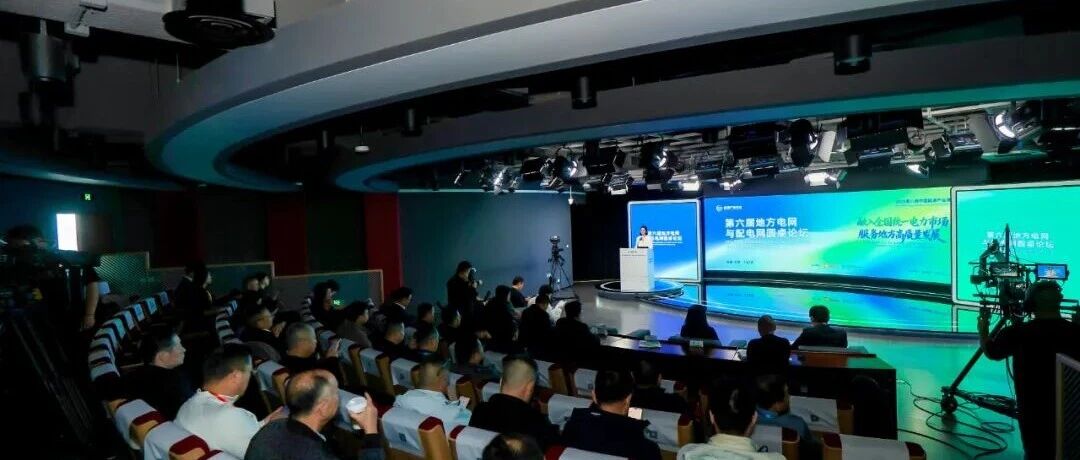
专家谈配电网:增量配电网的市场主体地位落实不够
Xin Lang Cai Jing· 2025-12-05 04:13
Core Viewpoint - The development of distribution networks is closely linked to China's dual carbon strategy and energy development framework, positioning distribution networks as a critical component in the energy transition and new energy consumption landscape [1][3]. Group 1: Future Transformations of Distribution Networks - The future of distribution networks is expected to undergo four major transformations: from a unidirectional energy delivery system to a resource allocation platform, from a passive network to an active one, from a closed technology environment to a digital data integration center [4][5]. Group 2: Role in Energy Transition - Distribution networks serve as the first mile for new energy consumption, crucial for local integration of distributed renewable energy sources, thereby minimizing transmission losses [2][4]. - Over 90% of new flexible loads, such as electric vehicles and smart homes, are connected through distribution networks, which also account for 80% of power outage incidents [2][4]. Group 3: Challenges and Pressures - The development of distribution networks faces significant challenges, including the impact of high proportions of renewable energy integration and the emerging contradictions between reliability and economic viability [2][5]. - Current institutional mechanisms are inadequate, affecting the market status of incremental distribution networks and their ability to expand and connect effectively [5]. Group 4: Recommendations for Reform - There is a need for deeper institutional reforms to recognize distribution networks as market entities and to optimize pricing mechanisms, including a two-part tariff system based on load rates [3][5]. - The upcoming fourth round of transmission and distribution price reviews should address existing issues and incorporate constructive suggestions for future improvements [5].
大规模设备更新首批1730亿落地,哪些仪器/领域收益了?
仪器信息网· 2025-07-25 03:02
Core Viewpoint - The new large-scale equipment update and consumer goods replacement policy in China, initiated in 2024, is set to significantly boost economic development by expanding funding support and coverage areas, aiming for a 25% increase in equipment investment across seven major sectors by 2027 [1][5]. Group 1: Policy Dynamics and Key Points - The funding scale for equipment updates has been expanded to 200 billion yuan, with the first batch of approximately 173 billion yuan allocated to 7,500 projects across 16 sectors [2][5]. - The second batch of funding, amounting to 81 billion yuan, is being reviewed for projects focusing on consumer goods replacement and equipment updates [5]. - The 2025 policy introduces new support areas such as electronic information and safety production, creating a "16+N" coverage system [5][8]. Group 2: Implementation Mechanism Optimization - The policy has removed the previous investment threshold of 100 million yuan for projects, lowering the entry barrier for small and medium-sized enterprises [5][7]. - A dual review mechanism of "local audit + national review" has been established to streamline the approval process [5][7]. - New upgrade directions in the energy and power sector include ten specific areas, enhancing the efficiency and safety of energy facilities [8][9]. Group 3: Comparison of 2024 and 2025 Policies - The 2024 policy focused on seven key sectors, while the 2025 policy expands to 16 sectors with a dynamic expansion mechanism [7]. - The funding intensity has increased with an additional 81 billion yuan and a 1.5% interest subsidy on loans [7]. - The 2025 policy introduces 294 new national standards, enhancing the regulatory framework for project applications [7]. Group 4: Key Supported Areas and Renovation Focus - Major industrial sectors targeted for equipment updates include petrochemicals, steel, non-ferrous metals, and machinery, focusing on replacing outdated equipment and upgrading production lines [8][10]. - Energy facilities will see upgrades in areas such as high-efficiency energy motors and waste heat recovery systems, aimed at reducing energy consumption [8][10]. - Transportation infrastructure will undergo significant updates, including intelligent systems for railways and urban transit, enhancing operational efficiency [10][11].