
雷诺Twingo

Search documents
中欧谈判成功!对中国电动车“免税”!只有欧洲车主受伤的世界达成了?
电动车公社· 2026-01-26 16:06
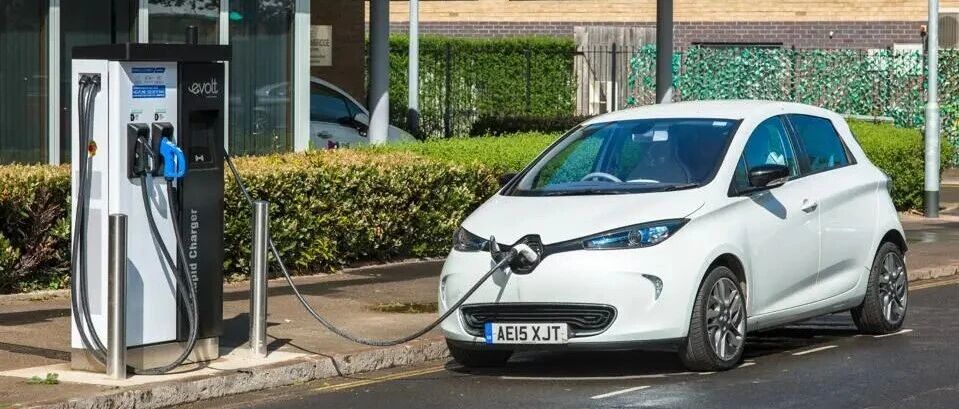
Core Viewpoint - The EU's imposition of anti-subsidy tariffs on Chinese electric vehicles (EVs) has been resolved through negotiations, transitioning from a confrontational stance to a cooperative approach that benefits both parties [1][2][22]. Group 1: Tariff Negotiations and Outcomes - In October 2023, the EU initiated an anti-subsidy investigation against Chinese EVs, citing unfair competition due to subsidies [1]. - By January 2024, the EU announced progress in the tariff case, introducing guidelines for price commitments that would allow Chinese EVs to avoid tariffs by setting a minimum price recognized by the EU [3][4]. - The minimum price must eliminate the damaging effects of subsidies, meaning that prices can only increase, not decrease [9][12]. Group 2: Implications for Chinese Automakers - Chinese automakers must comply with strict monitoring requirements, including detailed reporting on vehicle models and sales channels in the EU [14][16]. - To improve their chances of passing EU scrutiny, Chinese companies may need to limit the number of EV imports and specify minimum prices for certain models [17]. - Establishing manufacturing plants in the EU is seen as a beneficial strategy for Chinese companies to enhance local production and employment [18]. Group 3: Competitive Landscape - Despite the added tariffs, Chinese EVs remain competitive in the European market due to their advantages in technology and cost-effectiveness [23][24]. - For instance, the BYD Yuan PLUS sells for over 100,000 yuan in China but is priced at around 40,000 euros (approximately 327,500 yuan) in Germany, still competing effectively against local brands [25]. - The introduction of minimum import prices has shifted the competitive strategy of Chinese automakers towards higher quality and service, rather than solely relying on lower prices [30][41]. Group 4: Challenges for European Automakers - European automakers face significant challenges, with high prices for their EVs making them less attractive to consumers compared to Chinese alternatives [43]. - In 2022, pure electric vehicles accounted for only 12.1% of new car registrations in the EU, with projections showing only a slight increase to 16.9% by 2025 [44]. - Major European manufacturers like Volkswagen are experiencing financial difficulties, with a reported net loss of 1.072 billion euros in Q3 2025 [47][49]. Group 5: Future Cooperation - The EU's approach to setting minimum import prices for Chinese EVs aims to balance market competition and support local manufacturers while allowing for potential collaboration [63][64]. - European automakers are increasingly looking to leverage Chinese production capabilities and technology to enhance their own offerings, as seen with Renault and Volkswagen's strategies [65][68]. - This cooperative framework could lead to a win-win situation for both Chinese and European companies in the EV sector [76].


跨国车企的“廉价”小车反攻
第一财经· 2026-01-09 03:24
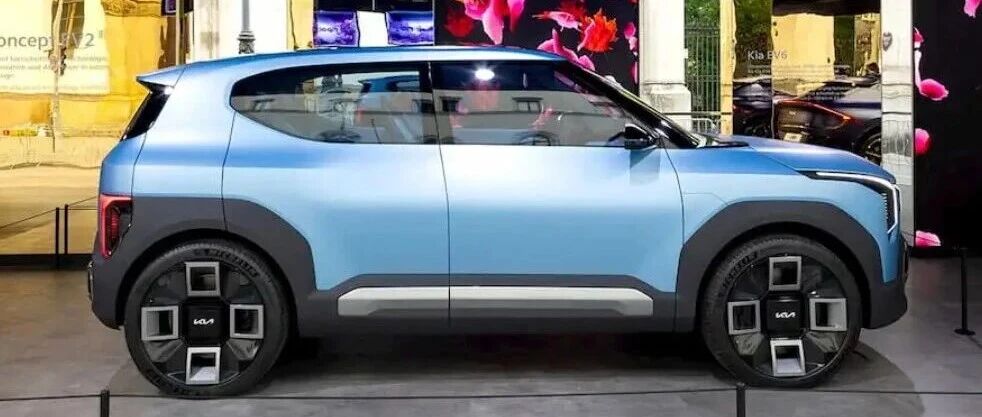
Core Viewpoint - The article discusses the increasing competition in the European electric vehicle (EV) market, highlighting the strategies of multinational car manufacturers to counter the growing presence of Chinese brands like BYD and MG by launching more affordable electric models [3][5]. Group 1: New Electric Vehicle Launches - Kia has confirmed the launch of its new entry-level model, the EV2, which will debut at the Brussels Motor Show on January 9, 2026. This compact electric SUV is set to be the smallest and cheapest electric vehicle from Kia, targeting a price point around €30,000 [3]. - Volkswagen plans to reintroduce its classic Polo as an electric model named ID. Polo, which will be based on the new MEB+ platform and is expected to start at €25,000, with a launch planned for spring 2026 [3]. - Renault, Nissan, Hyundai, and Ford are also set to introduce more economical electric models in 2026, with Renault's new electric Twingo expected to be priced below €20,000, relying on Chinese components for about 40% of its parts [4]. Group 2: Market Dynamics and Competition - Despite facing increased tariffs, Chinese brands are making significant inroads into the European market. In the first 11 months of 2025, the total registration in the broad European market reached 12.099 million vehicles, a 1.9% increase year-on-year, with electric vehicles driving this growth [5]. - The sales of pure electric vehicles reached 2.276 million units, marking a 27.4% year-on-year increase, while plug-in hybrid vehicles saw a 33.1% increase with 1.149 million units sold [5]. - Among the top ten car manufacturers in Europe, SAIC (mainly MG) ranked eighth with sales of 274,000 units, a 26.1% increase, while BYD ranked tenth with 160,000 units sold, experiencing a substantial growth of 276% [5][6]. Group 3: Emerging Chinese Brands - Chinese brands like Leap Motor and Chery's Omoda have shown remarkable growth in the European market, with Leap Motor's electric vehicle sales surging over 4000% year-on-year, and Omoda's sales increasing by 1100% during the same period [6].

吉利、福特、中国供应链,雷诺正在上演一场“合纵连横”的戏剧
Guan Cha Zhe Wang· 2025-12-10 10:41
Core Insights - Renault and Ford have announced a strategic partnership in Europe, where Ford will develop two new electric vehicle models based on Renault's Ampere platform, with production taking place in France [1][3] - This collaboration allows Ford to quickly enhance its product lineup during a critical period of electrification in Europe, leveraging Renault's technological capabilities [1][3] Group 1: Strategic Collaboration - The partnership signifies a deeper integration of Chinese research and development capabilities, supply chain efficiency, and cost-effective solutions into Renault's electric vehicle strategy [3][4] - Renault's Ampere platform aims to provide high-cost performance electric vehicle solutions for the European market, utilizing modular and electrification solutions from China [3][4] Group 2: Development and Integration - Renault has established a new Advanced China Development Center (ACDC) to empower the Ampere platform in creating electric products, highlighting the importance of collaboration with Chinese supply chains [4][6] - The integration of Chinese supply chains into the Ampere platform is crucial for reducing self-research costs and enhancing efficiency in key areas such as battery and electric drive systems [6][13] Group 3: Market Dynamics - The collaboration may reshape the competitive landscape for Chinese automotive companies, as European brands like Ford and Renault will leverage Chinese efficiencies, potentially increasing competition for Chinese automakers in Europe [13][14] - The strategic shift of Renault from a traditional manufacturer to an integrator reflects a broader trend in the automotive industry, where collaboration and resource sharing are becoming essential for competitiveness in the electric vehicle market [9][14]



263km续航卖12万!法国人炸了,欧盟疯了?
电动车公社· 2025-11-17 16:35
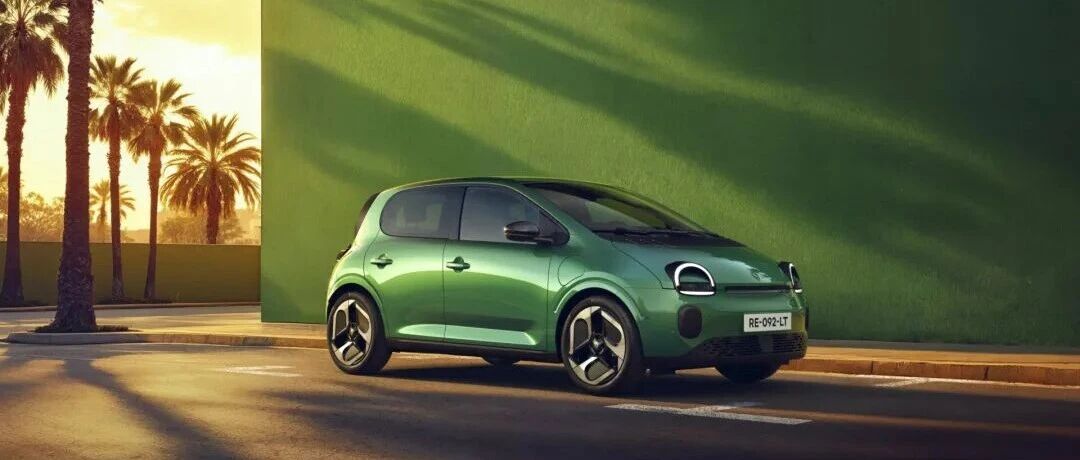
Group 1 - The core viewpoint of the article highlights the contrasting electric vehicle (EV) market dynamics between China and Europe, with China experiencing a surge in sales of affordable electric cars while Europe faces rising prices and regulatory challenges [1][3][45]. - In October, several electric vehicles in China achieved significant sales milestones, such as the Wuling Hongguang MINI EV surpassing 60,000 units sold, indicating a robust demand for affordable electric cars [1][3]. - The article emphasizes the price disparity in Europe, where the cost of small cars has increased significantly over the past 20 years, with only one fuel-powered car priced below €15,000, while many electric models are priced above €25,000 [3][5]. Group 2 - Renault's new electric car, the Twingo, aims to be priced below €20,000, targeting the European market's need for affordable electric vehicles [5][43]. - The Twingo's design incorporates cost-saving measures, such as simplifying components and reducing unnecessary features, to achieve a competitive price point [15][19]. - The Twingo project benefited from a rapid development process, taking only 24 months from design to production, largely due to the involvement of a Chinese engineering team and suppliers [56][60][64]. Group 3 - The article discusses the challenges Renault faces in entering the Chinese market, where competition is fierce with numerous affordable electric vehicles already available [48][49]. - Despite the Twingo's potential success in Europe, Renault's CEO expressed skepticism about its viability in China due to pricing issues [46][48]. - The article notes that Renault's strategy involves leveraging China's supply chain to reduce costs and enhance competitiveness in the global market [55][67][90]. Group 4 - Renault's restructuring in China reflects a shift towards a more collaborative approach, focusing on integrating with the local supply chain and adapting to the competitive landscape [75][80]. - The partnership with Chinese suppliers is expected to extend beyond the Twingo project, influencing Renault's global operations and product development [86][89]. - The article concludes that Renault's strategy represents a broader trend in the automotive industry, where traditional manufacturers must adapt to the evolving market shaped by Chinese brands [93][94].
对话苏伟铭:哪有世界级车企,选择不在中国
汽车商业评论· 2025-07-22 15:01
Core Viewpoint - The article emphasizes the importance of strategic planning in business, particularly in the automotive industry, as articulated by Renault China's CEO, Su Weiming, who believes that a well-defined strategy is crucial for navigating market changes and technological advancements [2][4]. Group 1: Historical Context and Leadership - Su Weiming has witnessed the evolution of the Chinese automotive market over the past 30 years, marking significant milestones such as China surpassing the US in monthly car sales in August 2006 [3]. - His career spans major automotive companies, including Mercedes-Benz and Volkswagen, where he successfully implemented strategies that capitalized on market opportunities [4][5]. - At Renault, he advocated for a strategic retreat from unprofitable joint ventures in China, which ultimately saved the company from significant losses [9][10]. Group 2: Strategic Decisions and Market Positioning - Under Su's leadership, Renault has focused on leveraging Chinese technology for global electric vehicle development, indicating a shift from traditional combustion engines to electric models [12][14]. - The company aims to produce a new electric vehicle priced under €20,000, showcasing the potential of Chinese innovation in the automotive sector [14]. - Renault's global sales are projected to exceed 2.26 million units in 2024, with operating profit reaching €4.3 billion, highlighting a successful turnaround strategy [11]. Group 3: Supply Chain and Collaboration - Su Weiming emphasizes the importance of building strong relationships with suppliers, moving from a transactional model to a collaborative approach that fosters mutual growth [25][24]. - The establishment of a new fund in collaboration with Chinese partners aims to explore investment opportunities in the electric vehicle ecosystem, reflecting Renault's commitment to integrating with local technology [20][22]. - The focus on supply chain innovation is seen as critical for the future of the automotive industry, with Su predicting that the next generation of automotive giants will emerge from China's robust supply chain ecosystem [23][24]. Group 4: Future Outlook and Market Dynamics - Su Weiming believes that the automotive market will continue to evolve, with a focus on supply rather than just demand, particularly in the context of technological advancements [27][29]. - He identifies the importance of AI and software in the future of automotive technology, suggesting that the competition will increasingly revolve around user experience and internationalization [32][30]. - The article concludes with Su's perspective on the future of new energy vehicle companies, indicating that scale will be essential for survival in a competitive market [41][42].

放弃在华卖车的雷诺,为何致力于中国研发?
Guan Cha Zhe Wang· 2025-05-26 09:26
Group 1 - Renault Group is leveraging its Chinese R&D center to design new models for markets outside Europe while aiming to reduce production costs and accelerate development by learning from the Chinese market [1][3] - The Shanghai R&D center, established in 2024, focuses on developing electric vehicles for the Ampere and Renault brands, targeting markets outside Europe [3] - Renault has achieved a significant reduction in vehicle development time, creating a budget-friendly electric vehicle, Twingo, in just 21 months, with a projected price of under €20,000 (approximately 163,000 RMB) [5] Group 2 - The Shanghai R&D center aims to reduce the cost of Renault's next-generation electric vehicles by 40% by 2028, with plans to double electric vehicle sales growth rates in 2025 and 2026 [7] - Renault is engaging with several Chinese component suppliers to establish factories in Europe, promoting a "market for technology" approach [7] - The global electric vehicle market saw over 17 million units sold last year, with China accounting for over 60% of the total, highlighting the country's dominance in the sector [8]
电力设备行业深度报告:欧洲电车趋势已起——从欧洲车企2025Q1财报看电动化趋势
KAIYUAN SECURITIES· 2025-05-21 10:23
Investment Rating - The investment rating for the electric power equipment industry is "Positive" (maintained) [1] Core Viewpoints - The report highlights a significant increase in BEV sales among major automakers in Europe, indicating a strong trend towards electrification in the automotive industry. Renault's BEV sales grew by 88% year-on-year, Volkswagen's by 113%, and BMW's by 64% in Q1 2025 [4][14][23] - The introduction of new electric vehicle models is expected to sustain the electrification trend, with various automakers planning to launch competitively priced electric vehicles in the coming years [6][37] - The report discusses the implications of carbon emission regulations, noting that a shift to a three-year average assessment period for emissions targets could alleviate pressure on automakers and allow for better planning and execution of new model launches [53] Summary by Sections Sales Performance - In Q1 2025, Renault's BEV sales increased by 88% year-on-year, with a penetration rate of 17.1% [15] - Volkswagen's BEV deliveries in Europe rose by 113%, achieving a market share of approximately 26% [19][21] - BMW's BEV sales in Europe grew by 64%, with a penetration rate of 18.7% [23] New Model Launches - Stellantis plans to introduce multiple new models priced below €25,000, which are expected to boost sales in Q2 2025 [40] - Renault's new model, the Renault 4, is set to launch in Q2 2025, building on the success of the Renault 5 [41] - Volkswagen will showcase a new range of entry-level BEVs in September 2025, with the ID.2 model expected to launch in 2026 [45] Carbon Emission Regulations - The European Parliament has approved a revision of carbon emission regulations, shifting to a three-year average assessment, which is seen as beneficial for the industry [53] - Stellantis believes that relaxing the assessment timeline can prevent panic pricing strategies in late 2025 [54] - BMW is confident in meeting the revised emission targets, having already exceeded previous goals [58] Investment Recommendations - The report recommends investing in companies involved in lithium batteries, such as CATL and Yiwei Lithium Energy, as well as companies producing lithium materials and components [59]





从欧洲车企2025Q1财报看电动化趋势:欧洲电车趋势已起
KAIYUAN SECURITIES· 2025-05-21 09:13
Investment Rating - The investment rating for the electric power equipment industry is "Positive" (maintained) [1] Core Insights - The report highlights a significant increase in BEV sales among major automakers in Europe, indicating a strong trend towards electrification in the automotive industry. Renault's BEV sales grew by 88%, Volkswagen's by 113%, and BMW's by 64% in Q1 2025 [4][14][23] - The introduction of new electric vehicle models is expected to sustain the electrification trend, with Stellantis and Renault planning to launch multiple affordable B-segment electric vehicles by the end of 2024 [6][37] - The report discusses the impact of carbon emission regulations, noting that the EU has revised its assessment method to consider a three-year average from 2025 to 2027, which may alleviate immediate pressure on automakers [53] Summary by Sections Sales Performance - In Q1 2025, Renault's BEV sales increased by 88%, with a penetration rate of 17.1% in Europe. The Renault 5 model was the best-selling B-segment electric vehicle [15][18] - Volkswagen's BEV deliveries in Europe rose by 113%, achieving a market share of approximately 26% [19][21] - BMW's BEV sales in Europe grew by 64%, with a penetration rate of 18.7% [23][25] - Chinese automakers are increasing PHEV exports to mitigate the impact of tariffs, with BYD's sales in Europe rising by 124% [5][32] New Model Launches - Stellantis plans to launch several new models priced below €25,000, which are expected to boost sales in Q2 2025 [40] - Renault's new model, the Renault 4, is set to launch in Q2 2025, building on the success of the Renault 5 [41] - Volkswagen will showcase a new range of entry-level BEVs in September 2025, with the ID.2 model expected to launch in 2026 [45] - BMW is set to begin production of the iX3 by the end of 2025, with a series of NEUE KLASSE models to follow [46] Carbon Emission Regulations - The EU's revised carbon emission assessment method is expected to provide automakers with more time to meet targets, with a focus on increasing BEV penetration rates [53] - Stellantis believes that the revised timeline will prevent panic pricing in Q4 2025 [54] - Renault emphasizes the importance of reducing costs to maintain competitiveness in the electric vehicle market [55] - Volkswagen anticipates continued pressure in 2025, despite the regulatory changes [57] - BMW expresses confidence in meeting carbon emission targets due to its current BEV penetration rate [58] Investment Recommendations - The report recommends investing in companies involved in lithium batteries, such as CATL and Yiwei Lithium Energy, as well as companies producing lithium materials and components [59]
