
8英寸晶圆

Search documents
成本压力叠加AI需求爆发,功率半导体掀涨价潮
2 1 Shi Ji Jing Ji Bao Dao· 2026-02-27 12:56
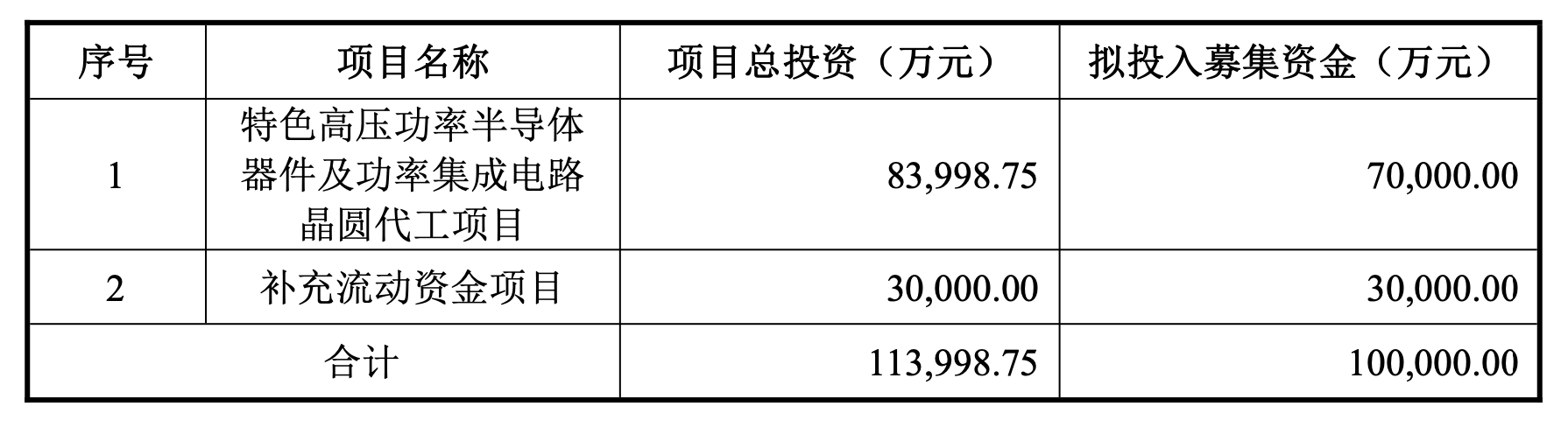
Core Viewpoint - The global price of power semiconductors has increased by 10% to 20% due to surging demand driven by AI and rising costs, with shortages in MOSFETs and IGBTs, while the production capacity of 6/8-inch wafers is tightening, leading to a turning point of simultaneous volume and price increase in the industry [1][2]. Group 1: Price Increase Drivers - The price increase in power semiconductors is primarily driven by rising manufacturing costs and structural demand from downstream applications [3][5]. - Major manufacturers have reported significant increases in the costs of raw materials and precious metals, which have led to higher costs in wafer manufacturing and packaging testing [4]. - The demand for power semiconductors is being fueled by rapid growth in AI data centers, electric vehicles, energy storage, and industrial control sectors, with AI servers being a notable source of demand [5][6]. Group 2: Supply Constraints - The supply of 6-inch and 8-inch wafers, which are primarily used for manufacturing power semiconductors, is entering negative growth, creating a scarcity in the global power and analog supply chain [5][6]. - Major international manufacturers like TSMC and Samsung are reallocating resources to advanced processes, reducing the supply of mature 6/8-inch wafers [5]. - Companies such as Infineon and ON Semiconductor are prioritizing production capacity for high-margin products like silicon carbide and gallium nitride, further tightening the supply of traditional low to medium voltage MOSFETs [6]. Group 3: Expansion Plans - Several domestic and international manufacturers are announcing or advancing expansion plans in response to the price surge [8]. - MinDe Electronics plans to raise up to 1 billion yuan for high-voltage power semiconductor devices and integrated circuit wafer foundry projects, aiming to increase monthly production capacity by 60,000 wafers [9]. - Infineon has raised its investment plan for fiscal year 2026 to 2.7 billion euros to accelerate capacity expansion for AI data center power solutions [10].

成熟制程代工厂世界先进报价拟调涨15%
Jing Ji Ri Bao· 2026-02-09 23:27
Group 1 - The core viewpoint is that World Advanced plans to increase its foundry prices by 15% starting in April due to sustained high capacity utilization and rising demand in the AI server and high-performance computing sectors [1] - World Advanced has indicated a strong demand recovery and tightening supply conditions, which is expected to lead to price adjustments across mature process foundries, including UMC and Powerchip [1] - The company emphasizes a cautious approach to pricing strategy, aiming to reflect investment and capacity expansion costs through negotiations with clients, thereby establishing a mutually beneficial relationship [1] Group 2 - Powerchip has noted an increase in demand for power management ICs and related components driven by AI servers, leading to plans for a price increase in 8-inch wafer foundry services in March [2] - UMC has maintained its pricing discipline while optimizing its product mix, expecting a stable profit structure, with a projected moderate growth of 1% to 3% in the mature process market by 2026 [2] - There is an expectation that if World Advanced initiates a new round of price increases, both UMC and Powerchip are likely to follow suit, potentially leading to a sustained upward cycle in mature process pricing [2]
华强北不知何为“AI泡沫”
经济观察报· 2026-01-30 14:33
Core Viewpoint - The article highlights a significant surge in the prices of server components, particularly storage chips and graphics cards, driven by supply constraints and increased demand from AI infrastructure investments. This price volatility is causing challenges for both buyers and sellers in the market [2][3][20]. Price Trends - A single server equipped with eight NVIDIA RTX 5090 graphics cards has seen its price rise from 300,000 yuan to 400,000 yuan within a month, indicating a 33.3% increase [2]. - The price of DDR4 64G server memory has doubled from approximately 1,500 yuan to 3,100 yuan in two months, reflecting a 106.7% increase [4]. - High-frequency DDR5 memory prices have surged to over 13,000 yuan for second-hand parts, with new products priced above 25,000 yuan (approximately 18,000 yuan) [6]. Market Behavior - Sellers are hesitant to stock inventory due to unpredictable price fluctuations, leading to a shift from traditional order placements to same-day pricing validity [3][4]. - Payment terms have become stricter, with sellers requiring a 50% deposit upon order and full payment before shipment [4]. Supply Chain Dynamics - Major semiconductor companies are issuing price increase notices, with adjustments ranging from 15% to 80% due to rising costs and supply chain pressures [10][11]. - The demand for AI-related chips is causing a supply crunch, with manufacturers like TSMC and Samsung reporting record profits and high demand for high-value products [17][18]. Impact on End Products - The rising costs of memory and storage are expected to increase the prices of consumer electronics, with estimates suggesting a potential 10% to 20% increase in product prices [13]. - The notebook computer market is projected to face significant challenges, with expected shipment declines of 9.4% in 2026 due to rising component costs [21]. Industry Outlook - The current chip price surge is anticipated to persist throughout 2023, with supply chain constraints and high demand from AI investments driving ongoing price increases [14][20].







电子元器件,涨声一片!
是说芯语· 2026-01-29 06:47
Price Increases in Semiconductor and Electronic Components Industry - Resonac announced a price increase of 30% for copper-clad laminates and adhesive films starting March 1, 2026, due to tight supply and rising costs of raw materials and labor [3] - Nanya Plastics will raise prices for all CCL products and PP by 8% starting November 20, 2025, citing increases in international copper prices and raw material costs [7] - TrendForce predicts that the average capacity utilization rate of global 8-inch wafer foundries will rise to 85%-90% in 2026, leading to price increases of 5%-20% for wafer foundry services across the board [8] - TSMC plans to increase prices for advanced technology nodes (5nm, 4nm, 3nm, 2nm) by 8%-10%, with a 50% increase for 2nm wafers starting in 2026 [10] - SMIC has implemented a price increase of approximately 10% for certain capacities [11] - Several packaging and testing companies have begun raising prices, with increases nearing 30% due to high demand and full capacity utilization [13] Memory Chip Price Increases - Samsung has raised NAND flash prices by over 100% and plans to increase server DRAM prices by 60%-70% in Q1 2026 [15] - SK Hynix is also raising server DRAM prices by 60%-70% and has negotiated significant price increases for LPDDR memory used in iPhones, approaching 100% [16] - Micron has announced a general price increase of approximately 20% across its product lines [17] - NAND flash wafer prices increased by over 10% in December 2025, with SSD prices rising by 15%-20% [24] Passive Components Price Adjustments - Various passive component manufacturers, including Yageo and Panasonic, have announced price increases for capacitors and resistors ranging from 8% to 30% [26][31] - ROHM Semiconductor has raised prices for thick film resistors by 8%-20% [38] - Multiple manufacturers are adjusting prices due to rising raw material costs and supply chain pressures [47] Power Devices and Other Electronics - Huazhong Microelectronics confirmed price increases for certain IGBT products due to rising copper and raw material costs [48] - Several semiconductor companies, including Jiangxi Tianyi and Wuxi Zongxiang Technology, have raised prices for specific products by 10%-20% [82][83] CPU and GPU Price Trends - AMD and Intel are planning to increase server CPU prices by up to 15% due to high demand from large enterprises [62] - NVIDIA and AMD are expected to raise GPU prices in early 2026, with multiple price adjustments anticipated throughout the year [79]


晶圆代工,正在重构
半导体芯闻· 2026-01-26 08:44
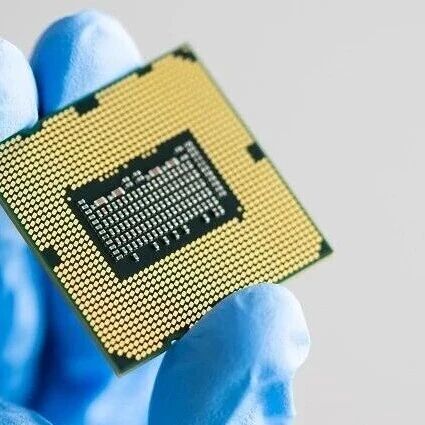
Core Viewpoint - The semiconductor industry is undergoing a significant capacity restructuring driven by the AI boom, affecting both advanced and mature process nodes, particularly the 8-inch wafer production [1][11]. Group 1: 8-Inch Wafer Production - Major players like TSMC and Samsung are shutting down 8-inch wafer fabs, with TSMC planning to phase out its 6-inch production and reduce 8-inch capacity by 2027 [2][3]. - Samsung is also closing its 8-inch S7 plant, reducing its monthly capacity by approximately 50,000 wafers [2]. - The economic viability of 8-inch production is declining as 12-inch wafers offer better output and efficiency, leading to a shift in product platforms towards 12-inch [3]. Group 2: Demand and Supply Dynamics - Despite the giants' exit, demand for power management ICs (PMIC) and power devices is surging due to AI, creating a supply-demand imbalance in 8-inch capacity [4][5]. - The global supply of 8-inch wafers is expected to decrease by about 2.4% in 2026, with average utilization rates rising from 75-80% in 2025 to 85-90% [5]. - Secondary players and regional manufacturers, such as DB HiTek, are likely to benefit from the shift in orders as major companies focus on advanced processes [5]. Group 3: Transition to 12-Inch Production - The transition to 12-inch production is seen as irreversible, with companies like TI investing in new 12-inch fabs to enhance manufacturing scale and cost structure [6][7]. - The expansion of 12-inch capacity is not limited to manufacturing but also includes upstream silicon wafer production, indicating strong customer demand and long-term growth potential [7]. - The sale of Powerchip's P5 factory to Micron highlights the challenges faced by second-tier manufacturers in maintaining competitiveness amid the shift to 12-inch production [8][9]. Group 4: Opportunities for Chinese Manufacturers - The reduction of 8-inch capacity by TSMC and Samsung opens a valuable window for Chinese wafer fabs to capture market share and improve pricing power [11][12]. - Chinese manufacturers are focusing on transitioning from 8-inch to 12-inch production, aiming to enhance their capabilities in key areas like automotive IGBTs and PMICs [12][13]. - The ability to convert the 8-inch window into a scalable 12-inch production capability will be crucial for maintaining competitiveness in the evolving semiconductor landscape [13]. Group 5: Conclusion - The semiconductor industry is witnessing a major shift in player dynamics, with TSMC and Samsung retreating from mature processes and transferring opportunities to more resilient local manufacturers [14][15]. - The transition from 8-inch to 12-inch production represents a significant change in efficiency and cost structures, reshaping the competitive landscape [14].

8英寸晶圆代工,大有可为!
半导体行业观察· 2026-01-25 03:52
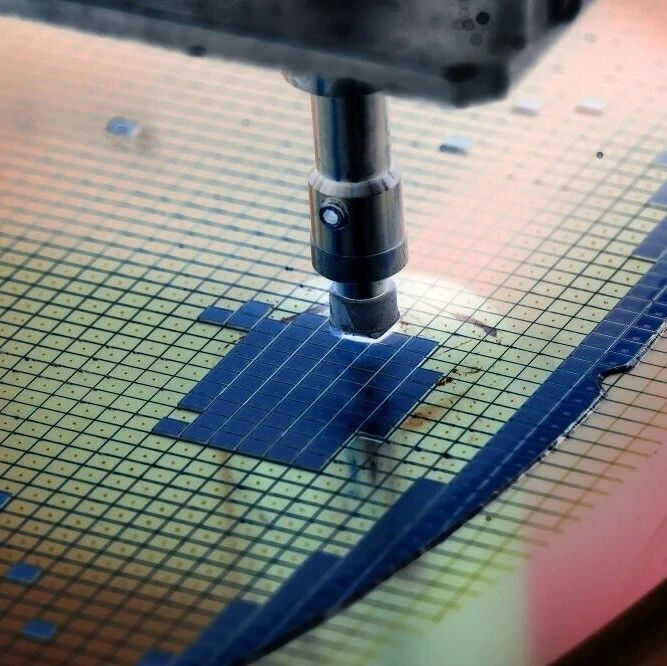
Core Viewpoint - The demand for AI is driving a potential price increase in global wafer foundries, affecting even non-mainstream 8-inch wafers [1][2]. Supply Side Summary - TSMC and Samsung are gradually reducing 8-inch wafer production, with TSMC aiming for partial plant shutdowns by 2027. This reduction is expected to lead to a 0.3% decline in global 8-inch wafer capacity in 2025, entering negative growth. In 2026, despite some Chinese manufacturers planning slight capacity expansions, the overall capacity is projected to decrease by 2.4% due to the larger reductions from TSMC and Samsung [1][2]. Demand Side Summary - The increase in power IC orders for AI servers and the trend of IC localization in China are boosting demand for local wafer foundries, leading to a significant rise in capacity utilization rates for some Chinese manufacturers starting mid-2025. This has prompted these manufacturers to initiate price increases for foundry services, effective in the second half of 2025. The overall average capacity utilization for global 8-inch wafers is expected to rise to 85-90% in 2026, up from 75-80% in 2025, with some foundries planning to raise prices by 5-20% across all customers and process platforms [2][3]. Price Increase Considerations - Despite the anticipated price increases, actual price hikes for 8-inch wafers may be moderated due to concerns in consumer electronics and rising costs from memory and advanced processes impacting surrounding IC costs [3].
晶圆代工,正在重构
智通财经网· 2026-01-24 09:23
Core Insights - The semiconductor industry is undergoing a significant capacity restructuring driven by the AI spillover effect, impacting both advanced and mature process nodes [1][11] - Major players like TSMC and Samsung are reducing their 8-inch wafer production capacity, indicating a shift in focus towards more efficient 12-inch processes [3][4] - The demand for power management integrated circuits (PMIC) and power devices is surging due to increased data center power consumption, further straining the supply of mature process nodes [1][5] Group 1: Industry Trends - The closure of 8-inch fabs by TSMC and Samsung is not due to a lack of demand but rather economic considerations and a shift in product platforms towards 12-inch [4][5] - TSMC plans to phase out its 6-inch wafer production by 2027, while Samsung will reduce its 8-inch capacity by approximately 50,000 wafers per month by late 2026 [3][4] - The global supply of 8-inch wafers is expected to decline by about 2.4% year-on-year by 2026, with average utilization rates rising from 75-80% in 2025 to 85-90% [6] Group 2: Opportunities and Challenges - The exit of major players from the 8-inch market opens opportunities for second-tier and regional players, such as DB HiTek and Chinese manufacturers, to capture overflow orders [6][11] - The transition to 12-inch processes is seen as irreversible, with companies like TI investing in new 12-inch fabs to enhance manufacturing scale and cost structure [7][10] - The sale of Powerchip's P5 factory to Micron for $1.8 billion highlights the survival strategies of second-tier manufacturers amid capacity expansions and financial pressures [8][9] Group 3: Implications for Chinese Manufacturers - The reduction in 8-inch capacity presents a valuable window for Chinese wafer fabs to capture market share and improve pricing power [11][12] - Chinese manufacturers must focus on transitioning to 12-inch specialty processes to maintain competitiveness and leverage the current 8-inch market dynamics [12][13] - The ability to convert 8-inch opportunities into 12-inch capabilities will be crucial for long-term success in the evolving semiconductor landscape [12][13]
晶圆代工,正在重构
半导体行业观察· 2026-01-24 02:39
Core Viewpoint - The semiconductor industry is undergoing a significant capacity restructuring driven by the AI boom, affecting both advanced and mature processes, particularly the 8-inch wafer production [1][14]. Group 1: 8-Inch Wafer Production - Many chip design companies are facing challenges in securing capacity at wafer fabs, particularly for mature processes, due to increased demand driven by AI applications [1]. - TSMC and Samsung are both planning to shut down some of their 8-inch wafer fabs, with TSMC expected to stop production at its 8-inch Fab 5 by the end of 2027 [2]. - Samsung's S7 plant will also be closed in the second half of 2026, reducing its monthly capacity by approximately 50,000 wafers [3]. Group 2: Economic Considerations - The economic viability of 8-inch production is declining as 12-inch wafers can produce more dies at lower costs, making 8-inch production less profitable [4]. - The migration of key products like CMOS image sensors and display drivers to 12-inch platforms is contributing to the reduced utilization of 8-inch fabs [4]. Group 3: AI Impact and Market Dynamics - The AI-driven demand for power management ICs (PMICs) and power devices is causing a structural increase in demand, which, combined with supply-side reductions, is leading to a supply-demand imbalance for 8-inch wafers [5]. - As TSMC and Samsung reduce their 8-inch production, global supply is expected to decrease by approximately 2.4% in 2026, with average utilization rates rising from 75-80% in 2025 to 85-90% [5]. Group 4: Transition to 12-Inch Production - The transition to 12-inch production is becoming irreversible, with TI's Sherman facility marking a significant milestone in this trend [6]. - GlobalWafers is also expanding its 12-inch wafer production, indicating strong customer demand and confidence in long-term growth [7]. Group 5: Opportunities for Chinese Manufacturers - The reduction of 8-inch capacity by major players opens a valuable window for Chinese wafer fabs to capture market share and improve their bargaining power [11]. - Chinese manufacturers like Huahong and SMIC are expected to benefit from the reallocation of 8-inch orders, as they maintain high utilization rates [11]. Group 6: Strategic Moves and Future Outlook - The sale of Powerchip's P5 factory to Micron illustrates a strategic shift among second-tier manufacturers to prioritize cash flow and reduce asset burdens [8]. - Micron's acquisition aims to secure supply chain positioning for future DRAM production, highlighting the competitive landscape's evolution [9][10]. - The restructuring presents both challenges and opportunities, with the need for Chinese manufacturers to transition effectively to 12-inch production to maintain competitiveness [12][13].
全球8英寸晶圆供需正步入失衡期,我国国产化力度超预期,集成电路ETF(562820)一键布局全产业链芯片龙头
Xin Lang Cai Jing· 2026-01-22 03:05
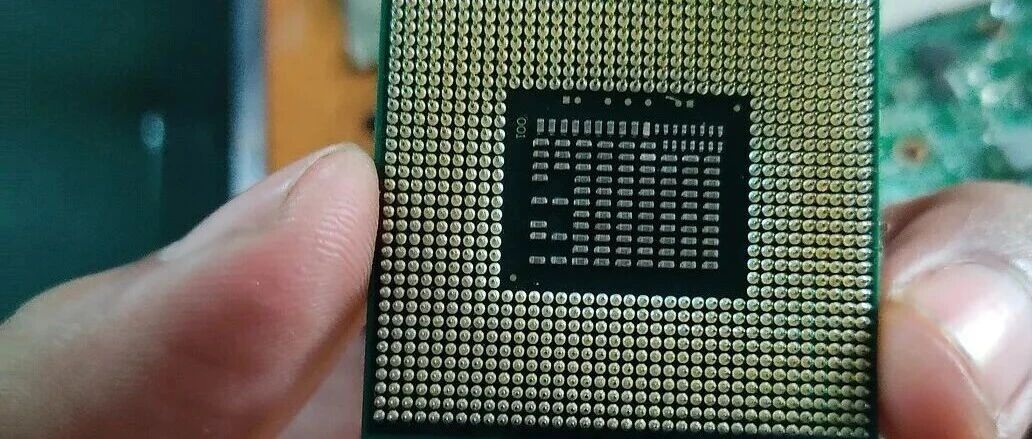
Group 1 - The core viewpoint of the articles highlights the current trends and challenges in the semiconductor industry, particularly focusing on the 8-inch wafer supply-demand imbalance and the rise of domestic foundries in China [1] - The China Securities Index for integrated circuits has seen a decline of 0.52%, with mixed performance among constituent stocks, where Longxin Technology led with a 7.04% increase [1] - According to a report by TrendForce, the global 8-inch wafer foundry capacity is expected to shrink by 2.4% due to strategic capacity reductions by TSMC and Samsung [1] Group 2 - The demand for AI-driven power management chips remains strong, contributing to an increase in the average capacity utilization rate in the industry, which is projected to reach 90% [1] - Domestic wafer foundries in China are emerging as alternatives to meet the demand for 8-inch chips, with price adjustments expected to range from 5% to 20% [1] - TSMC plans to significantly increase its capital expenditure to between $52 billion and $56 billion in 2026 to accelerate advanced process capacity construction in response to the ongoing demand for AI computing power chips [1] Group 3 - As of December 31, 2025, the top ten weighted stocks in the China Securities Index for integrated circuits account for 53.66% of the index, including companies like Cambricon, SMIC, and Haiguang Information [2] - The integrated circuit ETF (562820) serves as a convenient tool for investors to gain exposure to leading companies across the entire semiconductor industry chain [2] Group 4 - Investors without stock accounts can also access investment opportunities in the semiconductor sector through the integrated circuit ETF linked fund (022350) [3]
恒生指数早盘跌0.15% 手术机器人涨幅居前
Zhi Tong Cai Jing· 2026-01-21 04:11
Group 1 - Hong Kong's Hang Seng Index fell by 0.15%, down 38 points, closing at 26,449 points, while the Hang Seng Tech Index rose by 0.14% [1] - The trading volume in Hong Kong's stock market reached 127.7 billion HKD in the morning session [1] - The National Healthcare Security Administration is advancing the pricing of surgical robots and related services, leading to significant stock price increases for companies like Precision Medical-B (up 8.5%) and MicroPort Robotics (up over 12%) [1] Group 2 - 8-inch wafer foundries are collectively raising prices, with increases potentially reaching 20%, benefiting companies like Hua Hong Semiconductor (up over 4%) and SMIC (up over 3%) [1] - Zhaoyi Innovation (up over 10%) is experiencing an upward cycle driven by AI in the storage sector, with its competitor SanDisk reaching new highs [1] Group 3 - ASMPT saw its stock rise over 4% as the company evaluates strategic plans for its SMT solutions division [2] - Kintor Composite Materials (up over 5%) is benefiting from a 30% price increase in CCL by a major Japanese manufacturer, with market attention on orthogonal backplane rumors [3] - Neway Group (up over 10%) has seen its stock price increase by over 30% this month, establishing itself as a leader in AIDC in Hong Kong [4] Group 4 - Youran Dairy (up over 9%) is expected to benefit from a cyclical reversal, with institutional investors indicating that a major shareholder's private placement reflects confidence in the company's development [5] - Jiaxin International Resources (up over 4%) has increased by over 80% this month, with tungsten powder prices reaching historical highs [6] - SF Express (up over 15%) is benefiting from favorable conditions for third-party logistics service providers due to platform competition [7] Group 5 - TCL Electronics (up 17%) is planning to restructure and acquire Sony's television business [8] - Heartway Medical-B (up over 9%) anticipates a pre-tax profit of approximately 80 million RMB in 2025, indicating a turnaround from losses [9] - Pan Yuan International (down over 13%) is participating in a share acquisition transaction involving COPE Holding to address changes in trade tariff policies [10]
